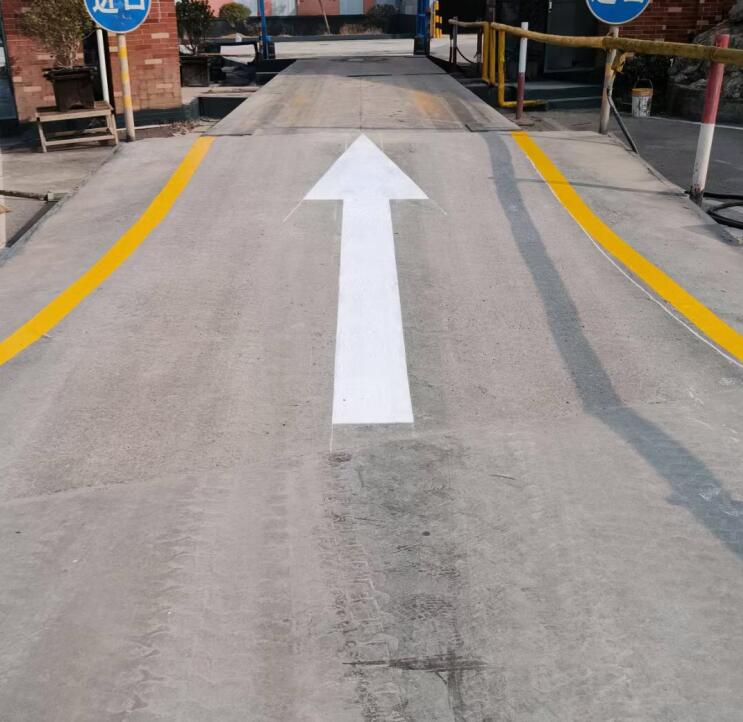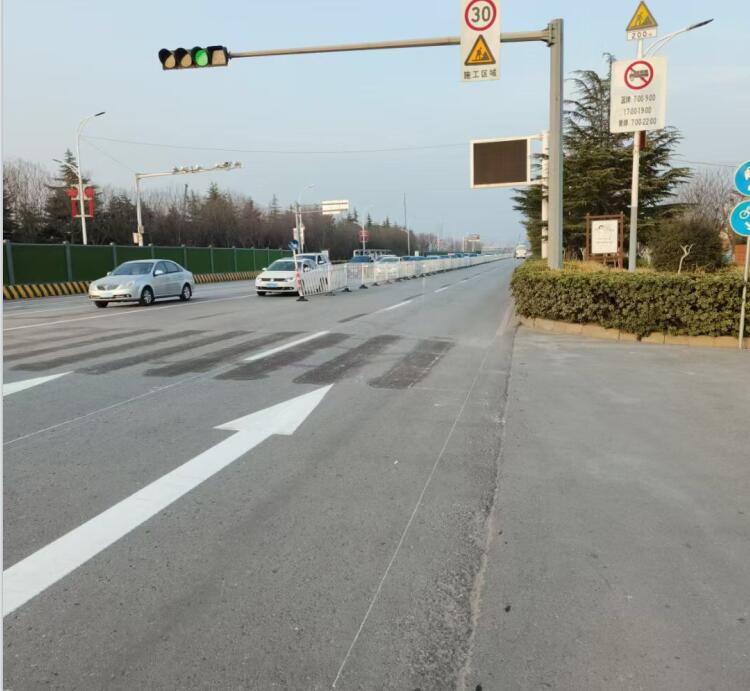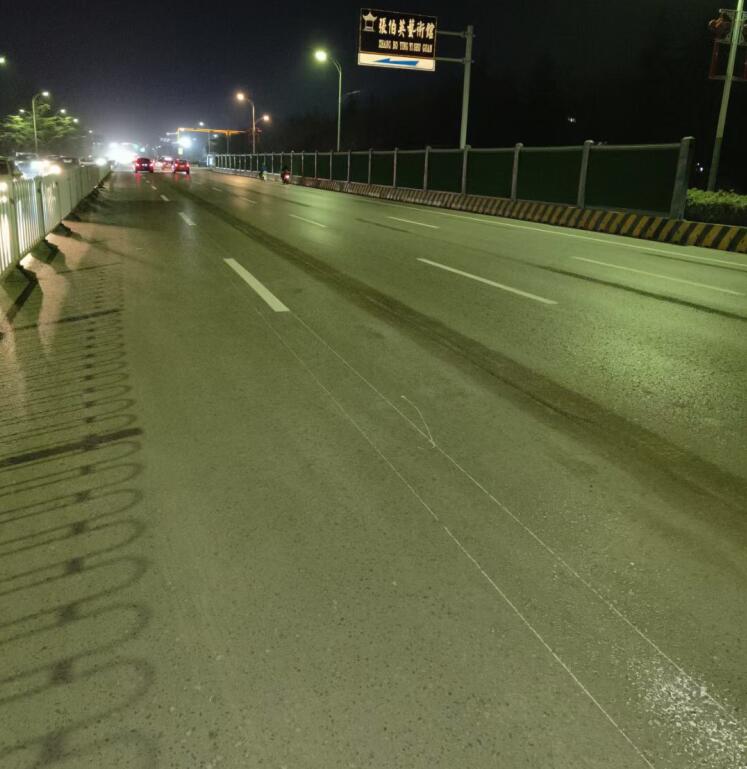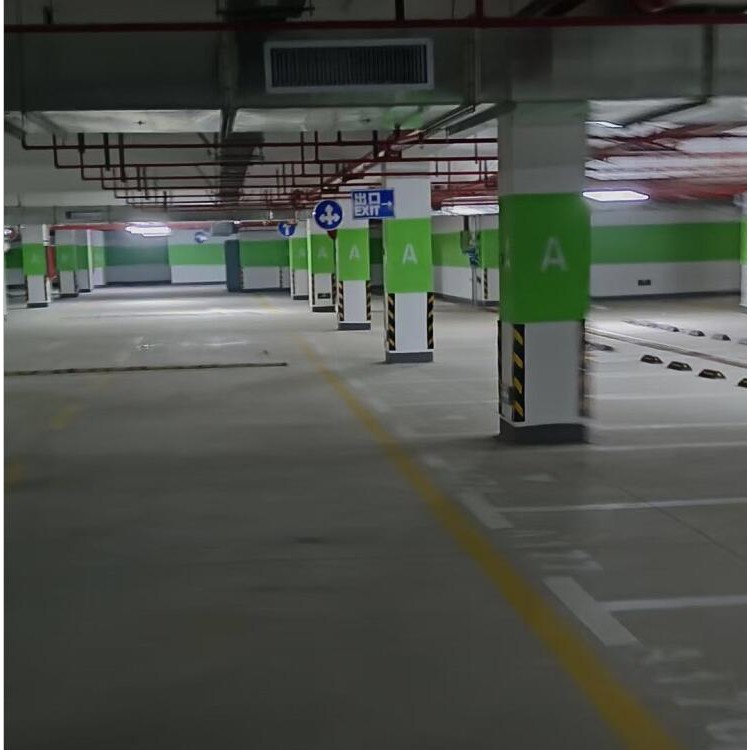

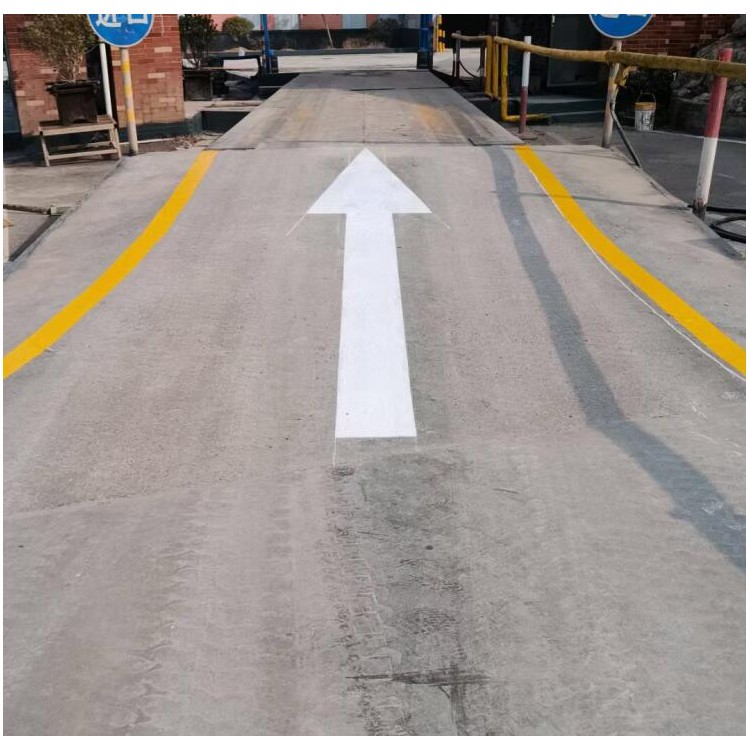

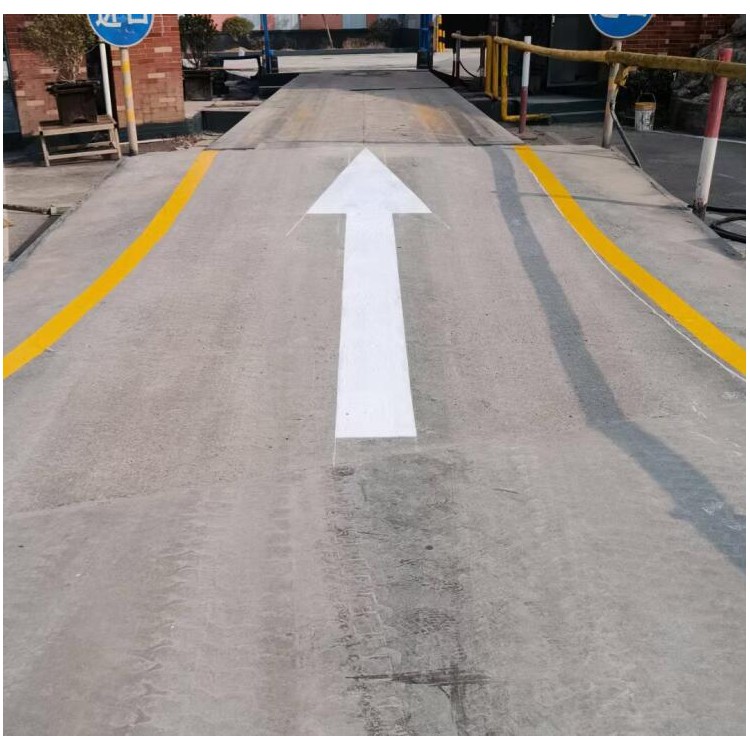
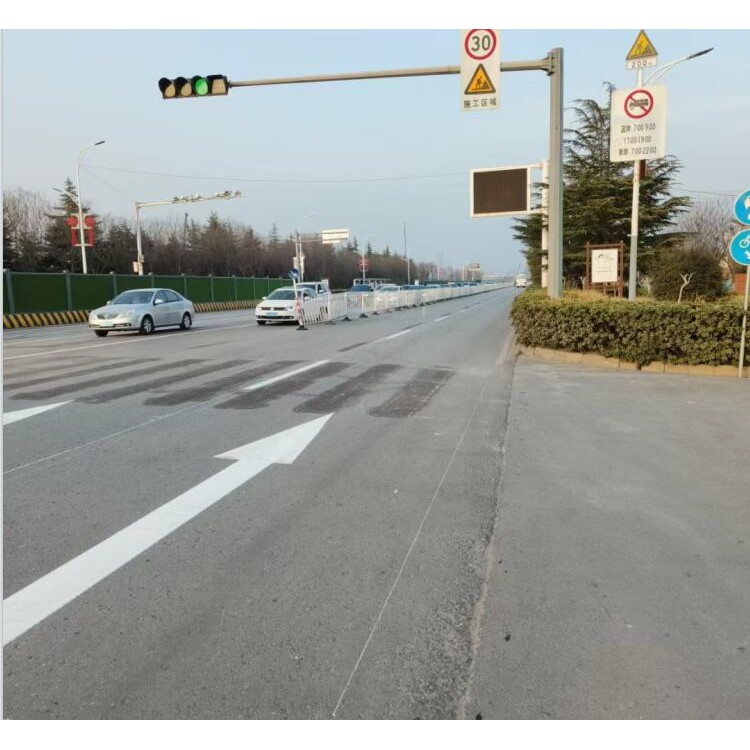
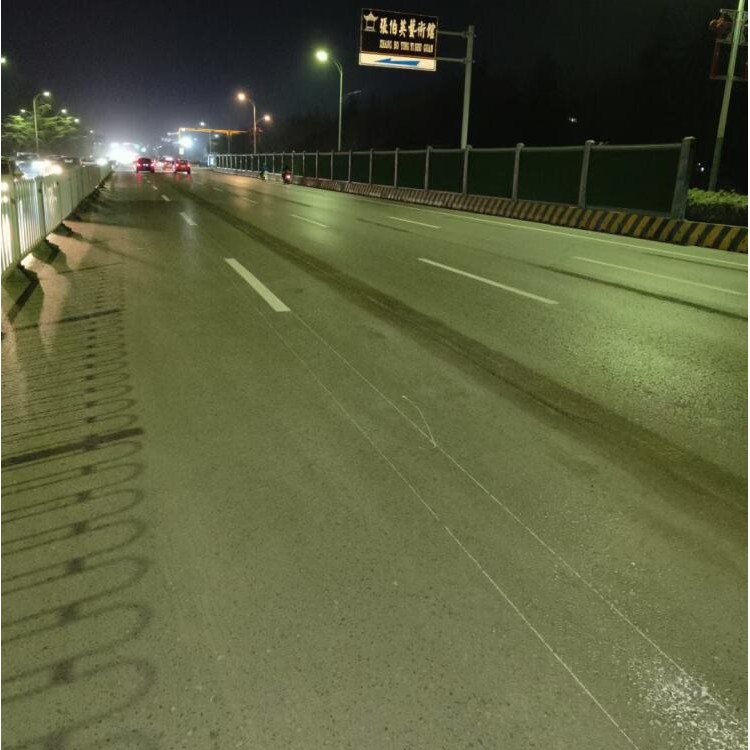







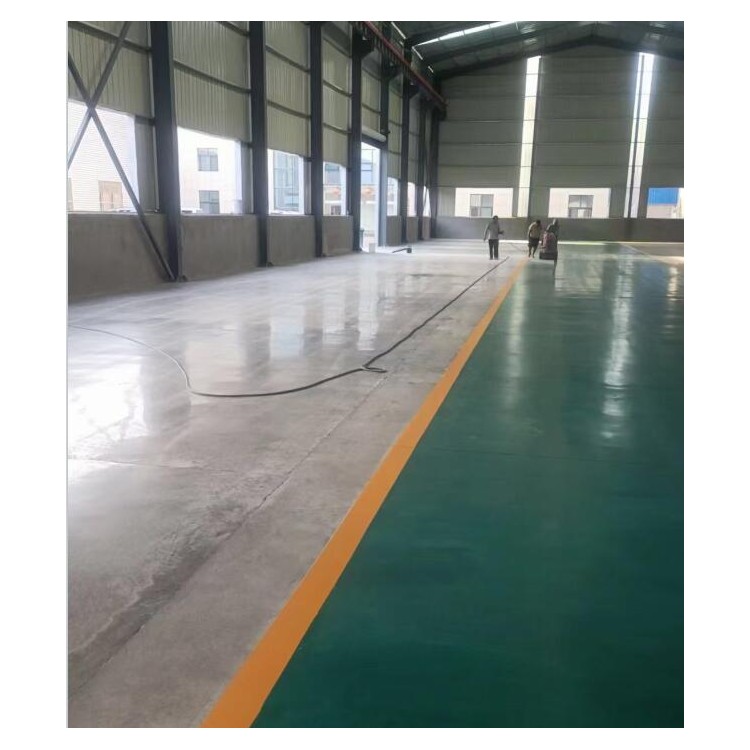


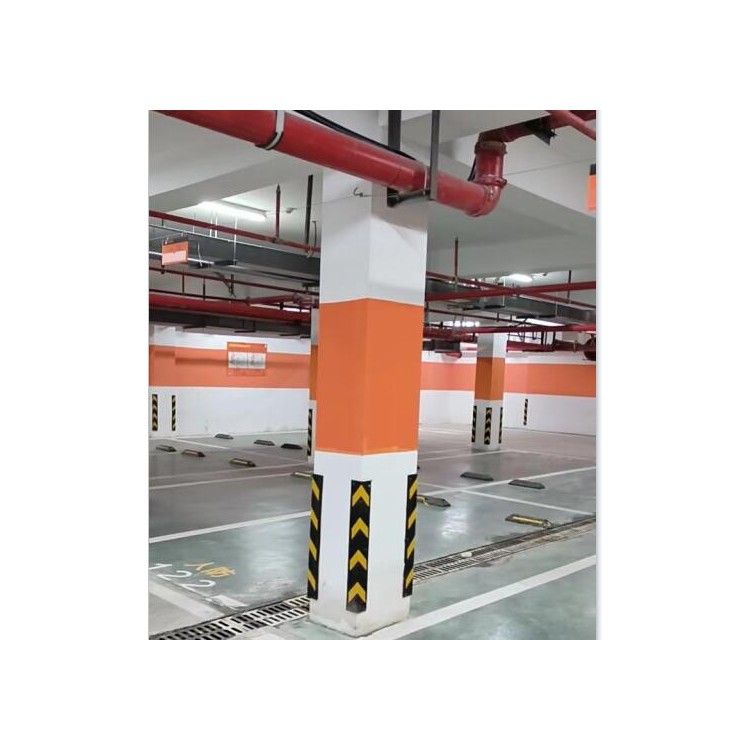
Road marking refers to the application of paints, reflective materials, and other substances to road surfaces in accordance with traffic regulations and standards to create various lines, markings, texts, and patterns. This is done to guide and regulate the movement of vehicles and pedestrians, as well as to highlight safety precautions. The scope of road marking includes lane lines, parking lines, directional arrows, zebra crossings, and deceleration lines, among others. Its practical significance lies in enhancing the safety, order, and efficiency of road traffic.
Road marking is a crucial aspect of traffic safety management, directly impacting traffic order, safety, and efficiency. Reasonable, accurate, and clear road markings guide and regulate the movement of vehicles and pedestrians, reduce traffic accidents, and enhance road traffic efficiency.
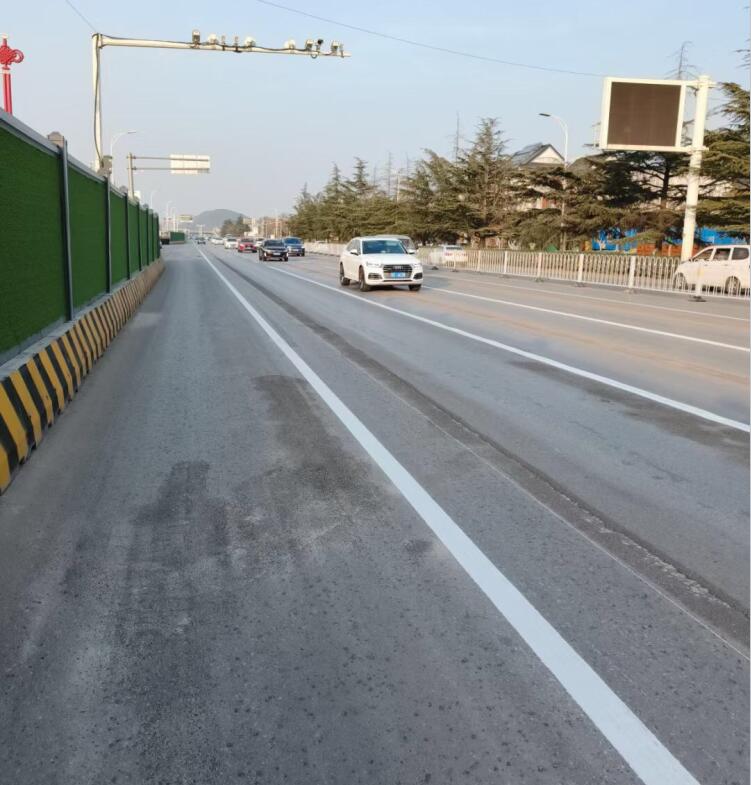
During road marking construction, the following technical details are worth noting:
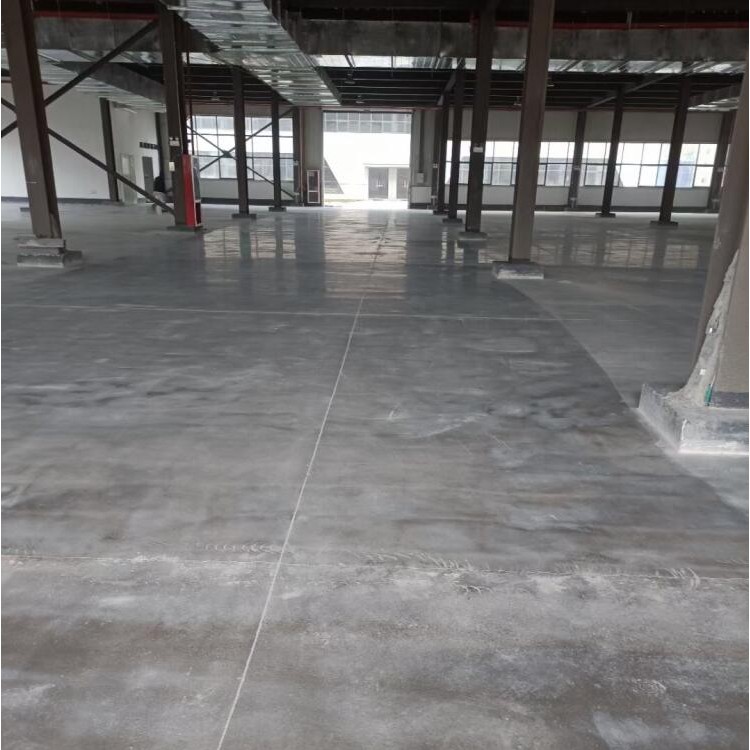
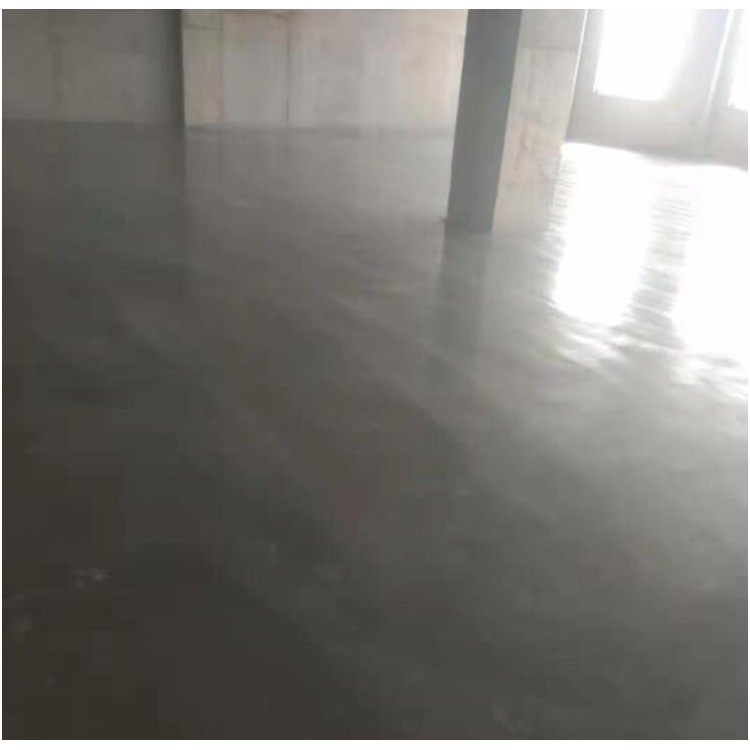
Prior to construction, the road surface should be cleaned to ensure it is dry, level, and free of obstructions.
Based on construction drawings and specifications, accurately measure the position and dimensions of the lines, and use instruments such as theodolites and leveling instruments to ensure the accuracy of the marking.
Select appropriate coatings and films, considering their reflective performance and durability under night and adverse weather conditions.
During construction, install clear warning signs and safety isolation facilities to ensure construction safety and vehicle passage.
Upon completion of construction, conduct a thorough inspection of the line markings to ensure they are clear, complete, and straight.