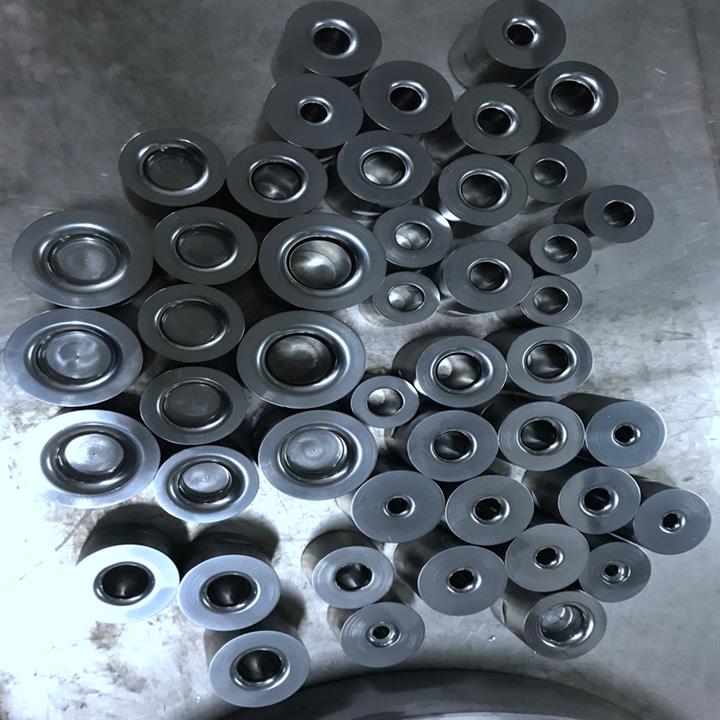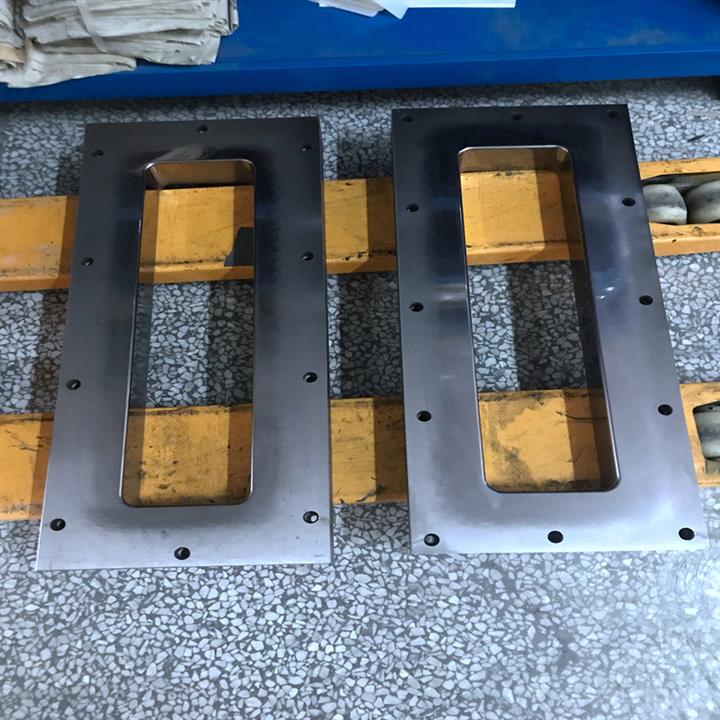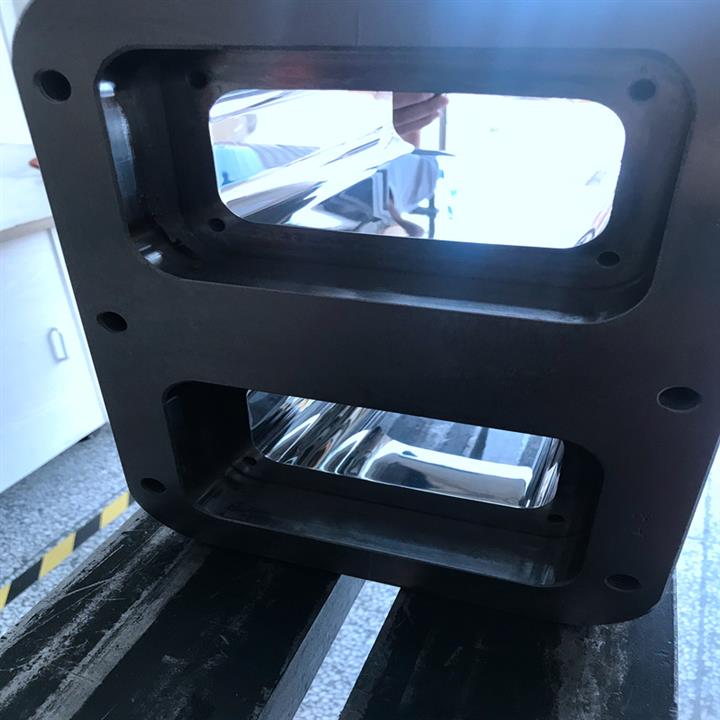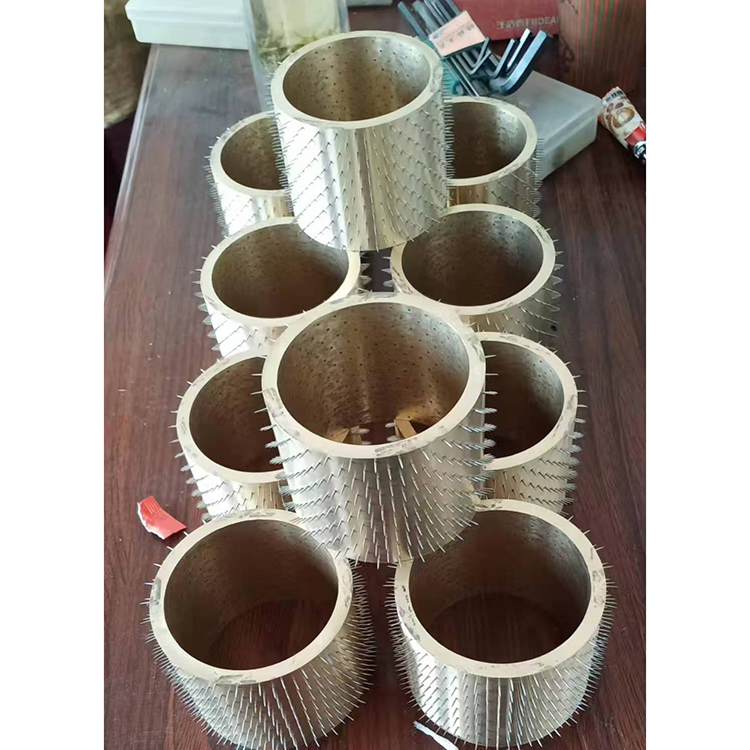



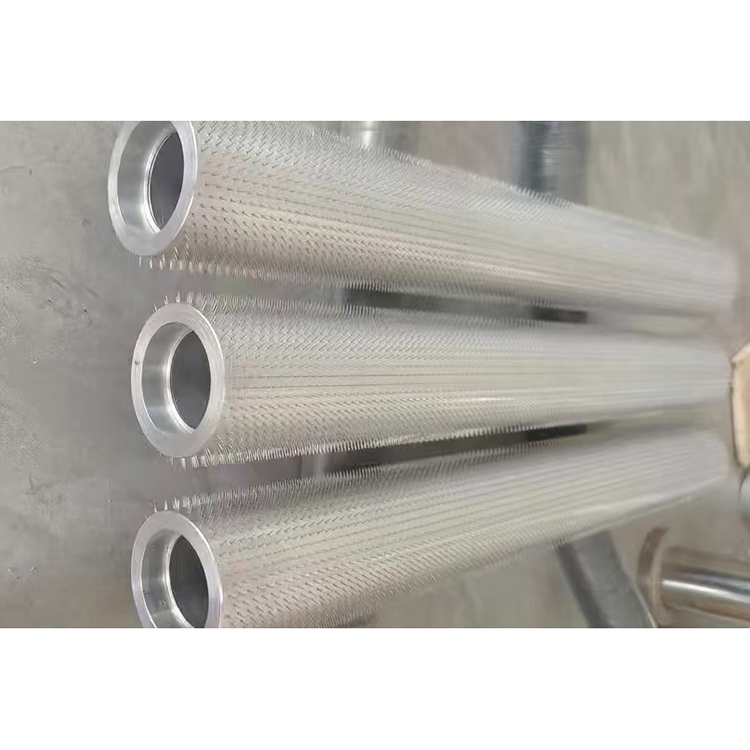
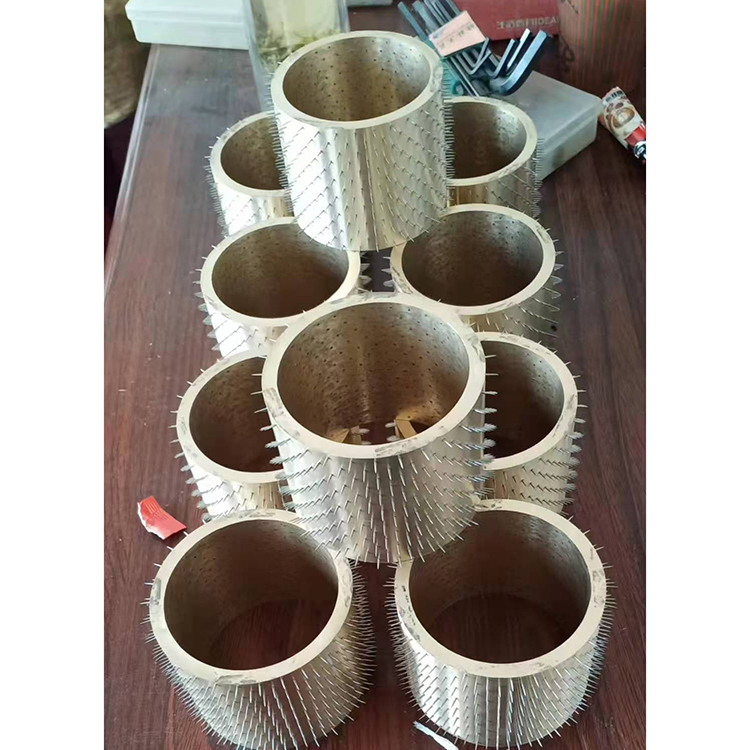
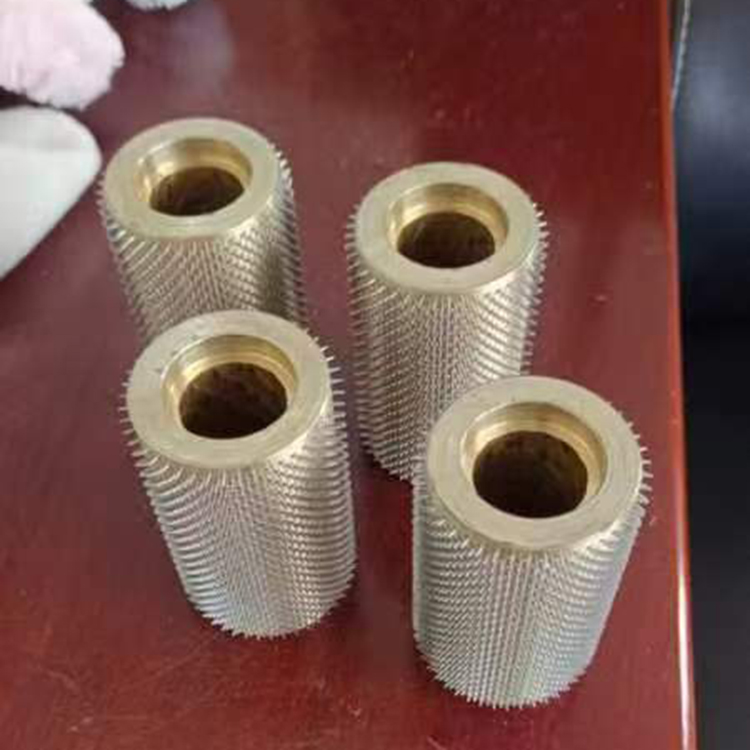






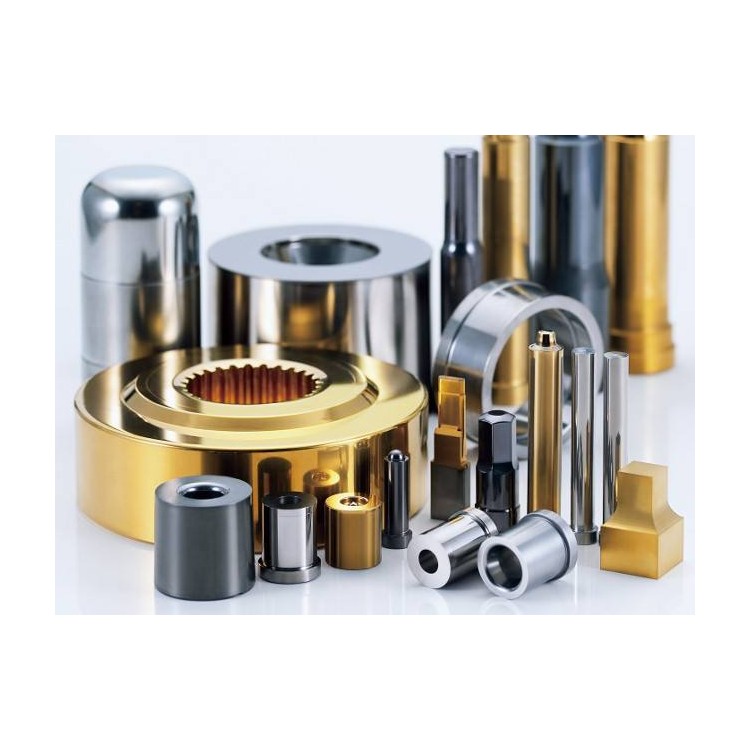
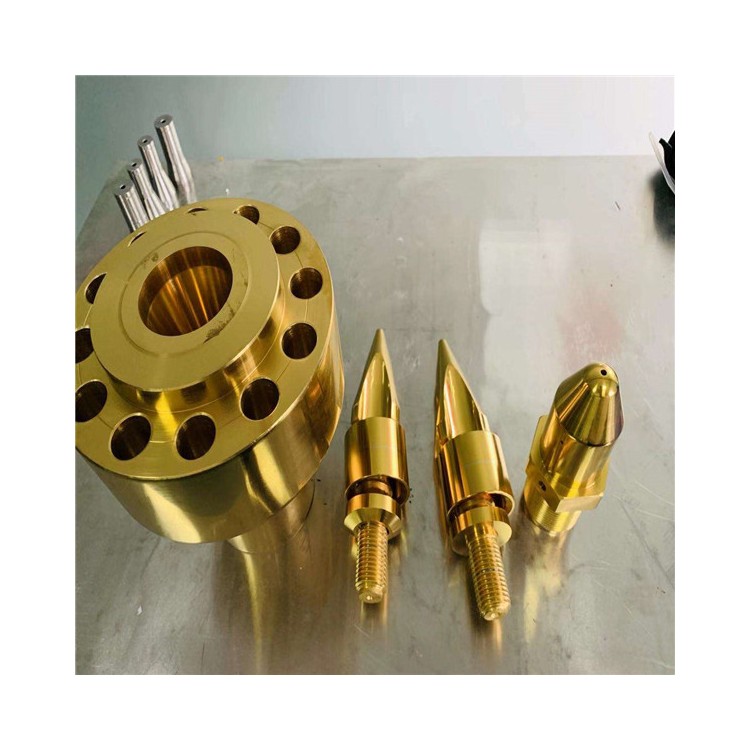
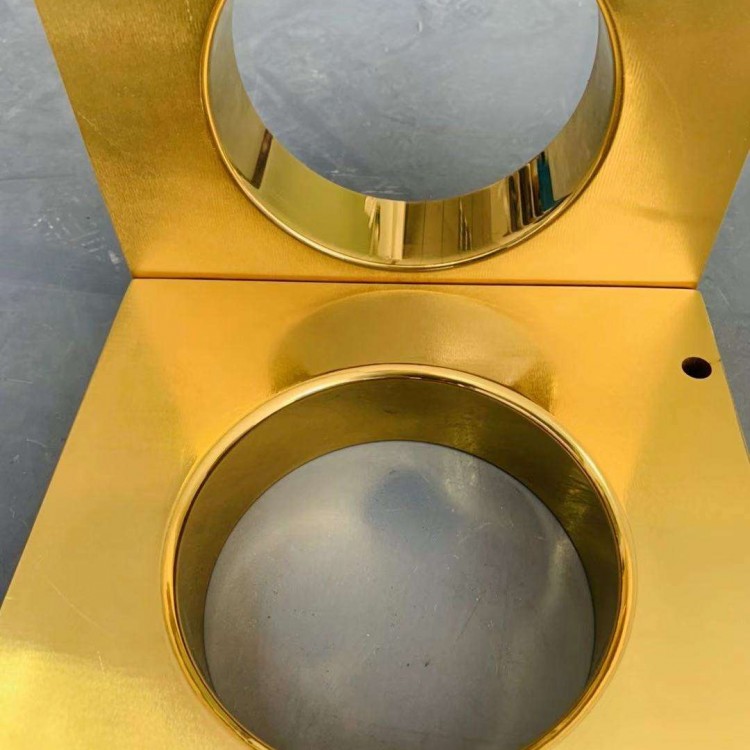
TiAlN coatings and AlTiN coatings are composite coatings obtained by applying a TiN coating with an Al2O3 coating, enhancing the tool coating's high-temperature resistance and ideal for dry cutting. The TiAlN coating contains a higher titanium content, while the AlTiN coating has a higher aluminum content.
Mold wear-resistant coating, combined with an excessive thickness of CVD coating, damages the sharpness of the blade tip, rendering it unsuitable for blades requiring extremely sharp cutting edges. Consequently, over the past few years, market share has gradually been eroded by PVD coatings, particularly for tool coatings.
Wear resistance
Wear resistance refers to the coating's ability to withstand abrasion. Although certain workpiece materials may not be particularly hard, the elements added during production and the chosen processes might cause chipping or dulling of the cutting edges.
Manufacturer of mold wear-resistant coatings introduces the specific explanation of PVD coating process
Tool coating manufacturers are following the rapid development of the manufacturing industry, which has raised higher requirements for CNC machining skills. As manufacturing materials continue to improve in functionality, the use of lightweight and durable materials is increasingly prevalent, leading to higher functional requirements for CNC machine tools and CNC machining skills. Traditional materials often experience instability, damage, and wear from the surface. In contrast, the PVD coatings from tool coating manufacturers combine the characteristics of high strength and flexibility in the hard alloy matrix material with the hardness, wear resistance, and better thermal resistance of the surface coating, making them widely utilized.
The advent of PVD coating technology from a knife coating manufacturer has replaced nitriding chrome. It not only improves the functionality and quality of coated products but also represents a high-tech, zero-emission technique, benefiting environmental management. Moreover, it significantly reduces pollution management costs, offering substantial economic and environmental benefits. Additionally, compared to electroplated chrome, PVD coatings use plasma technology to enhance plasma density, enabling large-scale, stable production. The PVD coatings produced have high adhesion to various substrates and exhibit excellent wear resistance, promising broad market applications and favorable socio-economic benefits.
Specializing in PVD coatings, mold titanium plating, and mold coating production and sales, we select the appropriate coating process based on the customer's specific environment and working conditions. We strive to allow individual products to be coated to their own specifications and continuously develop new coating types, from trial production to mass production, ensuring stable quality and a promise of user confidence!
WeChat Official Account

Scan to follow Official Account