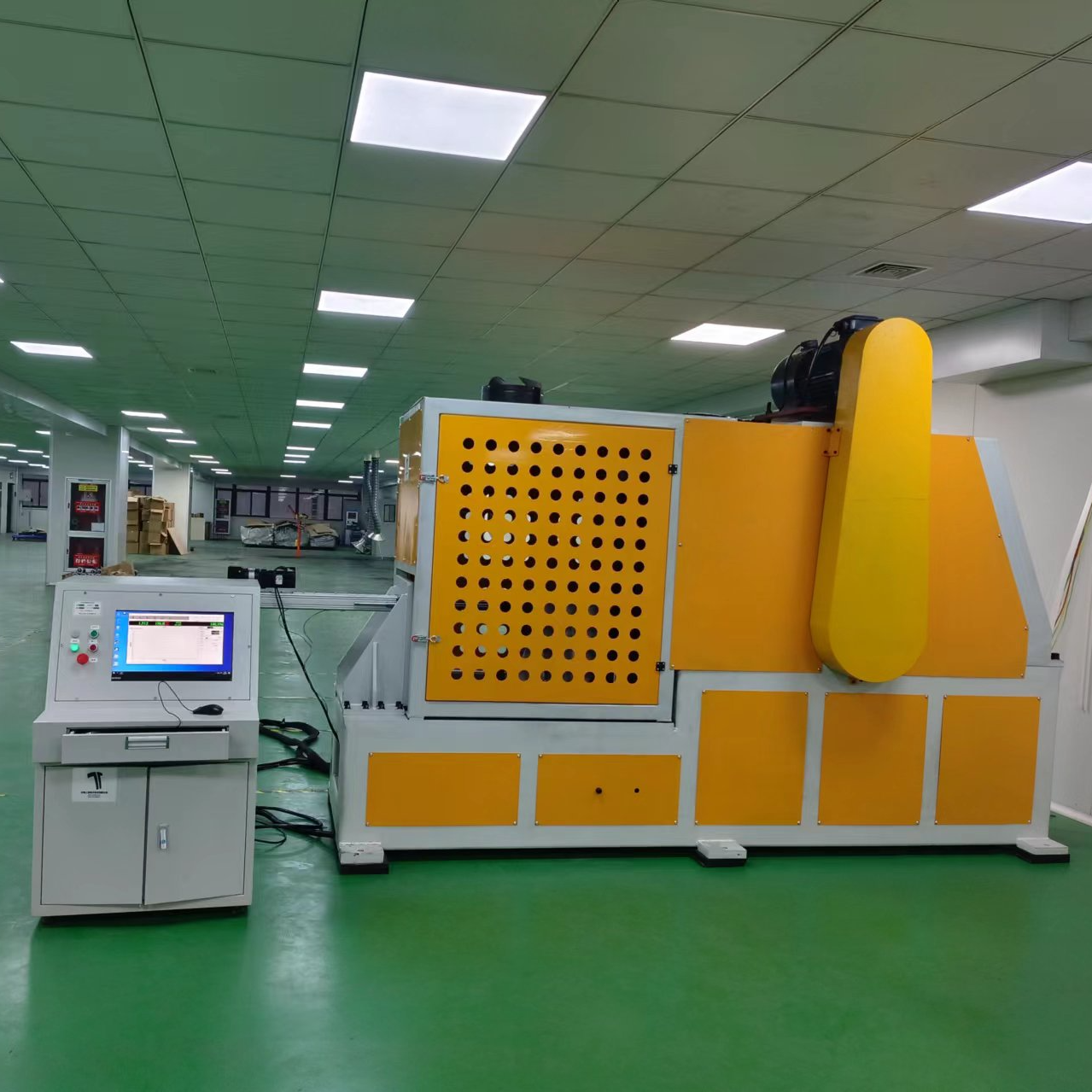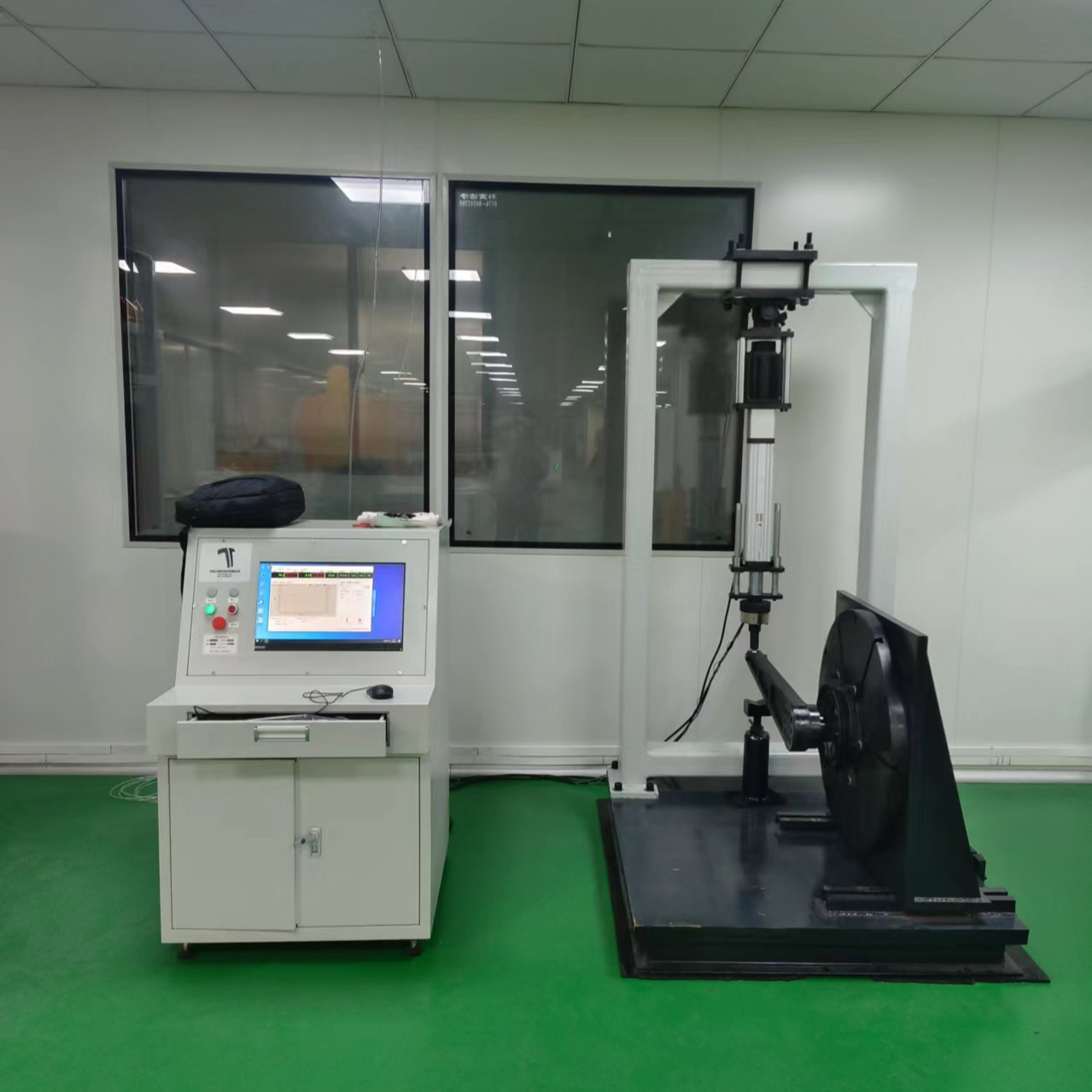


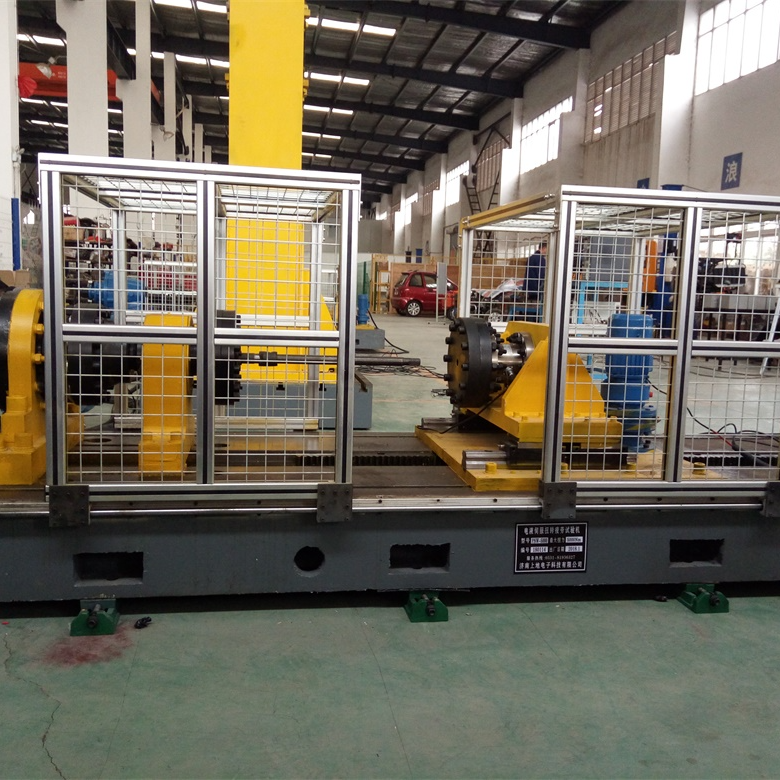
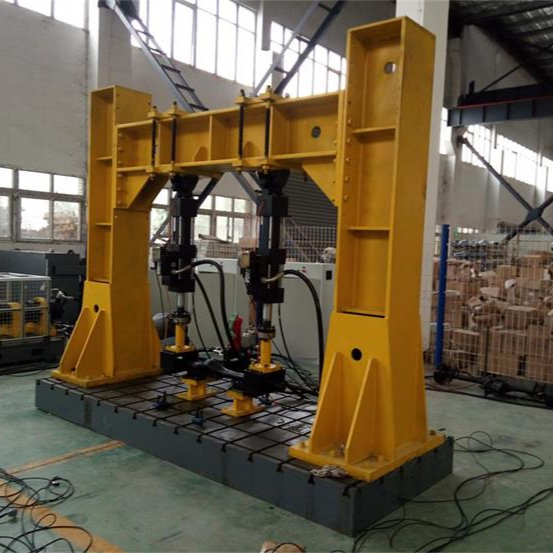
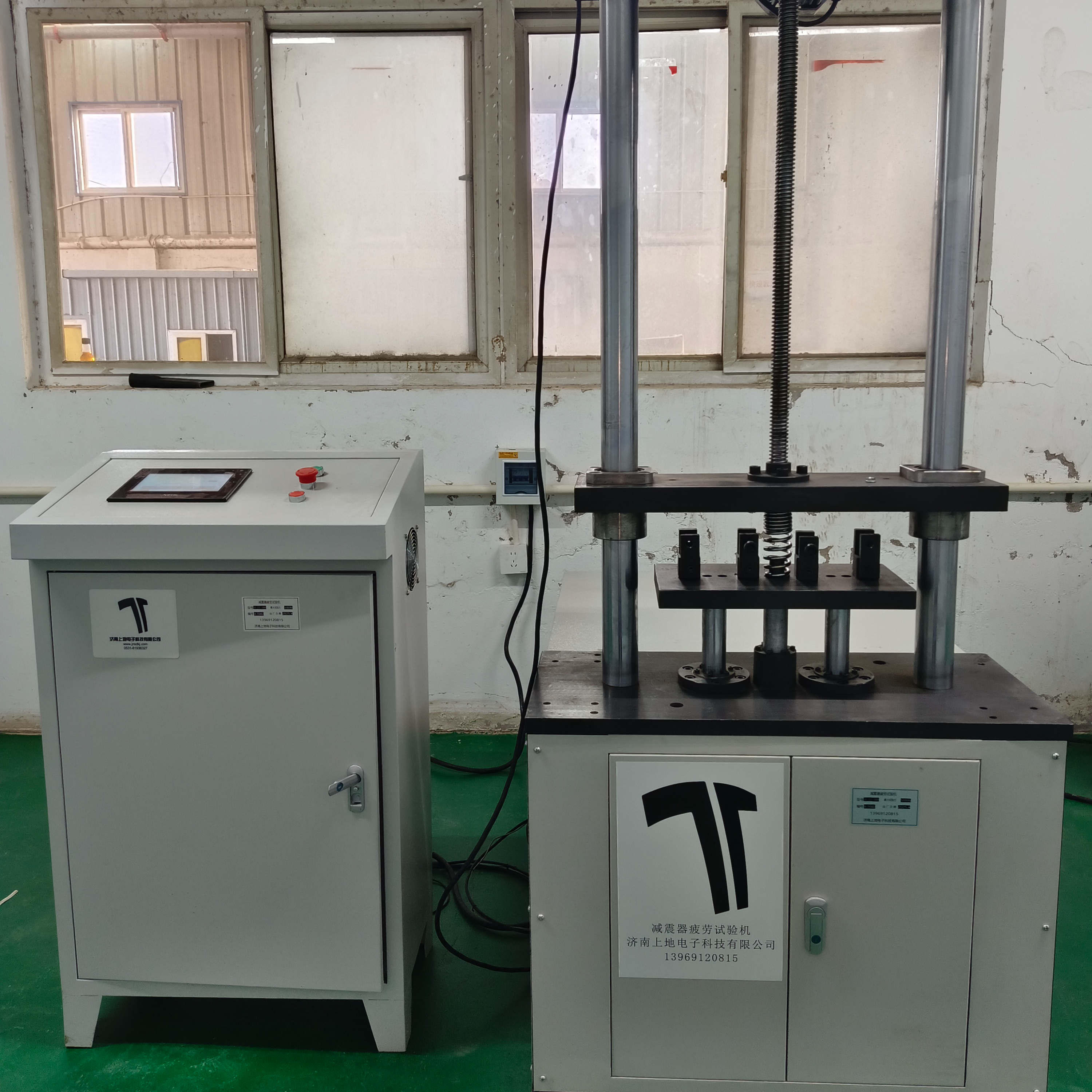
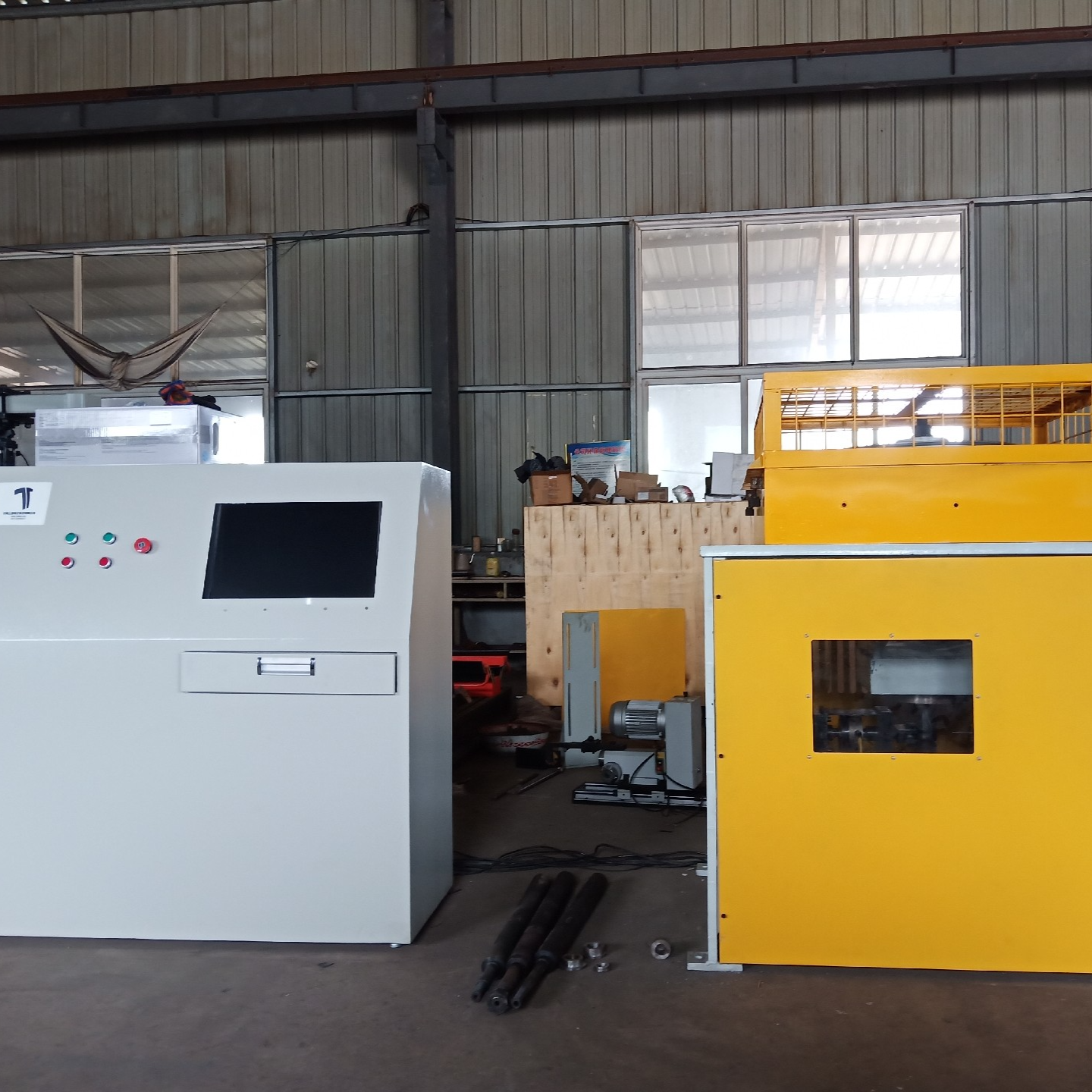
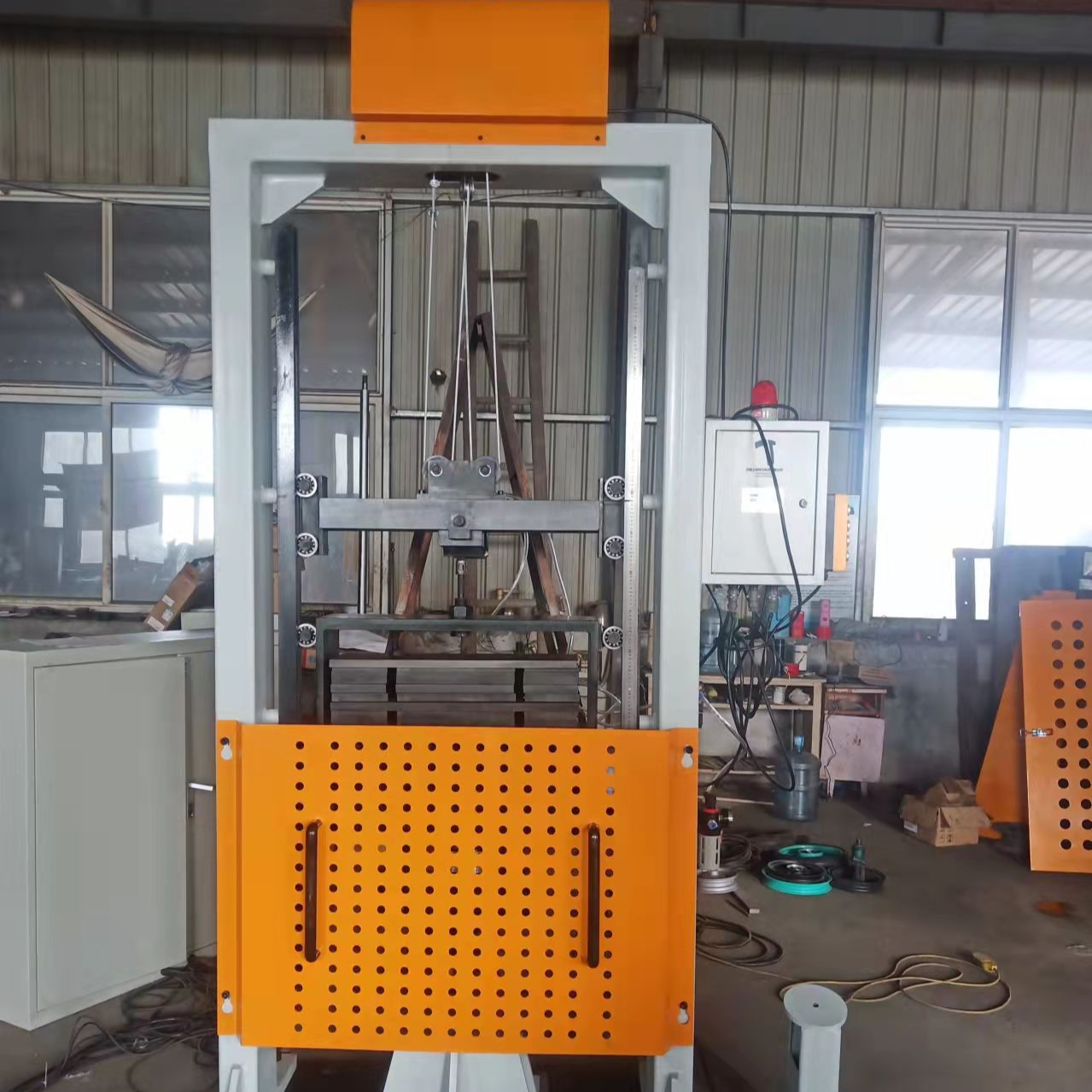







Fuel Cell Servo Pressure Machine - Main Functions:
Precise location control
Precise pressure control
Online display of pressure and position
The press-fitting process can maintain pressure, constant pressure, and can be set for multi-step press-fitting procedures.

Primarily using servo presses for excellent pressure control, touch screen input allows for precise pressure adjustment to any desired level. Fast speed is available when needed, and slow speed can be set as required.
The most critical aspect is that the pressure-fitting process can maintain a constant pressure for an hour or even longer.
Features:
1. All parameters such as clamping force, insertion depth, clamping depth, and holding time can be numerically input on the control panel. The interface is user-friendly and the operation is simple.
2. Compared to traditional pneumatic and hydraulic presses, these models offer over 80% energy savings, are more environmentally friendly, and safer, meeting the requirements for use in dust-free workshops.
3. Customizable, store, and access 100 sets of press-fitting programs. Choose from three press-fitting modes to meet your varied process requirements.
4. Data can be stored on a flash drive via the USB interface, ensuring traceability of product processing data for easy quality control and management.
Fuel Cell Servo Pressure Machine
The distance between the negative and positive poles is a significant factor affecting the槽voltage. As the pole spacing increases, the ohmic voltage drop within the槽 increases, leading to a rise in槽voltage. This voltage loss is particularly severe during high current operations. Modern electrolytic cells employ various measures to reduce pole spacing, such as using diffused anodes and modified diaphragms to create zero-pole distance electrolytic cell structures. The residence time of the electrolyte within the槽 not only impacts the production capacity of the equipment but may also affect the current efficiency of the electrolytic process in some cases, such as in the electrolytic production of sodium chlorate. Due to the slow reaction rate between the intermediate product hypochlorous acid (HClO) and chlorate ions (ClO3), if the electrolyte remains in the槽 for an extended period, it not only reduces the utilization rate of the槽 but also leads to the oxidation of chlorate ions at the anode surface or reduction at the cathode surface, thereby lowering the current efficiency. Therefore, modern electrolytic cell designs strive to minimize volume, allowing the electrolyte to flow rapidly past the electrodes. If further reactions are required, an independent chemical reactor can be installed outside the槽.