

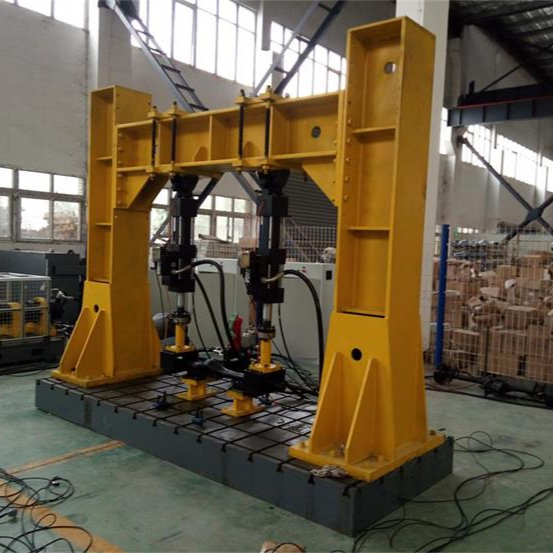
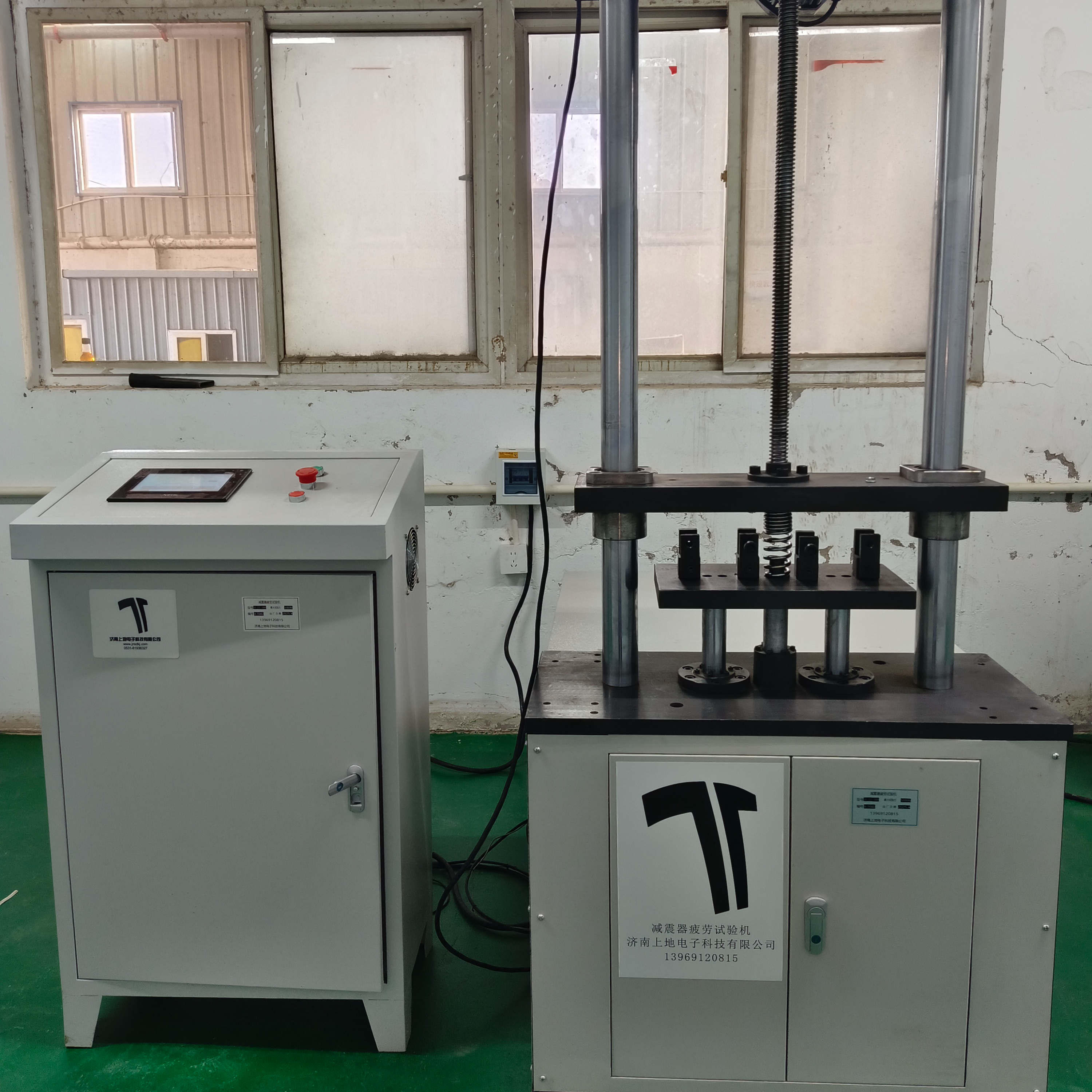
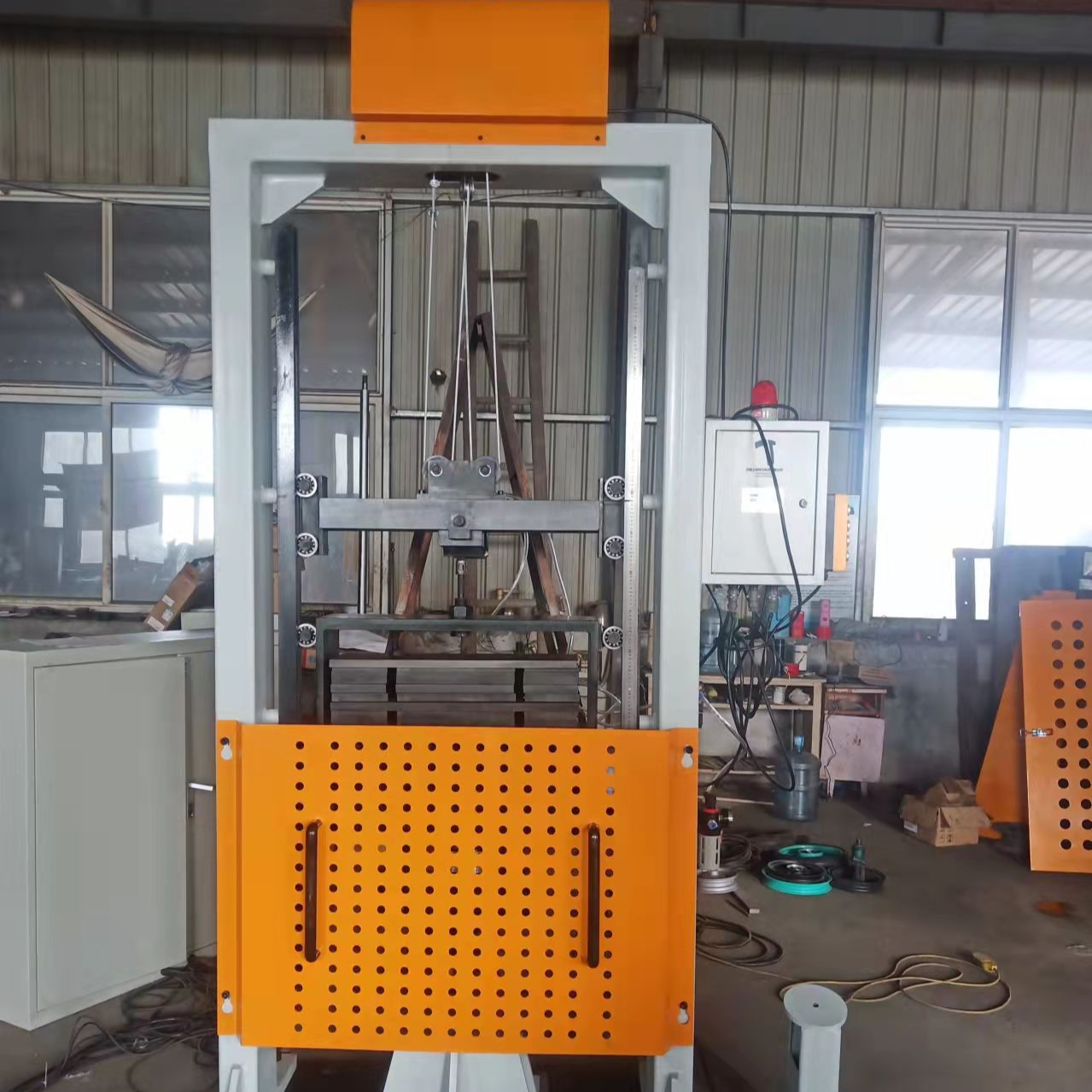







Servo hydraulic press concept
Servo hydraulic presses are also a type of hydraulic press. Simply put, traditional hydraulic presses use standard motors, which are prone to overheating and damage. Servo hydraulic presses employ high-quality servo motors, commonly from brands like Huazhong, Daikin of Japan, and Delta Electronics. The servo motor is paired with a servo pump and a servo driver, among other components. This design effectively addresses issues of motor overheating, energy consumption control, and noise reduction during machine operation.

Advantages of Servo Hydraulic Presses
Energy-saving and emission reduction: Hydraulics and electrical control use intelligent servo energy-saving systems, saving electricity by 50%-70%.
2. Safety Precision: Each machine is equipped with infrared safety light curtains, effectively protecting operators. Servo intelligent control ensures the machine's repeat positioning accuracy is ±0.03mm, and pressure error is ±1%.
3. Low Failure Rate: Servo intelligent control system, eliminating unnecessary work, oil temperature does not easily rise, and there is no negative pressure in the oil circuit system, significantly reducing failures and extending the service life of hydraulic components. Electrical equipment features automatic failure alarm and one-button reset function.
4. Durable and Stable: The frame is constructed with an integrated framework structure, and the sliders are guided by precise railways, ensuring strong shock resistance and lateral pressure resistance. The entire machine is stable and precise, suitable for various processes such as dropping, forming, and extrusion.
5. Easy Maintenance: The entire unit is designed in modular structure with different functional modes, making it easy to disassemble and assemble. General malfunctions can be directly viewed on the touch screen for simple repair.

Servo hydraulic presses are the future trend in hydraulic press development.
Low heat generation in machinery
Due to the absence of overflow heating in the hydraulic system of servo-driven hydraulic presses, there is no flow when the slider is stationary, thus no hydraulic resistance heating. The heat generated by the hydraulic system is typically 10% to 30% of that in traditional hydraulic presses. Because of the lower heat generation, most servo-driven hydraulic presses do not require a hydraulic oil cooling system, while those with higher heat can be equipped with a low-power cooling system. Thanks to the pump's characteristic of being at zero speed most of the time and generating minimal heat, the oil tank of a servo-controlled hydraulic press can be smaller than that of a traditional hydraulic press, and the oil change interval can be extended. Therefore, the amount of hydraulic oil consumed by servo-driven hydraulic presses is generally only about 50% of that of traditional hydraulic presses.