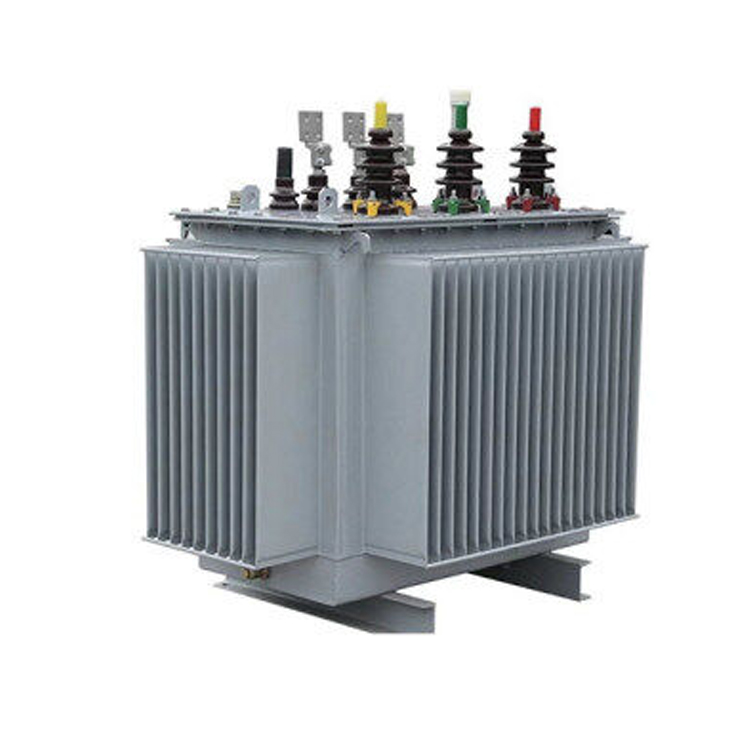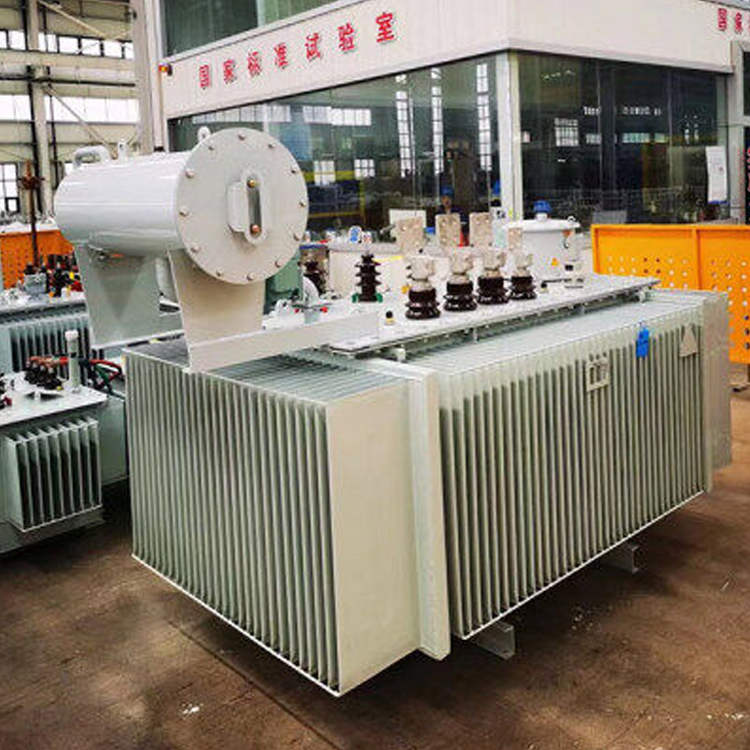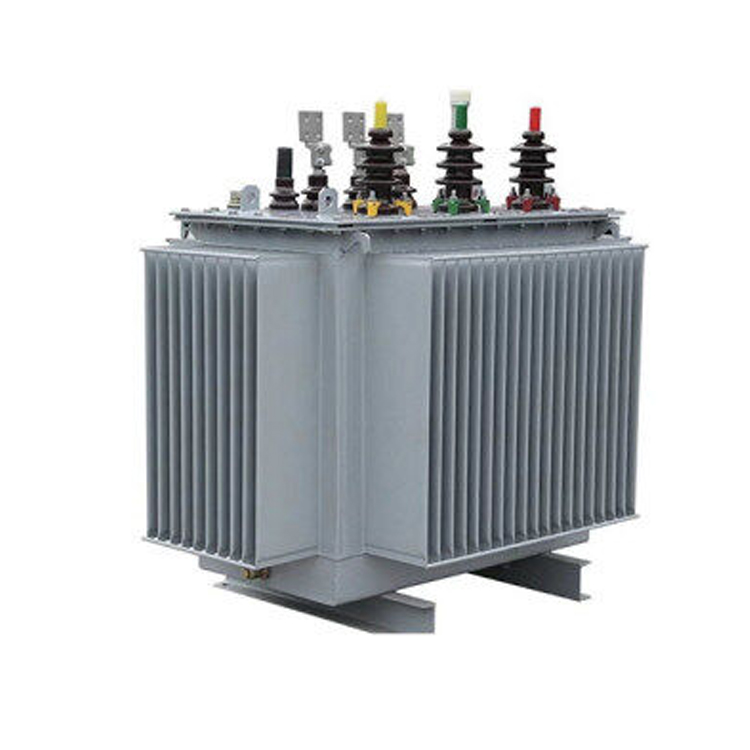

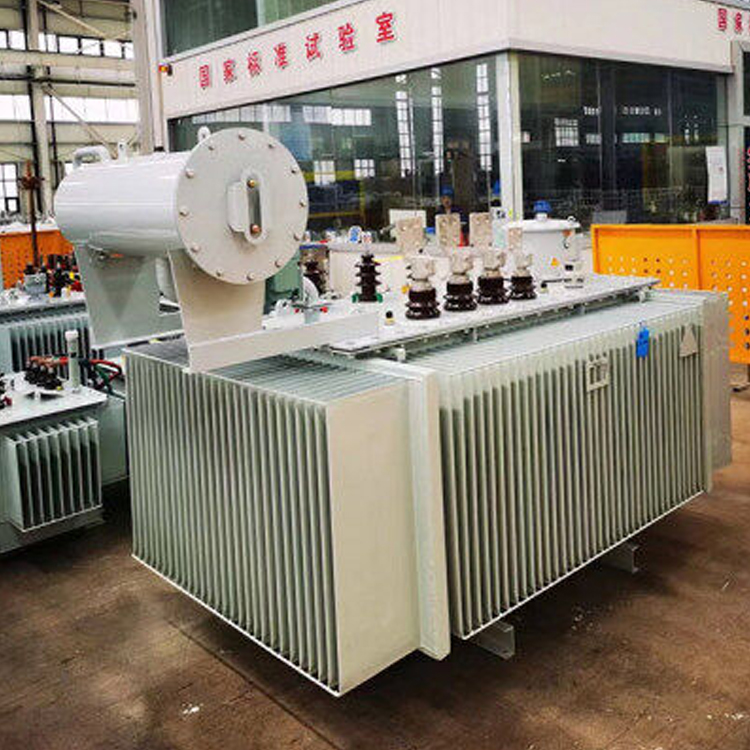







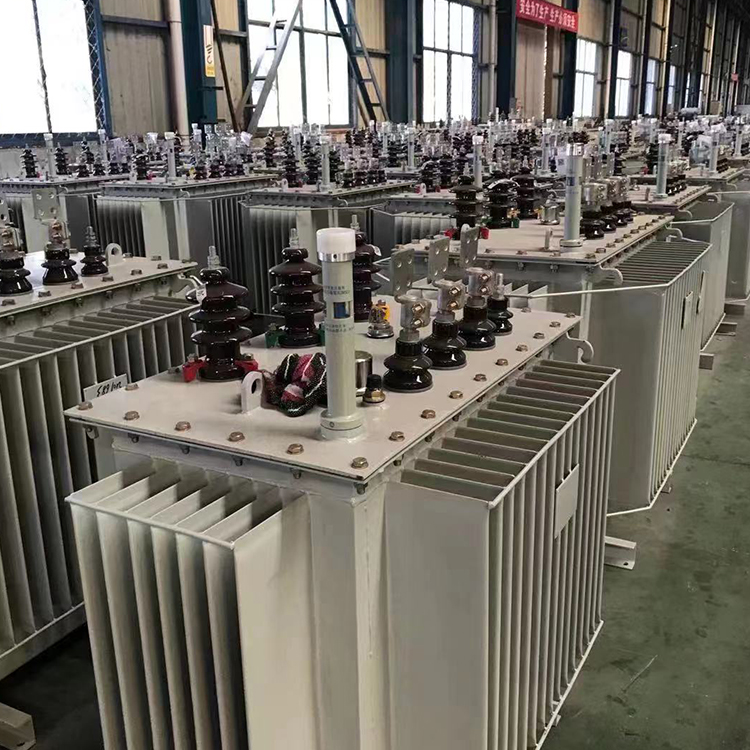
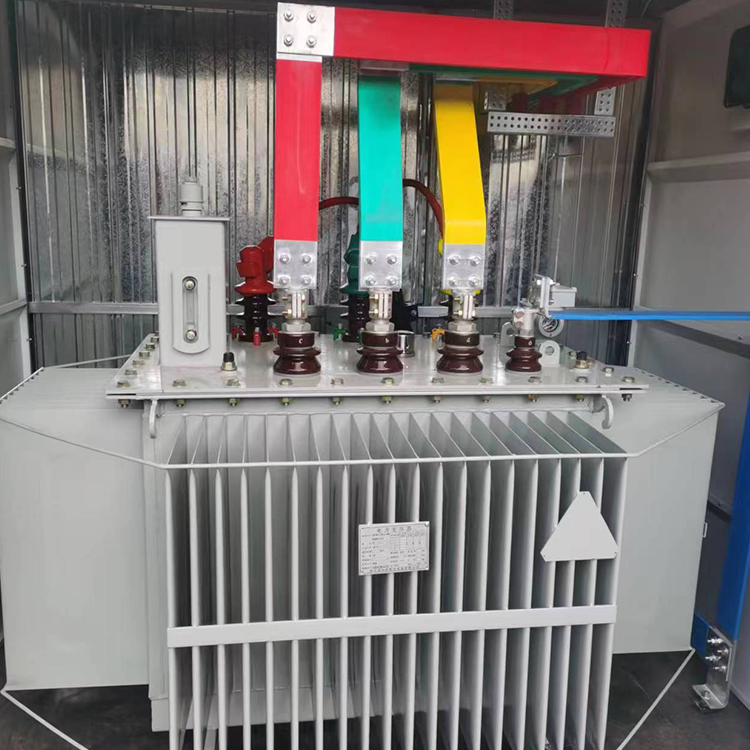
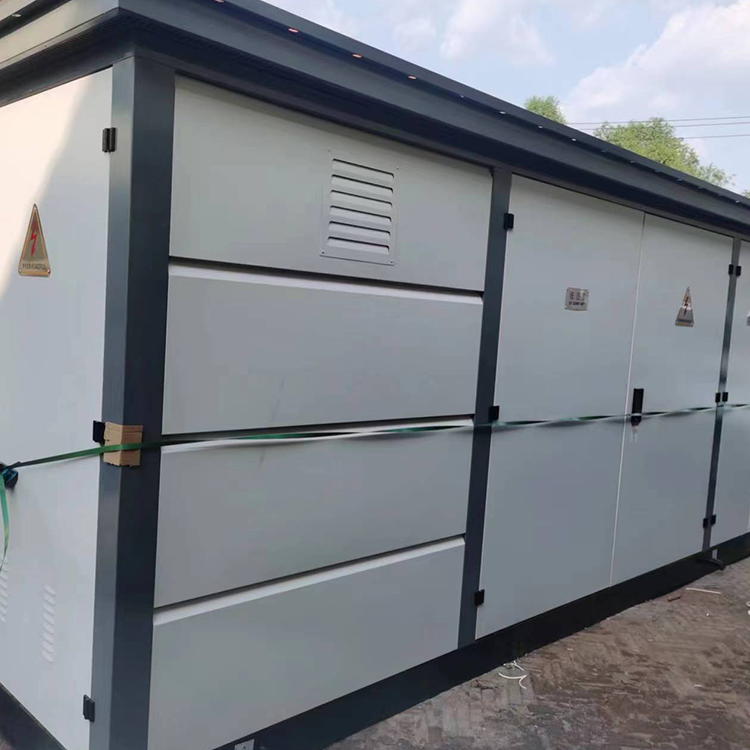

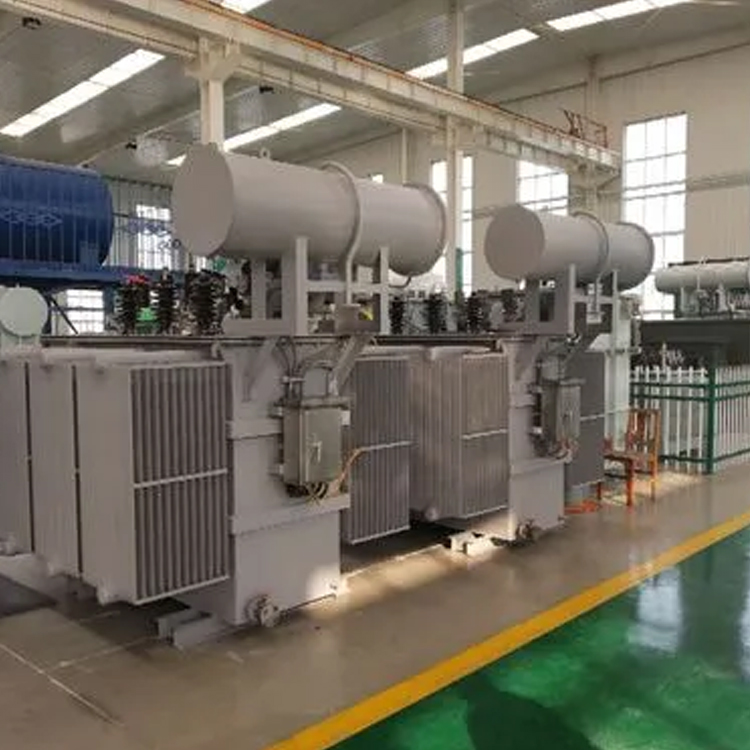
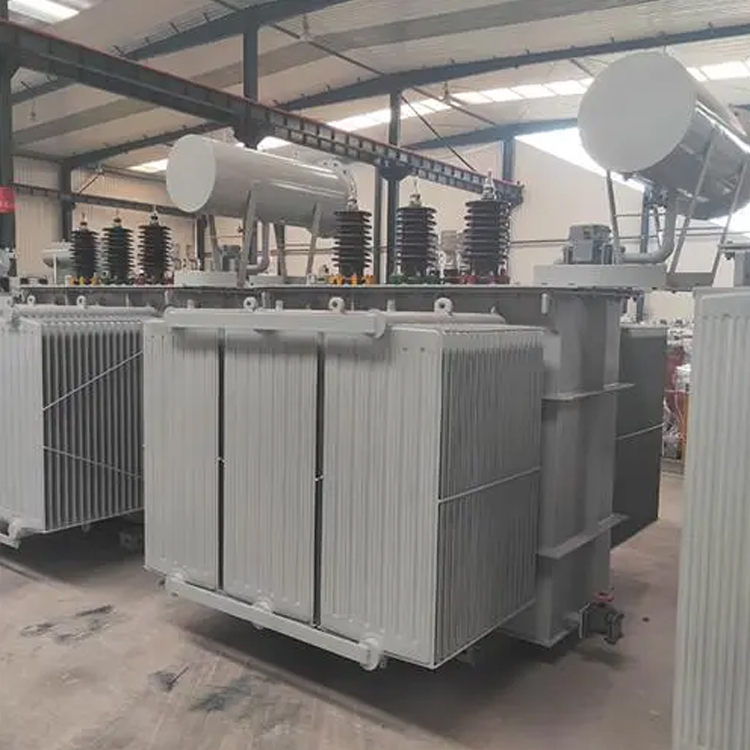
Transformers are devices that utilize the principle of electromagnetic induction to alter alternating voltage. Their main components include the primary winding, secondary winding, and iron core (magnetic core). Their primary functions include voltage transformation, current transformation, impedance transformation, isolation, and voltage stabilization (magnetic saturation transformers).
Transformers can be categorized by their applications, including: distribution transformers, power transformers, fully sealed transformers, modular transformers, dry-type transformers, oil-immersed transformers, single-phase transformers, electric furnace transformers, rectifier transformers, reactors, anti-interference transformers, lightning protection transformers, transformer testing transformers, corner transformers, high-current transformers, excitation transformers, etc.
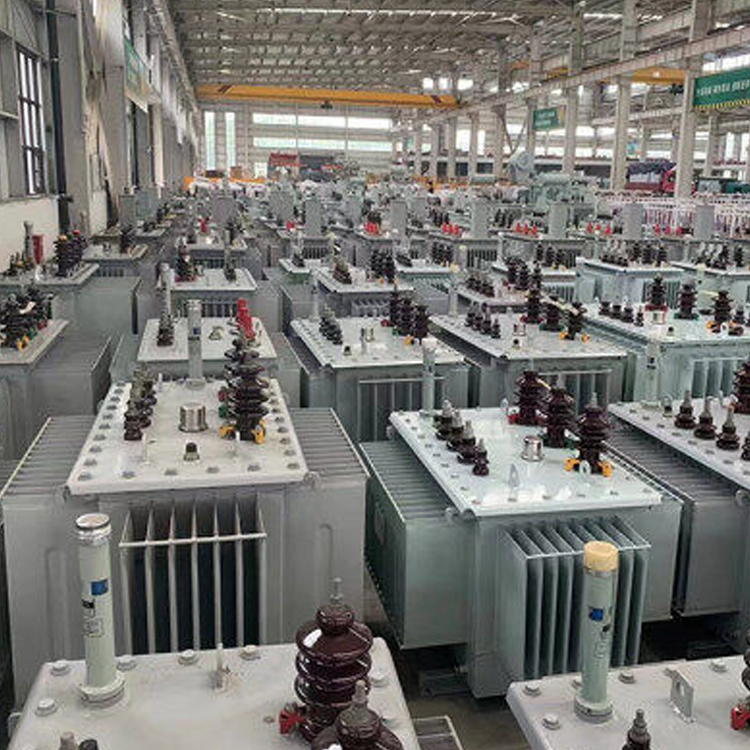
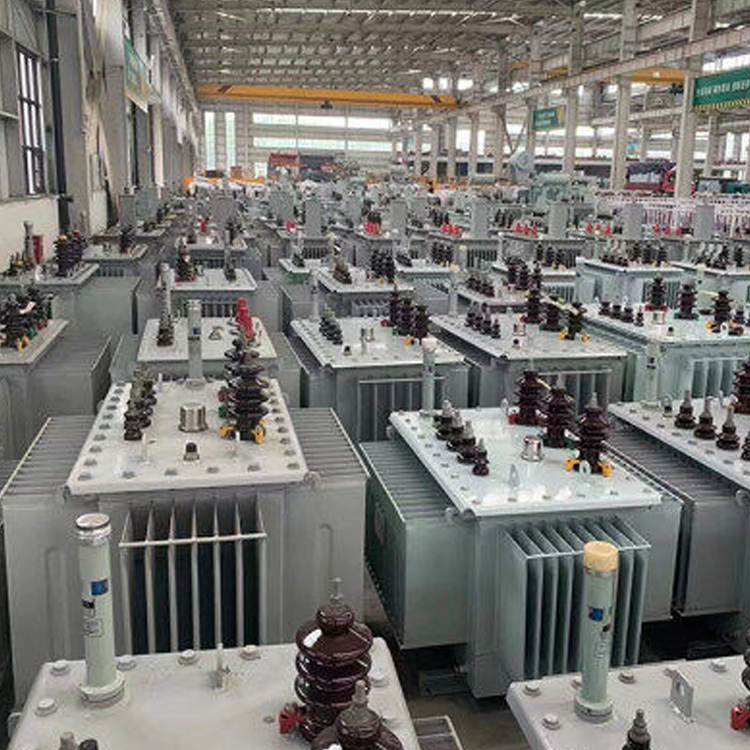
Transformers are fundamental equipment for power transmission and distribution, widely used in industries, agriculture, transportation, urban communities, and more. There are approximately 17 million transformers in operation in our country, with a total capacity of about 11 billion kilovolts-amps. Transformer losses account for about 40% of the power transmission and distribution losses, presenting significant potential for energy saving.