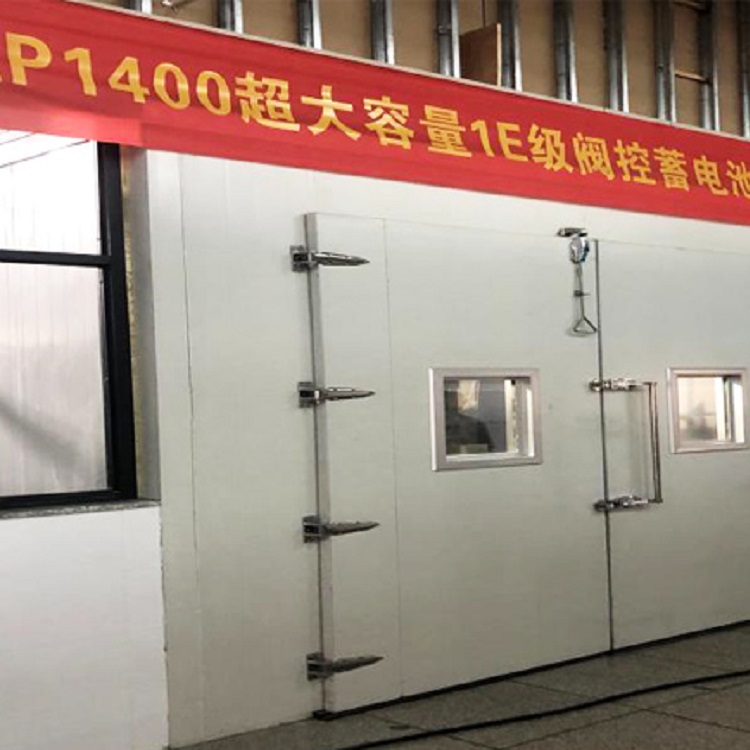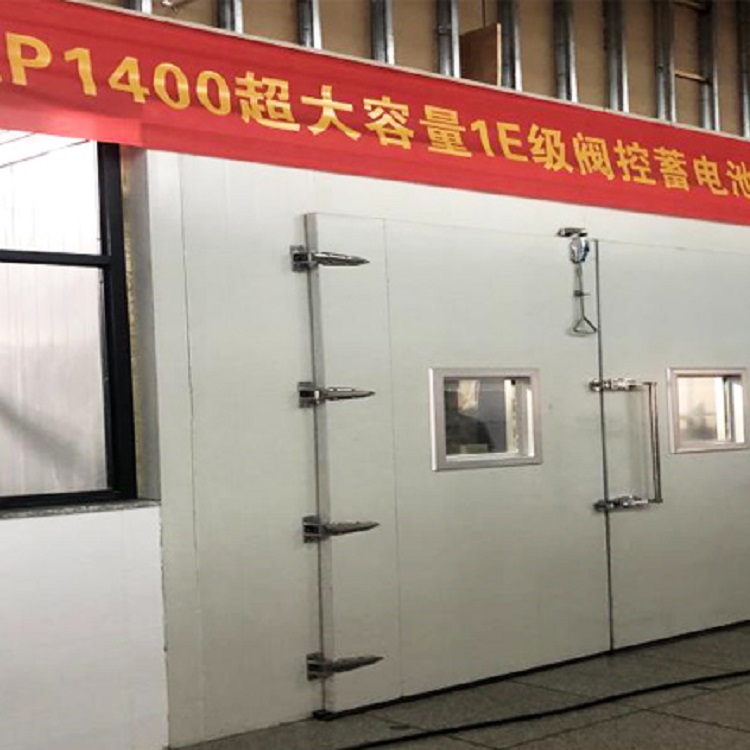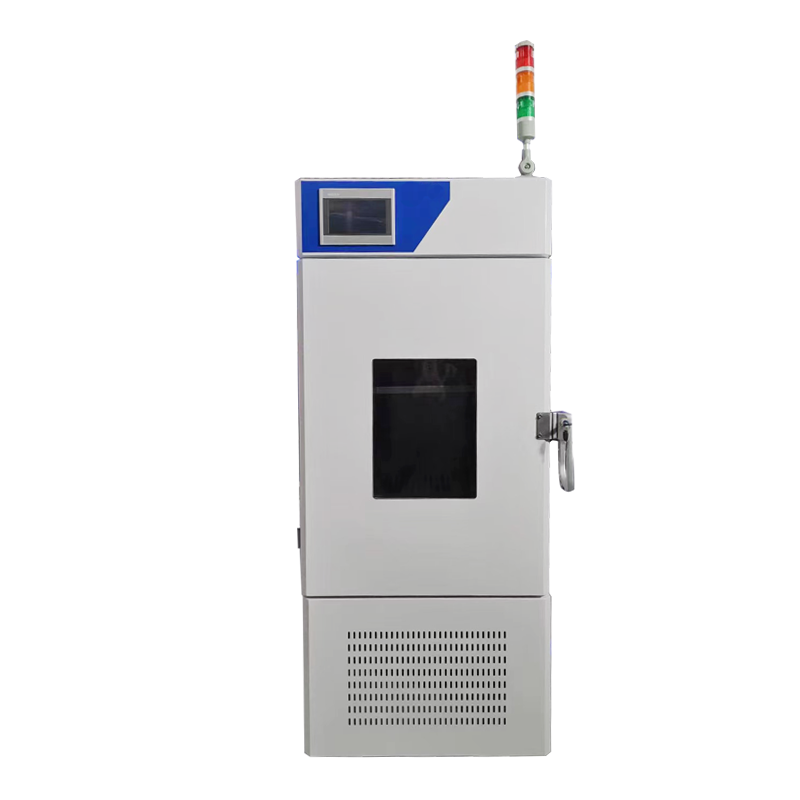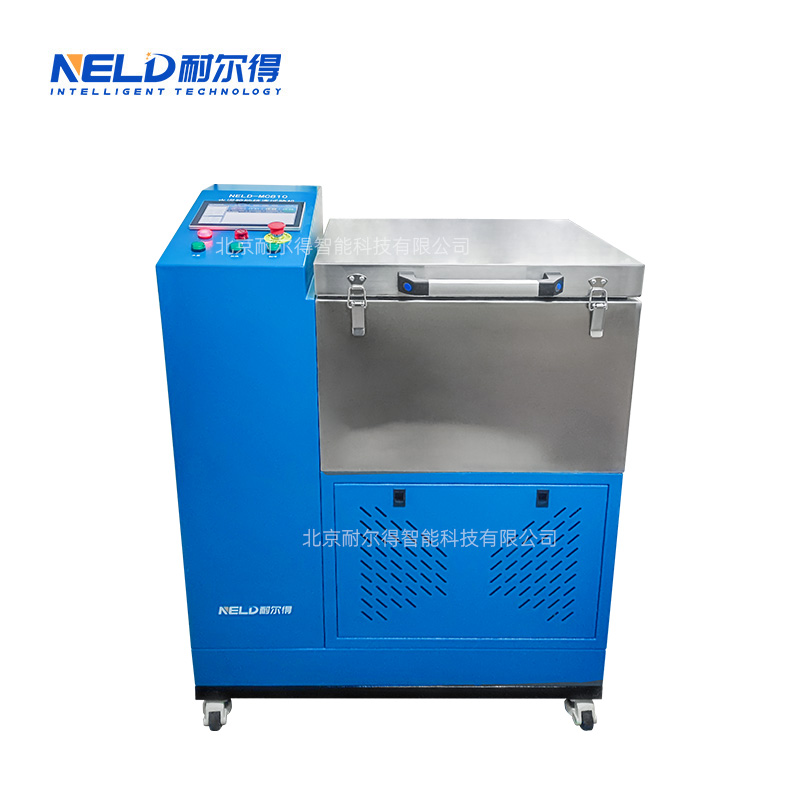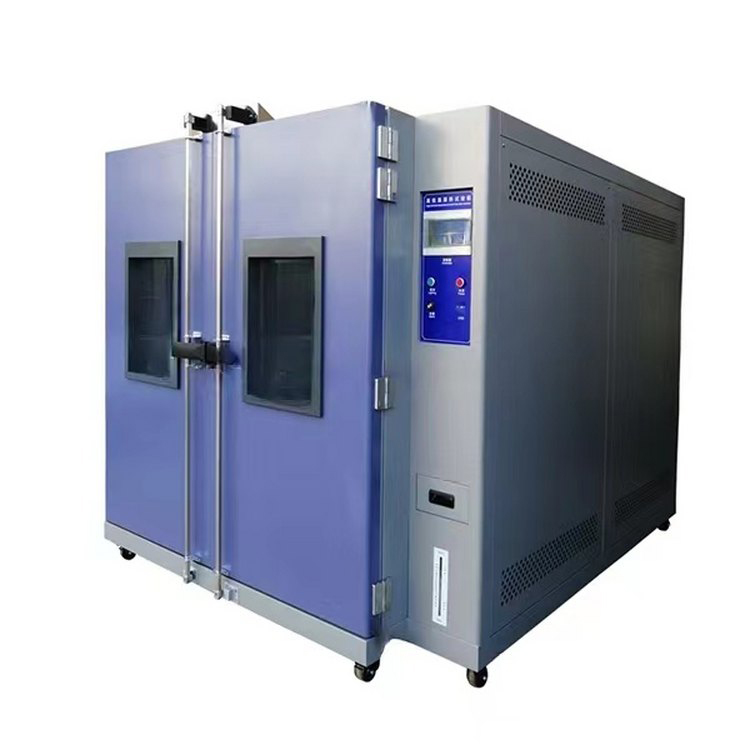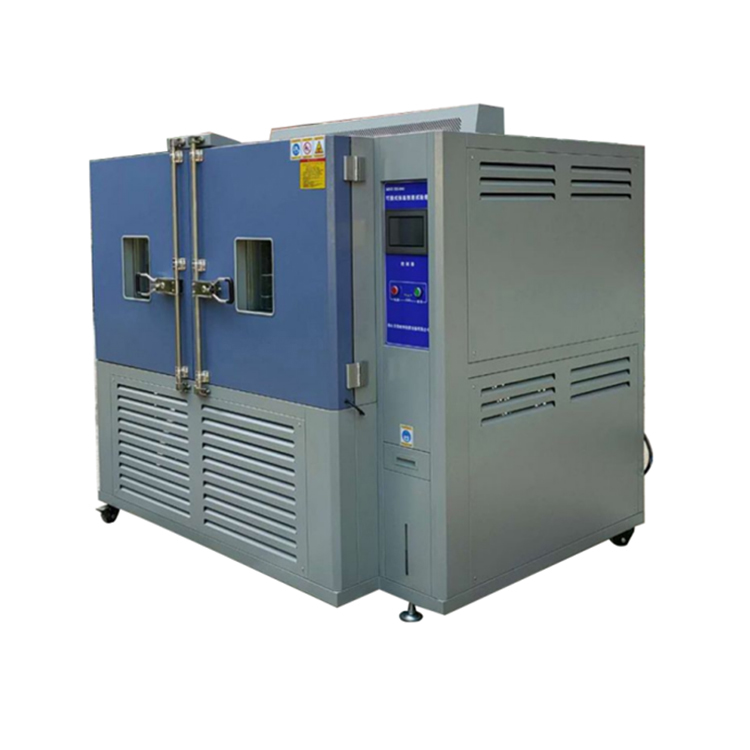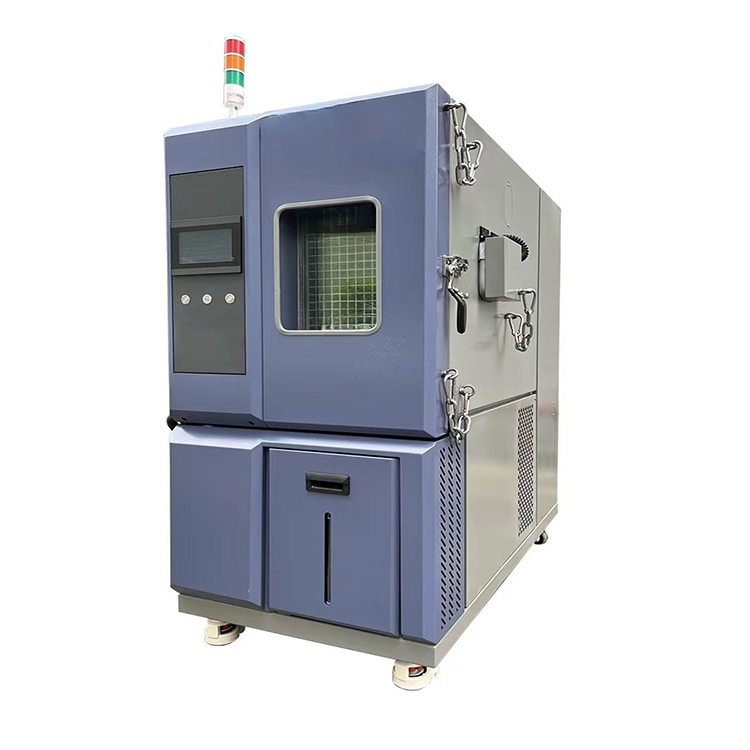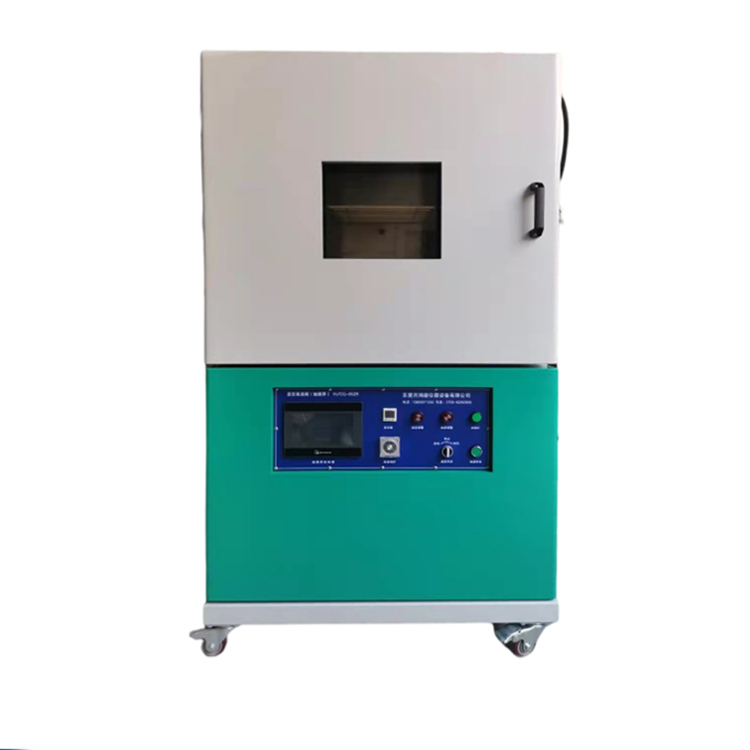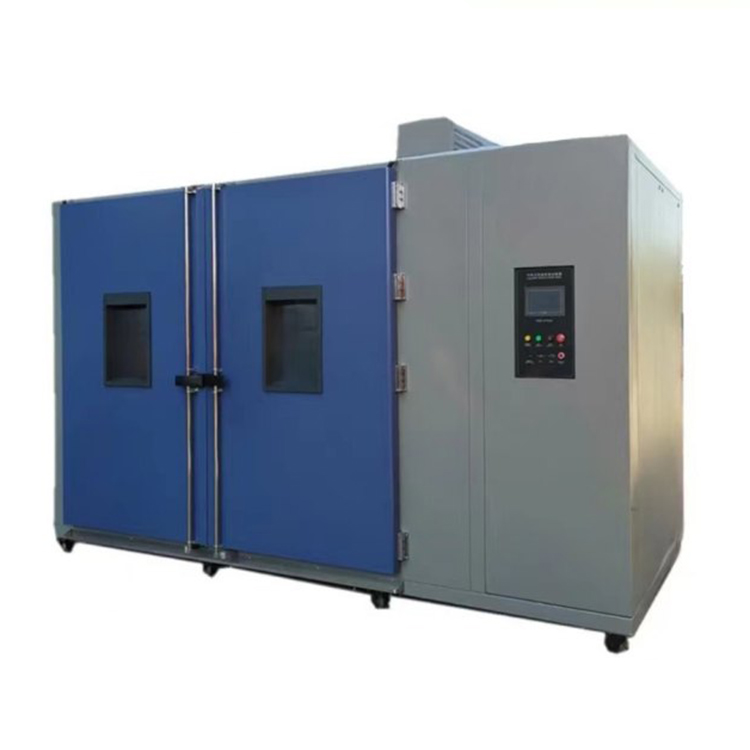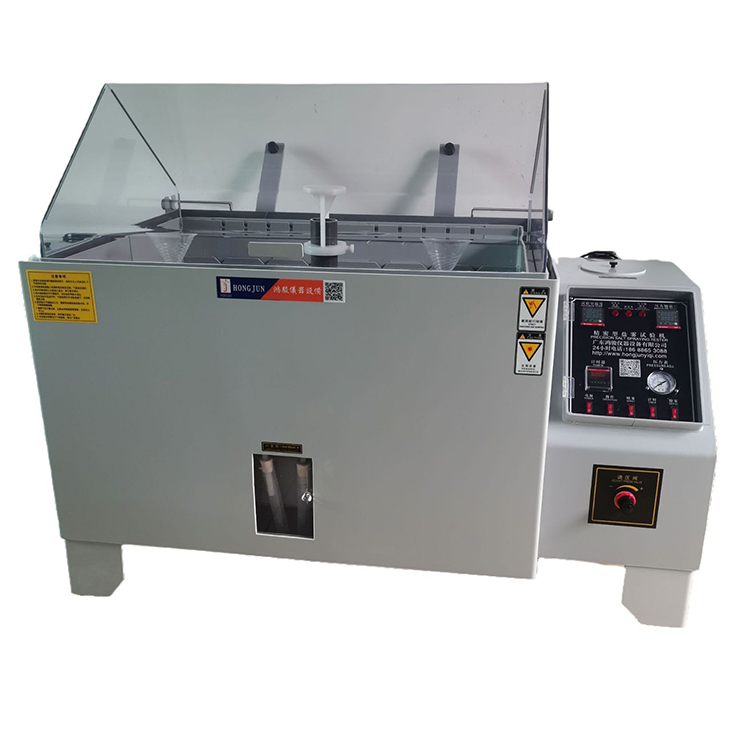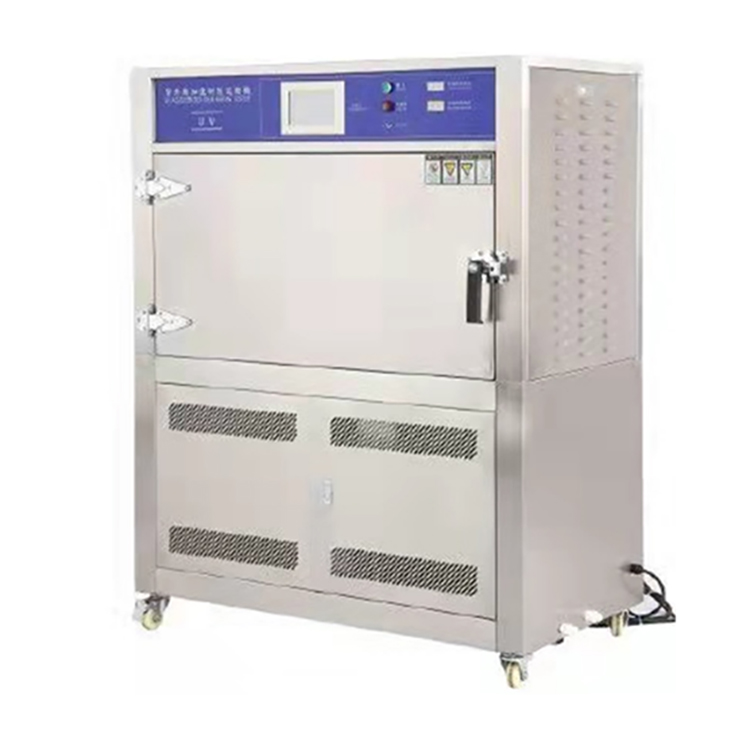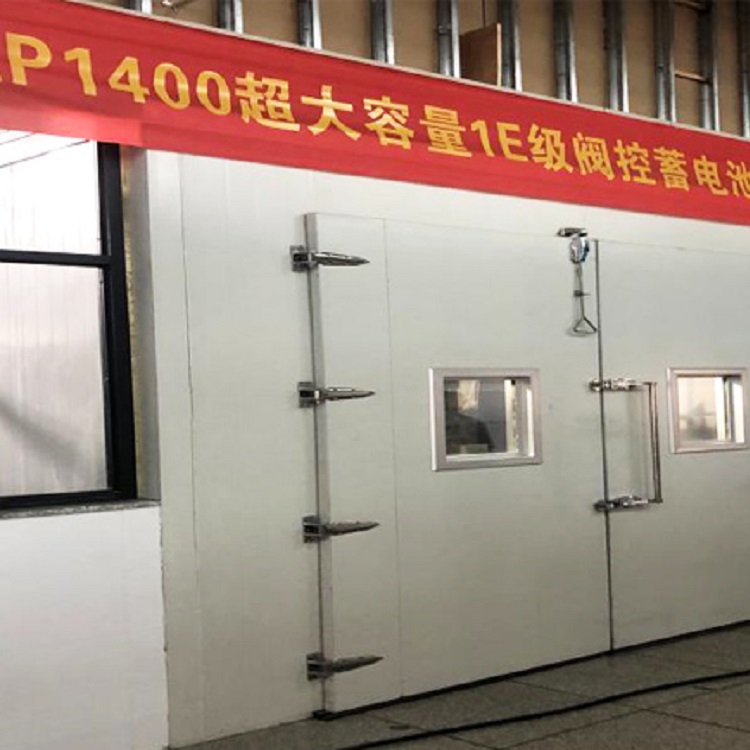


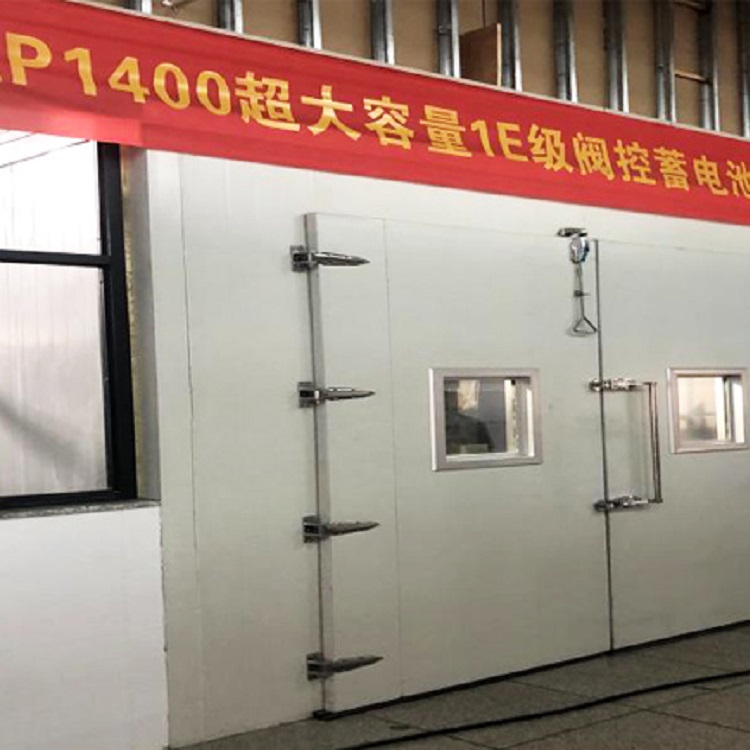


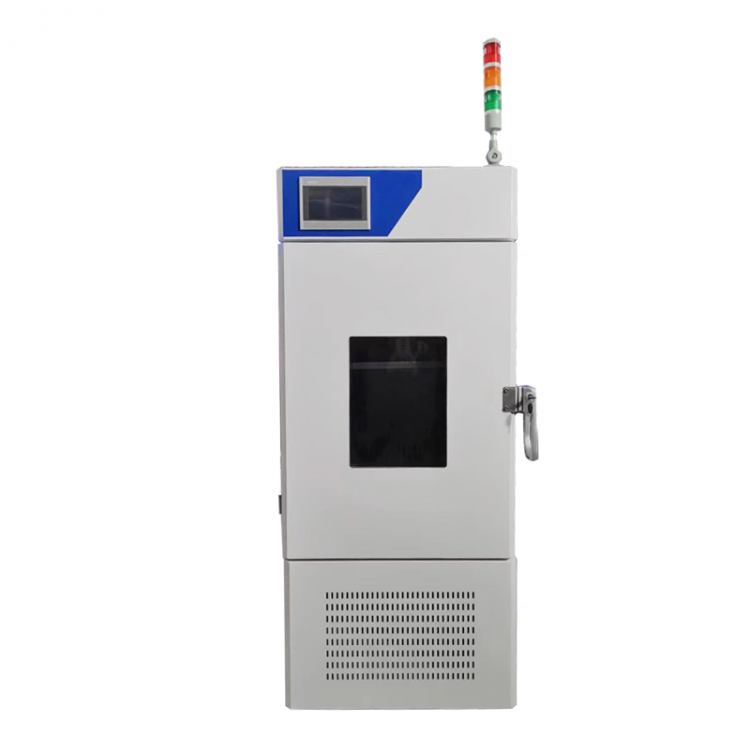
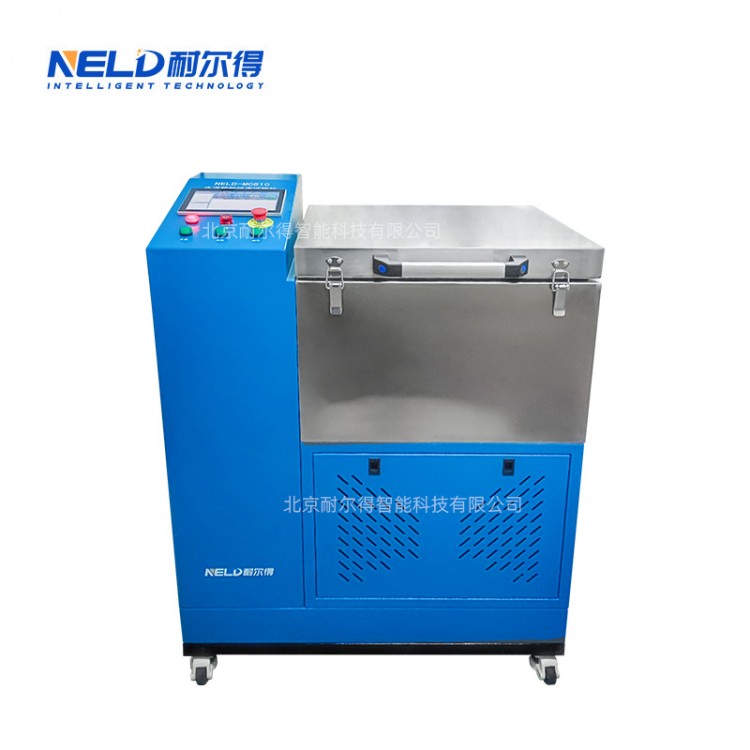
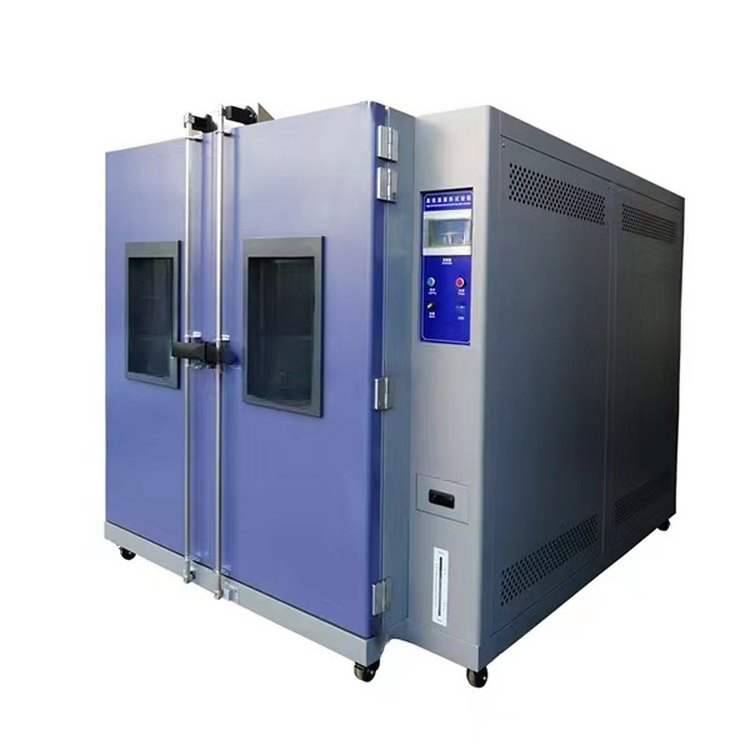
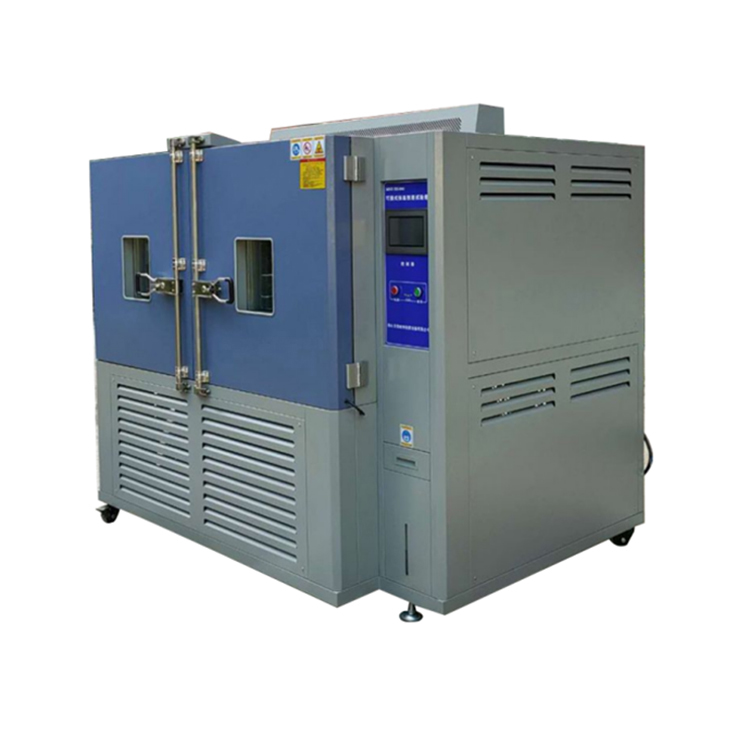
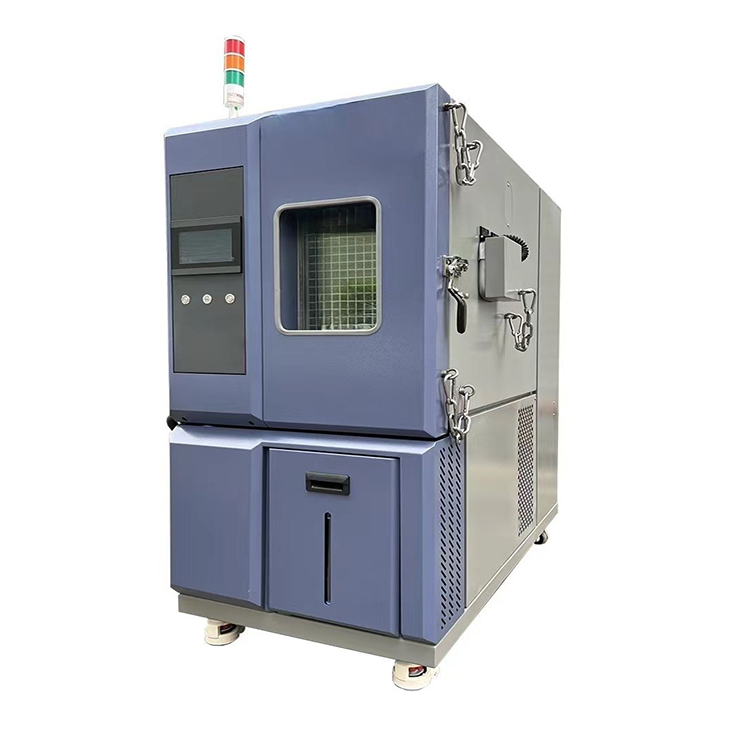





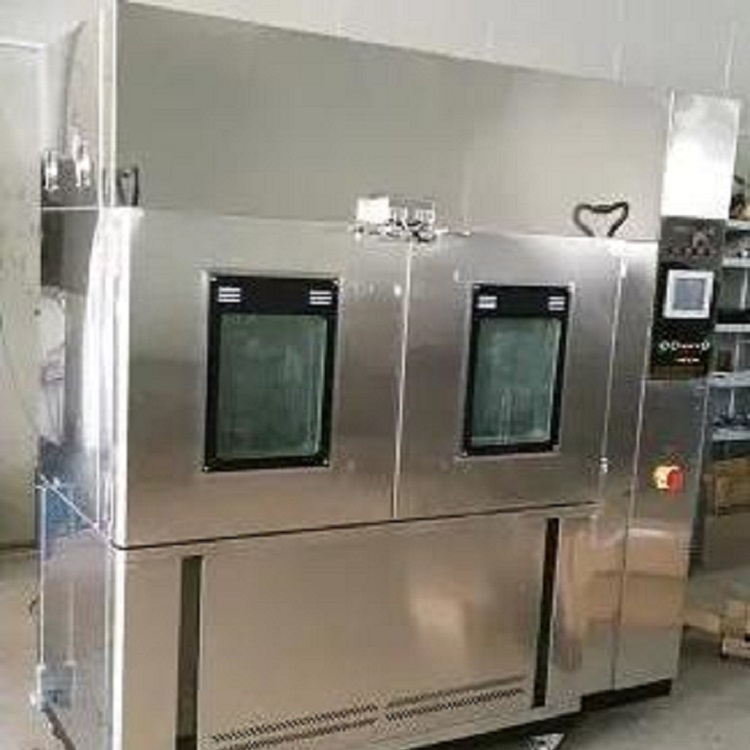

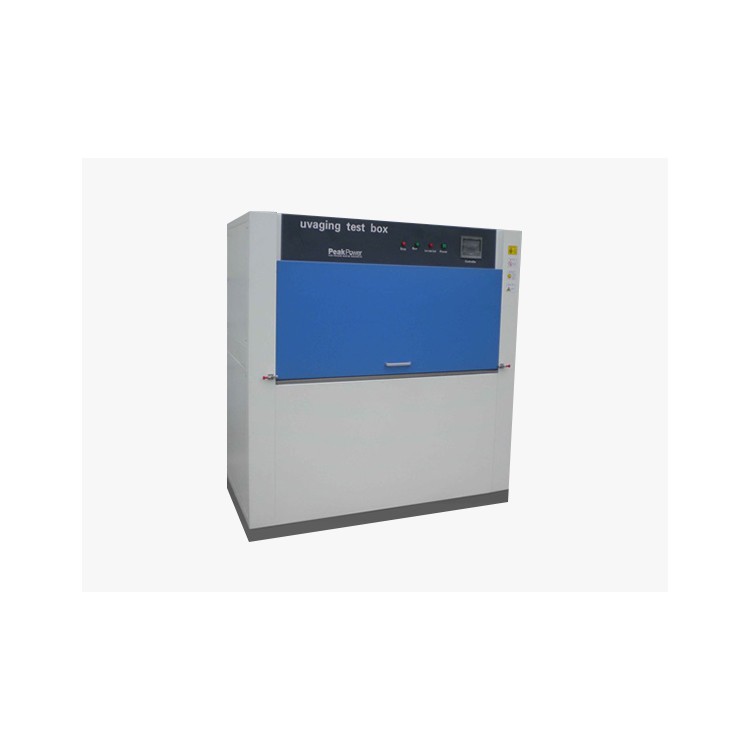

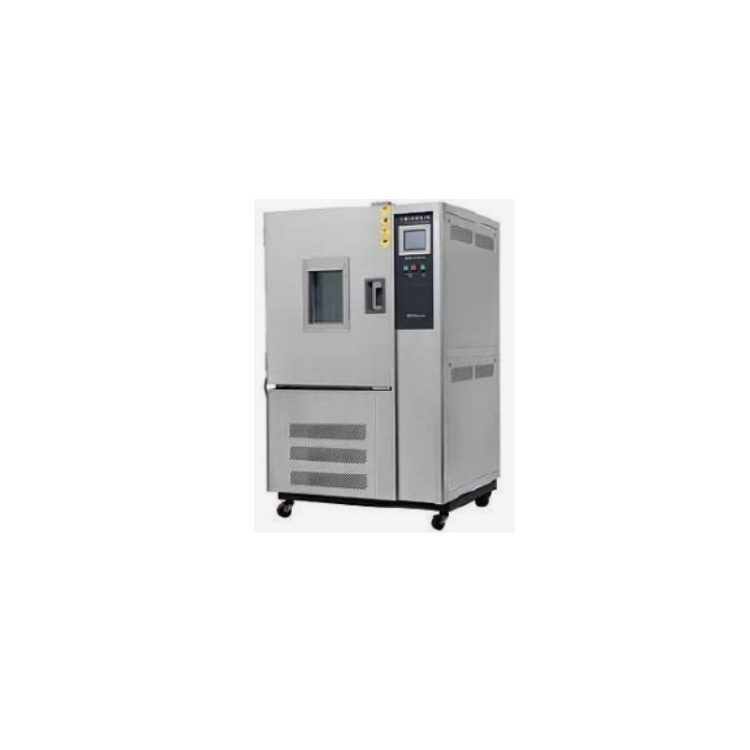
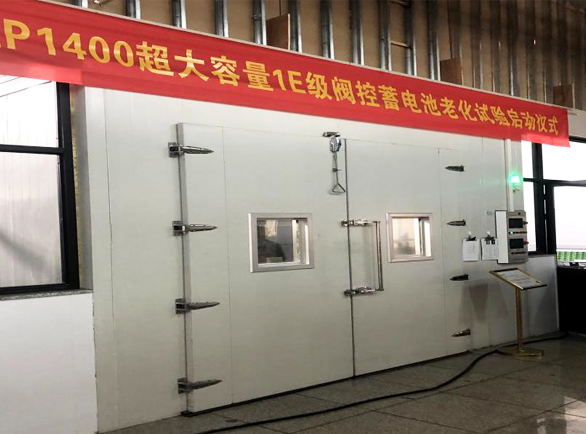
I. Product Introduction: A恒温试验室 is a device that simulates high-temperature and harsh environmental tests for high-performance electronics such as complete computers, monitors, terminals, automotive electronics, power supplies, motherboards, monitors, and switch-mode chargers, thereby enhancing product stability and reliability. It is a crucial experimental equipment for improving product quality and competitiveness, and an essential production process. This equipment is widely used in industries such as power electronics, computers, and communications.
Model and Dimensions
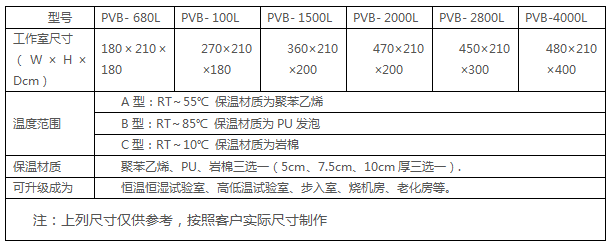
III. Main Technical Parameters:
Temperature Range: RT ~ +45°C, 55°C, 65°C, 80°C, 90°C, 100°C
2. Temperature Fluctuation: ±0.5℃
3. Temperature Deviation: ≤2℃; (Data measured under no-load condition at 45℃)
4. Operation Mode: Temperature adjustable, constant operation (programmed run).
5. Heating Power: Determined by the size of the aging room.
6. Power Supply Installation: 380V; 50 Hz; If the power supply is 220V, the currentPlease provide 120A for us to install.
Four: Control Systems and Safety Protection Measures:
1. The electrical control design refers to the "Code for Design of Low-Voltage Power Distribution" GB50054-95, the "Code for Design of Power Supply and Distribution" GB5002S2-95, and the "Code for Construction and Acceptance of Grounding Systems for Electrical Installation Works" GB50169-92, ensuring standardized electrical control design.
2. Integrated System Control Aging Function Design. The design features control of the electrical cabinet, with aging time, temperature, and various operation switches operable from a single control cabinet; the cabinet panel is aesthetically pleasing and easy to operate.
3. The aging process can be fully automated with partial anomaly self-handling capabilities, making operations automated and simplified.
Turn off power to the circulating fan, electric heater, etc.; the aging room will cool down by itself and continue to age. Once the total aging time is reached, the yellow warning light will illuminate, indicating the aging process is complete.
b. Over-temperature Protection Control. Automatically shuts off power to the product when the temperature exceeds the product's aging temperature limit, to prevent overheating and aging that could affect its performance; simultaneously, an alarm buzzer sounds and a red warning light illuminates. Power is automatically restored when the temperature returns to normal.
4. Multi-protection features for safety and reliability.
a. Electric heat with dry burn prevention; automatically cuts off the entire power supply and activates the alarm when the fan malfunctions or the air duct temperature is too high.
b. Electric heating and fan联动 design, the heater cannot be activated independently if the fan fails to start.
c. Heaters are connected with high-temperature-resistant wire, non-combustible at 300℃.
d. Indoor installation of 60W explosion-proof lighting fixtures, enhancing bulb longevity and preventing bulb explosion.
e. The storage body is made of flame-retardant thermal insulation material, offering excellent thermal insulation properties and a high safety factor.
f. Over-temperature Audio-Visual Alarm Function: If an over-temperature condition occurs during the aging process, the red light will illuminate and the buzzer will sound.
V. Description of Room Structure and Materials Used:
The main system material is initially EPS sandwich panel, with the product's combustion performance meeting the requirements of Grade B2 in the "Classification of Combustion Performance of Building Materials."
1. Wall Materials: The container is constructed with double-sided color steel thermal insulation panels (EPS computer color) assembled on all five sides, supported by fixed aluminum alloy beams, and edged with aluminum profile plates. The ground is not treated, and sealant is applied at the joints to ensure the room's airtightness. Aging vehicles can be placed inside as required.
2. Door Opening: W 800×1800mm (double door or single door, as per requirement)
3. Observation Window: 350×600mm, tempered glass, installed on the main door, allowing for real-time observation of the indoor working condition during the aging process (or as per customer requirements).
4. The heater is placed in the circulating air duct on the roof of the aging room, surrounded by fire-resistant insulation materials. It is controlled by a PID temperature module. Once the desired temperature for the product is reached, the heater's power is automatically adjusted according to the indoor temperature fluctuations to complement the insulating properties of the thermal storage panels, ensuring the room temperature remains stable at the set temperature value.
Section 6: Air Conditioning System
The wind pipe system conforms to the standard GB50243-2002 for the Quality Acceptance Code of Ventilation and Air Conditioning Construction.
1. The hot air recirculation system utilizes the bottom-to-top return circulation concept, with high-capacity fans forcibly transporting air.
2. The wind systems are divided into exhaust and recirculating systems. The two systems operate independently.
3. The ventilation system expels excess heat from the indoor space to the outside when the indoor temperature exceeds the required temperature for the product.
4. The ventilation system employs a combined design concept of ducts and fans, with the circulating fans continuously creating a convectional circulation of air within the room; ensuring uniformity of indoor temperature.
5. The heater is installed at the top of the aging room. It uses PID control to dynamically adjust the electrical heating output power based on the indoor and outdoor temperatures after the desired product temperature is reached, ensuring precise control of the room temperature.
6. quieter ≤65dB, better ensuring a comfortable office environment and work conditions for operators.
Section 7: Measurement and Control System
Temperature Measurement: PT100 Temperature Sensor.
2. Control Instruments: Imported, high precision digital temperature controller, PID adjustment, accuracy 0.1.
3. Output Control: Solid State Relay (SSR) output.
4. Electrical Control Box: Set of one, featuring mainly imported components such as Schneider, Omron, etc.