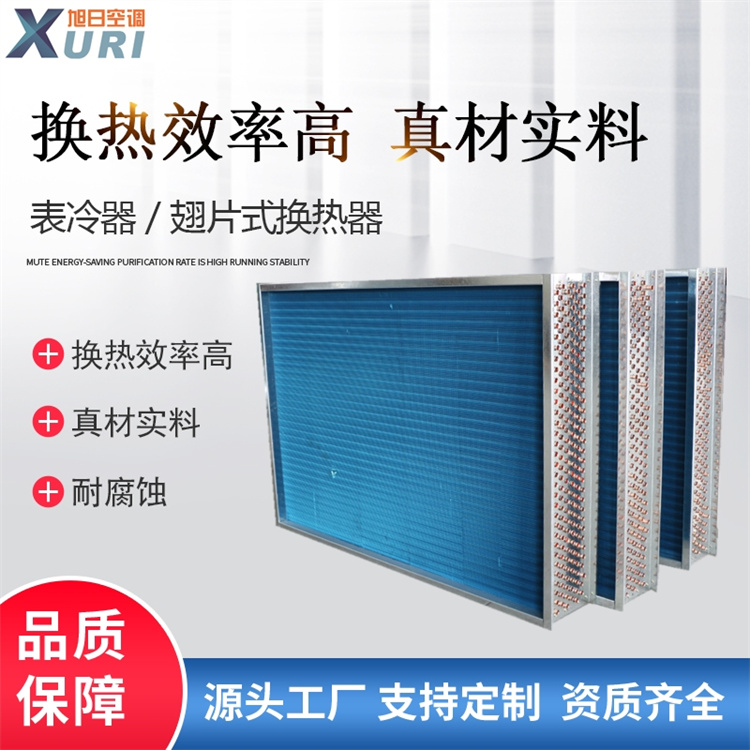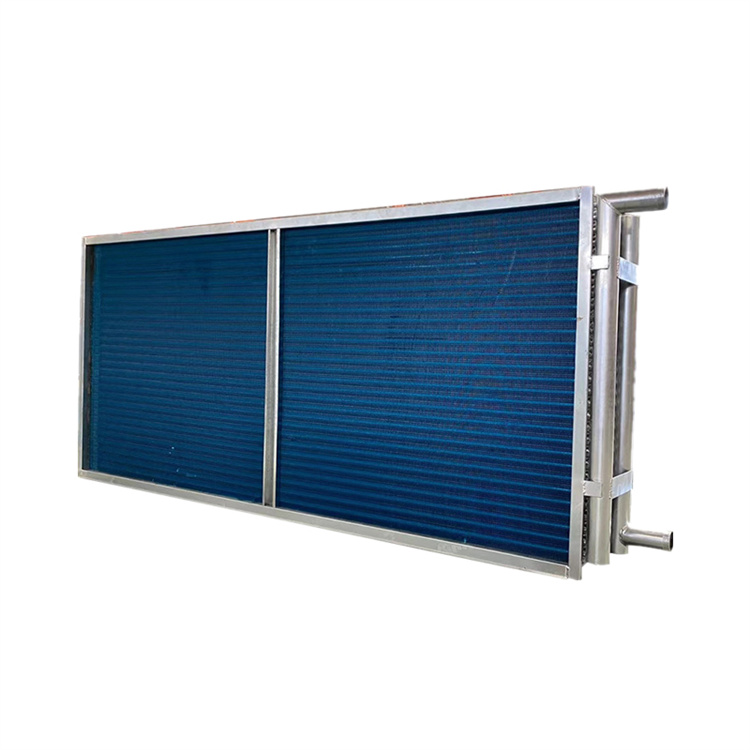

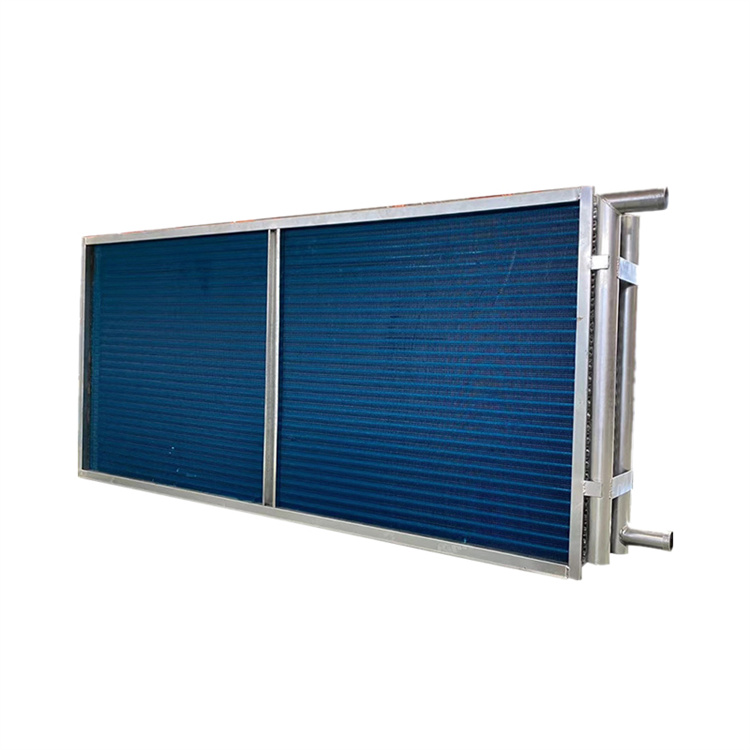
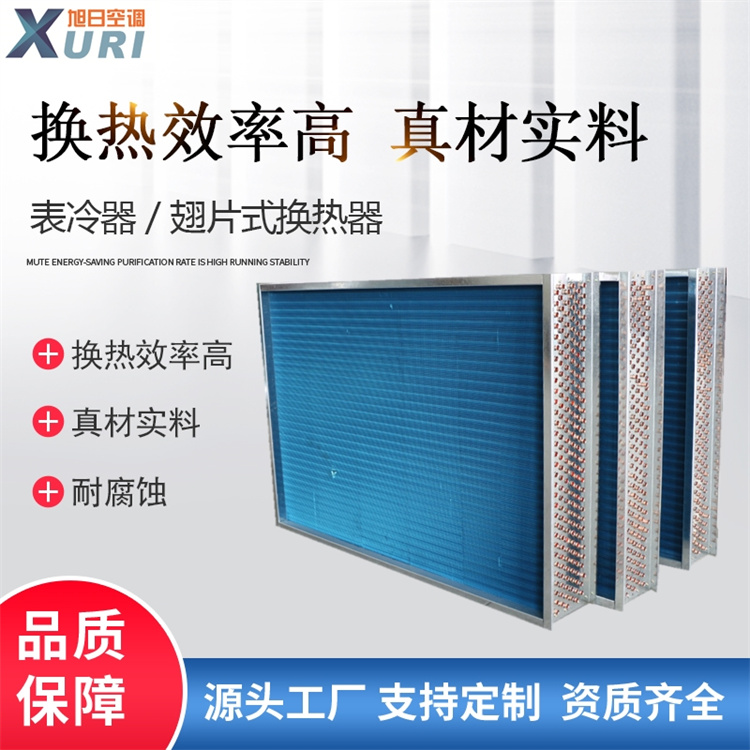









The heat and moisture exchange of the evaporative cooler occurs between the bulk air and the boundary layer air tightly adhering to the exterior surface of the heat exchanger, driven by the temperature difference and the vapor pressure difference. It can achieve two air treatment processes: when the temperature of the boundary layer air is lower than the dew point temperature of the bulk air, a dehumidification cooling process, also known as a wet cooling process (wet condition), occurs; when the temperature of the boundary layer air is still lower than that of the bulk air but higher than its dew point temperature, an isothermal cooling process, also known as a dry cooling process (dry condition), occurs.
During the dehumidifying cooling process, not only is there a temperature difference between the boundary layer air and the main air, but also a difference in vapor pressure of water vapor. Therefore, not only sensible heat exchange occurs at the heat exchanger surface, but also latent heat exchange accompanying moisture exchange. It can be concluded that the surface cooler in a humid condition has a greater heat exchange capacity than in a dry condition, or in other words, for the same surface cooler, when the dry bulb temperature and water temperature of the air being treated remain constant, the higher the wet bulb temperature of the air, the greater the cooling and dehumidifying capacity of the surface cooler.
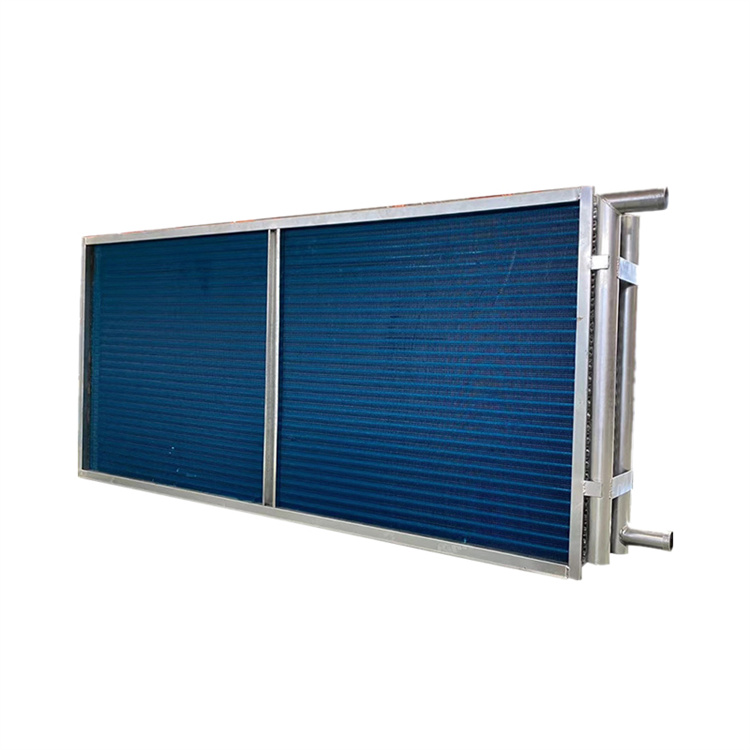
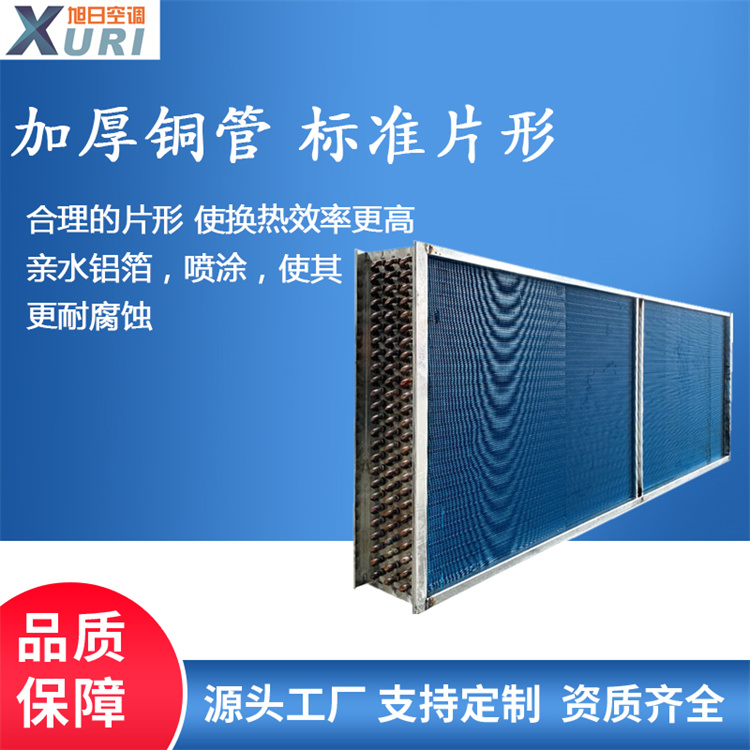
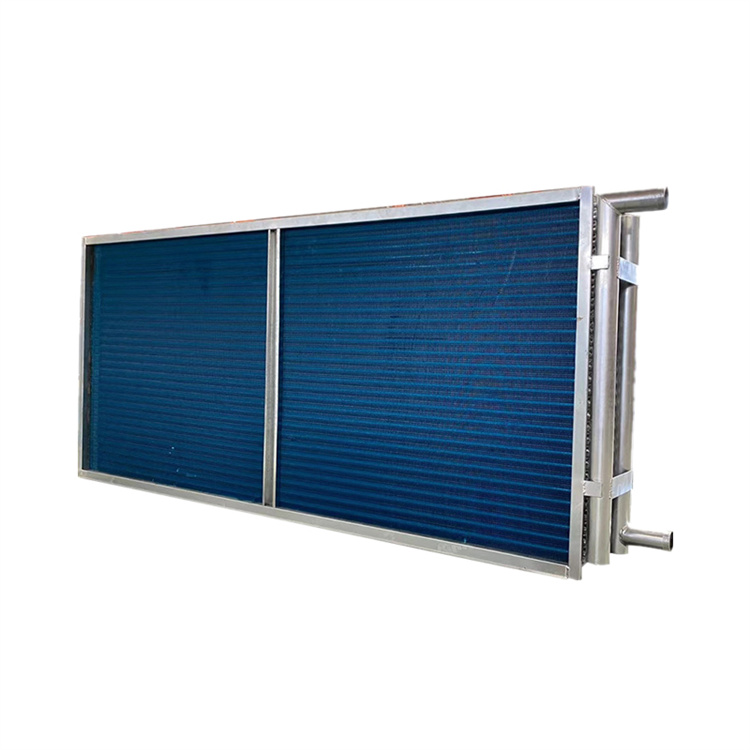
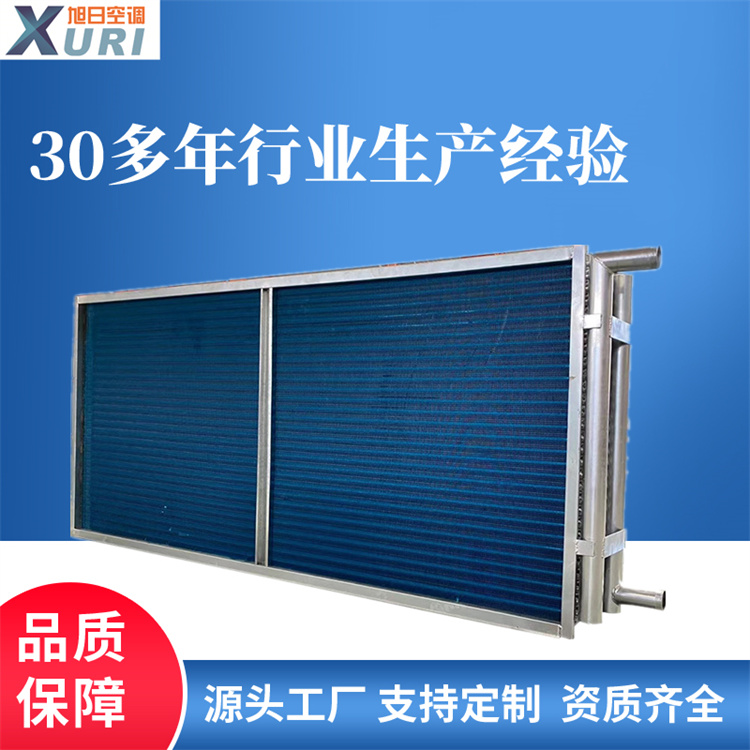
Dezhou Xurui Air Conditioning specializes in the production of various types of cooling coils. With a professional team and high-quality equipment, we produce satisfactory and excellent products for you. What are the precautions to take when cooling coils are in operation?
(1) When not using air conditioning during winter, it's essential to drain the remaining water in the pipes to prevent freezing temperatures from causing the water to freeze and crack the steel pipes.
(2) The water in the condenser should not contain impurities such as sand.
(3) Ensure adequate insulation during winter to minimize heat loss or prevent pipe icing.