





Develop electrical and plumbing construction drawings: Based on the designer's plan, the electrical and plumbing engineer creates construction drawings for electrical and plumbing work, determining the layout and installation locations of pipelines.
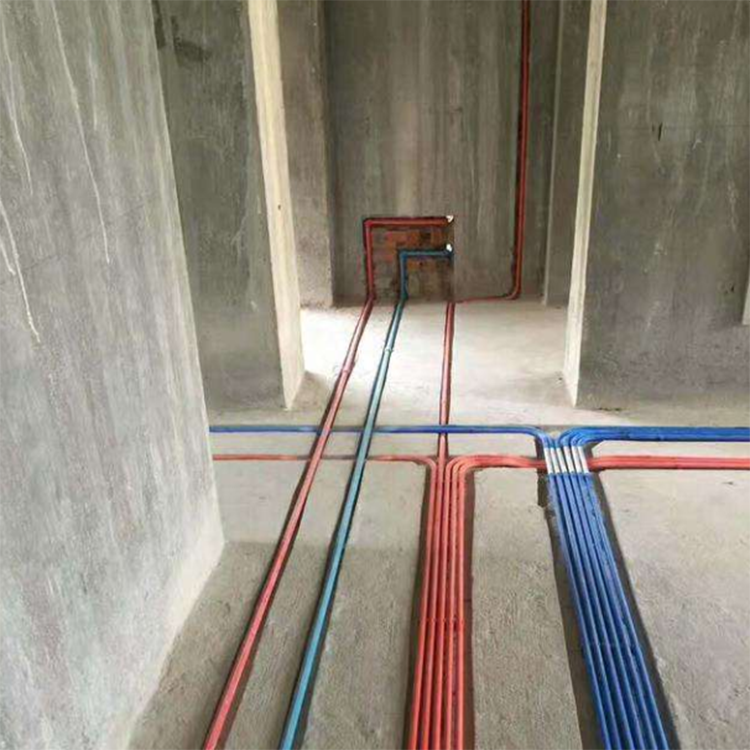
2. Pipeline Layout: Workers mark the locations and lengths of water and electricity pipelines on walls and floors according to the construction drawings, determining the length, bend angle, and connection method for each pipe.
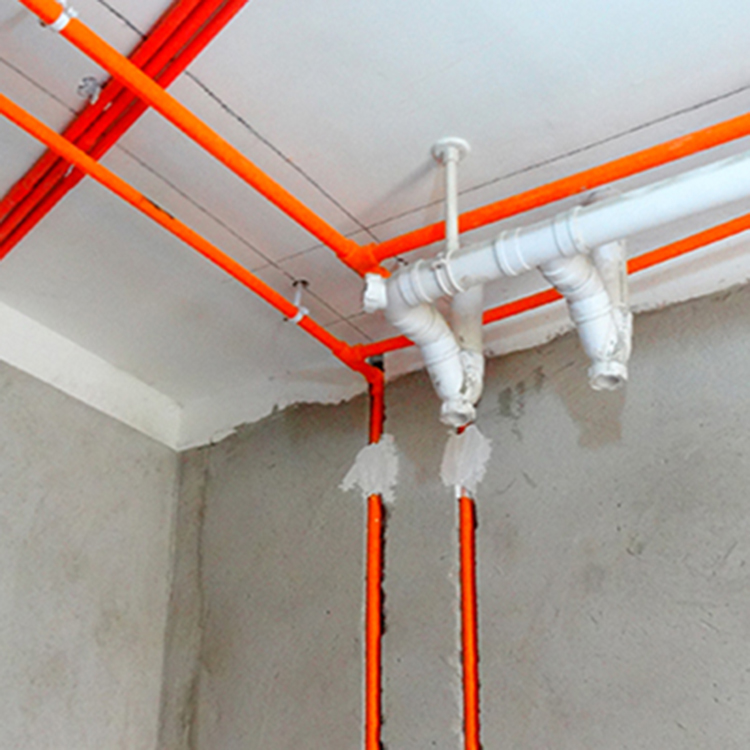
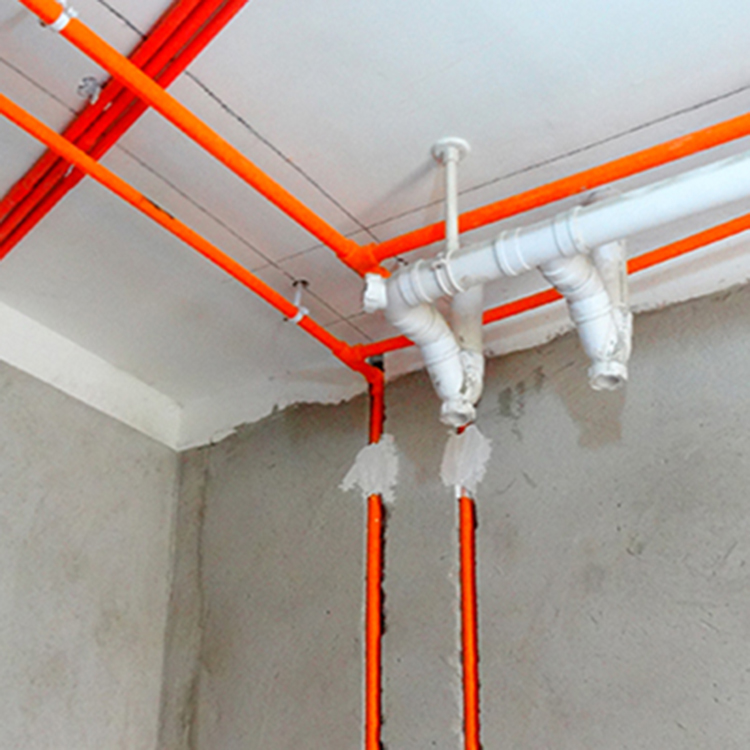
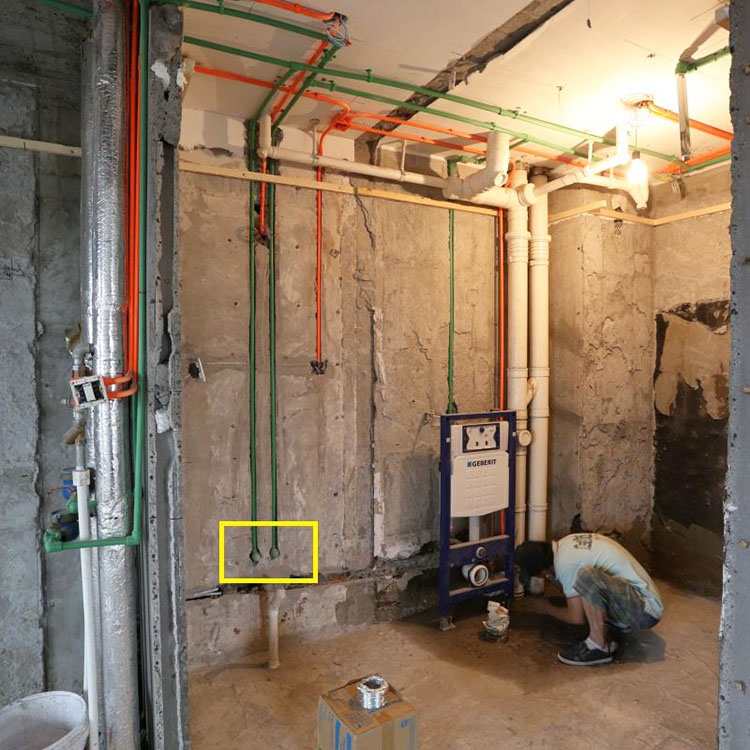
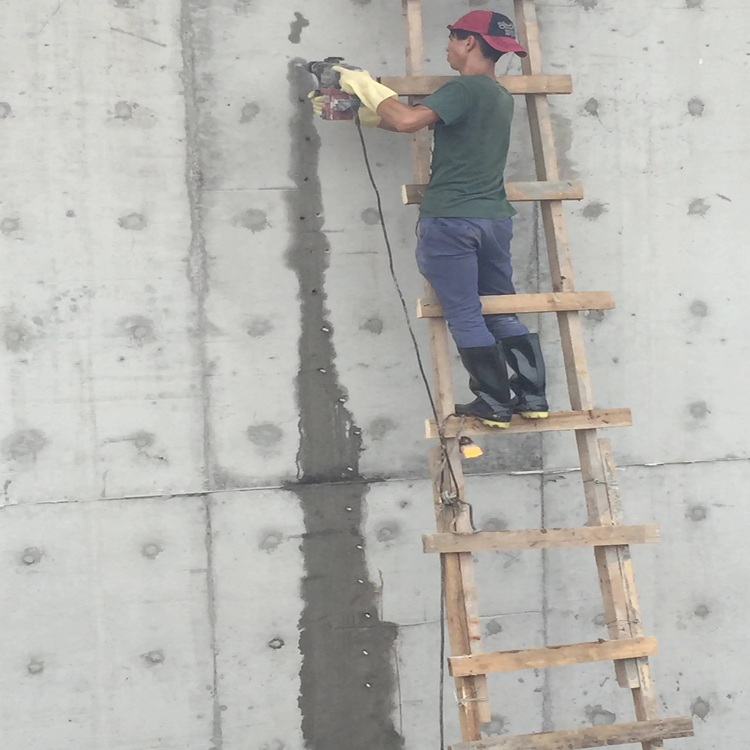
3. Install embedded pipes: Construction workers install the pre-buried pipes according to the plumbing and electrical drawings, securing them to the walls and ground.
4. Installation of Water and Electrical Equipment: After the piping is completed, the construction crew begins to install water and electrical equipment and appliances.
5. Pipe Connections: After the installation of the pipeline and equipment is completed, the construction crew commences the pipe connection work.
6. Conduct electrical and water tests: After the installation and connection of the water and electrical pipelines, the construction team performs electrical and water tests, including water pipe pressure tests, water meter tests, and electrical wire tests.
7. Tidy up plumbing and electrical lines: After testing, the construction crew will organize the plumbing and electrical lines.
8. Defect Repair: During the construction process, if there are issues such as plumbing or electrical piping not meeting specifications or existing defects, the construction personnel must promptly repair them.
9. Completion and Acceptance Inspection: After the completion of water and electricity installation, conduct a completion and acceptance inspection to check if the quality and safety of the water and electricity project meet the requirements. Any non-compliance should be rectified promptly.