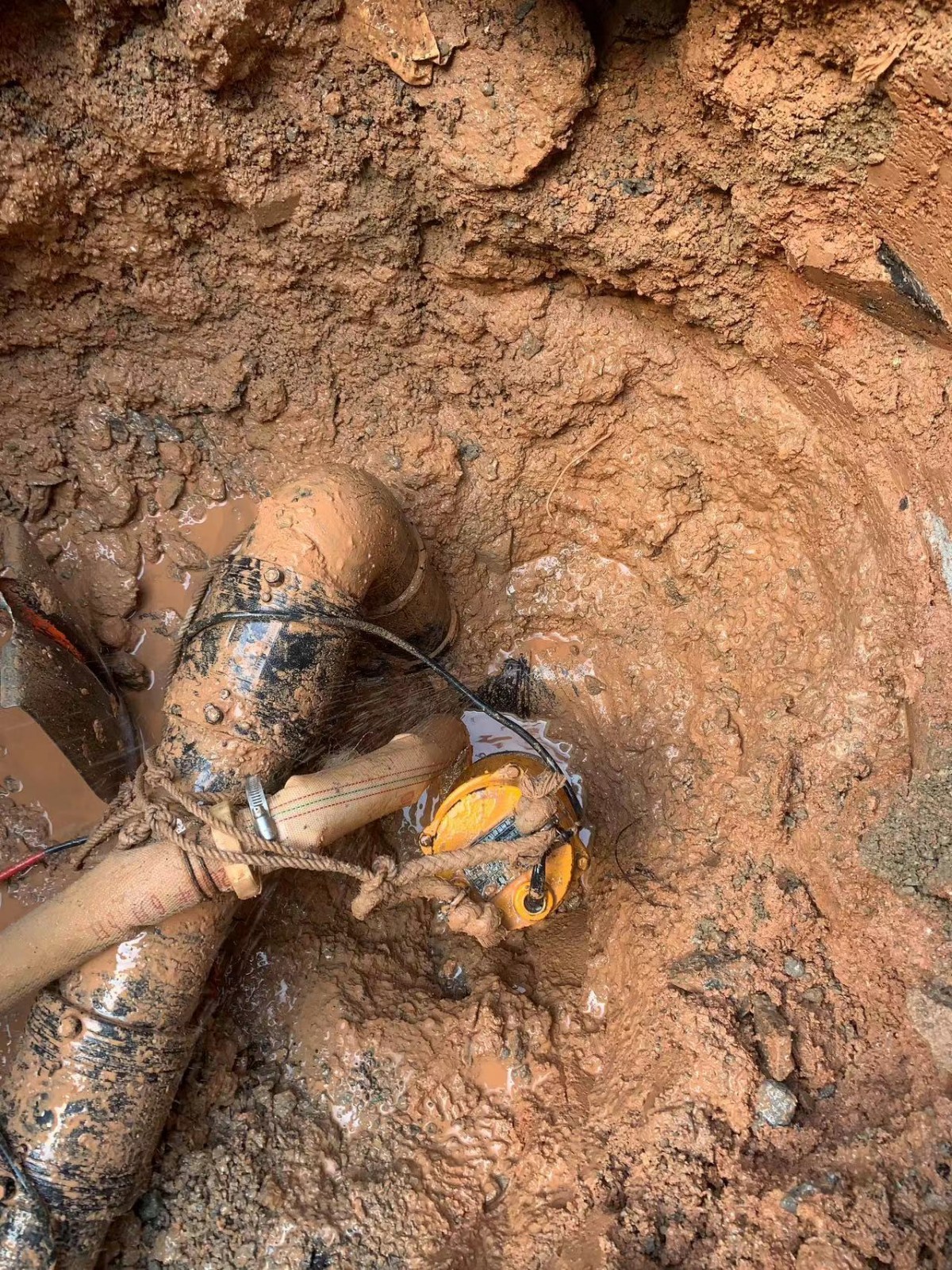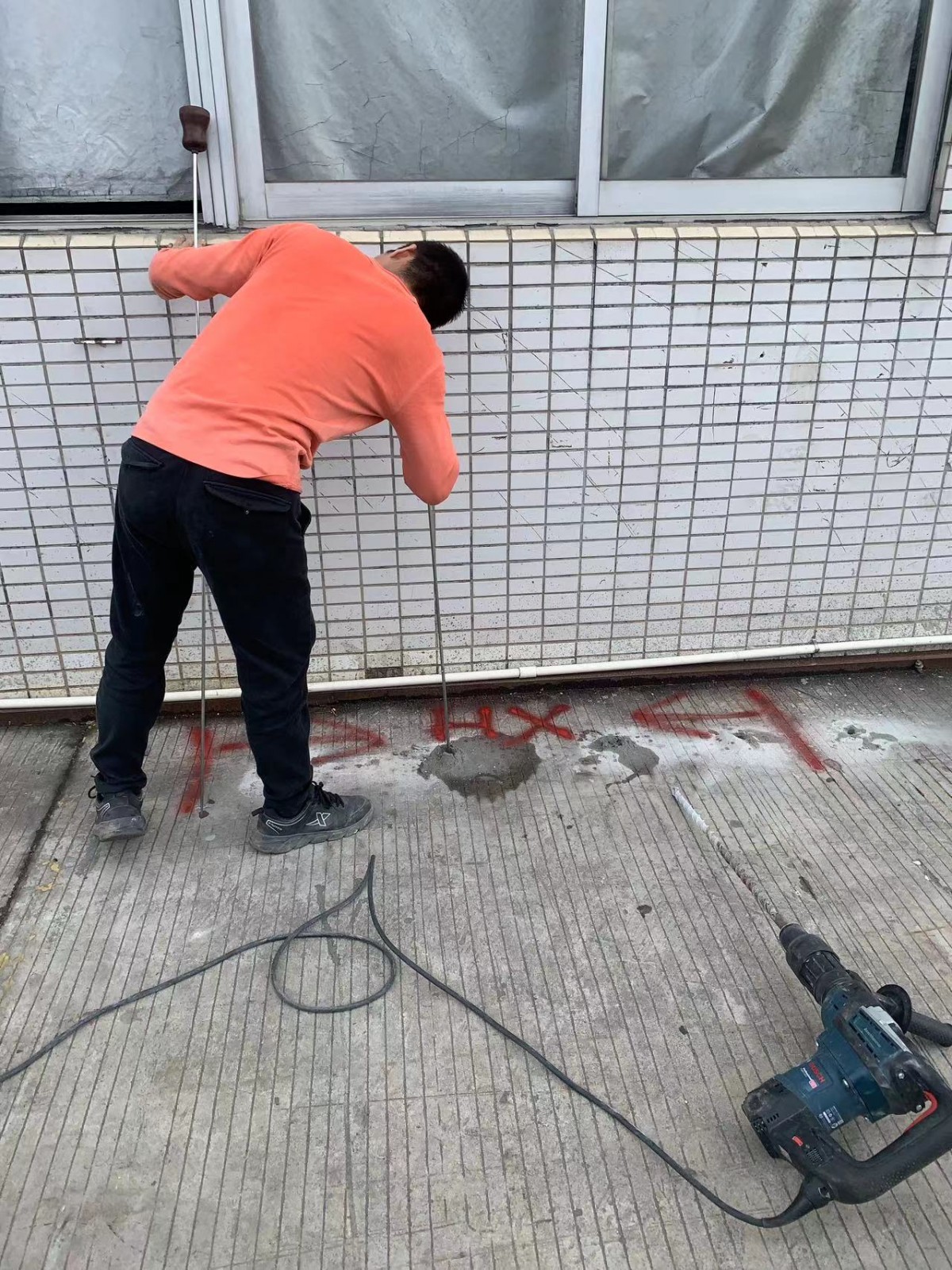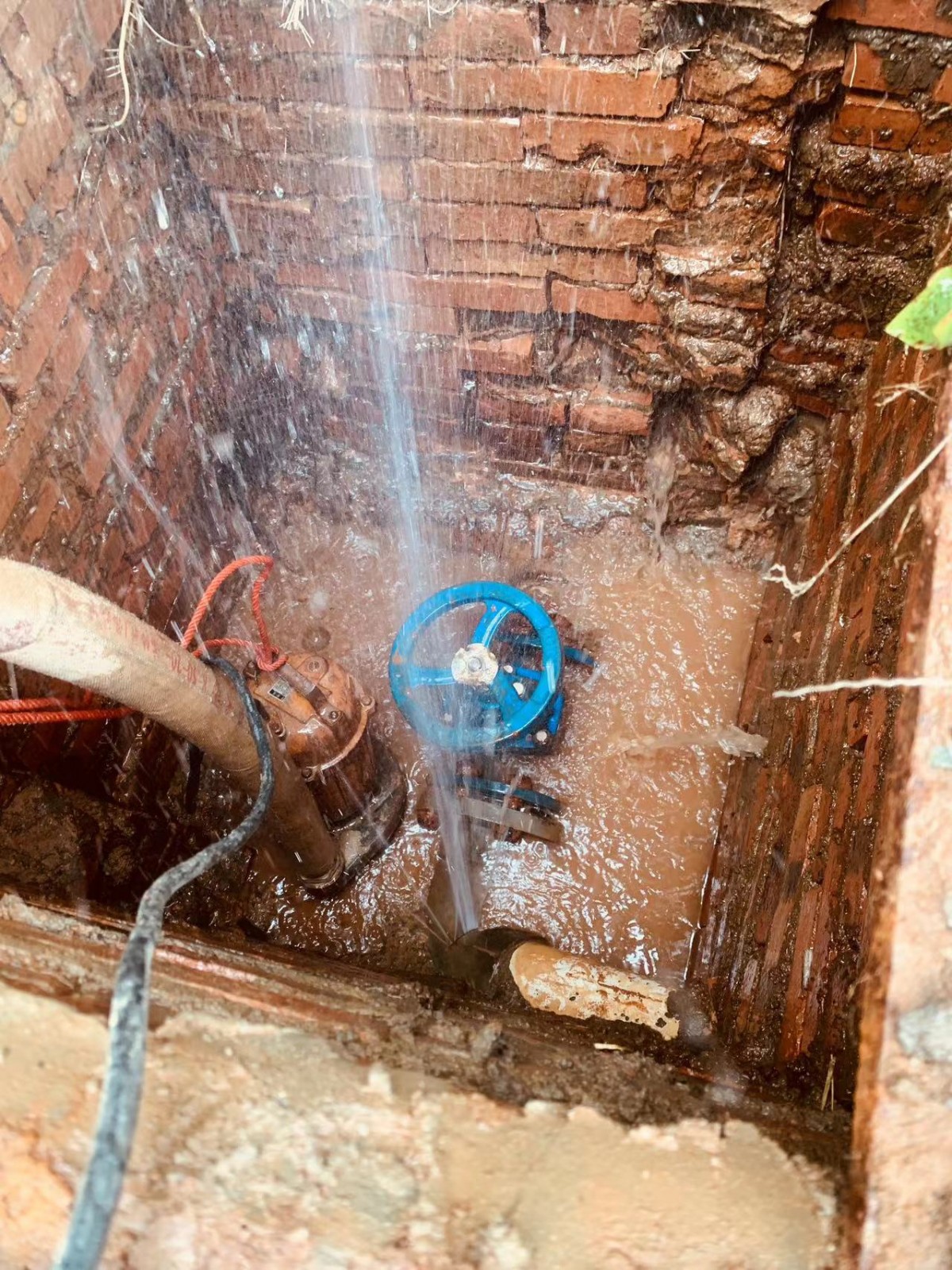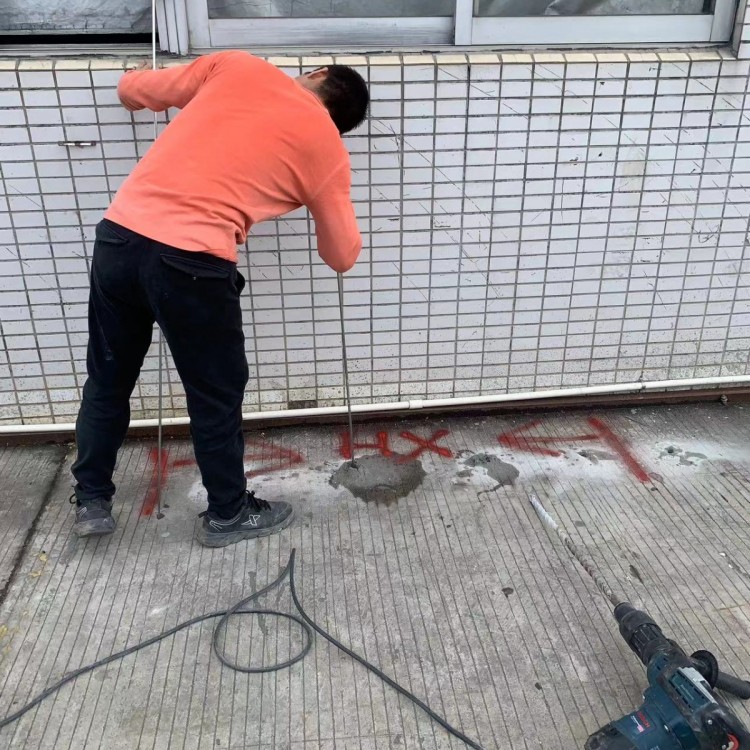

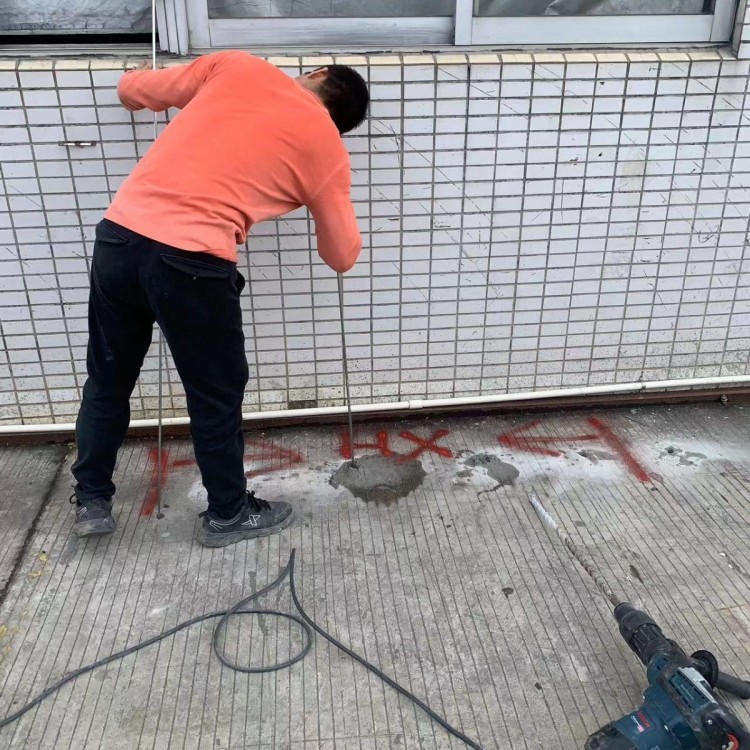
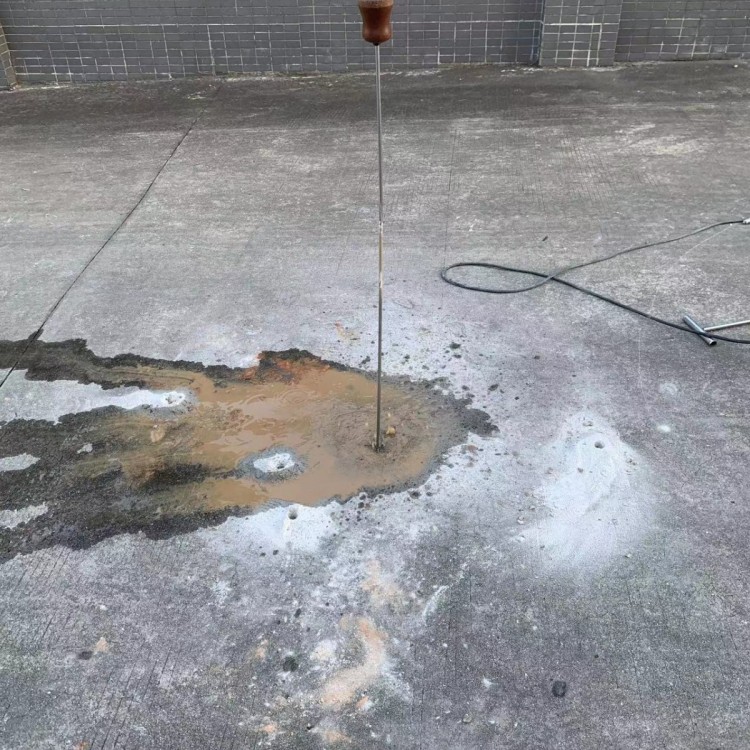
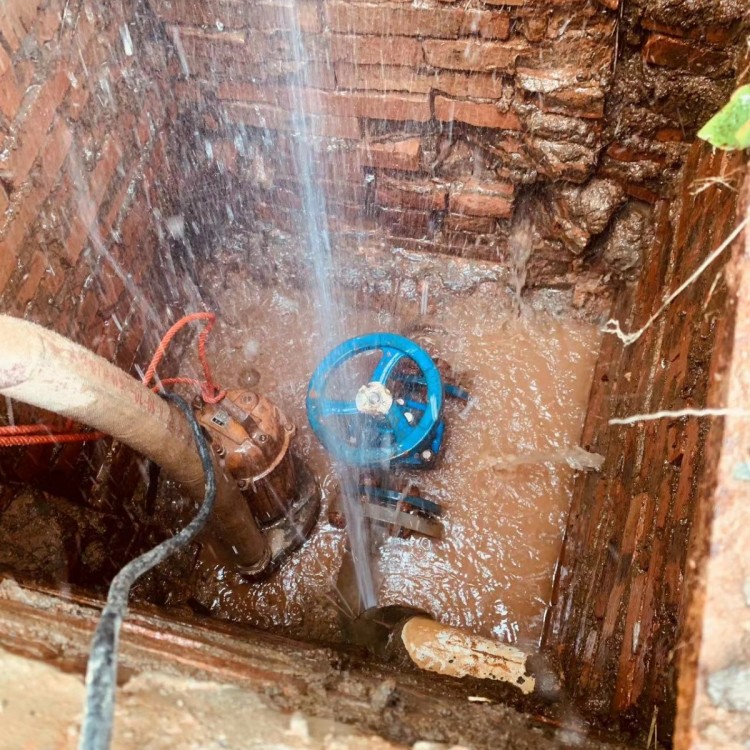







Various park inspections in Shenzhen, including galvanized concealed pipe leakage detection, fire pipe network leak detection telephone, underground pipeline leak detection, and house concealed pipe leak detection. Check the leakage points of the living water pipes, inspect the leakage of the hidden pipes in the house, repair the leakage of the underground water pipes, repair the leakage of the water supply pipes, and inspect the leakage of the fire pipes. For underground pipeline detection and water pipe leakage repair services, please give our company a phone number. We have leak detection instruments and service branches in multiple cities in the Pearl River Delta of Guangdong Province. We can help you find the accurate location of water pipes under your home floor, underground water pipes in your community, and fire pipes leaking in a short period of time.
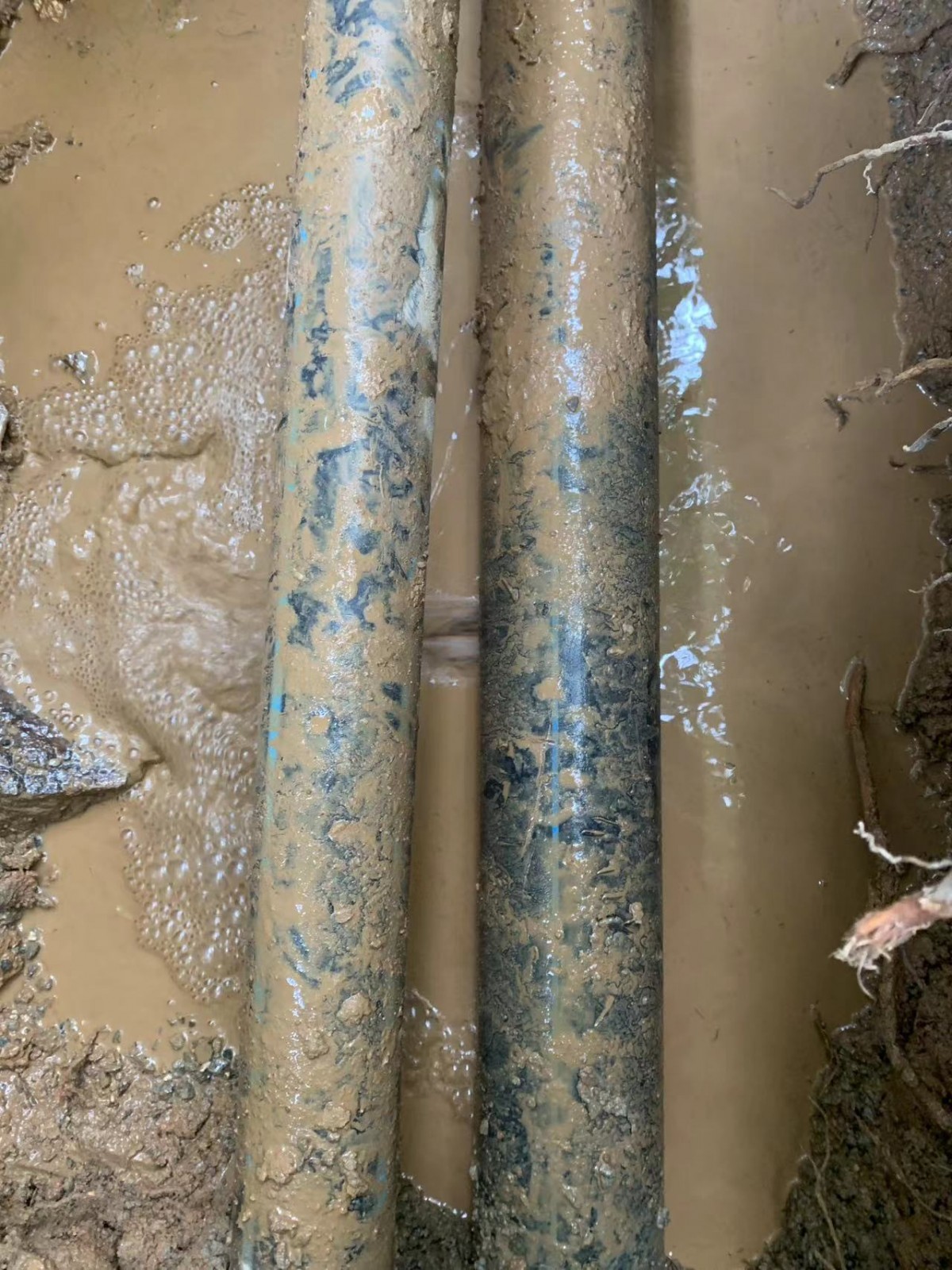
Method 1: Environmental Investigation Method
Environmental investigation method is a visual way to determine the clues and scope of water leakage. This method involves conducting a detailed investigation of the water supply pipeline based on the water supply network diagram and information provided by relevant personnel. The investigation includes the connection and division of pipelines
The condition of the fabric, material, and surrounding medium. At the same time, the leakage point is determined by observing the road conditions, the melting of winter snow, the growth of vegetation above pipelines, and the continuous flow of clean water in drainage wells and ditches.
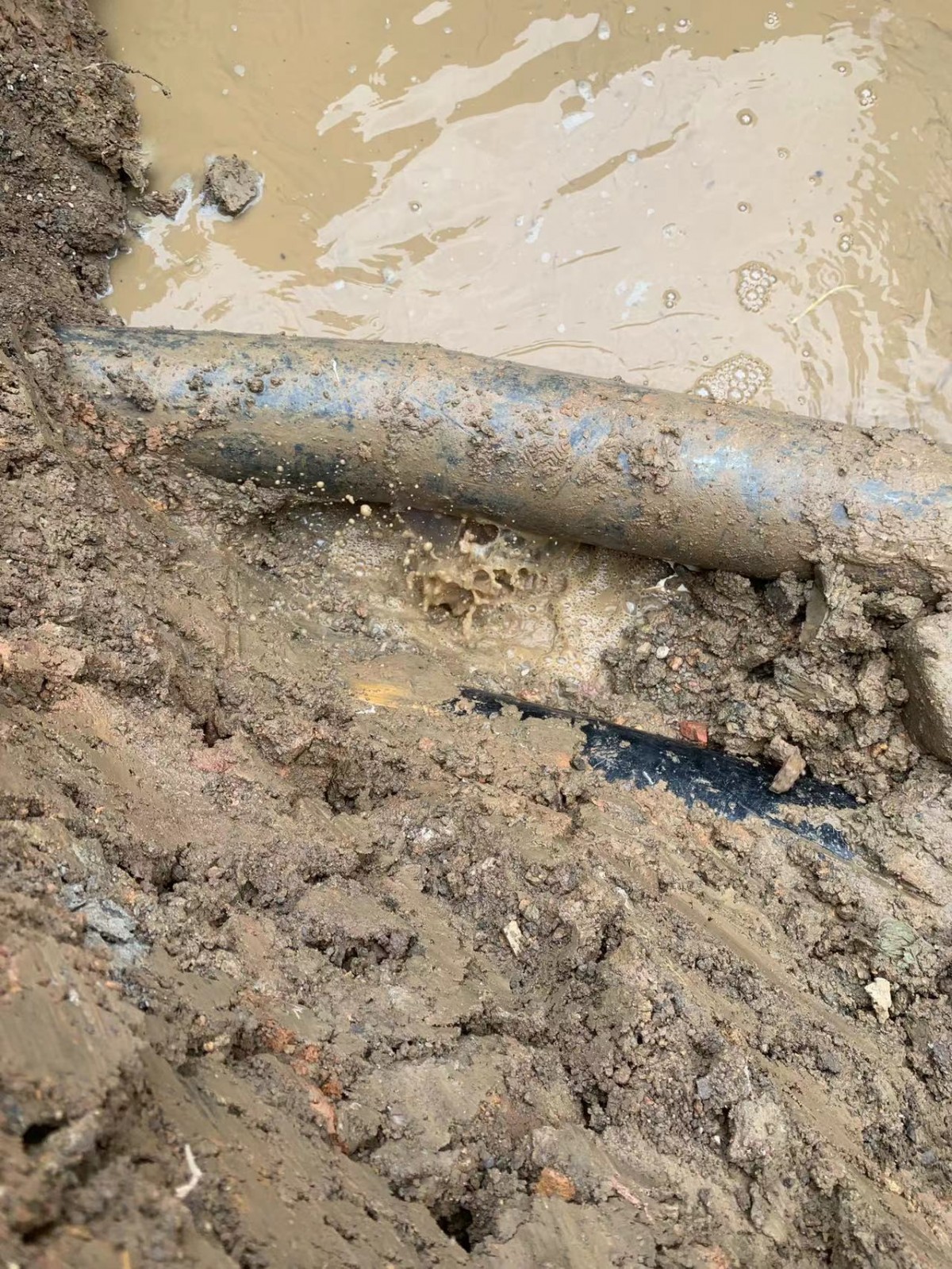
Method 2: Comparative stress testing method
The pressure test comparison method is a common method for water leakage detection. After closing the pipeline valve, connect the relevant instruments to ensure good sealing of the entire circuit. Conduct a pressure test and use a leak detector to determine the leak point location
This is one of the fast and effective methods for water leakage detection.
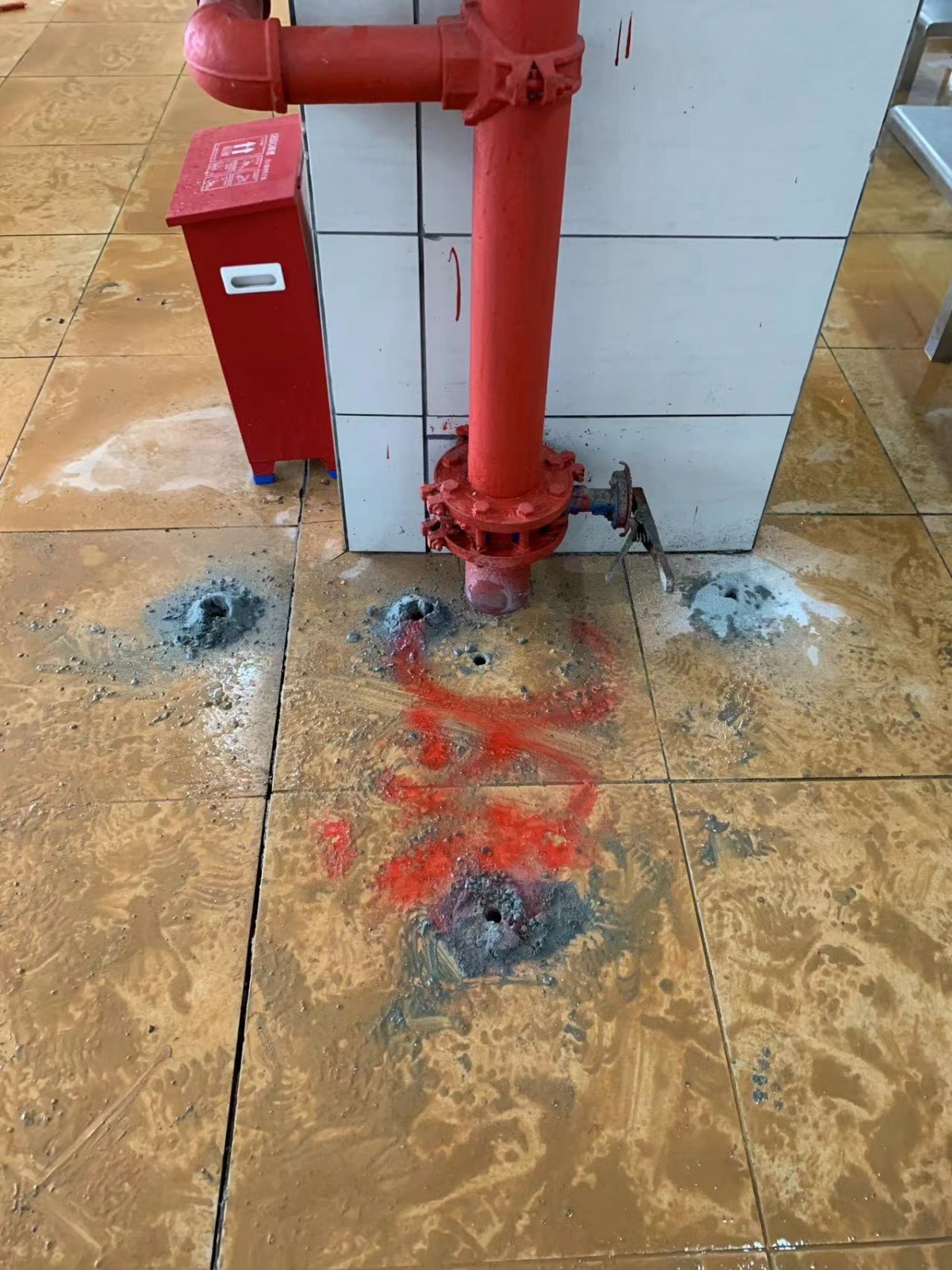
Method 3: Residual Chlorine Detection Method
The residual chlorine detection method is a method that utilizes the principle of residual chlorine reacting with ortho methyl to generate yellow quinone compounds. By detecting the collected water sample and using visual colorimetry, it determines whether there is a leak in the water supply network. according to
According to national standards, after 30 minutes of contact between chlorine and water, the residual chlorine content in the water should not be less than 0.3 milligrams per liter, and the free residual chlorine content in the water at the end of the pipeline should not be less than 0.05 milligrams per liter. Determine the leakage situation through comparison.

Method 4: Sound listening leak detection method
The sound listening leak detection method is generally divided into three types: valve plug listening, road listening, and drilling positioning. Among them, the valve plug listening method is suitable for finding clues and ranges of water leakage, also known as leak point pre positioning. The valve plug listening method usually uses a listening rod directly
Measure and listen for the sound of water leakage at exposed points in pipelines (such as fire hydrants, distressed and exposed pipelines, etc.) to determine the leaking pipeline and narrow the range of water leakage detection. The frequency range of water leakage sound in metal pipelines is usually between 300-2500Hz, while that in non metal pipelines is between 300-2500Hz
The frequency of the leakage sound belonging to the pipeline is within the range of 100-700Hz. The closer the listening point is to the leakage point, the louder the leakage sound heard, and vice versa; The road listening and drilling positioning method is suitable for determining the location of leakage points and is also known as
Precise positioning method for leakage points.