








The regeneration process after cable recycling is simple. Firstly, the collected waste copper is sorted; unpolluted waste copper or copper alloys with the same composition can be melted and reused directly. Waste copper severely contaminated needs further refining to remove impurities; for mixed copper alloy waste, melting and composition adjustment are required after melting. The recovered cables, after such regeneration treatment, maintain their physical and chemical properties, ensuring a complete update.

The recycling of waste electrical wires and cables is extremely important. The recycling of these materials is conducive to their reuse, playing a crucial role in energy conservation and environmental protection.
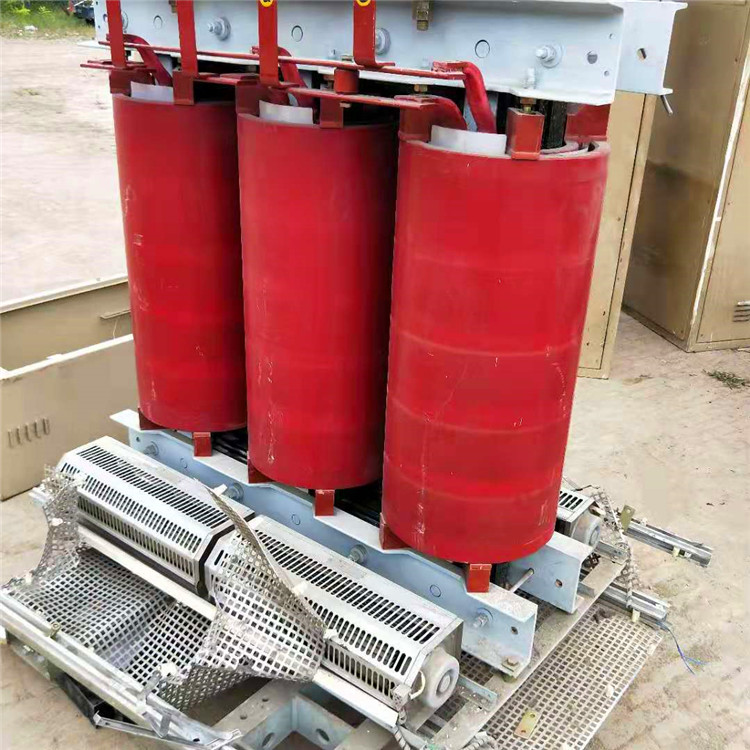
After recycling cables and wires, the applications of the composite materials are extremely widespread, playing a significant role in various industries. They greatly assist in the production of many machines and electrical appliances, particularly reducing investment costs in the electrical industry, and their practical applications are very extensive.

What are the methods for recycling and reusing waste cables?
Section 1: Chemical Method
This method involves dissolving the insulation of废旧电缆 to achieve separation of the copper wire from the insulation. The advantage of this method is that it yields excellent copper wire, but the drawback is that the treatment of the solution is quite challenging, and the cost of the solvent is high.
Section 2: Cold Storage Method
This method uses liquid nitrogen as the refrigerant to make the waste cables脆 at extremely low temperatures, then separates the plastic sheath from the copper wire segments through crushing and shock. However, the drawback of this method is that it is expensive and difficult to industrialize production.