Cable Waste Classification
1. Insulation Types: V stands for Polyvinyl Chloride; X for Rubber; Y for Polyethylene; YJ for Cross-Linked Polyethylene; Z for Paper.
2. Conductor Material: L stands for aluminum; T (omitted) stands for copper.
3. Inner sheath: V for PVC sheath; Y for polyethylene sheath; L for aluminum sheath; Q for lead sheath; H for rubber sheath; F for chloroprene rubber sheath.
4. Features: D Non-dripping; F Phase Separation; CY Oil Filling; P Lean Oil Dry Insulation; P Shielding; Z Direct Current.
5. Control Layer: 0 - None; 2 - Double Steel Strip; 3 - Fine Wire; 4 - Coarse Wire.
6. Outer sheath: 0 - None; 1 - Fiber outer sheath; 2 - Polyvinyl chloride (PVC) jacket; 3 - Polyethylene jacket.
7. Flame-retardant cables are prefixed with "ZR"; fire-resistant cables are prefixed with "NH."
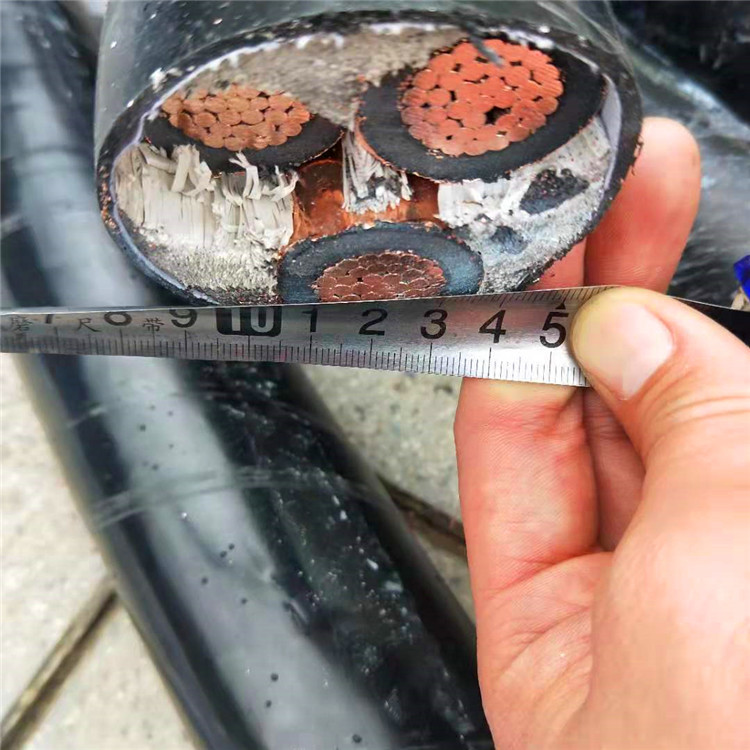
Scrap Cable Recycling and Classification
1. Recycled common electrical accessories: cable terminal junction boxes, methods for handling scrap wire and cable connections, connecting pipes, cable terminal blocks, intermediate cable junction boxes, steel plate wiring channels, cable trays, etc.
2. Recycled Cable Trays: Generally used for overhead installation of power cables in indoor and outdoor environments for industrial and mining enterprises, as well as for the disposal of waste electrical cables, control cables, and can also be applied for indoor and outdoor installations in telecommunications, broadcasting, and television departments.
3. Categorized by application, they include: bare conductors, insulated wires, heat-resistant wires, power cables, control cables, methods for recycling old cables, shielded wires, communication cables, RF cables, etc.
4. Cable intermediate joints: Devices that connect conductors, insulation sheath, and protective layers between cables, used to join cable lines, and the method of disposing of waste electrical wires and cables is referred to as cable intermediate joints.
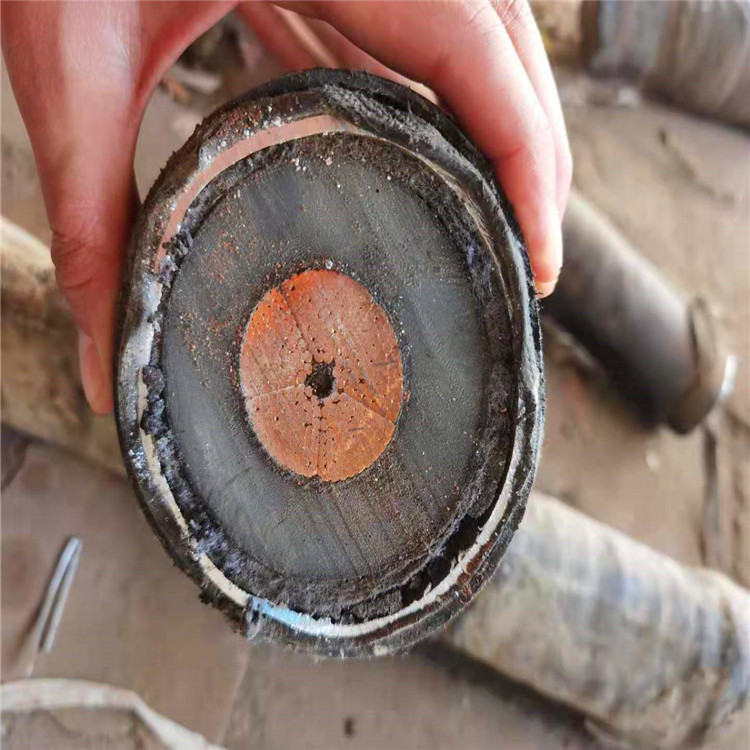
Today, with the continuous advancement of technology, we must use technology to solve production challenges. Wire and cable are consumables for economic development, and the recycling equipment for broken wire and cable also promotes the development of our country's circular economy, making an indelible contribution to societal progress.

What are the methods for recycling and reusing scrap cables?
Section 1: Chemical Method
This method involves dissolving the insulation of废旧电缆 to achieve separation of the copper wire from the insulation. The advantage is that it yields excellent copper wire, but the drawback is that the purification process of the solution is quite challenging, and the cost of the solvent is high.
II. Cryogenic Method
This method uses liquid nitrogen as the refrigerant to make the waste cables brittle at extremely low temperatures, and then separates the plastic sheath from the copper wire segments through crushing and shock. However, the drawback of this method is that it is costly and difficult to industrialize production.