














What are the requirements for wire and cable recycling?
1. Look at the packaging, the cables for recycling that meet national standards are often well-made, neat, and feel of high quality when held in hand.
2. You need to open the packaging to inspect the wires inside. According to the national standard, the wire with a cross-sectional area of 1.5-6 square mm requires an insulation thickness of 0.7mm, which is quite thick. If it's thicker than that, it's non-standard, and its core wire will definitely be insufficient. You can give the wire jacket a good pull; if it's not easy to tear, it's generally in line with the national standard.
3. Burn it, and if it extinguishes within 5 seconds after being removed from the flame, it meets the national standard for flame retardancy.
4. Look at the core, the higher the brightness of the core material (copper), the better the quality of the copper, and the light distribution is even, present, without a sense of layers. National standards require that the core must be made of oxygen-free copper. The recycling of cables and wires that do not meet the standards, such as black rod copper, may pose hidden safety risks.
5. The core thickness has certain national requirements, but they are not very strict. However, it won't be off by much; just a small, generally imperceptible error that can't be seen with the naked eye.
6. Length is not mandatory to be marked in meters by the country, but many manufacturers do so. However, those marked in meters are not necessarily in accordance with the national standards, and it's generally that the national standards do not have meters marked. The marking of meters for the recovery of non-standard wire and cable is just a method.
7. National regulations stipulate that electrical wires must be marked with certain identifiers. These markings will be consistent every 500mm or less, typically featuring the product's brand, the wire cable recycling manufacturer's name, and the execution standards.
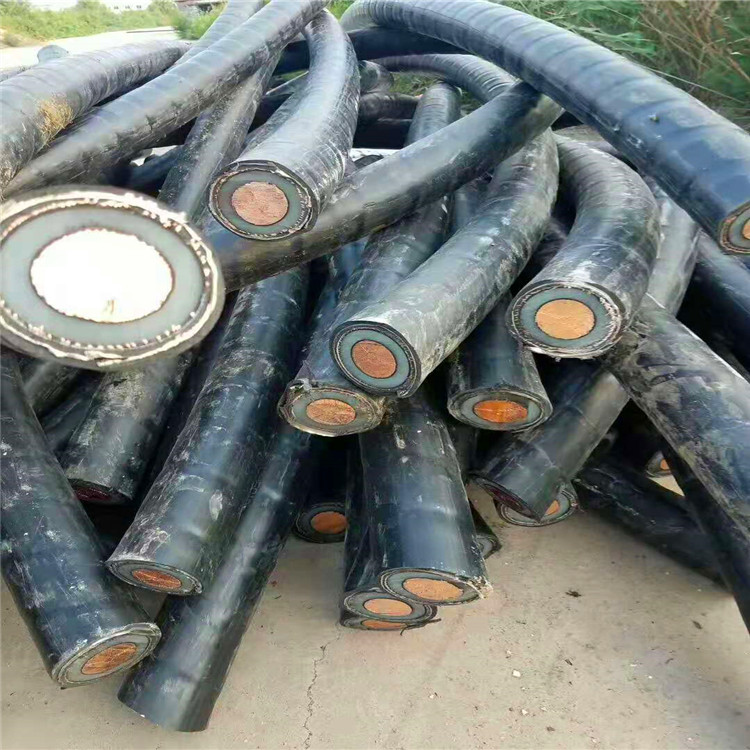
Next, let's discuss the various methods for recycling and reusing waste cables.
Section 1: Chemical Method
This method involves dissolving the insulation of scrap cables to separate the copper wire from the insulation. The advantage is that it yields excellent copper wire, but the drawback is that the process of dealing with the solution is quite challenging, and the cost of the solvent is high.
II. Cryogenic Method
This method uses liquid nitrogen as the refrigerant to make the waste cables脆 at extremely low temperatures, then separates the plastic sheath from the copper wire segments through crushing and shock treatment. However, the drawback of this method is that it is costly and difficult to industrialize production.
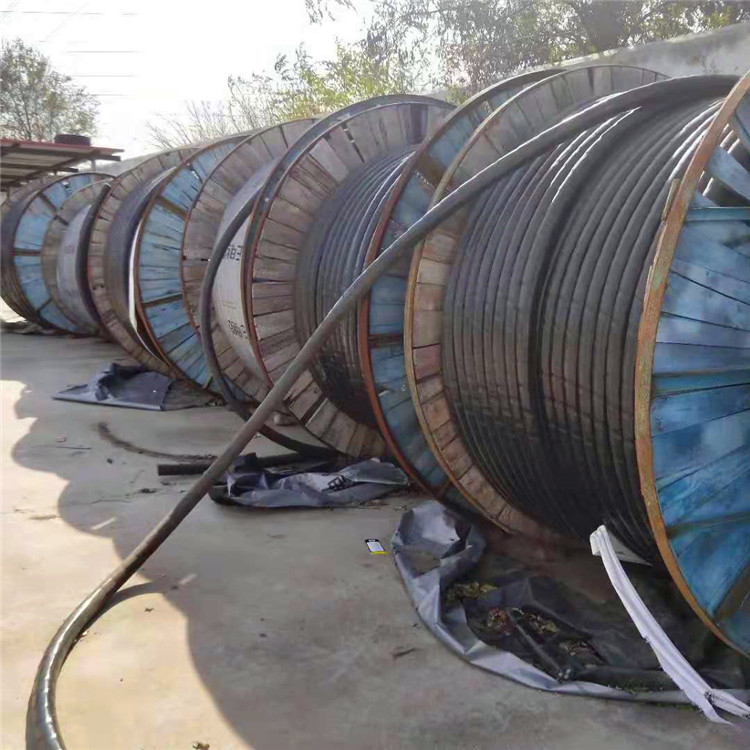
Common Fault Analysis of Wire and Cable Recycling Products:
Cable Surface Markings - According to national standards, cables should have the manufacturer's name and a continuous marking of the rated voltage. This facilitates prompt identification of the manufacturer in case of issues during cable use. Consumers must pay attention to this when purchasing cables. Additionally, when selecting cables, consumers should verify that the manufacturer's name and rated voltage on the certificate match the printed markings on the cable surface to prevent counterfeit products.
Wiring Appearance - When selecting wiring, consumers should pay attention to the following: the wire should appear smooth, with no damage to the insulation and sheath layers, clear markings and printing, and a non-greasy feel when touched. From the wire's cross-section, the thickness of the insulation or sheath should be even across the entire circumference of the wire, without being off-center, and the insulation or sheath should have a certain thickness.
Conductor Diameter – When purchasing wire, consumers should ensure the conductor diameter matches the cross-sectional area specified on the certificate. If the conductor cross-section is too small, it can easily cause the wire to overheat and lead to a short circuit. It is recommended to use wire with a 1.5 square millimeters or higher specification for household lighting circuits; for appliances with higher power, such as air conditioners and microwaves, use wire with a 2.5 square millimeters or higher specification.
Regulation Usage - Use standard wiring, and for fixed lines, it's advisable to use BV core wires through conduits. Be cautious not to damage the wires during wiring or room decoration; do not splice wires in the middle of a single line; avoid touching the wires when connecting to an electrical box; for household appliances with high power consumption like air conditioners, use a separate line of electricity; maintain a certain distance between wires used for low voltage and high voltage.
Common faults in cable lines include mechanical damage, insulation damage, moisture in insulation, insulation aging and deterioration, overvoltage, and overheating faults in cables. When these faults occur in the line, the power supply to the faulty cable should be disconnected, locate the fault point, inspect and analyze the fault, then repair and test. Remove what needs to be cut, and only after the fault is eliminated can power supply be restored.
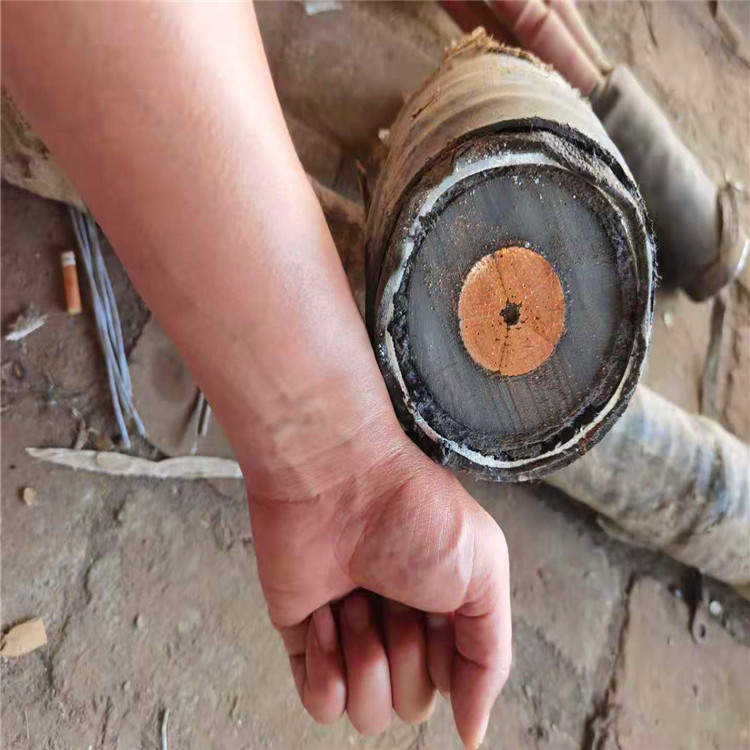
Nowadays, as life progresses and cities evolve, the electricity industry has reached a peak. Therefore, the use of cables is no longer just a matter of numbers. Since they are used, wear and tear occur, thus driving the development of the cable recycling industry.




















