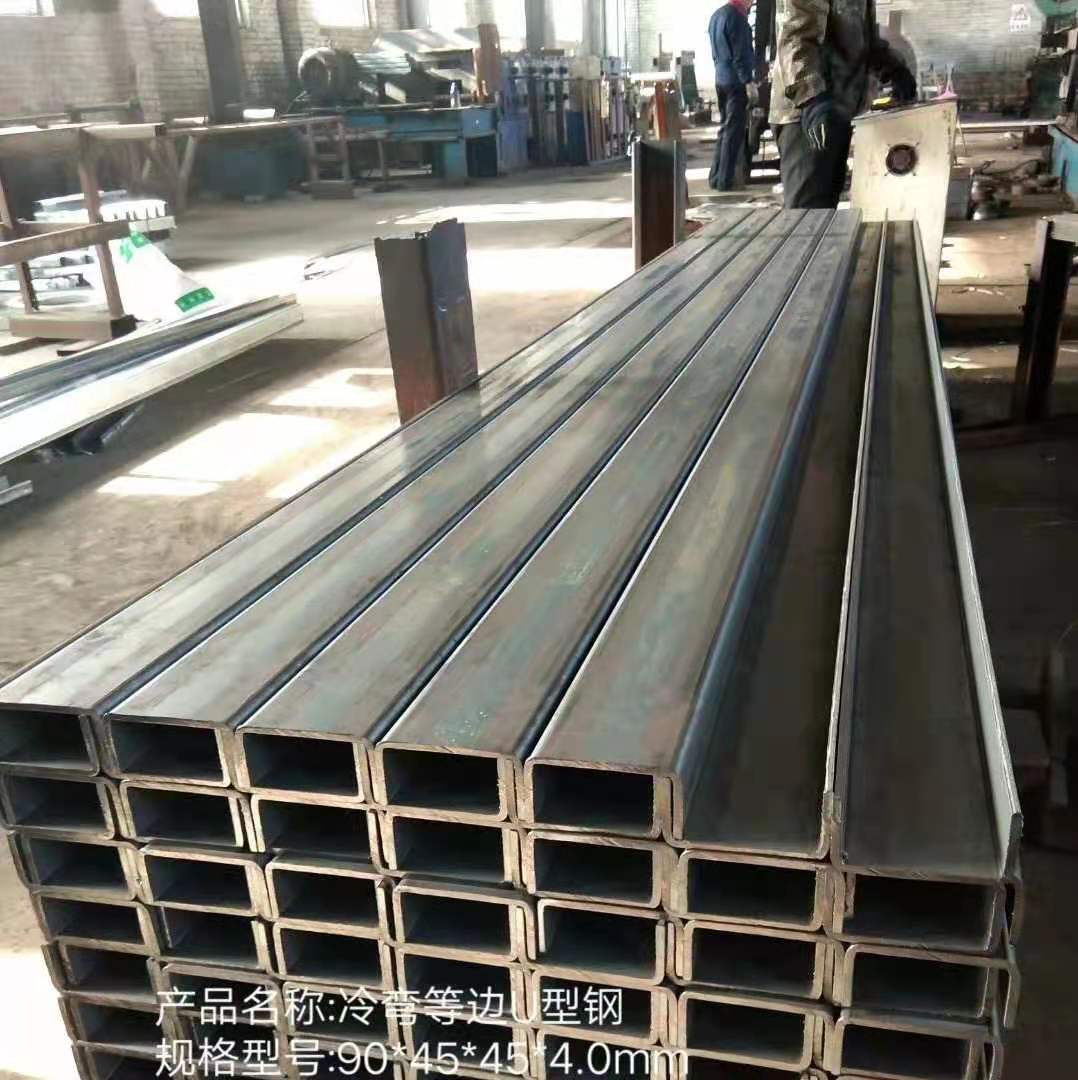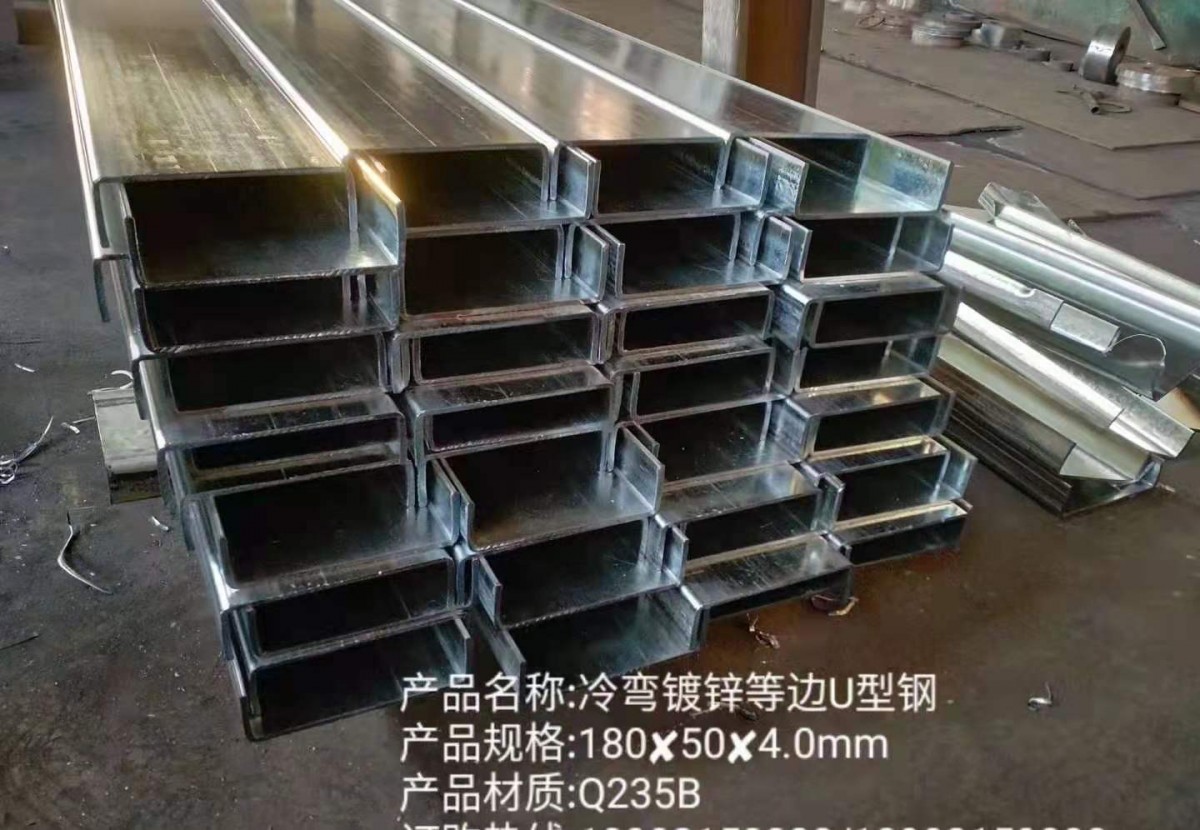

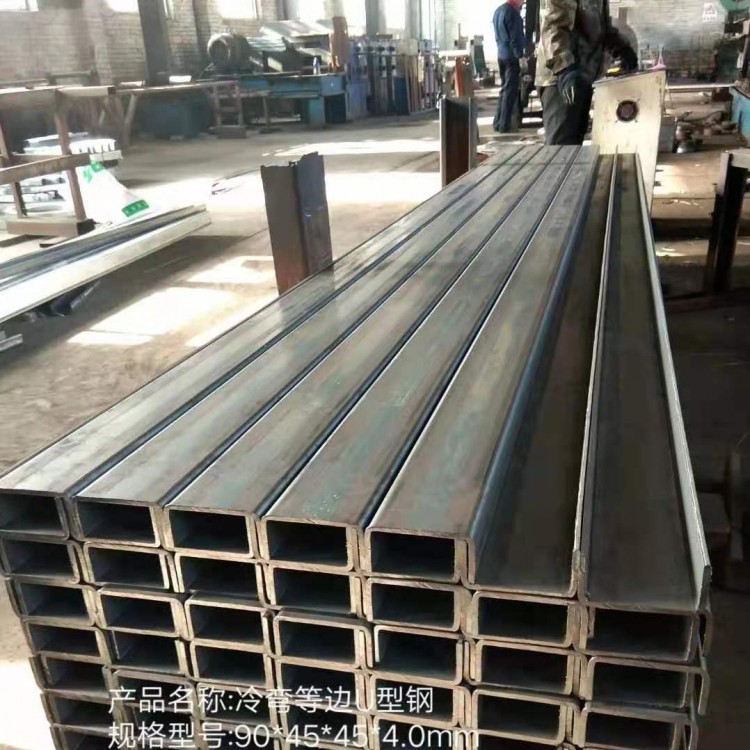

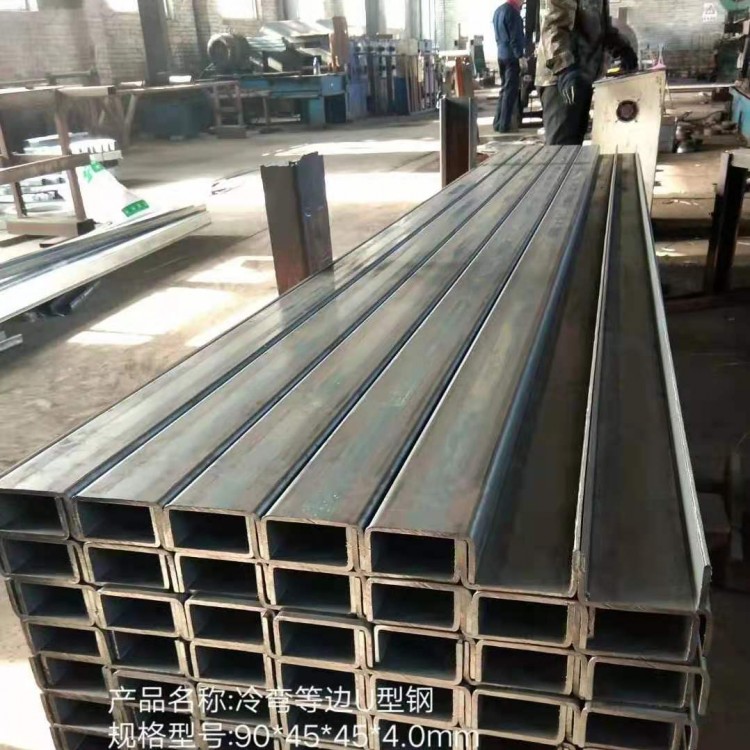

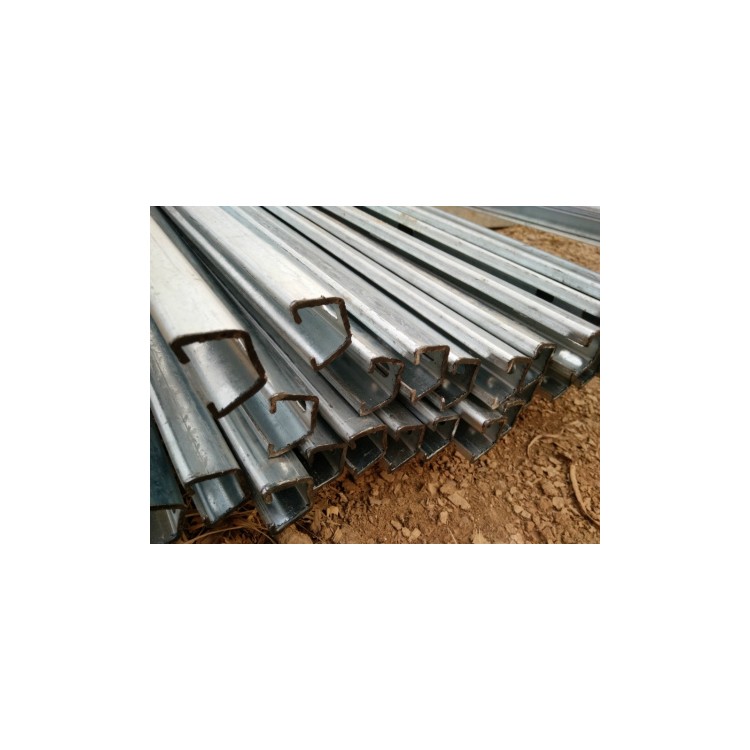








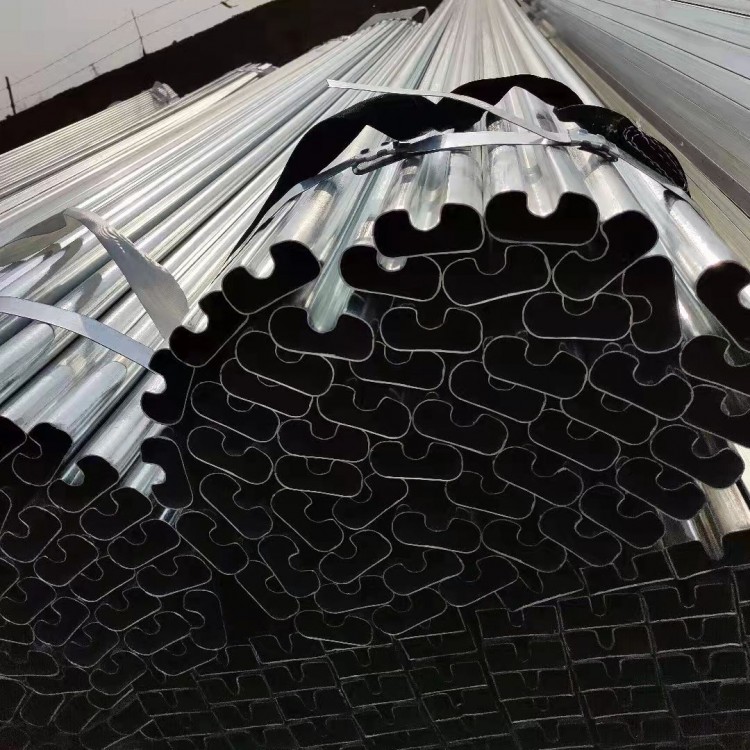
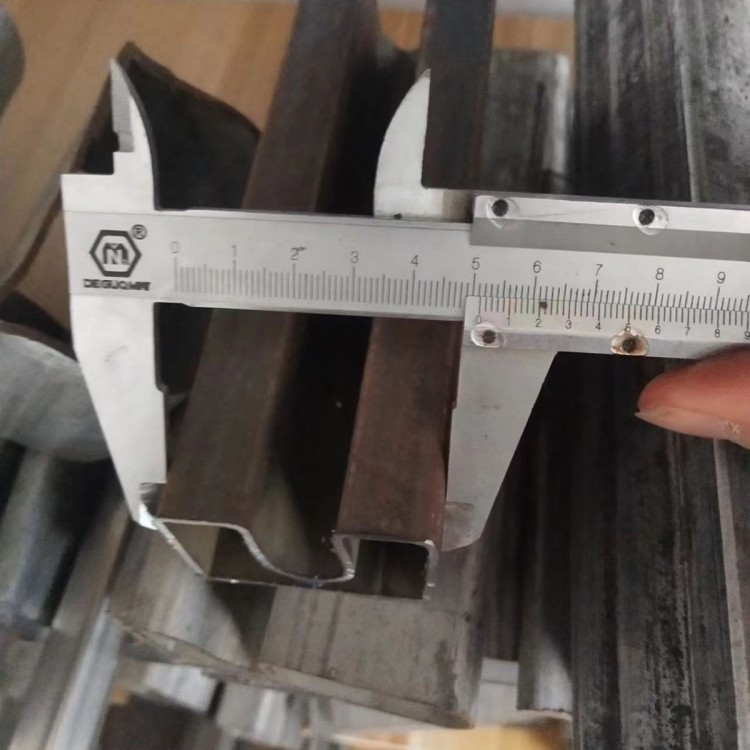
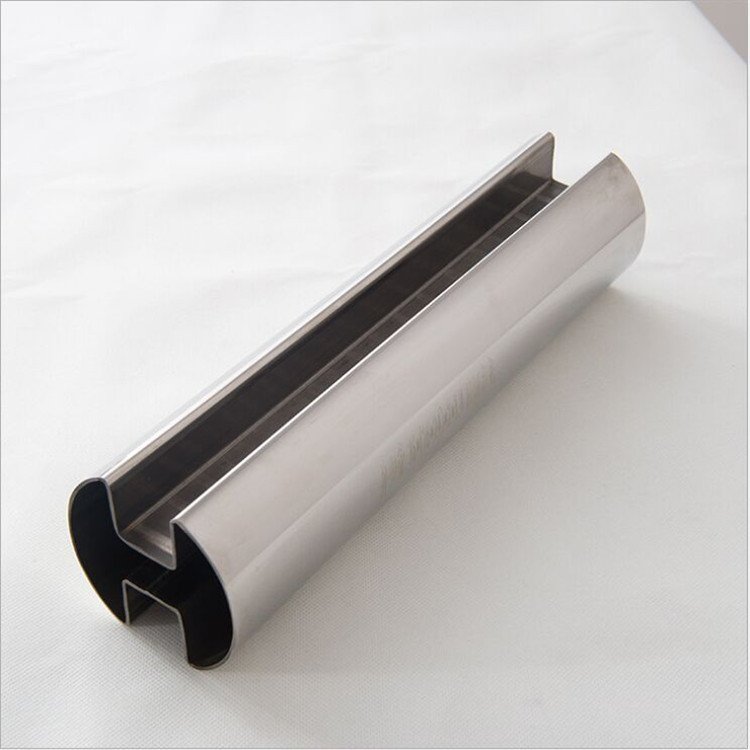
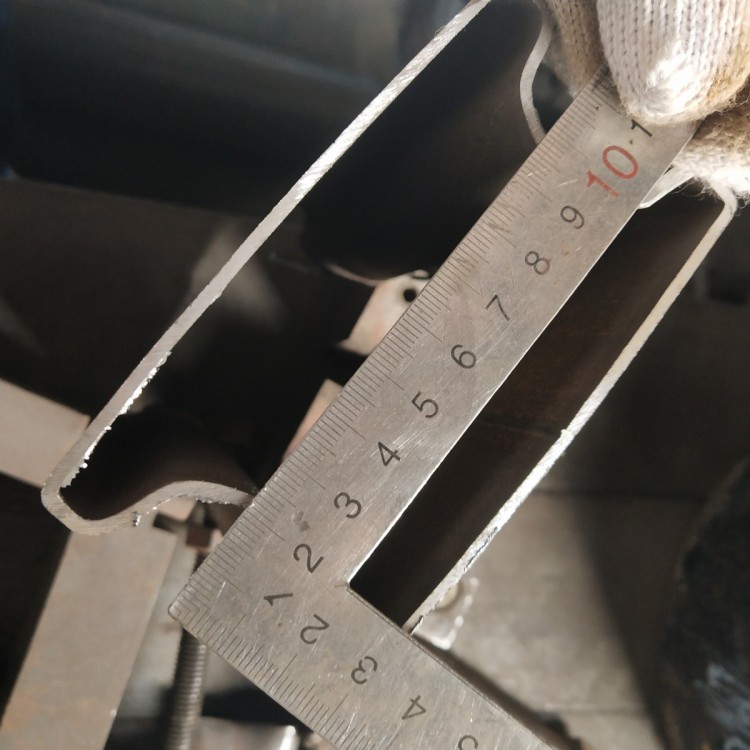
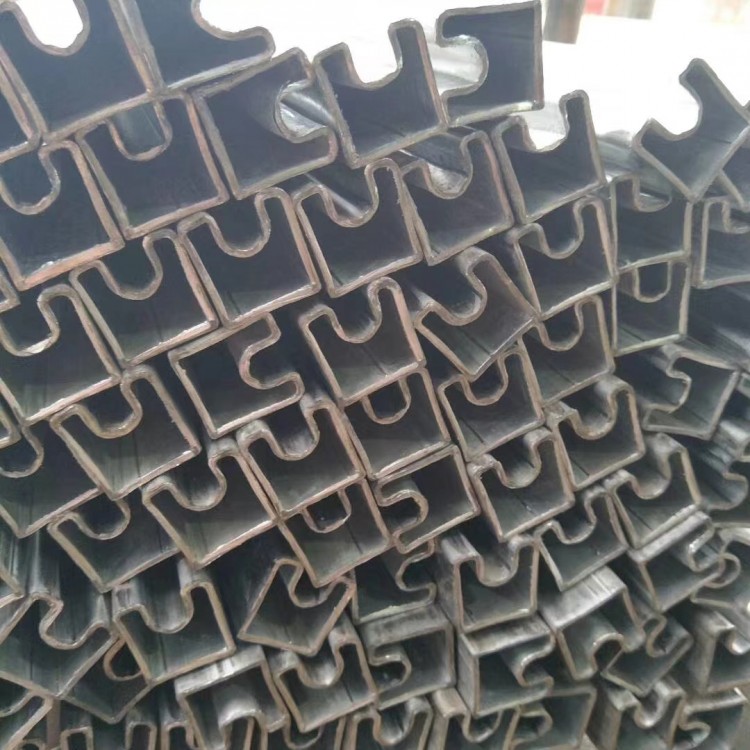
C-shaped steel manufacturer, galvanized strip C-shaped steel processing, C-section steel manufacturing factory
To prevent corrosion of C-shaped steel, it is crucial to ensure the surface and atmosphere are clean. Otherwise, corrosion and chemical reactions may occur. During descaling, kimchi can also be used to remove rust. Generally, many workers use chemical and electrolytic methods to remove rust. However, before using chemical reactions to remove rust, workers must wear protective gear to prevent damage from chemicals.
Chemical acid cleaning is not supported in many places for use in cleaning, yet it can affect the removal of corrosion. However, chemical acid can impact the environment and soil quality.
Manufacturers of C-shaped steel should clean the storage area or warehouse for spiral steel pipe products and dispose of them in factories and mines where harmful gases or dust are produced. To maintain the cleanliness of the river, it is necessary for us to clear away all weeds and debris on the site.
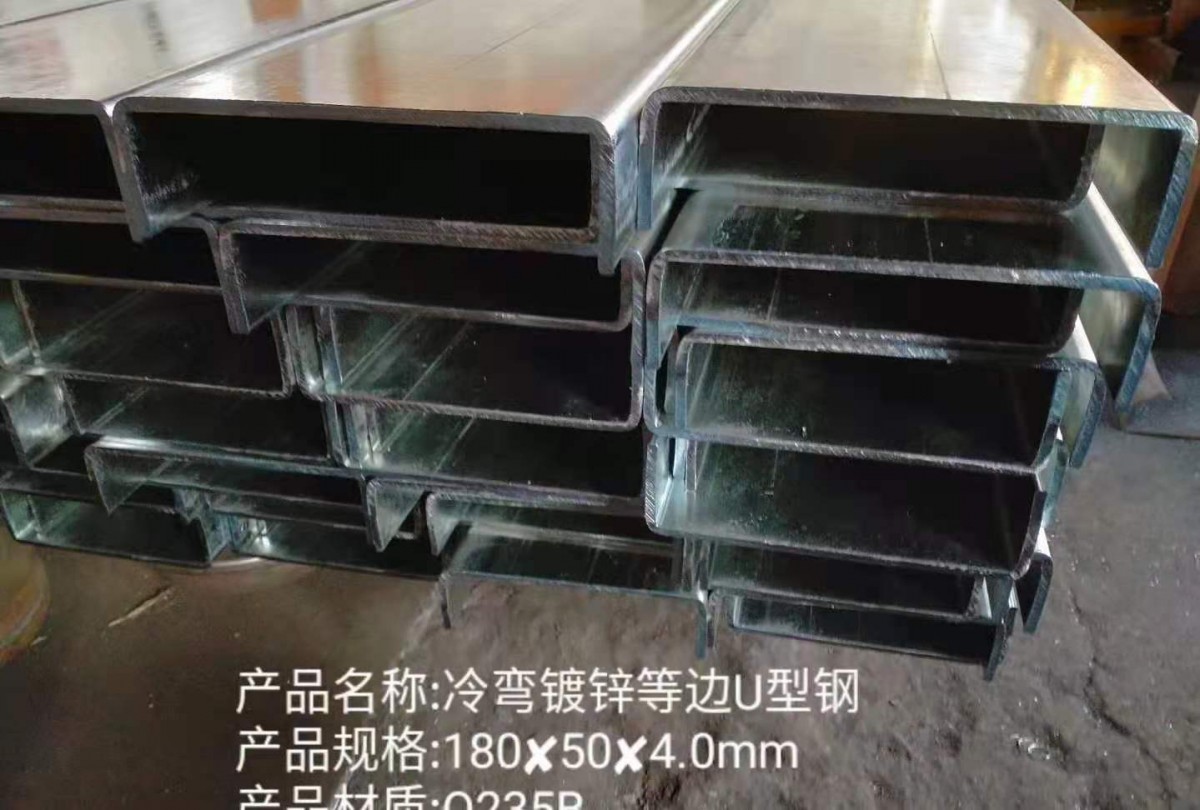
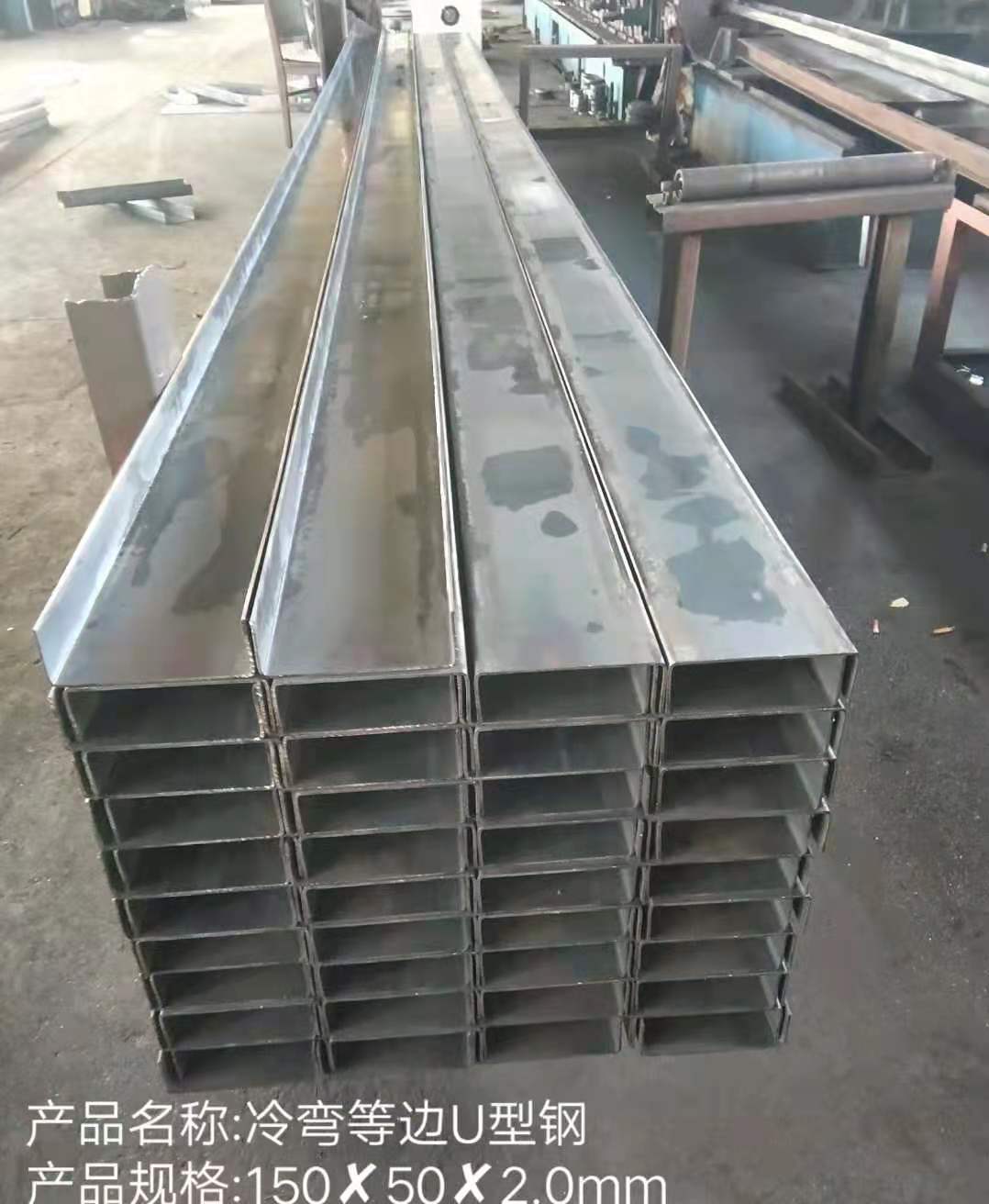

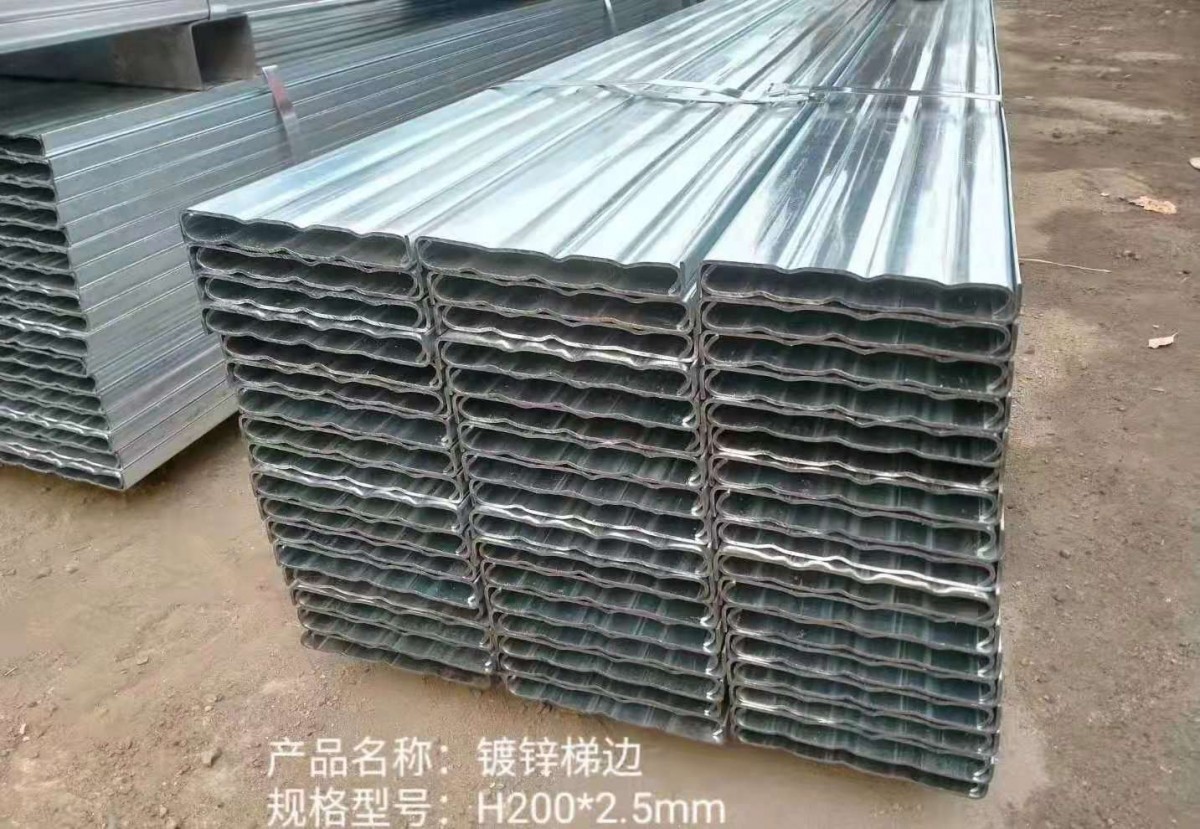
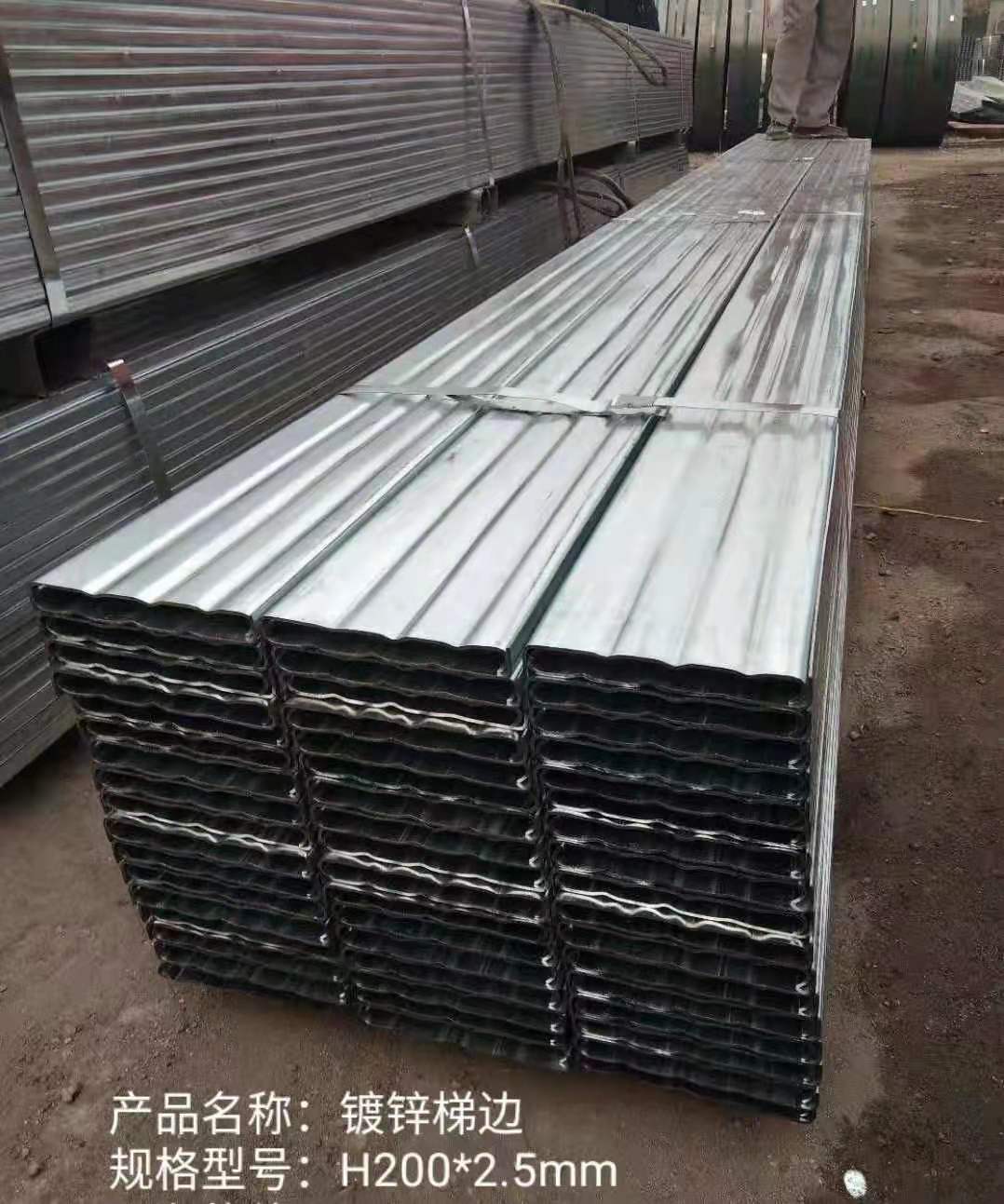

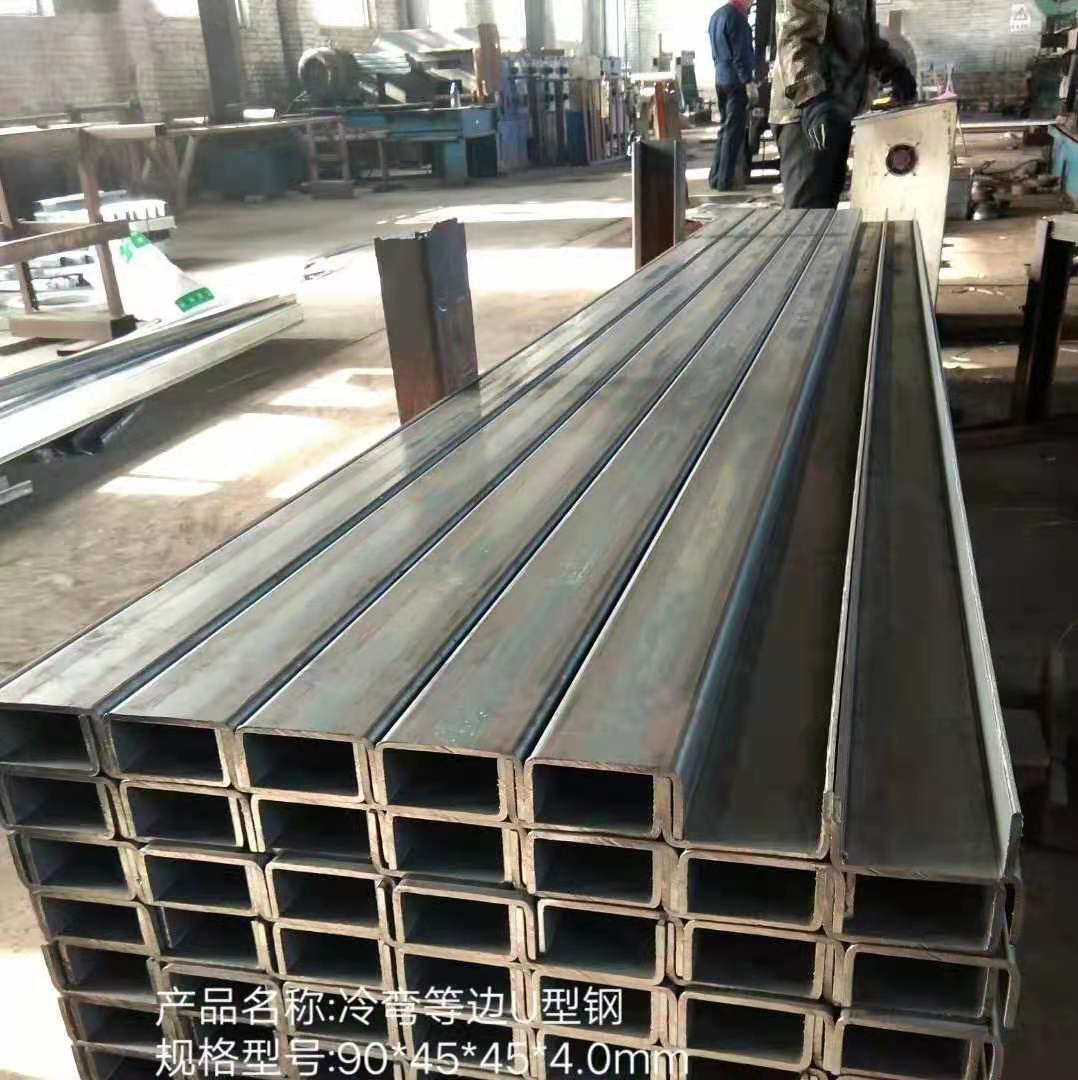


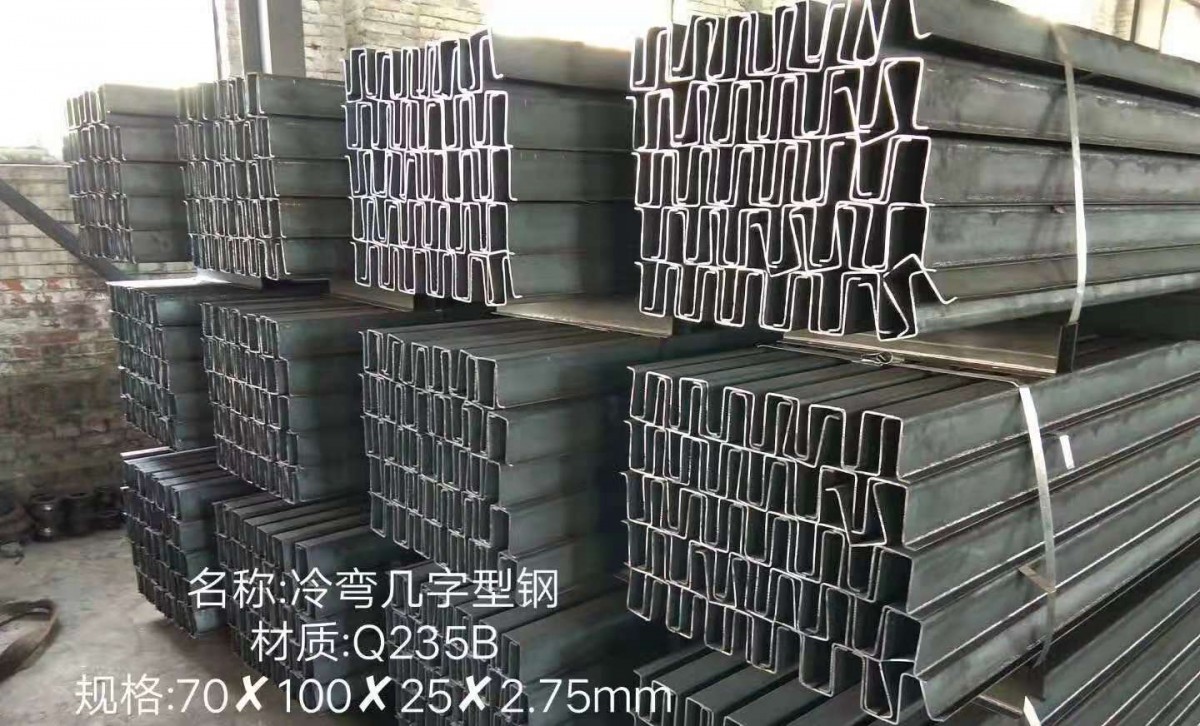
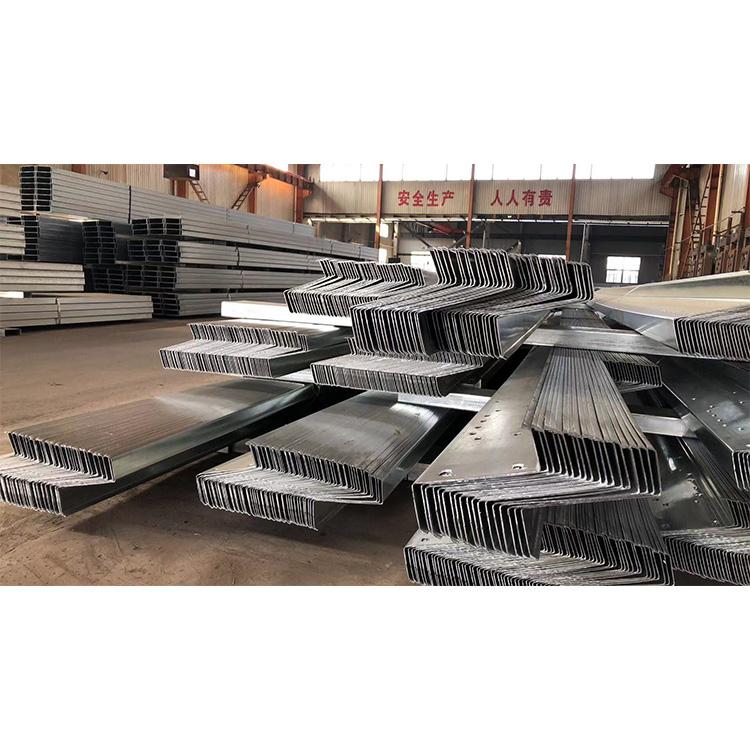

Do not affix steel or corrosive materials (such as acids, alkalis, salts, or cement) to the storage facility. To prevent confusion and contact damage, different types of steel should be stacked separately. The C-shaped steel manufacturer's storage facility should be ventilated on sunny days, monitored for moisture during rainy weather, and always maintained in an appropriate storage environment.
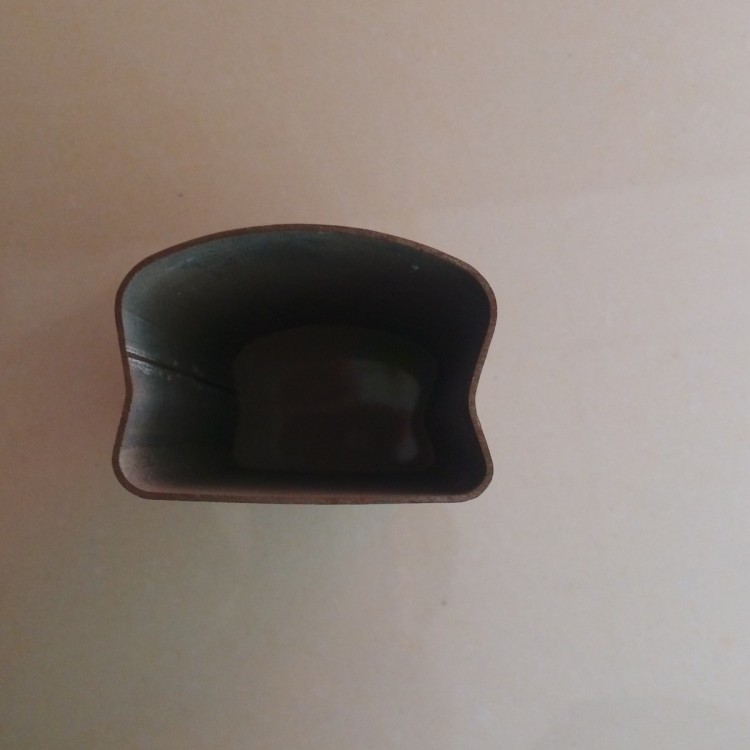
Galvanized C-channel steel requires both ductility and rigidity, as well as performance at room and high temperatures. Large-diameter galvanized C-channel steel is primarily produced using thermal control equipment. To meet mechanical property requirements, C-channel manufacturers perform offline routine procedures after hot rolling. By fully utilizing thermal expansion processes, they enhance production efficiency, reduce the production process of galvanized C-channel steel, increase short-term value, and save energy.