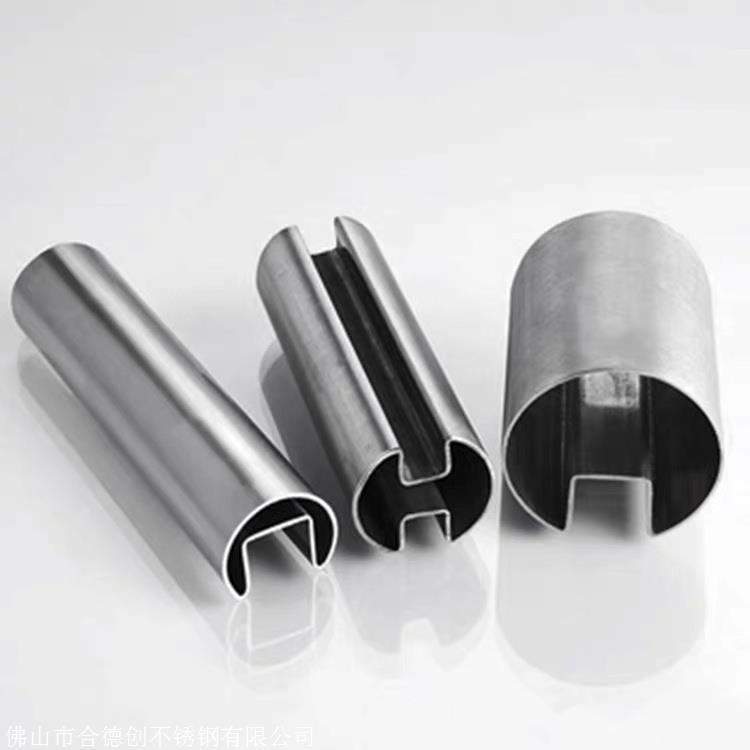

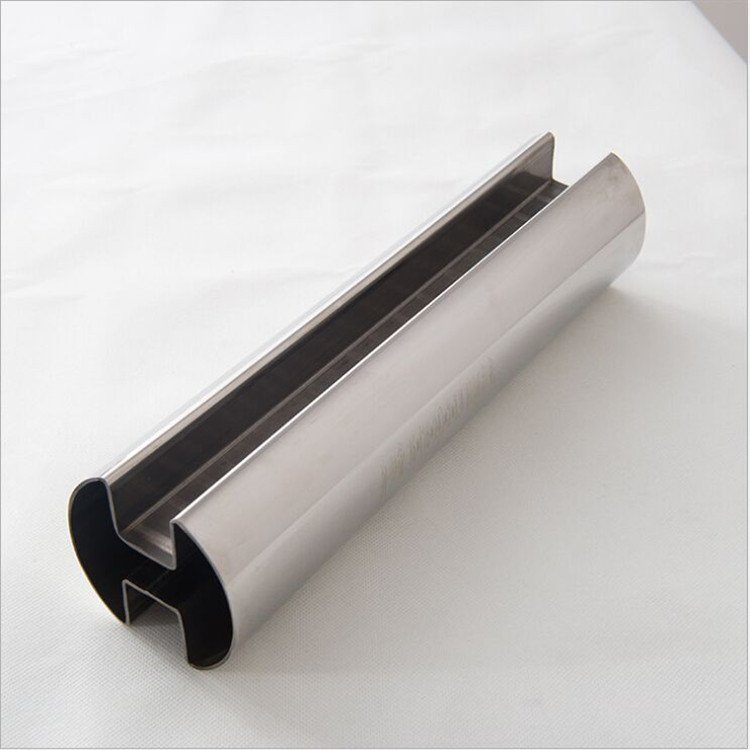

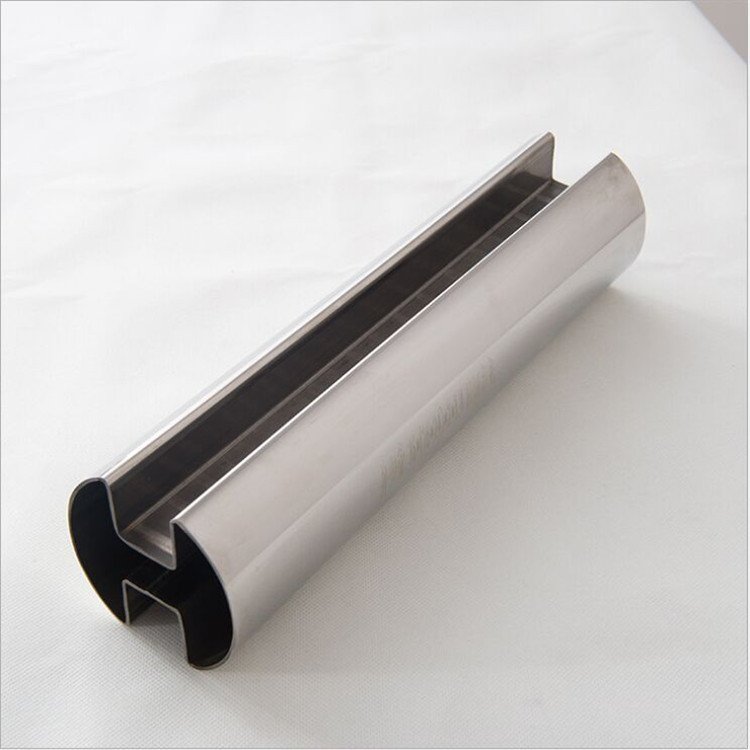
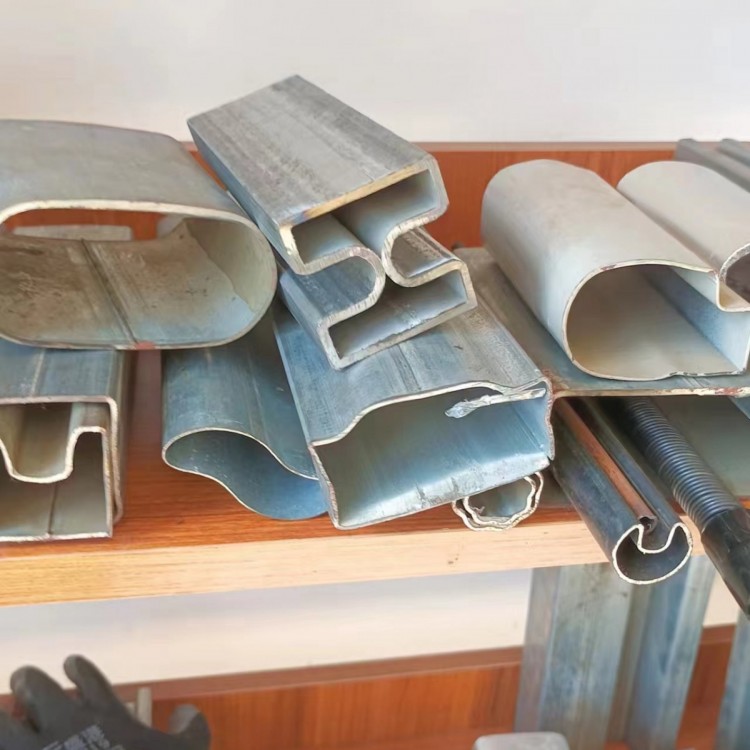
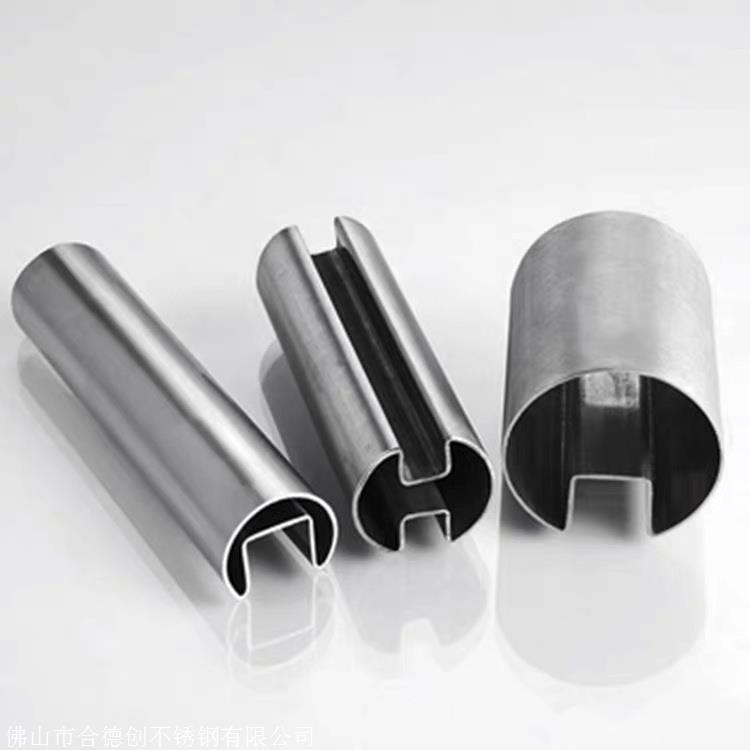












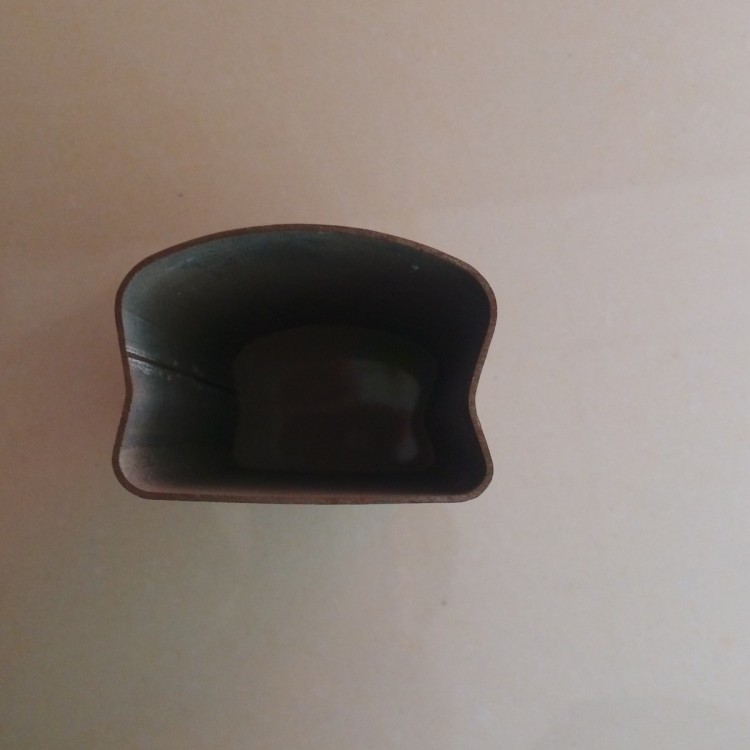
27x55 grooved tube, 27 grooved tube, 40x80 half-grooved tube
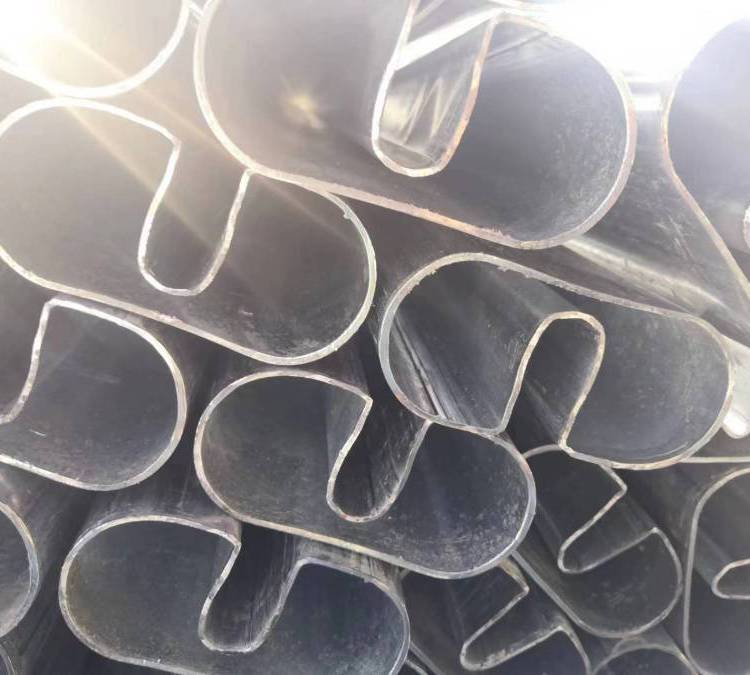
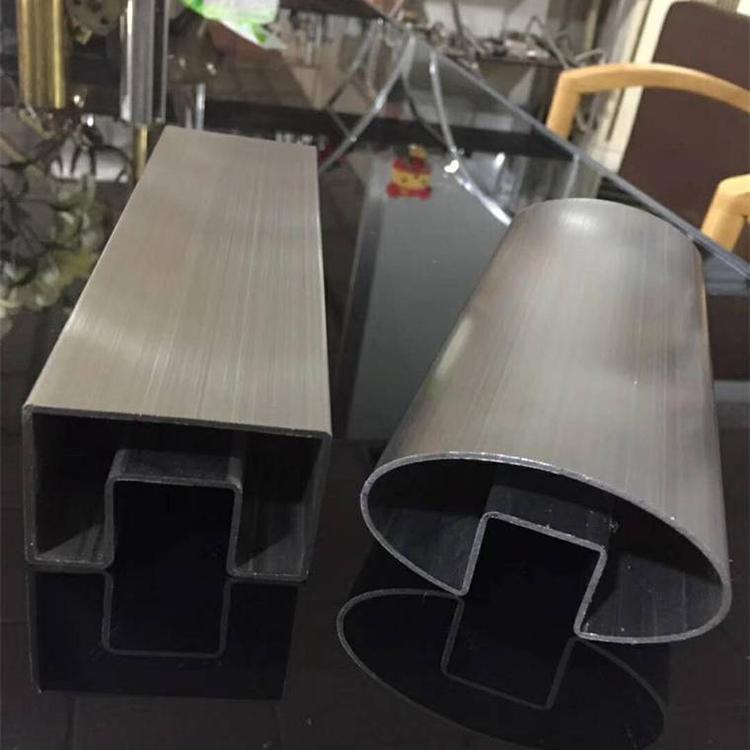
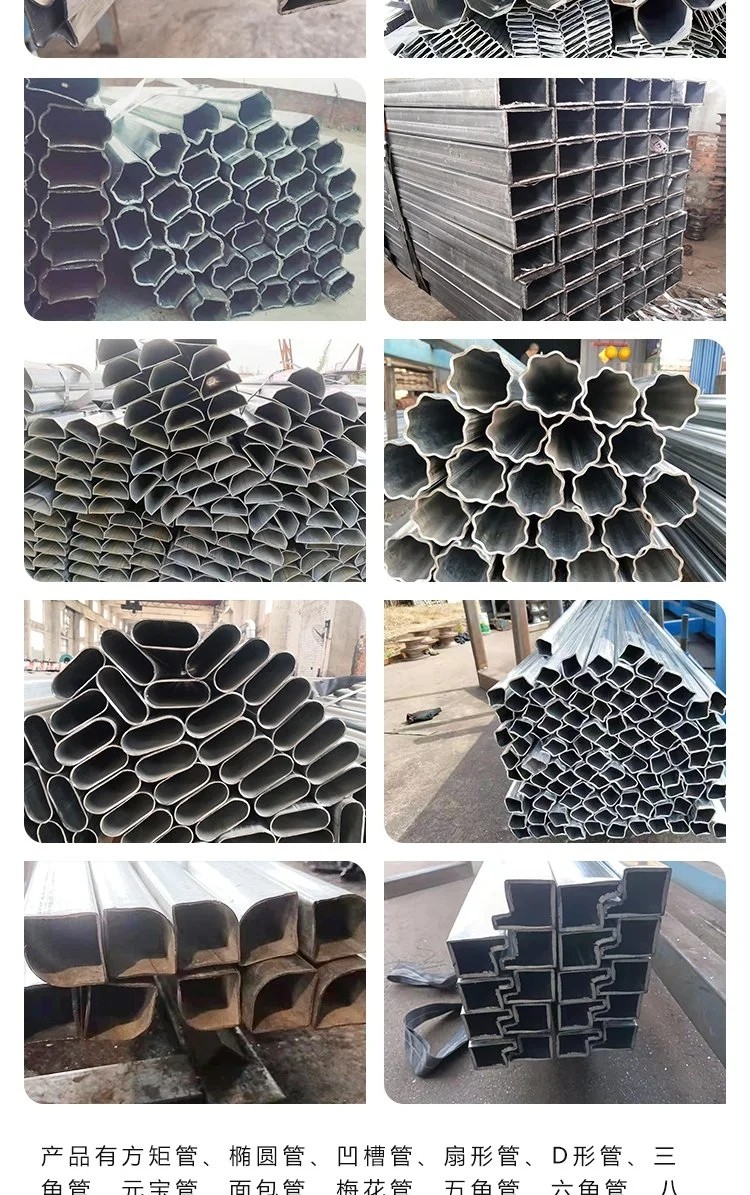
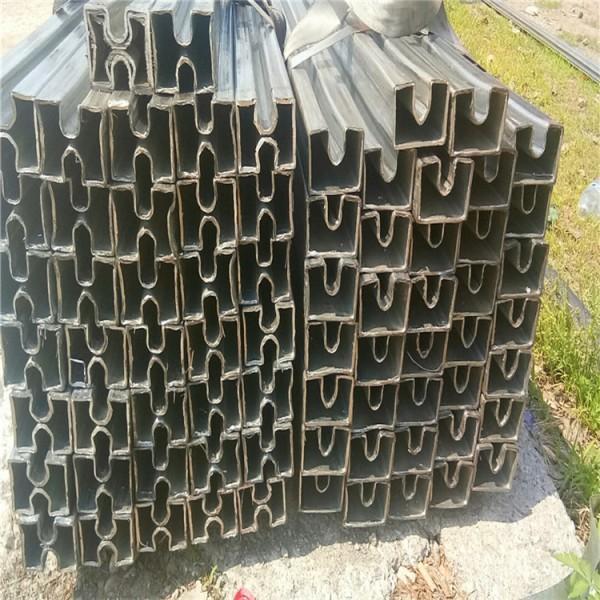

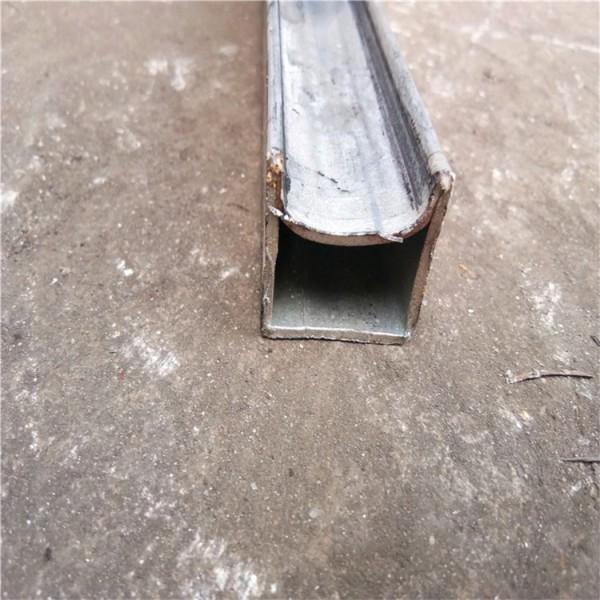
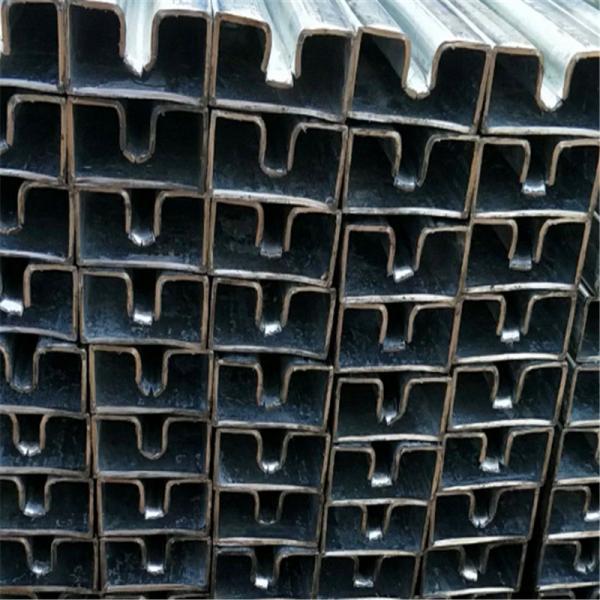
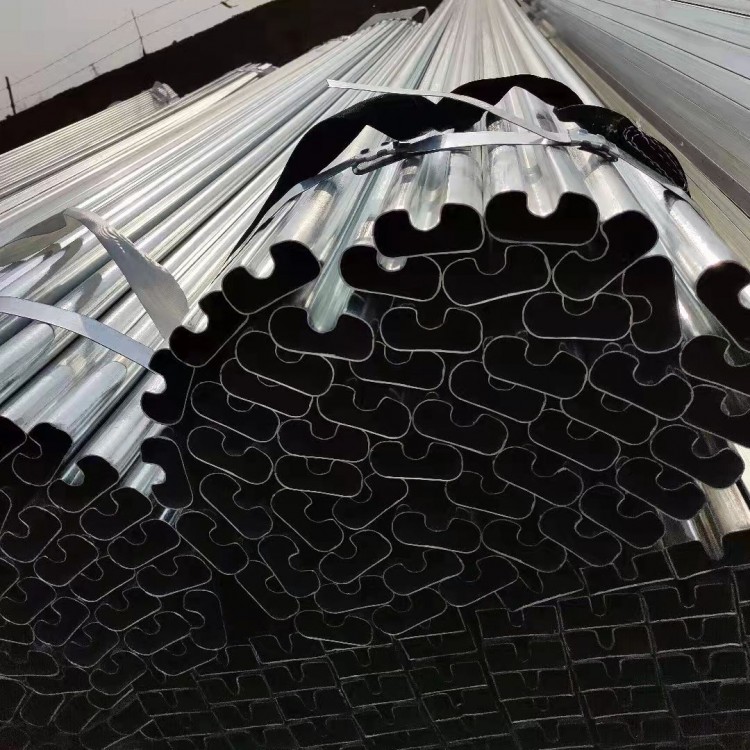
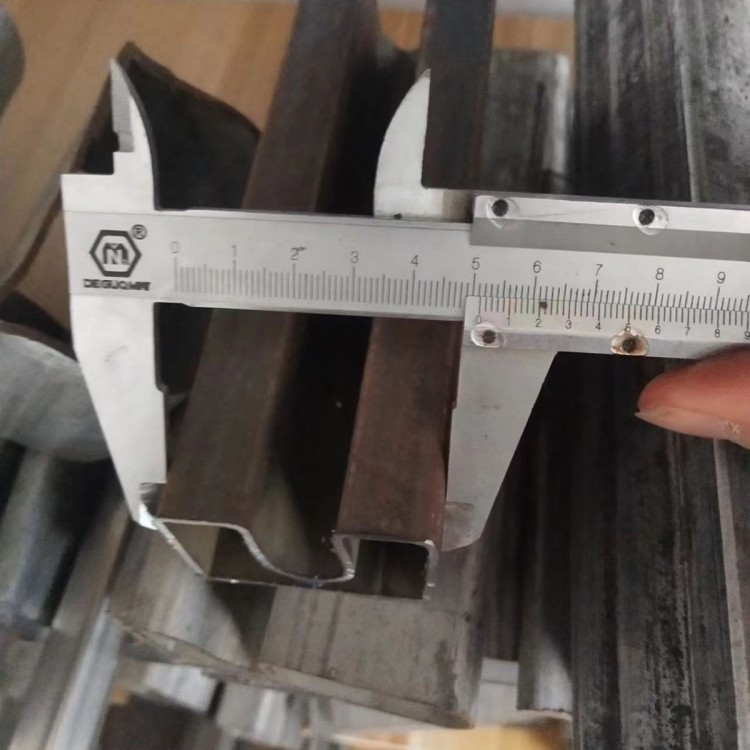
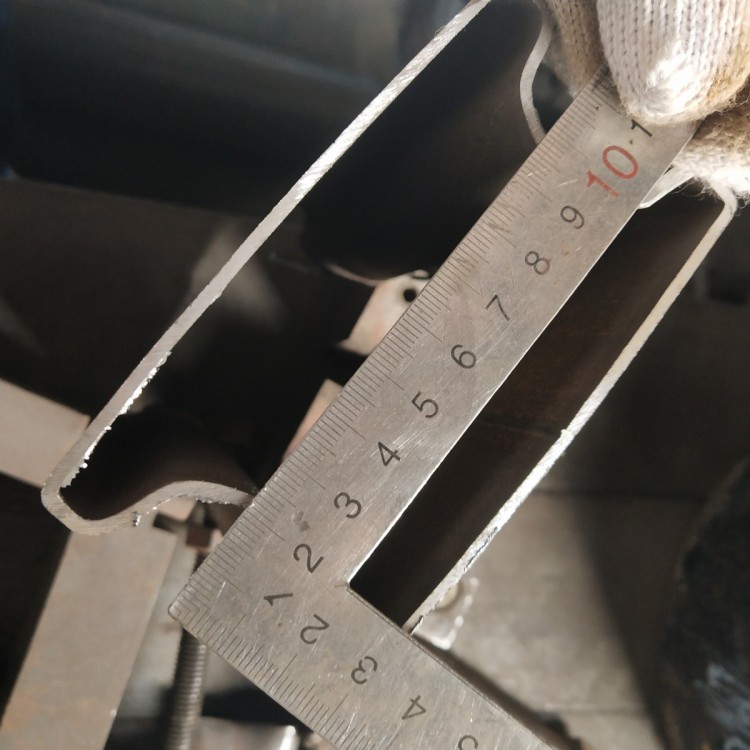
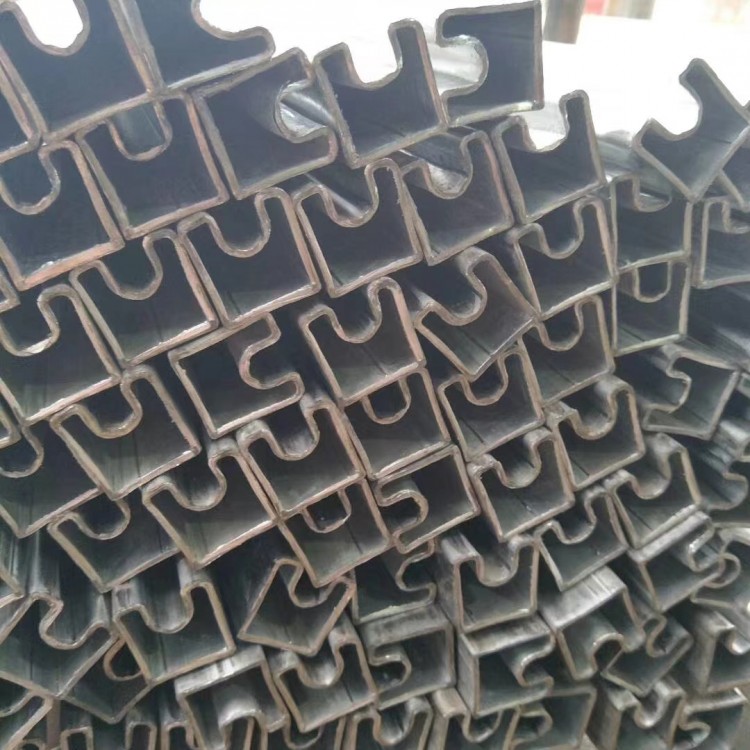
 27x55 grooved tube, 27 grooved tube, 40x80The following is a detailed introduction to the 27*55 grooved tube, 27 grooved tube, and 40*80 partially grooved tube: ### 27*55 Grooved Tube - **Specs and Structural Features**: This tube material has a rectangular cross-section, with the long side measuring 55mm and the short side 27mm. The depth and width of the grooves may vary depending on the manufacturer and specific application, generally ranging from 2-5mm.
Width is approximately 3-8mm. - **Key Production Process**: Typically, the cold bending forming process is used, where the steel strip is gradually bent into the required shape through rolling mills. The material of the steel strip is usually Q235 carbon structural steel, with thickness ranging generally from 1-2.5mm.
Welding is predominantly performed using high-frequency welding to ensure the quality of the welds. The creation of grooves can be achieved through die stamping or CNC machining. - **Application Fields**: In furniture manufacturing, it can be used to make bed frames, chair frames, etc., where grooves can accommodate fixed connection parts or decorative strips. In the field of automotive interiors, it can serve as a frame for small storage boxes.
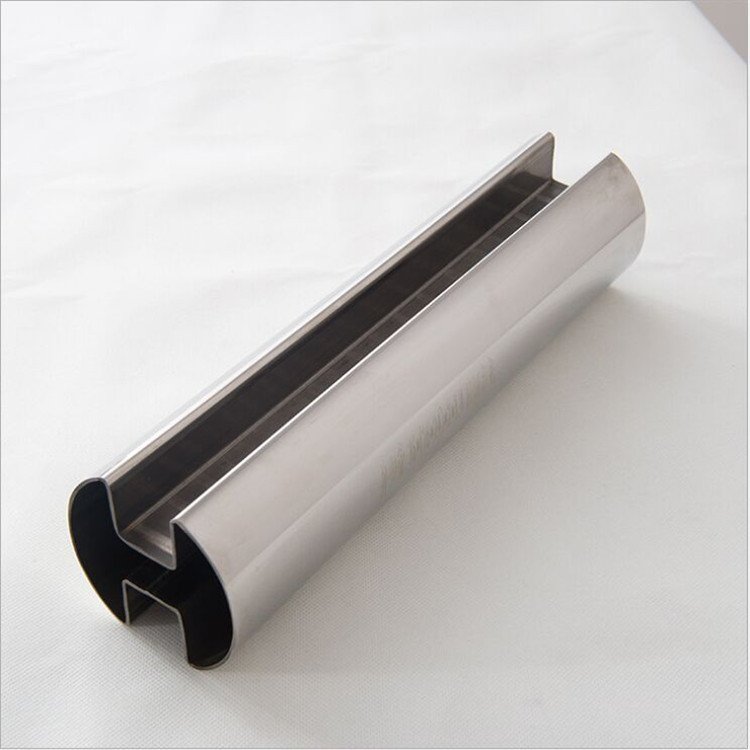
Components of handrail auxiliary support structures, used for fixing partition panels, fasteners for soft packaging materials, etc. Additionally, in the field of architectural decoration, they can be used to produce small decorative components or partition frames. ### 27 Groove Pipe - **Specs & Structural Features**: The 27 groove pipe typically refers to a circular groove pipe with an outer diameter of 27mm. The grooves are usually evenly distributed along the circumference of the pipe, with the number, depth, and width of the grooves determined by specific application requirements.
Common groove depths range from 1.5-4mm, with widths around 2-6mm. - **Production Process Key Points**: During production, the round steel is first pre-treated through piercing and acid washing, followed by shaping the tubes through cold drawing or cold rolling processes. Grooves are formed during this process through the design of the mold or roller shape.
Material options include 10#, 20# carbon structural steel, ensuring the strength and toughness of the pipe. - **Application Areas**: In mechanical manufacturing, it can be used as a protective sleeve for drive shafts of small equipment, with grooves for installing seals or fixed keys. In the construction field, it can be used to make curtain rods, clothes racks, etc., with grooves for installing hooks or pulleys.
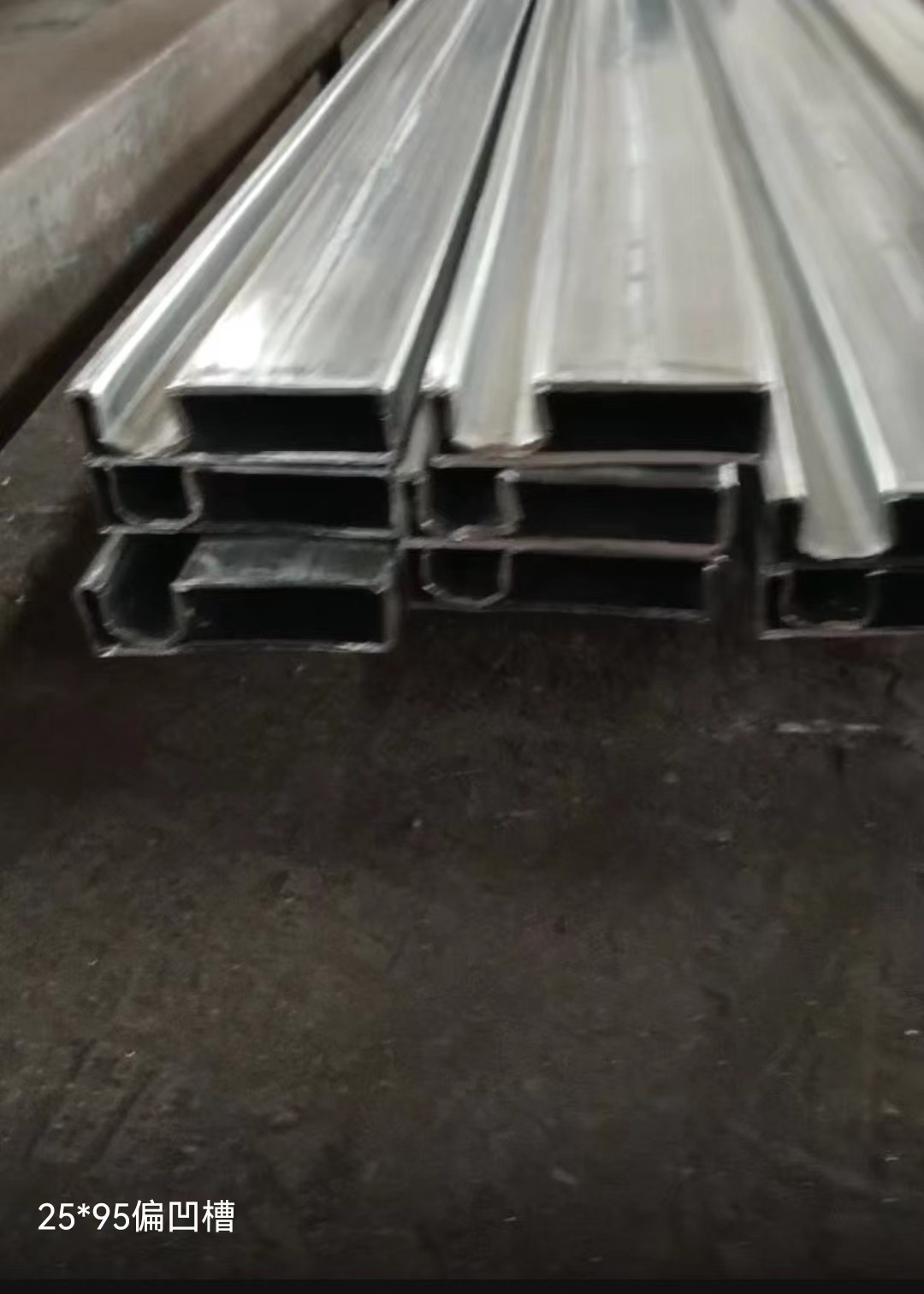
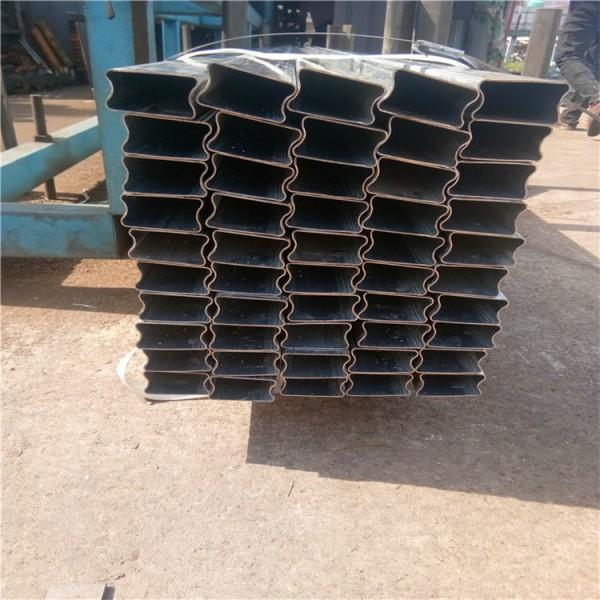
In the furniture industry, it can be used to manufacture some furniture accessories with special functions, such as adjustable legs. ### 40*80 Grooved Tube - **Specs and Structural Features**: The cross-section is rectangular, with the long side being 80mm and the short side being 40mm. Its characteristic is that the groove is not centered on the tube but is offset to one side.
This concave groove design enhances the adaptability and functionality of the pipe during installation and use. The groove depth typically ranges from 3-8mm, and the width from 5-12mm. - **Production Process Key Points**: Utilize cold bending forming technology, select appropriate steel strips, such as Q195 material, with a thickness of 1.5-3mm. During the cold bending process, strict control over the roller parameters is essential.
Ensure the shape accuracy of the pipe material and the precision of the indented groove positions. High-frequency welding is used to ensure the welds are strong. For the processing of indented grooves, special molds can be used for stamping or CNC machining to achieve the desired precision. - **Application Fields**: Widely used in balcony glass guardrails, where the indented grooves allow for easy installation of glass fixing brackets, enhancing the stability and firmness of glass installation. In industrial equipment, they can serve as support or connecting components for special structures.
Grooved edges are used for installing specific components or pipes. In the field of architectural decoration, they can be used to create decorative components with unique shapes, such as non-standard partitions and handrails.Slight concave tube