










Efficient space planning is a crucial element in practical office design. By assessing the company's needs and the team's workflow, properly planning the office space can maximize efficiency and save costs. Here are some practical space planning tips:
Open-plan office space Open-plan office spaces can break down traditional partitions, creating a shared work environment. This not only reduces space utilization but also fosters teamwork and communication. The use of streamlined furniture and thoughtful layout can maximize personnel density while conserving space. Multi-functional conference rooms Establishing a versatile conference room can cater to meetings of various sizes and purposes, avoiding the need for multiple small rooms. Utilizing movable partitions and furniture to alter the size and shape of the conference room can provide privacy as well as cost savings.
Optimizing Document Storage Space Optimizing document storage is a crucial aspect of office design. Implementing a digital file storage and sharing system can reduce the use and storage needs of paper documents. Moreover, selecting the appropriate storage equipment and organization schemes can effectively utilize space and enhance work efficiency.
In cost-effective office design, the selection of construction materials is crucial. Opting for materials with excellent performance and sustainability can not only save costs but also enhance the company's image and competitiveness. Here are some suggestions for cost-saving material choices:
Choose environmentally friendly materials that meet environmental standards to help reduce the release of harmful substances indoors, providing a healthy and comfortable office environment. For example, using low-VOC (volatile organic compounds) paints and flooring materials can decrease air pollution and minimize negative impacts on employee health.
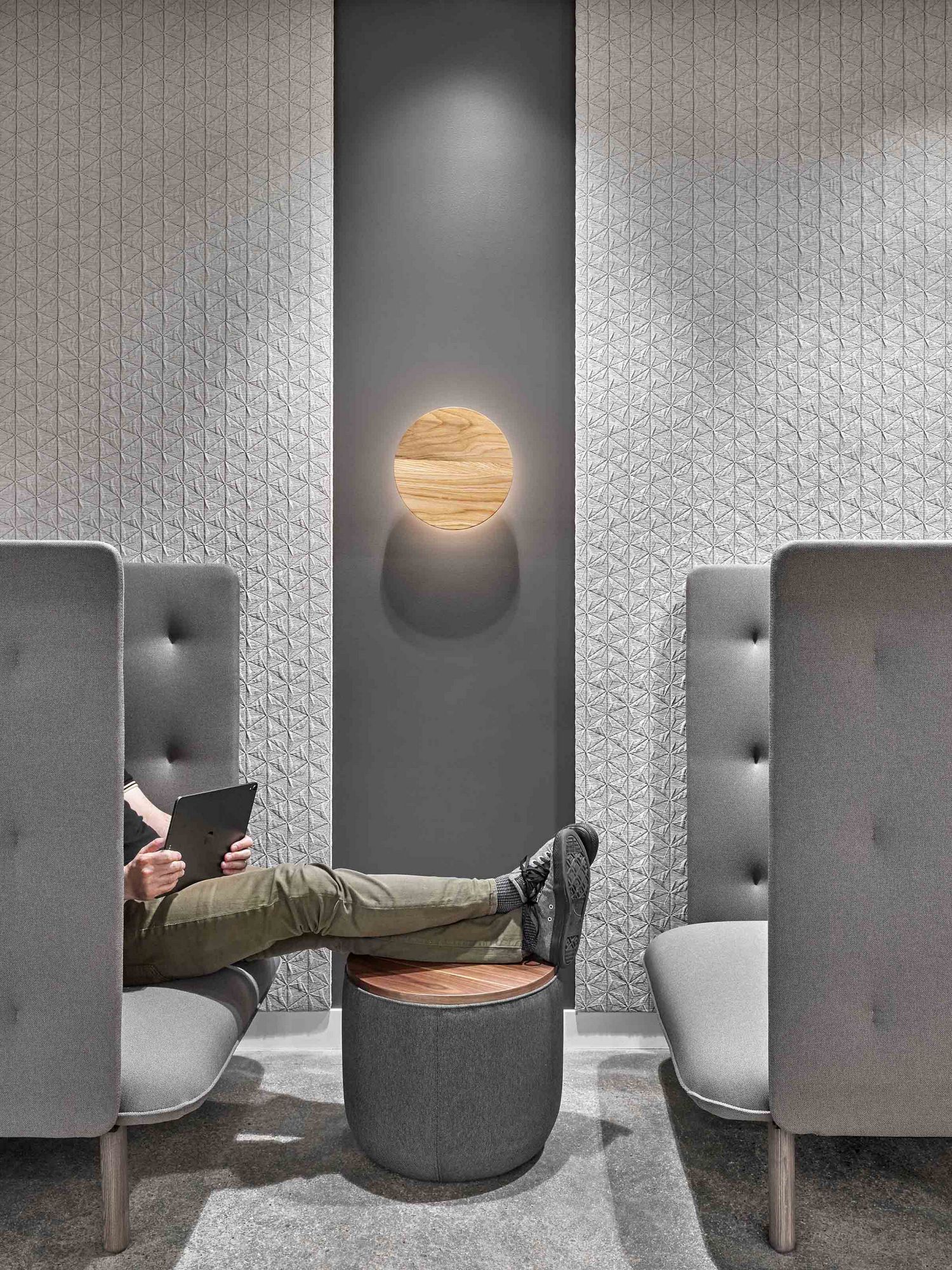
Efficient lighting, utilizing high-efficiency lighting equipment such as LED fixtures, can reduce energy consumption and maintenance costs. LED fixtures have a long lifespan, low power consumption, and can adjust brightness and color temperature through smart dimming systems, catering to various working needs.
Choosing sustainable building materials, such as recycled wood and recyclable materials, helps reduce the consumption of natural resources and enhances the company's social responsibility image. Additionally, sustainable building materials typically have a longer lifespan, which can reduce future maintenance and replacement costs.
Design Elements to Enhance Company Competitiveness Economical and practical office design not only saves costs but also boosts a company's competitiveness. Here are some design elements that can help a company become more competitive: Incorporating the company's brand identity and design elements into the office layout can enhance the company's image and convey core values. By using logos, colors, and images appropriately, the office can become part of brand promotion, strengthening the company's market competitiveness.
Flexible workspaces offer employees the choice of various work settings, enhancing comfort and productivity. For instance, by providing leisure lounges, desk stations, and standing workstations, employees can freely select their preferred work style based on individual needs and job types, thereby improving their work experience and satisfaction.
Maximize Natural Light and Greenery Utilizing natural light and greenery can enhance the comfort of the office environment and boost employee productivity. Installing large windows in the office to take full advantage of natural light sources can reduce energy consumption and help alleviate eye strain for employees. Additionally, introducing green plants can improve air quality and bring joy to employees, thereby increasing work efficiency. Economical and Practical Office Renovation The design of the office renovation plays a crucial role in its cost-effectiveness. Through thoughtful design and construction, an impressive office environment that aligns with the company's image can be created. Here are some key points for achieving a successful renovation effect: Consistent Design Style Maintaining a consistent design style in office renovation conveys a sense of unity and consistency. By choosing the same color scheme, textures, and materials, an overall cohesive office environment can be created, fostering a collaborative atmosphere for both employees and clients.
Creative Decor and Branding - Through creative decor and branding, offices can add personality and vitality. For instance, installing the company logo on walls or at the entrance, hanging unique decorations, or placing distinctive furniture can all catch the eye and highlight the company's brand image.
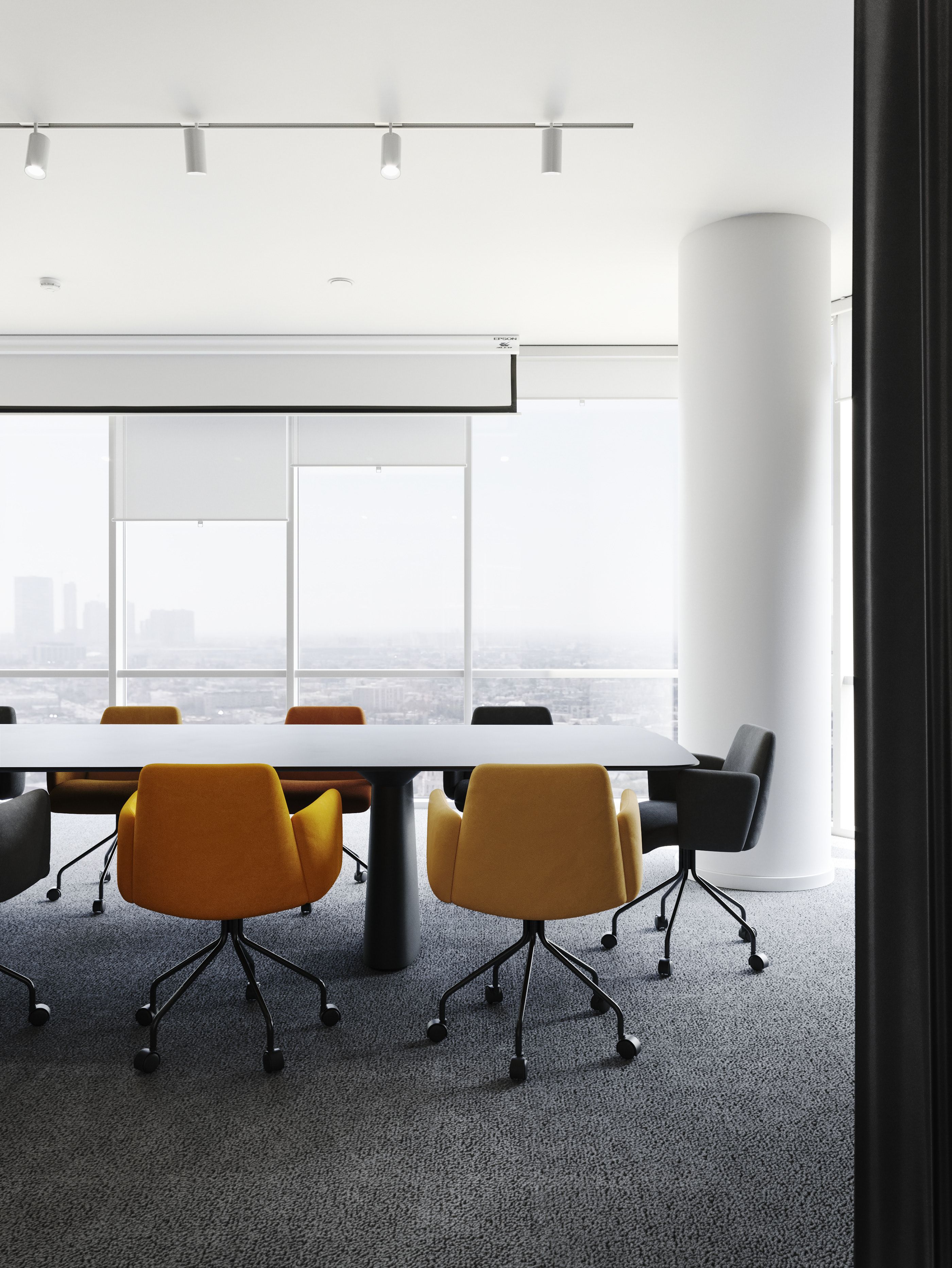
A comfortable employee break area is important, but equally crucial is the design of the break area. Providing a relaxing environment with soothing music, comfortable sofas and rest chairs, and ample space can help employees unwind and enhance their work efficiency. In practical office design, factors such as rational space planning, selecting cost-effective materials, incorporating design elements that boost company competitiveness, and achieving a satisfactory finish are all significant considerations. By integrating these elements, a company can be offered an economical, efficient, and competitive office environment, improving overall operational efficiency and bestowing greater commercial value on the company.













