










Section 1: Soul-Aligning Teahouse Design
Tea houses, as places for leisure, should start with the emotional fit of customers in their design philosophy. Experts suggest that the design of tea houses should focus on creating a warm and comfortable atmosphere, giving customers a sense of being at home. Through clever arrangement and decoration, tea houses can allow customers to experience tranquility and relaxation, thereby enhancing their emotional well-being.
Two: A Visual Feast of Tea House Design
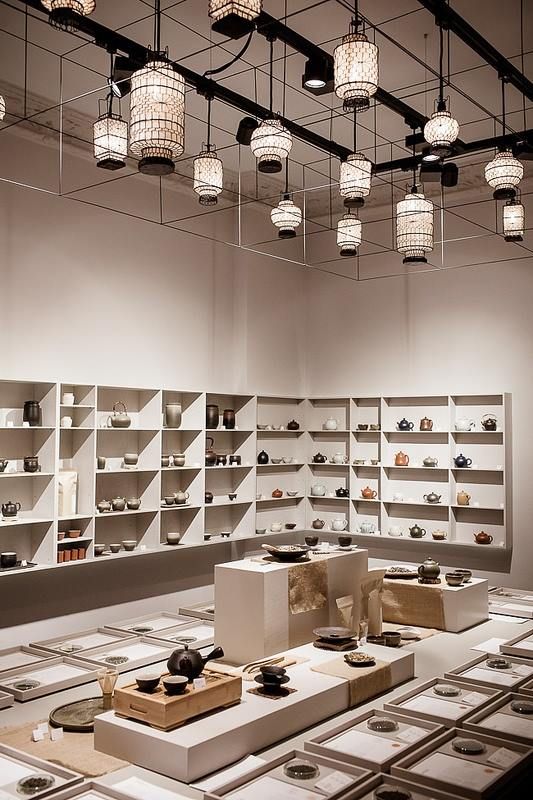
Visual perception is one of the key ways people experience the world. The design of a tea house should focus on creating a unique and beautiful visual feast. By fully utilizing elements such as color, lighting, and decorations, an artistic atmosphere and pleasing visual effects can be achieved. Experts suggest that a variety of colors can be used in tea house design to create a harmonious ambiance, while clever lighting arrangements can provide customers with a unique experience within the tea house.
Section 3: Tea House Design with Integrated Aroma
A teahouse, closely associated with tea culture, must have the aroma of tea as an essential element. In the design of a teahouse, experts recommend considering the integration of fragrance. By selecting appropriate plants, incense, and aromatherapy, a teahouse can be filled with natural fragrance, allowing customers to enjoy the cultivation and pleasure of aroma while sipping tea.
Section 4: Tea House Design for Sound Healing
Sound is one of the key senses through which people perceive the world, and the design of a teahouse should emphasize the healing effect of sound. Experts suggest that soft music, the sound of flowing water, or bird songs can be used in teahouses, complementing the overall decorative style. This allows customers to enjoy the therapeutic benefits of sound in a comfortable environment, alleviating their stress and anxiety.
Section 5: Delightfully Textured Tea House Design
Touch is one of the senses that humans directly interact with the outside world. Tea house design should focus on allowing customers to experience the pleasure of touch. Experts suggest that soft fabric furniture, warm and smooth wooden floors, and comfortable seating can be chosen in tea houses to make customers feel cozy and warm, thereby enhancing their emotional well-being.
Section 6: Design for a Tea House of Tastes and Enjoyment
Teahouses are closely linked with tea culture, and the taste and mouthfeel of tea are significant factors in teahouse design. Experts suggest considering a variety of tea flavors in teahouse design to offer customers more choices and enjoyment. Additionally, the restaurant design of a teahouse should focus on the gustatory experience of dishes, allowing customers to experience a multiplication of taste within the teahouse through careful cooking and pairing.
Section 7: Teahouse Design for Co-working Spaces
Teahouses, as social venues, should focus on designing shared spaces. Experts suggest considering open seating and leisure areas in the layout of teahouses to provide customers with more space and opportunities for interaction and communication. Additionally, teahouse designs can offer various-sized private rooms to cater to different customer needs, allowing them to find a comfortable space within the teahouse.
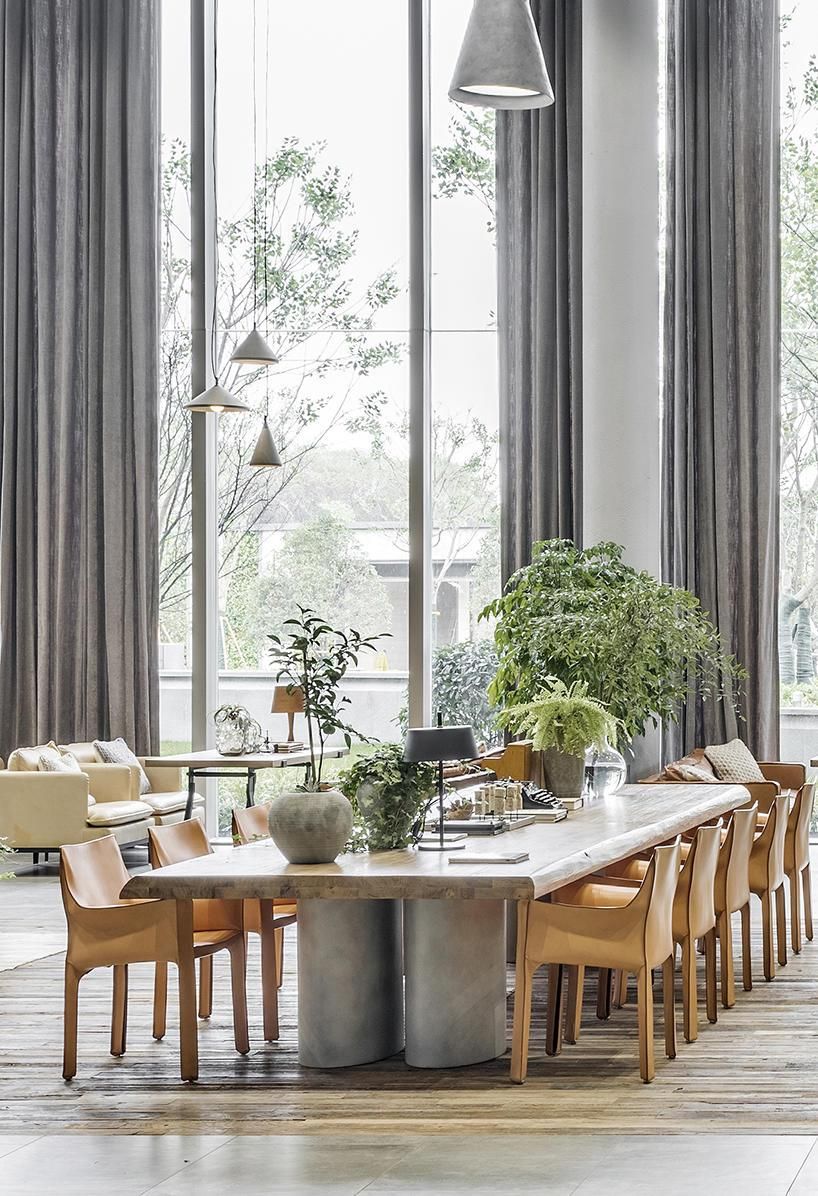
By focusing on a five-sense-centric tea house design, experts can help enhance customers' emotional well-being. Whether through a visual feast of colors, lighting, and decorations, the healing effects of aroma and sound, or the pleasure of touch and taste, tea house design contributes to multiplying customers' emotional satisfaction. The design of shared spaces promotes social interaction among customers, transforming the tea house into a place of spiritual harmony for leisure.













