










As a tea house designer, I have always been committed to creating spaces that evoke emotional resonance. Through thoughtful layout, unique decor, and a comfortable indoor environment, a tea house is more than just a place to enjoy drinks; it's a sanctuary for the soul. In this tutorial, I will share some secrets of tea house design to help you create an atmosphere that boosts customers' emotions.
I. Express emotions through details
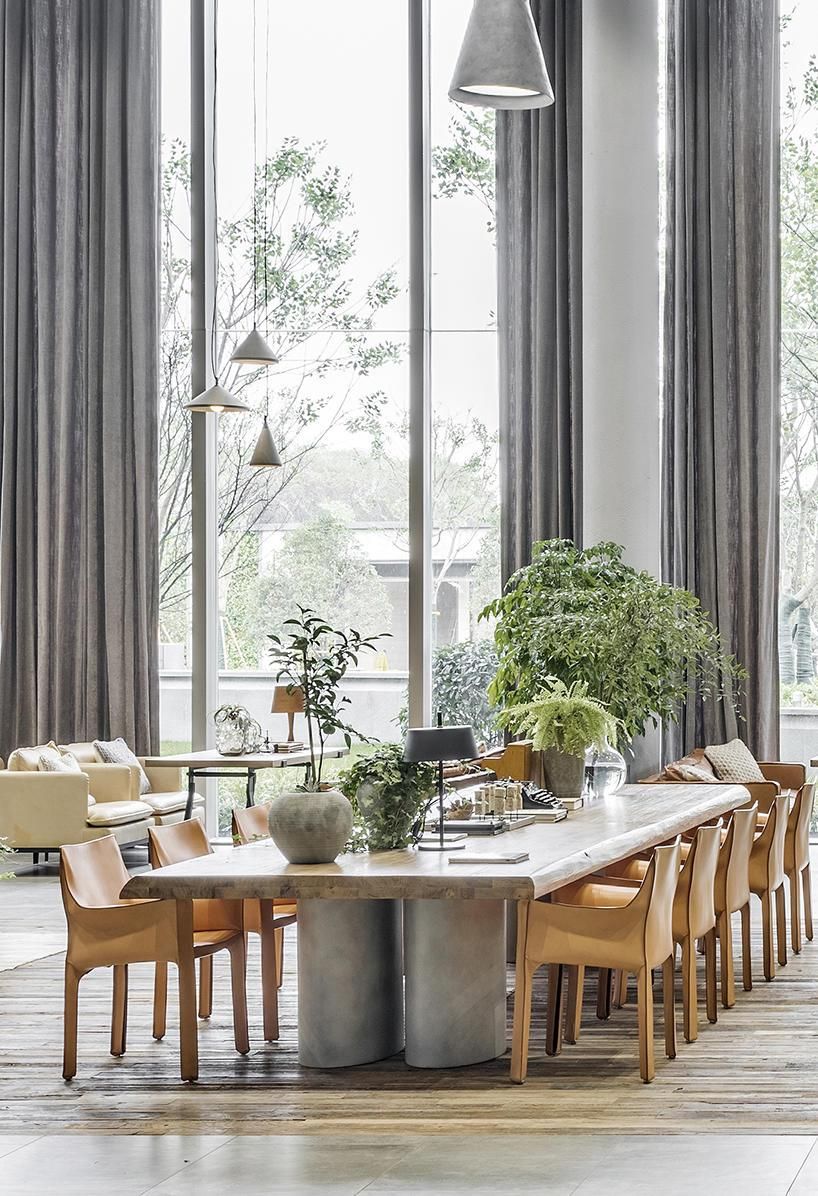
In teahouse design, details are crucial. By carefully selecting every tiny element, we can convey specific emotions and atmospheres. For instance, choose soft lighting and warm tones to create a sense of comfort; arrange some green plants to add vitality and a natural feel; use soft materials and comfortable furniture to enhance tactile enjoyment. Attention to detail will allow customers to experience a whole-body relaxation, thereby multiplying their mood.
II. Utilizing Music to Regulate Emotions
Music is an art form that can directly affect mood. Selecting and pairing the right music will be an important task in the design of a teahouse. Avoid overly piercing or aggressive music and opt for soft, soothing tunes that help customers unwind. Choose music based on the style and theme of the teahouse, such as classical music or traditional instruments for a traditional teahouse, or light jazz or piano pieces for a modern one.
III. Create Appropriate Aromas
Aroma is a tool that stimulates the brain through the sense of smell and triggers emotional responses. In the design of tea houses, choosing the right aroma can enhance customer emotions. Different tea house styles can opt for different aromas. For instance, the scent of jasmine brings a sense of freshness and relaxation, suitable for tea houses that are close to nature; while sandalwood can induce a feeling of inner peace, fitting for tea houses with a Zen-like atmosphere.
IV. Offer a delightful sensory experience
One of the most important elements in a tea house design is the tea beverages. The offered tea drinks and delicious snacks will delight customers physically and mentally, further enhancing their mood. Based on the positioning of the tea house, select suitable tea varieties and snacks, such as delicate green tea paired with exquisite pastries for an elegant tea house, or rich black tea and sweet dim sum for a cozy and leisurely tea house. By providing a unique and flavorful taste experience, you can fully satisfy and elevate the customers' emotions.
V. Create a space for social interaction
Teahouse design should not only elevate individual emotions but also provide a space for social interaction. To achieve this, we can create comfortable resting areas, communal tables, and ample space for communication. Attracting customers to interact with friends or strangers, sharing mutual joy and happiness, will amplify the emotional multiplier effect of the teahouse. By encouraging socialization and communication, we foster a warm and collaborative atmosphere, multiplying customer emotions.
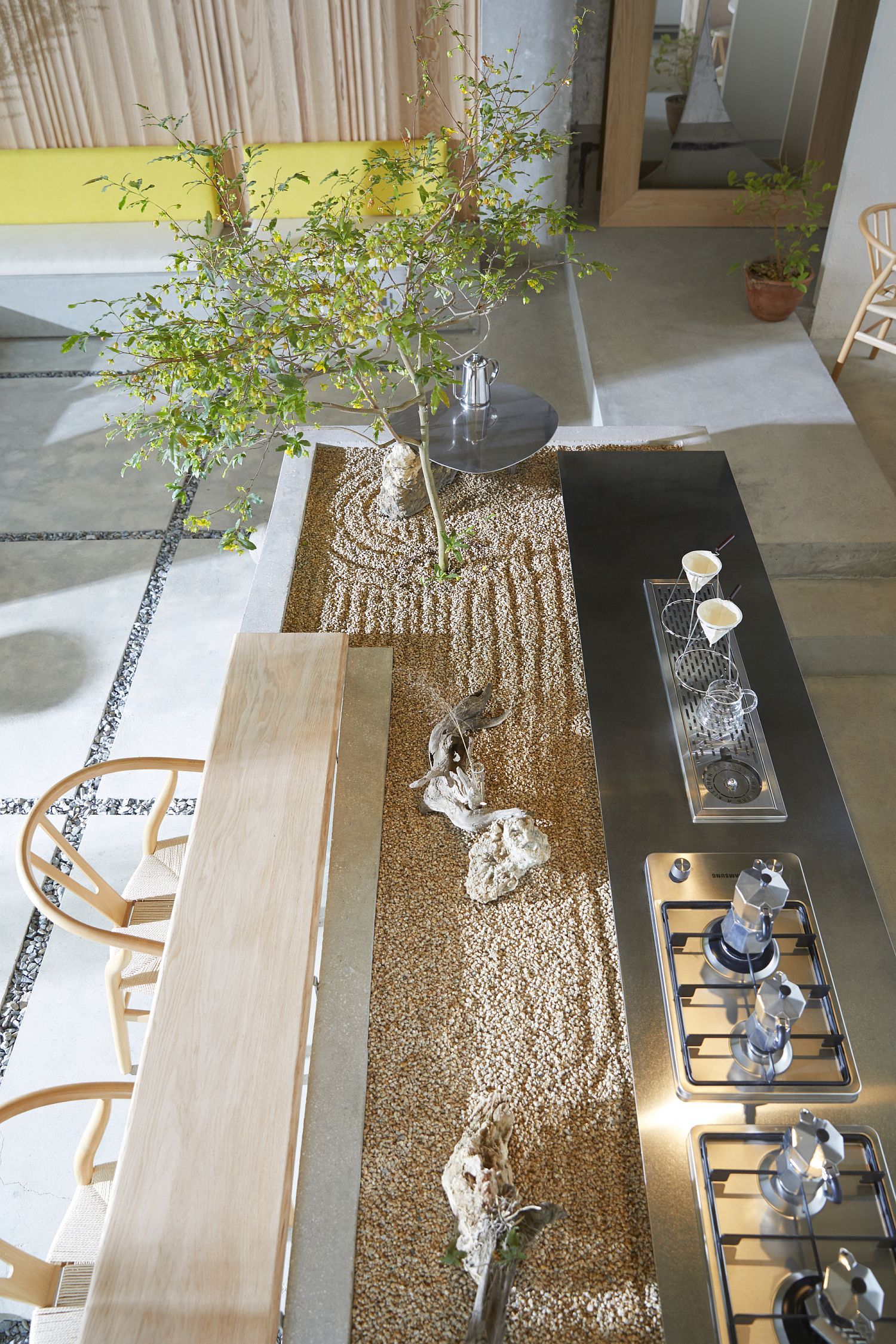
In summary, teahouse design is an art of sensory stimulation. By focusing on details, using appropriate music, selecting suitable aromas, offering delicious drinks and snacks, and creating spaces for social interaction, we can continuously amplify the customers' emotional multiplier effect. Whether they seek relaxation, inspiration, or a taste of delight, our teahouse will be the trigger for their emotions. Let's start from the heart, prioritizing the five senses, to create a teahouse that multiplies customer emotions!













