










Office design is a task that balances practicality and aesthetics. In today's highly competitive business environment, cost-saving and enhancing corporate competitiveness are of paramount importance. This tutorial will provide insights from an expert's perspective on how to achieve cost-effective office design, saving money while delivering impressive results.
Office Layout Design: The first step in office design is to establish a reasonable layout. A well-planned layout can enhance employee productivity, reduce energy waste, and make the office area more comfortable. Here are some key factors to consider:
Pedestrian flow: A well-designed pedestrian flow can enhance employee efficiency and minimize time wastage due to long-distance movement.
Department Distribution: Strategically placing different departments within the office promotes cross-departmental collaboration and reduces communication barriers.
Natural Light and Ventilation: A well-designed lighting and ventilation system can reduce energy consumption and enhance the working environment for employees.
Public Space Design: Allocating adequate public space in the layout can enhance employee interaction and boost teamwork.
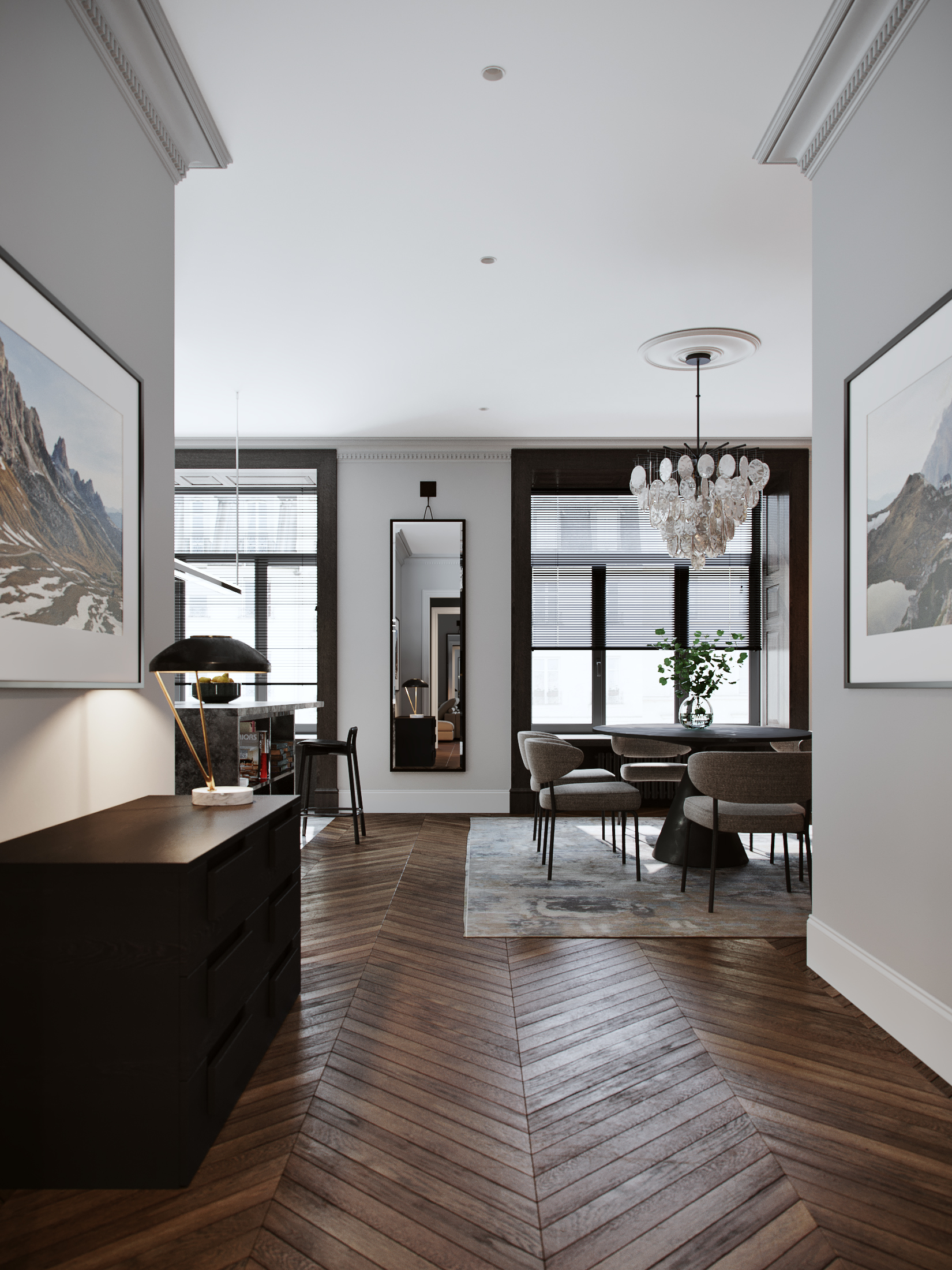
Choosing the right office furniture is a crucial factor in cost savings and enhancing competitiveness. Here are some suggestions:
Functional: Opt for multifunctional furniture such as storage-friendly desks and adjustable-height chairs, which cater to diverse employee needs and save office space.
Quality and Durability: Our furniture reduces the frequency of repairs and replacements, saves on maintenance costs, and provides a comfortable work environment.
Environmental Protection and Sustainability: Choosing furniture that meets environmental standards, such as using renewable materials and non-toxic, eco-friendly paints, reflects the company's commitment to social responsibility.
Brand and Style: Choosing furniture from a recognized brand can enhance your company's image and provide comfort and a sense of well-being for employees.
Lighting and Energy Efficiency - Lighting and energy consumption are non-negotiable factors in office design. Here are some solutions:
Natural Lighting: Maximize the use of natural light sources to minimize reliance on artificial illumination and enhance employee work experience.
LED Lighting: Opting for LED lighting fixtures can reduce energy consumption, extend their lifespan, and lower the costs of maintenance and replacement.
Smart Lighting System: Installing a smart lighting system can automatically adjust the brightness based on employees' actual needs, thereby enhancing energy utilization efficiency.
Energy Management System: By installing an energy management system, energy usage can be monitored in real-time, allowing for timely detection and resolution of energy waste issues.## Color and Decoration Color and decoration are important components of office design, contributing to the overall aesthetic of the workspace. Here are some suggestions:
Color Selection: Choosing bright and warm colors can boost employees' morale and work efficiency.
Brand Elements: Integrating the company's logo or brand elements into the office can enhance the company's image and employees' sense of belonging.
Artistic Decor: Appropriate decorations can add elegance and uniqueness to the office, enhancing employees' creativity and inspiration.
Plant Decor: Indoor plants not only beautify office spaces but also improve air quality and enhance employee comfort.
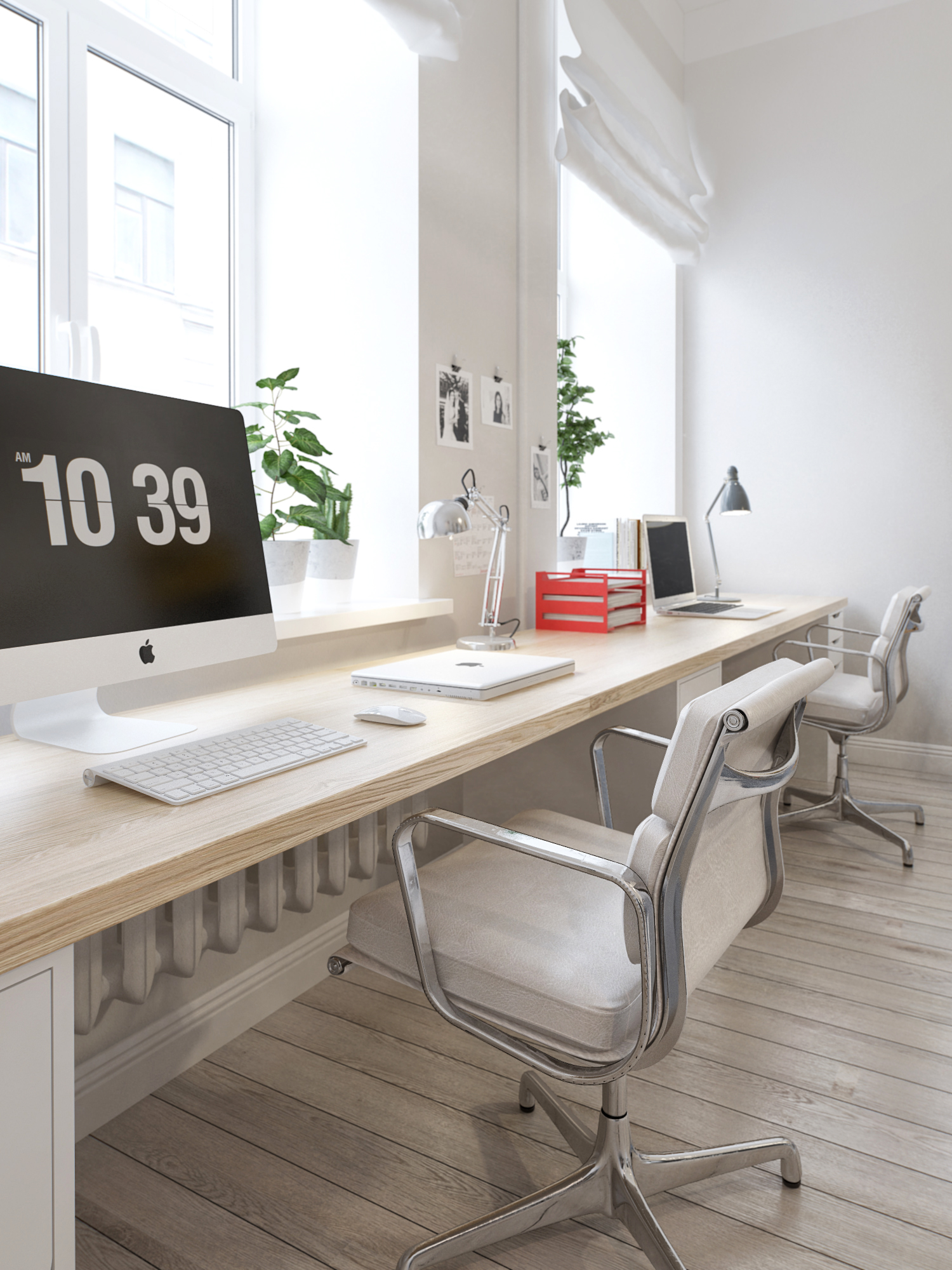
Here are some suggestions for cost-effective office design solutions. By implementing reasonable floor plans, intelligent furniture selection, energy-efficient lighting, and appropriate decoration, you can enhance your company's competitiveness while cutting costs, and create an impressive finishing effect. I hope this tutorial is helpful to you!













