










Identify needs and plan office layout effectively: The primary task in office design is to understand employee needs and plan the layout efficiently to enhance productivity and satisfaction. Before designing, through in-depth communication and research with employees, we can learn about their work habits, commuting methods, and communication needs. Based on this information, we can rationally plan the location and size of office areas, divide different functional zones such as work areas, meeting areas, and break areas, to meet various work requirements.
Selecting appropriate furniture and equipment is crucial in office design. An economical and practical design should balance cost and functionality. Choose furniture that offers comfort and durability to ensure a comfortable work environment and improved efficiency for employees. Additionally, office equipment such as computers and printers should be carefully selected. When choosing equipment, consider not only performance and reliability but also energy efficiency and cost-effectiveness.
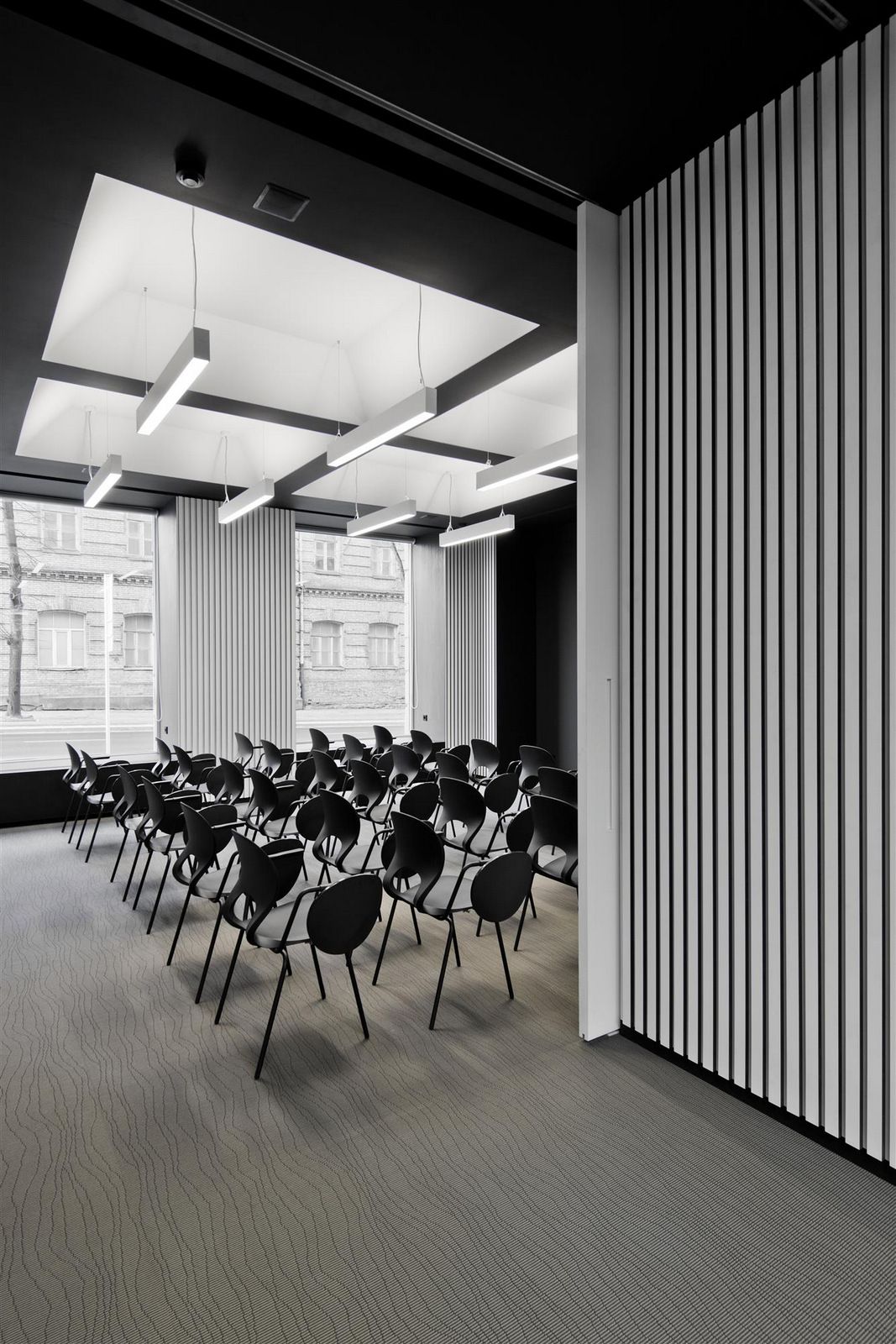
Efficiently utilize space to enhance office productivity. An economical and practical office design should make full use of available space to boost productivity. Strategically plan the layout of desks and storage cabinets to minimize space wastage. Additionally, dividing office areas with partitions or screens can enhance employee focus and efficiency. Furthermore, paying attention to ventilation and lighting design is crucial for providing a comfortable and healthy work environment.
Considering energy conservation and environmental protection, cost-effective office design solutions should also take these factors into account to reduce costs. Choose energy-efficient lighting and equipment to minimize energy waste. Plan the air conditioning and heating systems reasonably to reduce energy consumption. Additionally, consider using eco-friendly materials and establishing a reasonable waste management plan to decrease environmental pollution and disposal costs.
Pay attention to details and create a comfortable office environment. An economical and practical office design should not only consider cost and function but also pay attention to details and create a comfortable and pleasant working environment. Choose colors and decorations wisely to foster a positive atmosphere. Arrange greenery and add life and fun to the office. Moreover, providing comfortable resting areas and drinking stations can help employees relax and improve work efficiency.
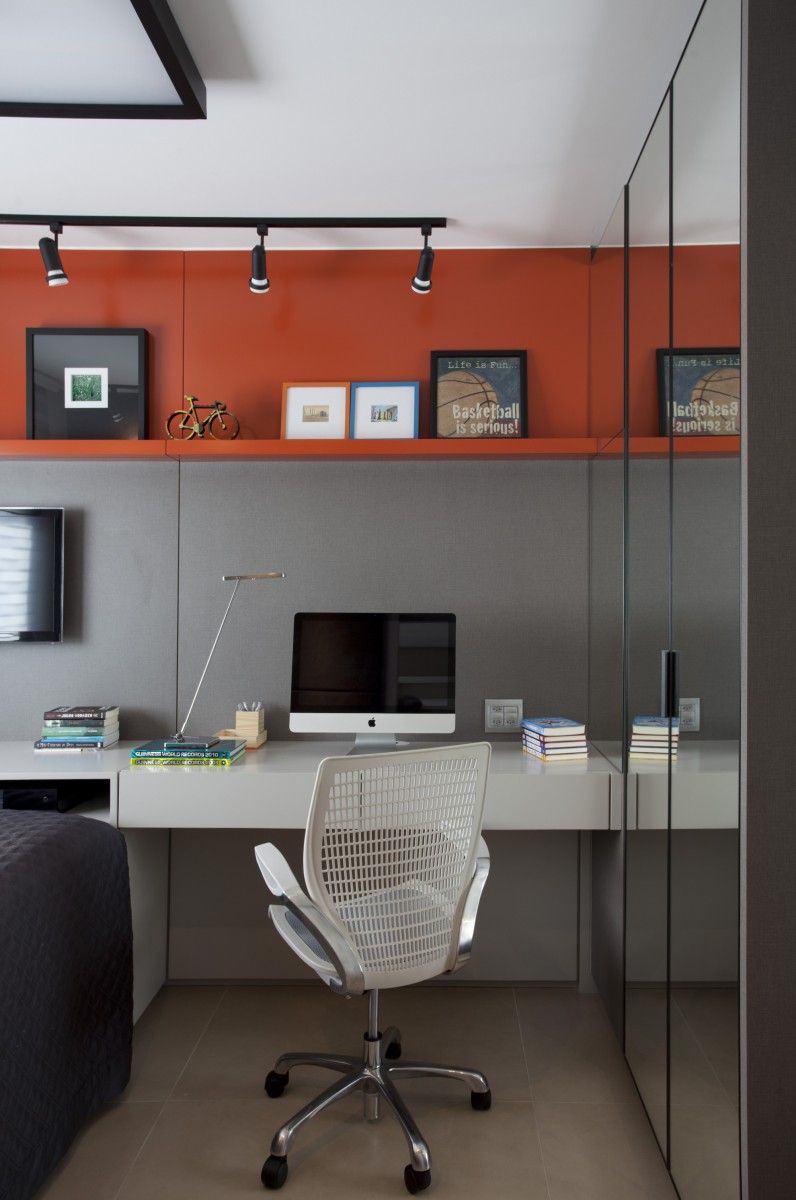
Practical and cost-effective office design solutions not only save costs but also enhance a company's competitiveness and create an impressive decorative effect. By understanding needs, planning layouts reasonably, selecting suitable furniture and equipment, optimizing space utilization, considering energy-saving and environmental protection factors, and paying attention to details, we can create an economical, practical, efficient, and comfortable office environment, bringing greater value and competitiveness to the company.













