










Understanding the emotional needs of consumers is the primary task in the design of tea houses. Designing for emotional diversity requires us to study and meet their needs from the consumer's perspective, catering to their requirements in different emotional states.
Color psychology plays a crucial role in mood regulation. By appropriately applying color psychology, the design of a tea house can create a rich emotional experience. For instance, red can stimulate passion and vitality, making it suitable for use in tea houses; while blue is conducive to calm relaxation and can be used to create a serene atmosphere.
Designing a tea house requires creating diverse spatial arrangements to cater to the needs of consumers in different moods. For instance, a cozy sofa area can be set up as a space for leisure and relaxation; at the same time, private rooms should also be provided to satisfy the emotional need for solitude of consumers.
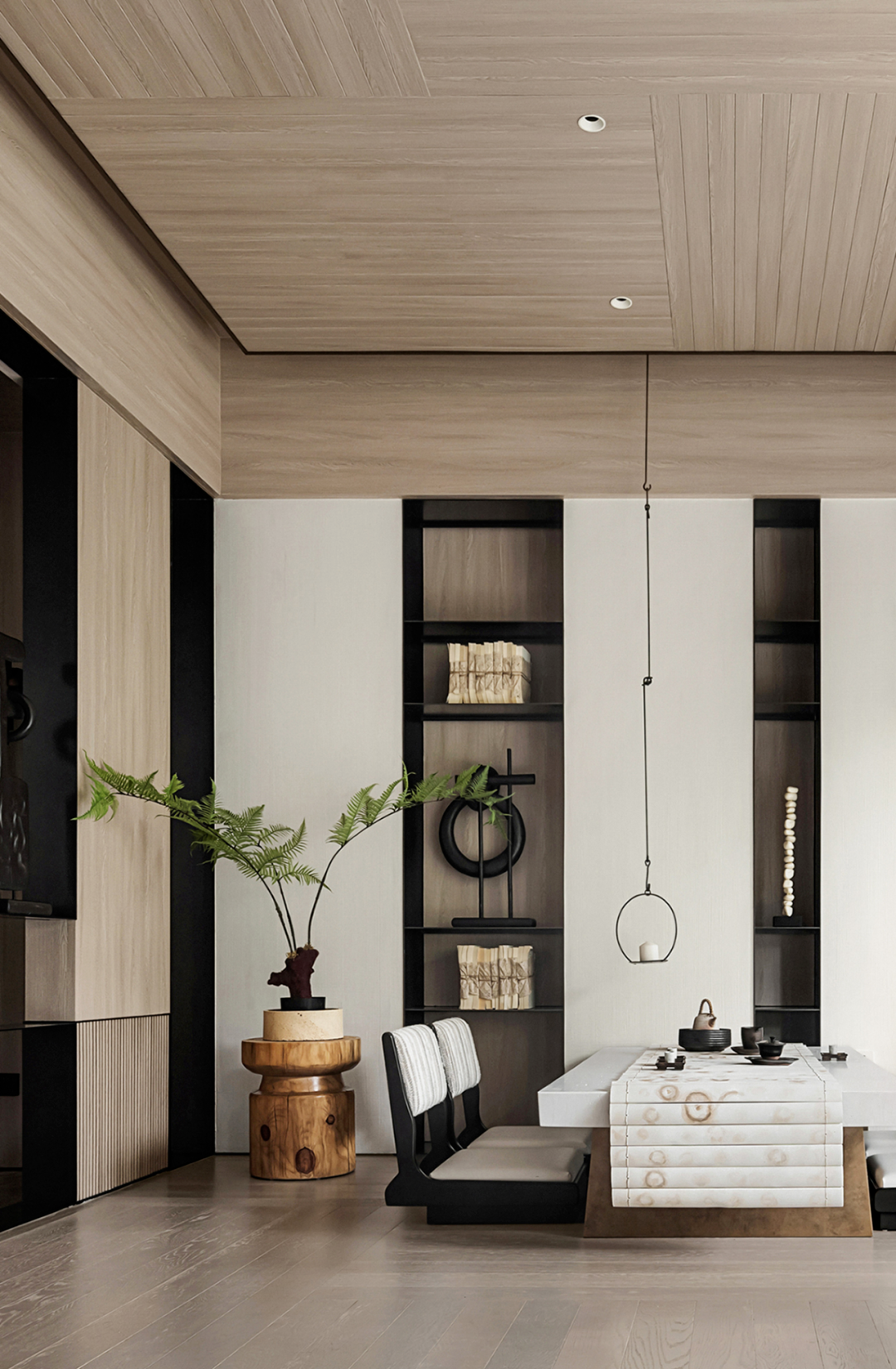
Music creates an emotional atmosphere that is a crucial tool in emotional regulation. In the design of tea houses, appropriate music should be used to build the atmosphere according to different emotional goals. For consumers seeking relaxation, soft light music can be chosen; for those looking for a lively and vibrant atmosphere, dynamic pop music is recommended.
Offering dishes that tantalize the taste buds is essential for a tea house design aiming to elevate consumer mood. Different flavors can evoke various emotional experiences, such as the tangy and spicy taste that stimulates the palate and boosts moodfulness.
Lighting design adds mood; Appropriate lighting design can also bring different emotional experiences to the teahouse. By changing and adjusting the lighting, the space can be made more cozy, romantic, or solemn. For instance, soft warm-toned lighting can create a relaxing and pleasant atmosphere, immersing people in a joyful mood.
To create interactive emotional experiences, tea house designs should focus on engaging consumers more actively. For instance, setting up a tea art performance area allows customers to participate in the tea-making process firsthand, enhancing their emotional connection with tea and thereby sparking joyous emotions.
Natural elements have a positive impact on mood regulation. In the design of tea houses, integrating elements such as plants and water features can bring tranquility and vitality, allowing customers to experience the beauty of nature, achieving emotional relaxation and recovery.
Offer tea house designs that focus not only on spatial and visual presentation but also on emotionally-oriented services. Through employee training and meticulous service, we can better guide consumer emotions and provide personalized service experiences that meet their needs.
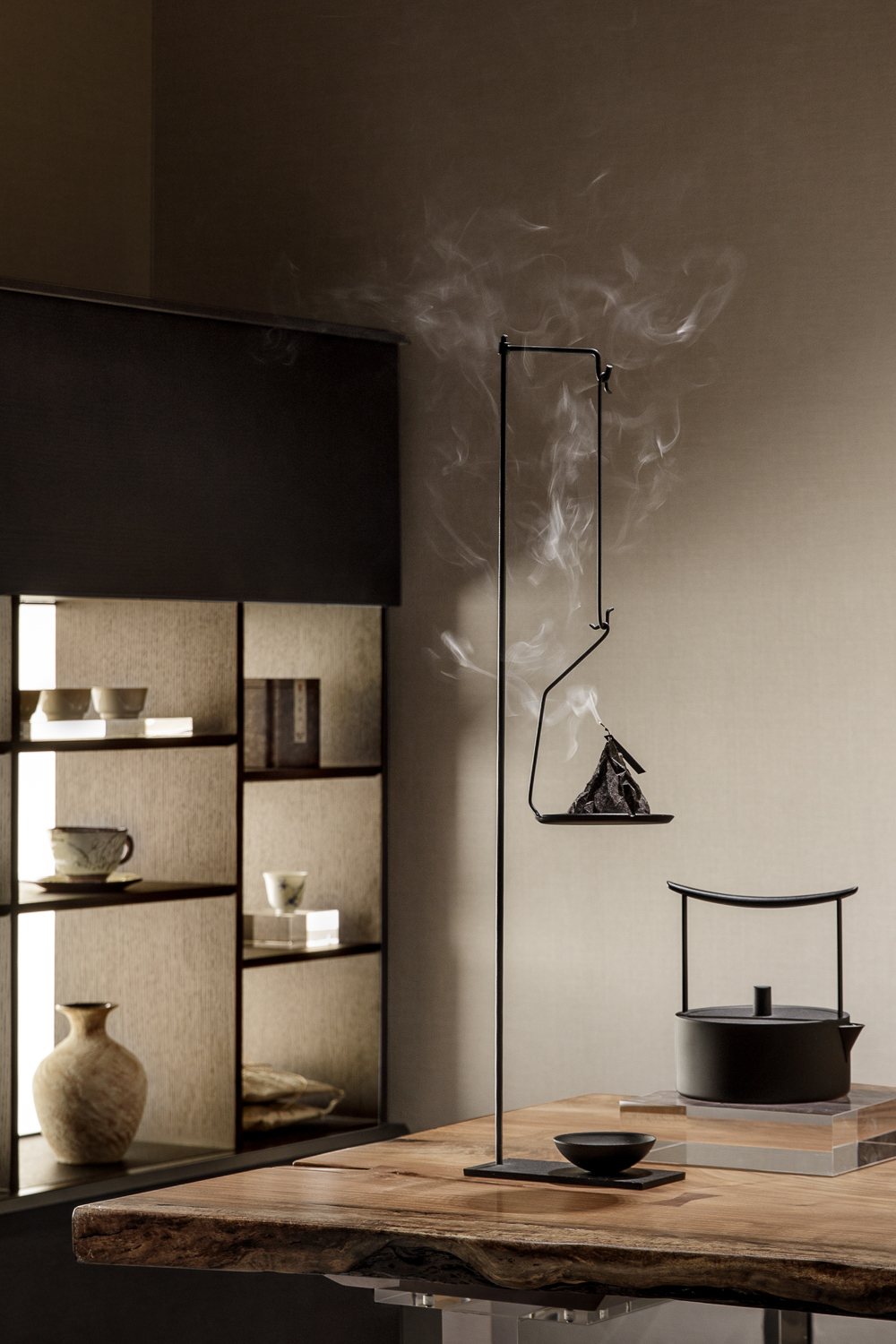
Details determine the quality of mood in teahouse design. Subtle changes in color coordination, fine-tuning of lighting, choice of music rhythm, etc., can profoundly influence the mood of consumers. Therefore, attention should be paid to every detail in teahouse design to provide consumers with an experience that meets their emotional needs.
By employing these tea house design techniques, we can create a vibrant world of emotions for consumers. From an expert's perspective, focusing on the emotional needs of consumers as the core of the design, we continuously strive for superior emotional experiences, transforming the tea house into a paradise of emotions in the hearts of consumers.













