








The application of the oil recirculation temperature control unit
The oil circulation temperature control machine is suitable for the production of engineering plastics and plastic products, such as nylon, PC, and acrylic injection molding products. It pre-adjusts to the temperature required by the injection mold, forming the product in one go, thereby reducing trial molding materials. The mold temperature machine accurately reduces waste, providing production and quality, making it an indispensable tool in the injection molding industry. The oil circulation temperature control machine is also widely used in temperature control processes such as petrochemical polymerization, concentration, distillation, melting, insulation, and heating for chemical reactions, as well as in the thermal processes of textile dyeing and printing, composite lamination, and heat insulation in nonwoven industries!
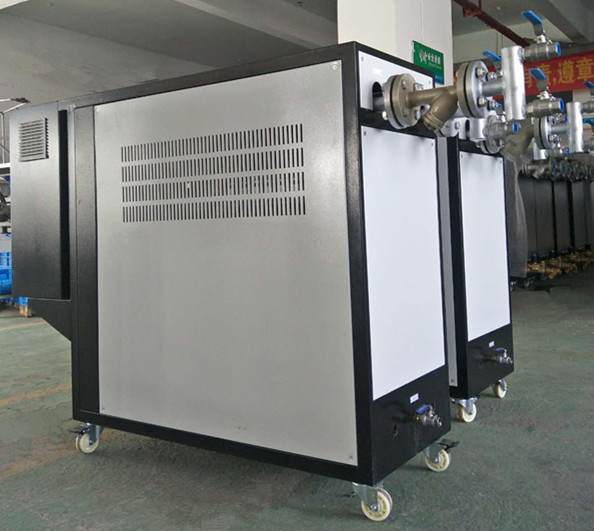
High-temperature water-cooled mold temperature machines, as the operating temperature is typically above 160°C, the internal main pipeline circulates high-temperature steam. This results in high internal pipeline pressure, and direct cooling requires an external water pressure greater than the main pipeline water pressure to enter the main pipeline for cooling. This method poses significant safety risks. Therefore, high-temperature water mold temperature machines often employ indirect cooling methods.
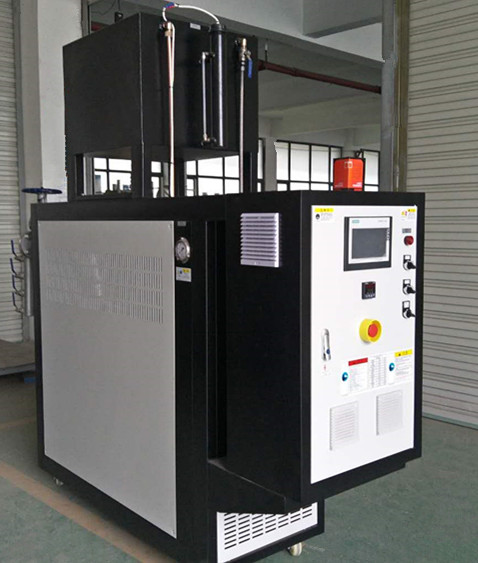
The temperature control machine can also shorten the cycle time and reduce product costs. Secondly, the mold temperature control machine must maintain the temperature of the conductive fluid within the range of 1℃-3℃, which is determined according to the specific quality requirements of the injection molded parts. Thirdly, the conductive fluid must have excellent thermal conductivity, and importantly, it should be able to transfer or extract large amounts of heat quickly. From a thermodynamic perspective, water is clearly superior to oil.
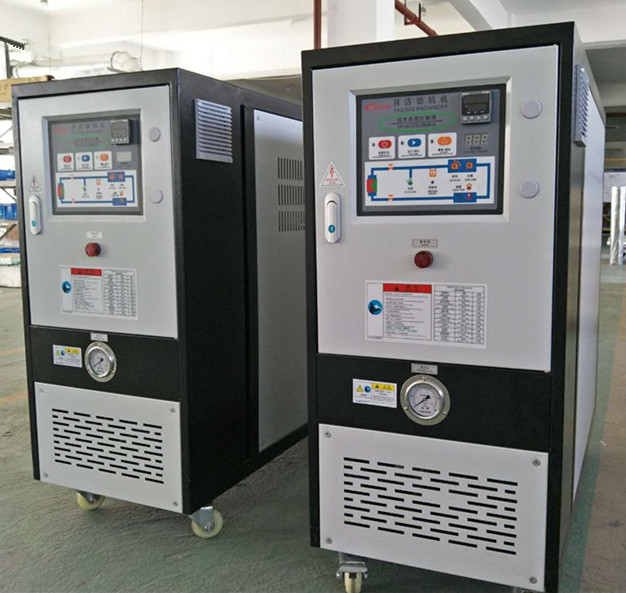
Engineering plastics such as PC, PA, PBT, etc., have high temperature requirements. The heat generated by the injection molding machine itself is insufficient to meet the optimal temperature needed for the molding process. The temperature control function of the plastic mold can quickly raise the mold temperature and can freely adjust and ensure the stability of the mold temperature according to the temperature requirements of different materials, thereby reducing the occurrence of defective products.