








Mold temperature controllers are used to balance mold temperatures, capable of both heating and cooling. These machines utilize highly conductive thermal media to quickly dissipate excess heat within the mold. Once the thermal equilibrium temperature is set, they can automatically maintain the temperature within an extremely small margin of error and sustain a steady value.
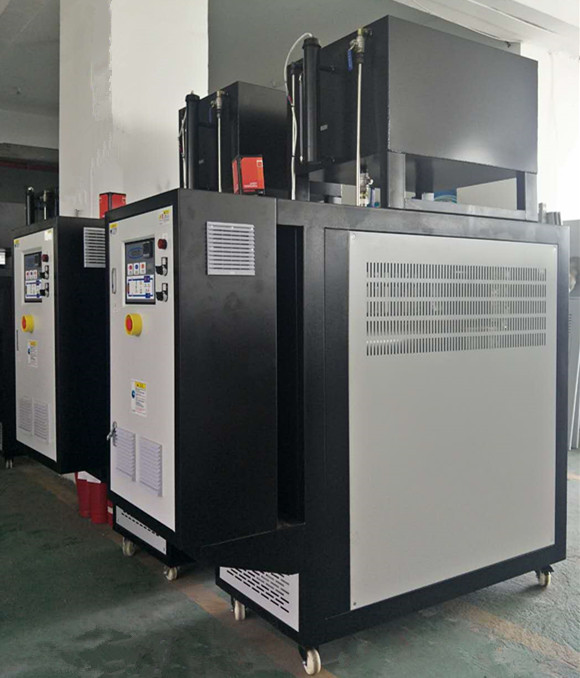
What is a mold temperature controller? What benefits can it bring to our production? A mold temperature controller is used to control the temperature of molds, typically featuring oil circulation heating and water circulation heating. It heats the oil or water to the required mold temperature and circulates it within the mold to control the temperature, maintaining a stable temperature to improve product quality and production efficiency.
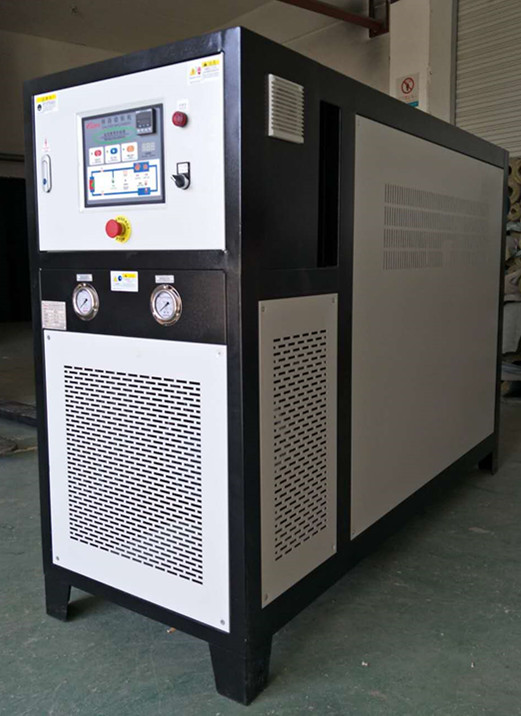
Mold temperature machines are commonly used in die casting and injection molding processes. Taking die casting as an example, uneven or improper mold temperatures can significantly lead to unstable casting dimensions. During production, this may cause casting deformation upon ejection, resulting in defects such as thermal stress, sticking, surface indentation, shrinkage holes, and hot spots.
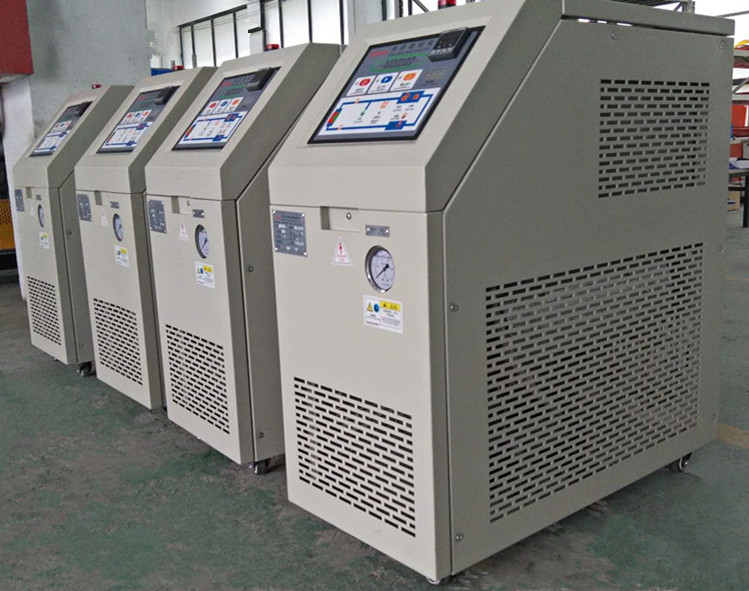
The mold temperature control system adjusts the heater's operating status and the flow rate of cooling water based on the customer-set temperature value, thereby regulating the heating rate of the die casting mold temperature machine. The mold temperature machine has a significant impact on casting quality, mold lifespan, and production efficiency. Therefore, in modern industrial production, the control of mold temperature has become an indispensable process technique.