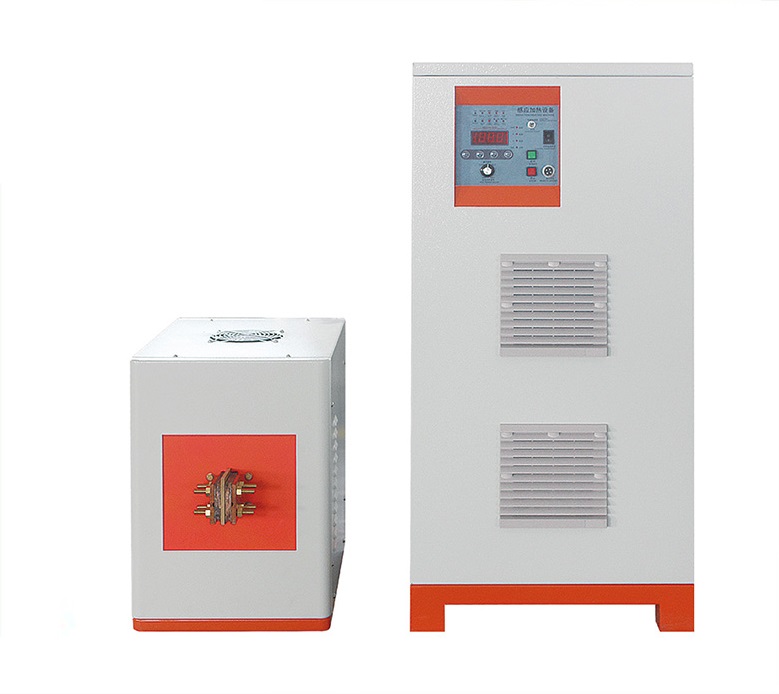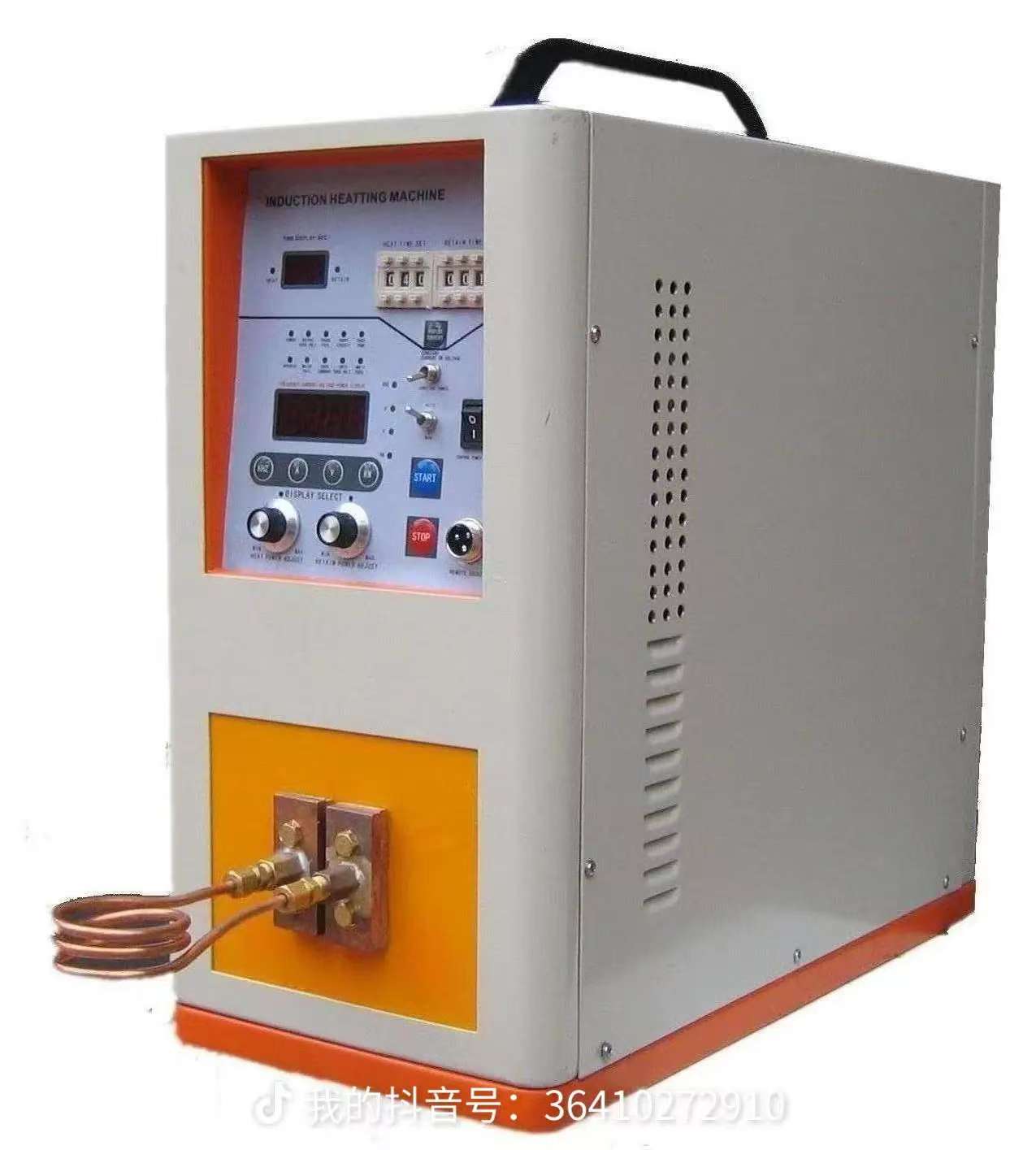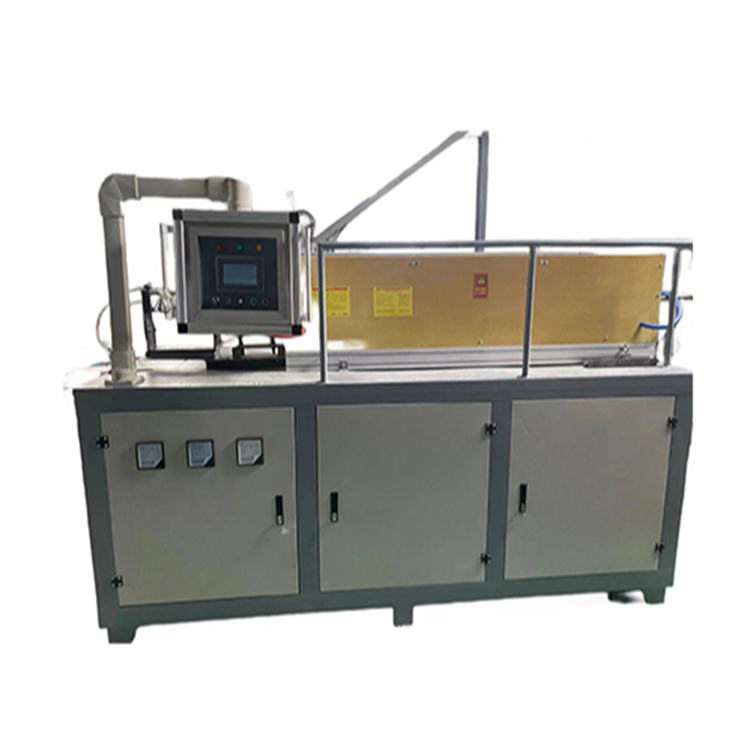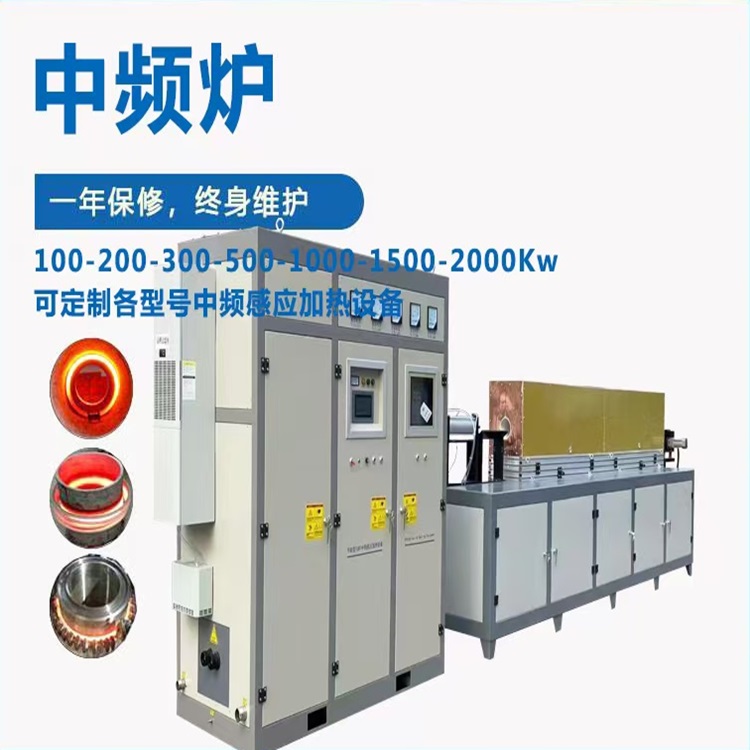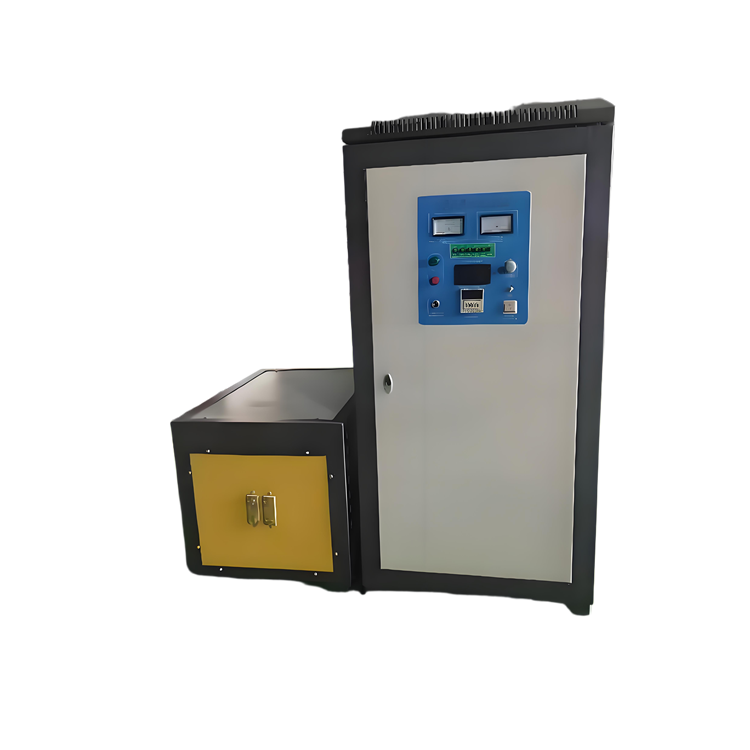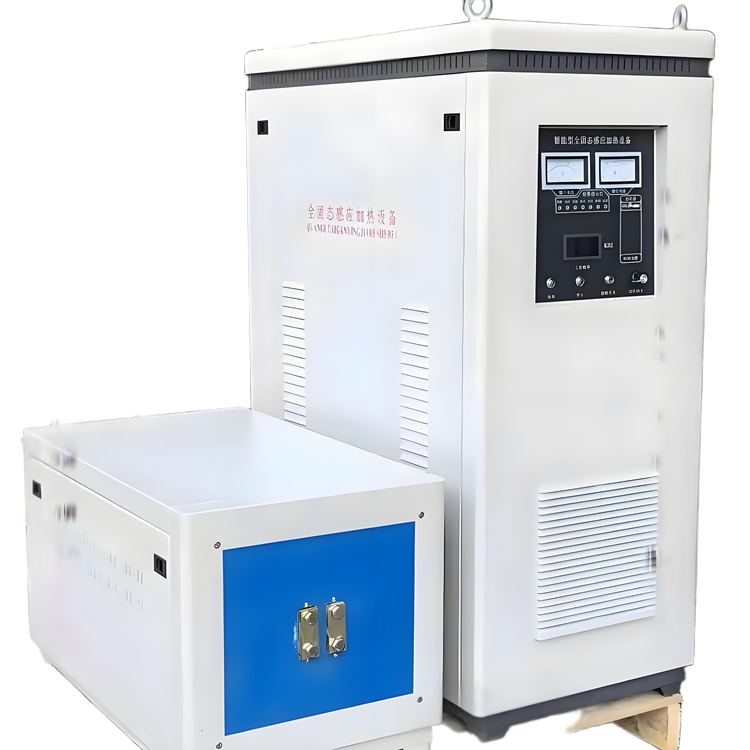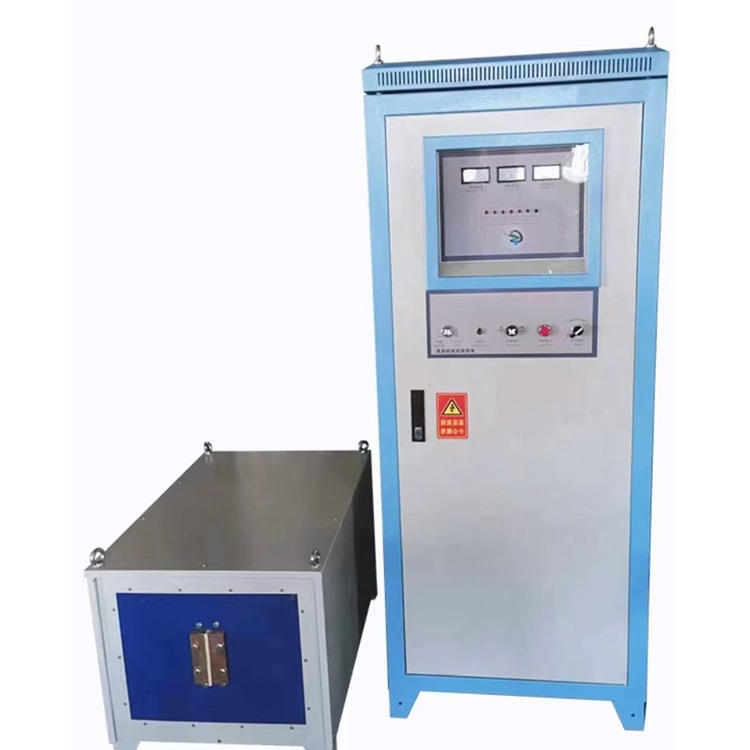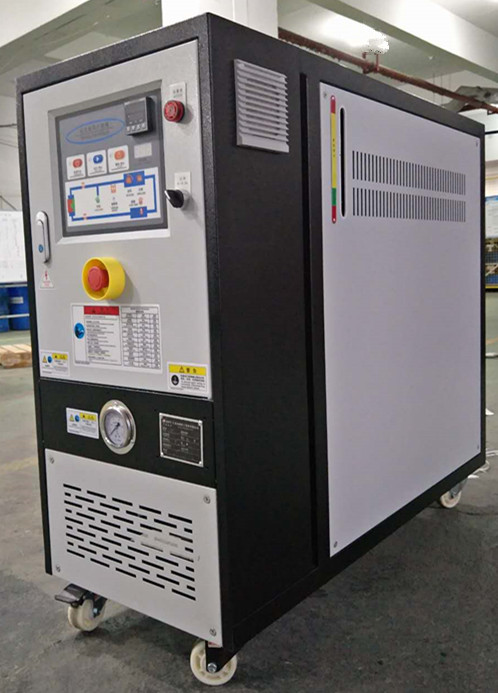
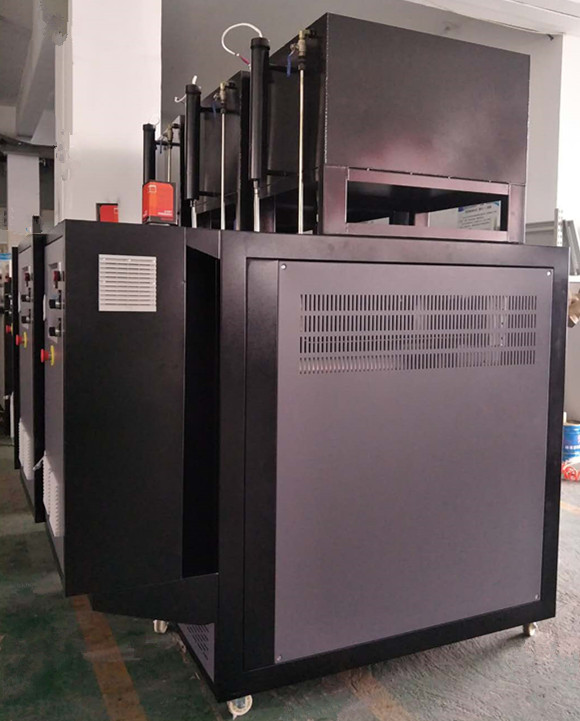









The thermal oil heating unit is a new type of environmentally friendly heat conversion device. Electricity serves as the energy source, converting electrical energy into heat through electric heating elements; organic heat carriers (thermal oil) act as the heat transfer medium, which is circulated through the system by a high-temperature oil pump. It operates through forced circulation to achieve continuous heat supply for equipment requiring a steady heat source; it also meets the process temperature and high-precision temperature control requirements set during the production process.
The electric heating thermal oil furnace system consists of an explosion-proof electric heater, an organic heat carrier boiler, a heat exchanger (optional), a control cabinet, a thermal oil pump, and an expansion tank, forming an integrated unit. Users only need to connect to the power source and medium. The outlet pipeline and some electrical interfaces are used for heating oil furnaces (also known as thermal oil heaters, oil heaters, electric heating, and thermal oil heaters). The electric heater is directly inserted into the organic carrier (thermal oil) to heat it directly.
Recirculating pumps force the thermal oil to circulate in the liquid phase, transferring heat to one or more heating units. After the heating units are unloaded, the oil is recirculated back through the pump to the heater, absorbing heat and transferring it continuously in this manner, thereby increasing the temperature of the heated objects to meet the heating process requirements. The thermal oil heater is equipped with a digital temperature controller to regulate the temperature, featuring over-temperature, low oil level, and over-pressure alarms. It is used in industries such as chemicals, petroleum, machinery, dyeing and printing, food, shipping, textiles, and film, serving as an energy-saving heating device.
Electric heating and heat transfer oil furnaces are a new type of environmentally friendly thermal energy conversion equipment. The working principle is: using electrical energy as the energy source, converting electrical energy into heat energy through electrical heating elements; utilizing organic heat carriers (heat transfer oil) as the heat transfer medium, the heat transfer oil is forced to circulate in the system by a high-temperature oil pump, repeatedly heating to achieve the continuous acquisition of the required heat.
Energy required for heat equipment; capable of meeting the process temperature and high-precision temperature control requirements set during production. Typically, a thermal oil heating furnace consists of a main unit (heating element, high-temperature oil pump, and filter), high-oil tank, control cabinet, and piping, etc., forming a complete set of equipment and heating system with a forced liquid circulation heating system.
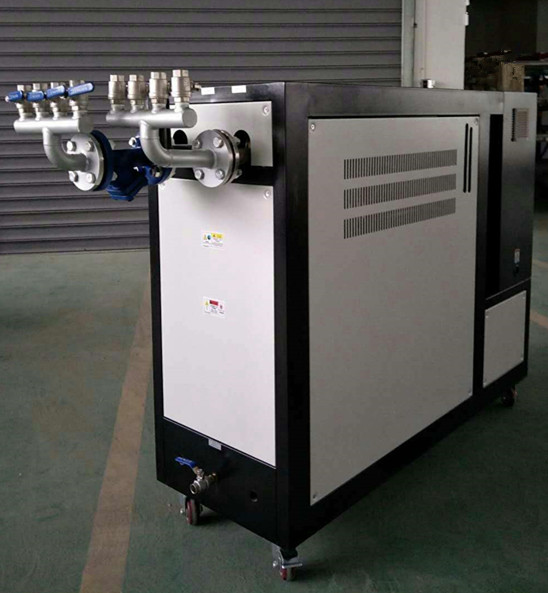
An electrically heated thermal oil boiler is a new type of industrial furnace that is safe, energy-saving, and operates at low pressure (either at atmospheric pressure or lower). It is a special industrial furnace that uses electricity as the heat source, thermal oil as the heat carrier, and a circulating oil pump to force liquid-phase circulation. After transferring heat to the heating equipment, the thermal oil returns to be reheated in a continuous flow process, thus repeatedly circulating to achieve continuous heat transfer, raising the temperature of the heated object to meet the heating process requirements.
Preparation for electrically heated thermal oil boiler installation:
1. Unboxing Inspection: Verify that the random instruction manuals, certification documents, and accessories match the packing list.
2. Inspect the main unit and its accessories, as well as electrical components, for any signs of damage or looseness and address them promptly.
3. Verify if the installation site meets environmental requirements and applicable conditions.
Note: Electrically heated oil furnace with a power of ≥100kKW is an organic heat carrier boiler, and installation requires personnel.
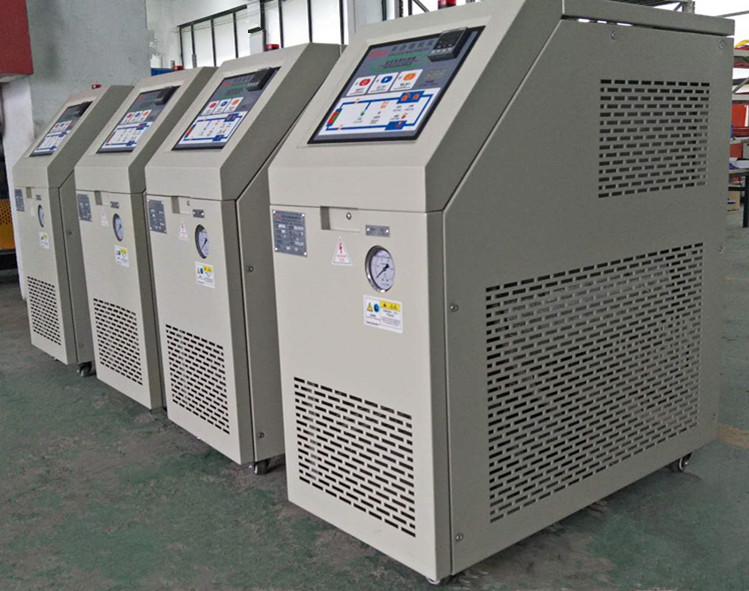
Electric heating thermal oil boiler main unit installation:
1. The layout of the electric heating thermal oil furnace pipeline should adopt a low-in, high-out approach, and efforts should be made to minimize pipe bends to ensure the pipeline is unobstructed. The diameters of various pipes in the system should be as consistent as possible with the thermal oil inlet and outlet diameters of the electric heating thermal oil furnace's main unit.
2. Heat-conducting oil furnace pipelines should be insulated to prevent unnecessary heat loss and energy waste. However, it is not advisable to add insulation materials at the flange joints.
3. The connection of electrically heated thermal oil heaters should use a flat-welded steel pipe flange with a nominal pressure (Pg) of not less than 1.0MPa, and the pipeline connection gasket can be a metal-wrapped graphite gasket, an expanded graphite composite pad, or a high-temperature heat-resistant rubber asbestos board.
4. Install exhaust pipes and valves at elevated points of the circulation system pipeline to facilitate regular排放 of gas products during operation. The positioning of the exhaust valve should be user-friendly. Ensure there are no leaks in the metal walls, welds, pipeline accessories, and connection areas for the electrically heated thermal oil furnace. If water or steam is used for pressure testing, thoroughly remove all water from the system after the pressure test.