








Mold temperature machines are commonly used in die casting and injection molding processes. For instance, in die casting, uneven or improper mold temperatures can significantly lead to unstable casting dimensions. During production, this can cause casting deformation, resulting in defects such as thermal stress, sticking, surface indentation, shrinkage cavities, and thermal blisters.
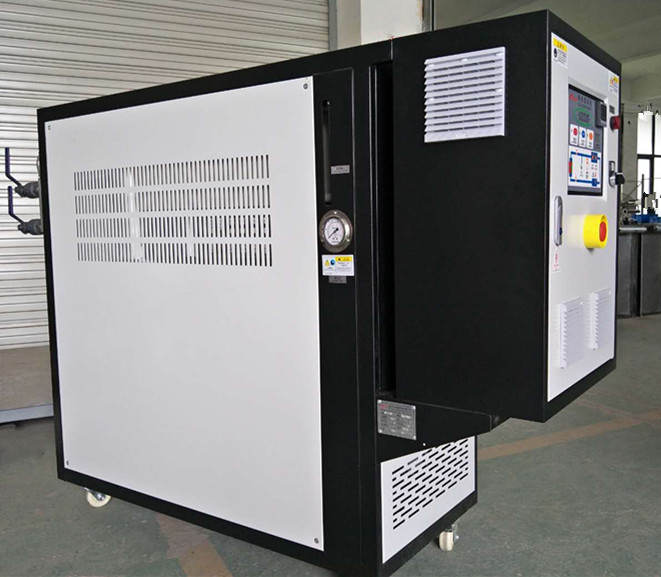
During installation and operation, some minor details should be noted. For workshops installing mold temperature machines, sufficient space height must be reserved in the upper area, and oiling should be done without affecting the heating process. If necessary, space for installation, maintenance, and equipment care should be预留 in the workshop. When purchasing mold temperature heating equipment, it is essential to consider long-term macro aspects such as maintainability, repairability, replaceability, and expandability.

The mold temperature control system adjusts the heater's operational state and the flow rate of cooling water based on the customer-set temperature value, thereby controlling the heating rate of the die casting mold temperature machine. The mold temperature machine has a significant impact on casting quality, mold life, and production efficiency. Therefore, in modern industrial production, the control of mold temperature has become an indispensable technological means.
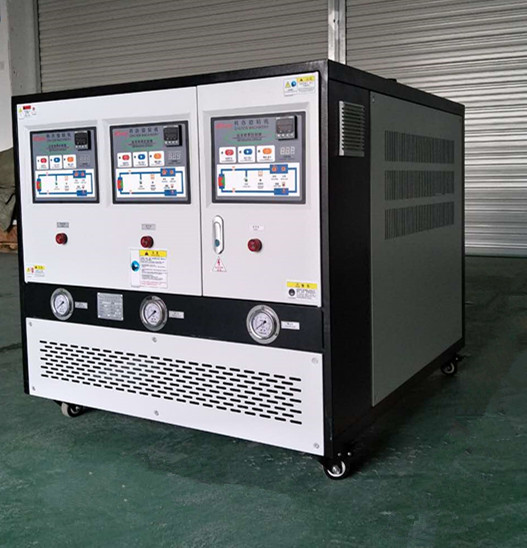
What is a mold temperature controller? What benefits can it bring to our production? A mold temperature controller is used to regulate the temperature of molds, typically featuring oil circulation heating and water circulation heating. It heats the oil or water to the required temperature for the mold and circulates it within the mold to control the temperature, maintaining a stable temperature to enhance product quality and production efficiency.