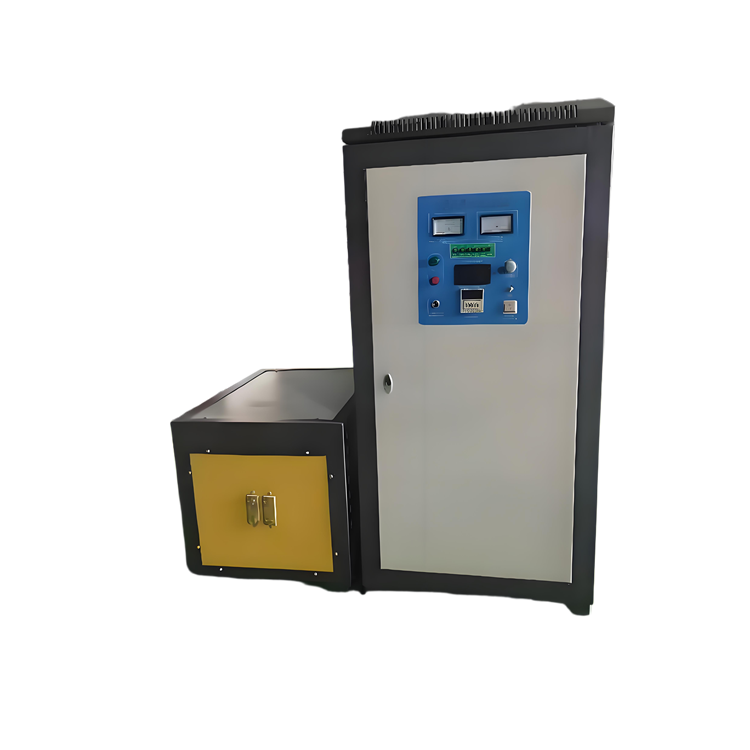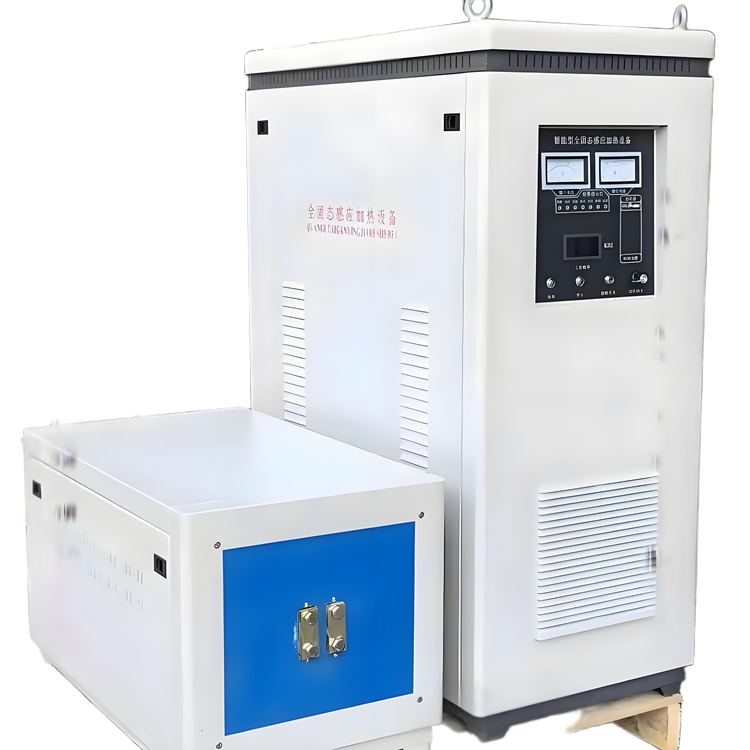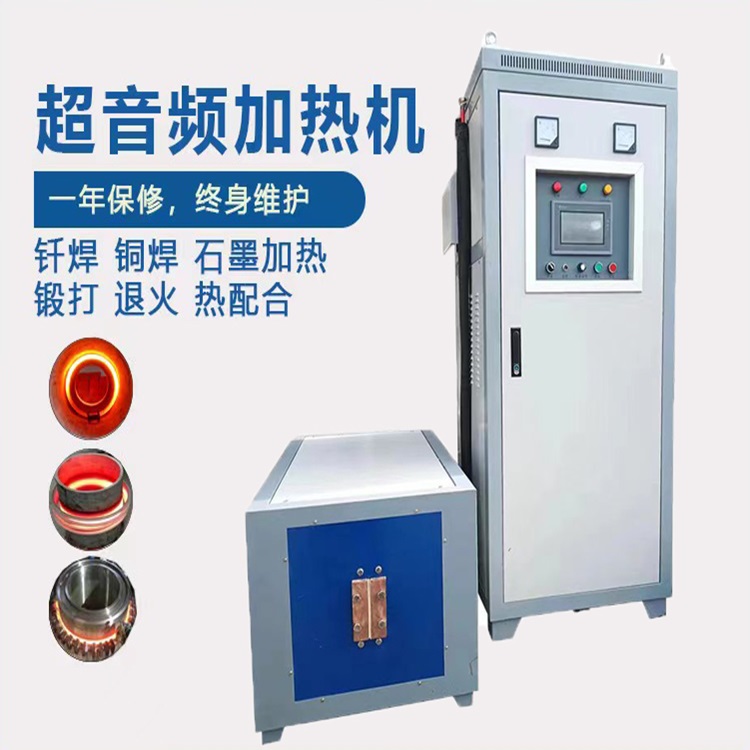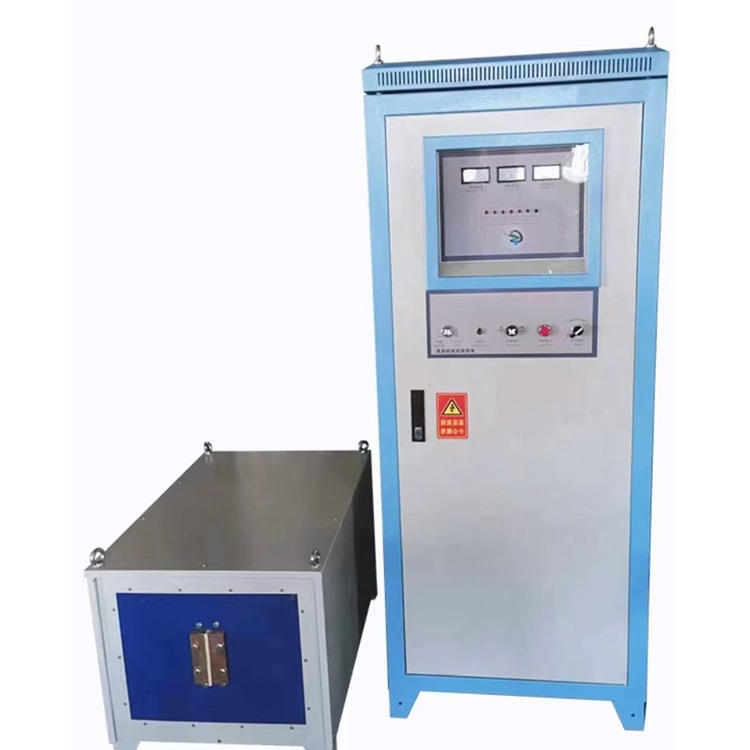
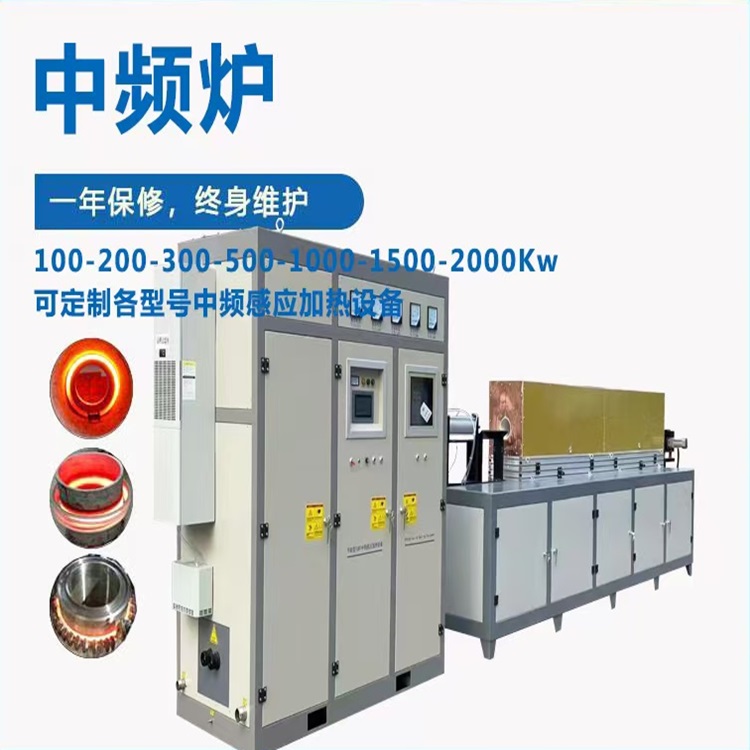
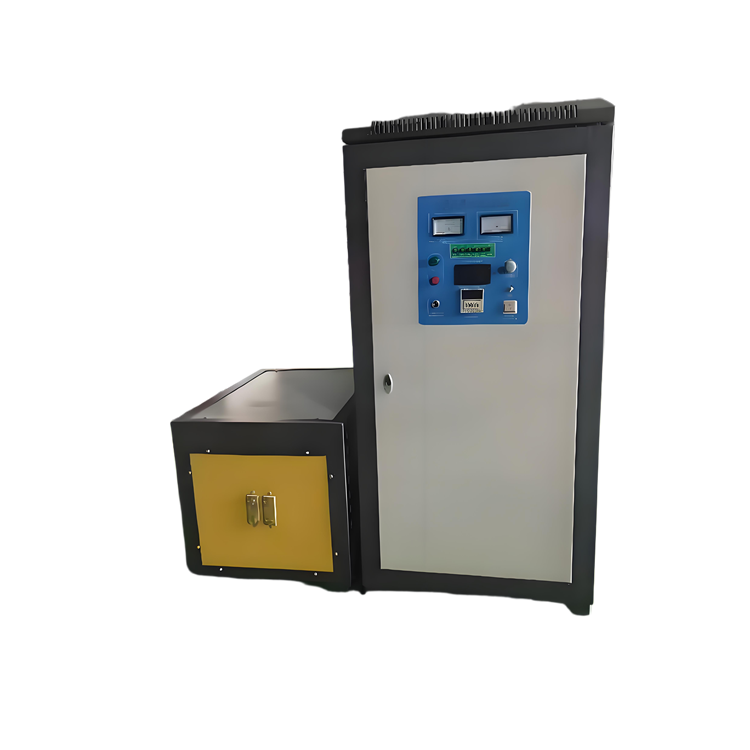







The electrically heated thermal oil furnace should be installed horizontally and stably in a location that is convenient for monitoring, operation, and maintenance. Sufficient space should be left for the easy repair and disassembly of the main unit's heating element, and it is recommended to install valves suitable for the operating conditions at the main unit's inlet and outlet piping (usually included with the factory shipment; if not, they can be purchased separately). Before installation, thoroughly clean the main unit, auxiliary units, accessories, and all internal piping cavities, removing all internal water accumulation and foreign objects.
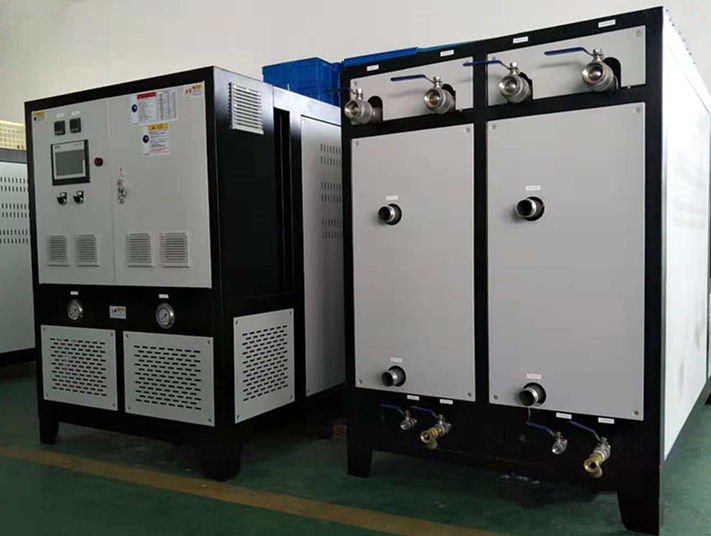
The electrically heated thermal oil boiler, as a new type of special industrial boiler that is safe, energy-saving, low-pressure, and capable of providing high-temperature heat energy, is gaining rapid and widespread application.
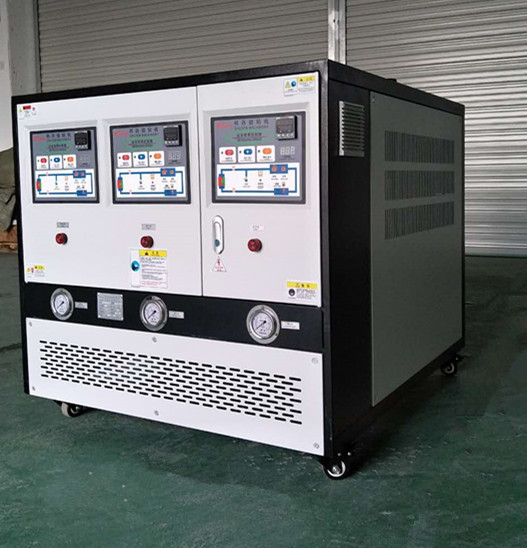
Selection and oiling of heat-conducting oil for electrically heated thermal oil heaters:
When selecting a thermal oil manufacturer, it's practical to choose reputable brands such as Great Wall,昆仑, and Mobil for synthetic thermal oil. The boiling point of the thermal oil should exceed the system's high operating temperature. Due to the prohibition of mixing different brands of thermal oil, it's recommended to consider ease of procurement or purchase extra as backup. After the installation and inspection of the entire heating system are completed, perform system oiling. Add the thermal oil through the oil filling port of the expansion groove. When oiling, open all valves in the system (except the oil drain valve), and then slowly inject the thermal oil into the system through the expansion groove. Stop oiling when the liquid level reaches about half the height of the expansion groove. After oiling, cover the oil filling cap, connect the overflow pipe, and carefully check the operation of all valves in the pipeline to ensure there are no leaks or oil leakage in the system.

An electrically heated thermal oil heater is a special industrial furnace that uses electricity as its heat source and thermal oil as the heat carrier. It employs a circulating oil pump to force the liquid phase to circulate continuously, transferring heat energy to the heat-using equipment before returning to be reheated. This cycle repeats, achieving continuous heat transfer and raising the temperature of the heated object to meet the heating process requirements.