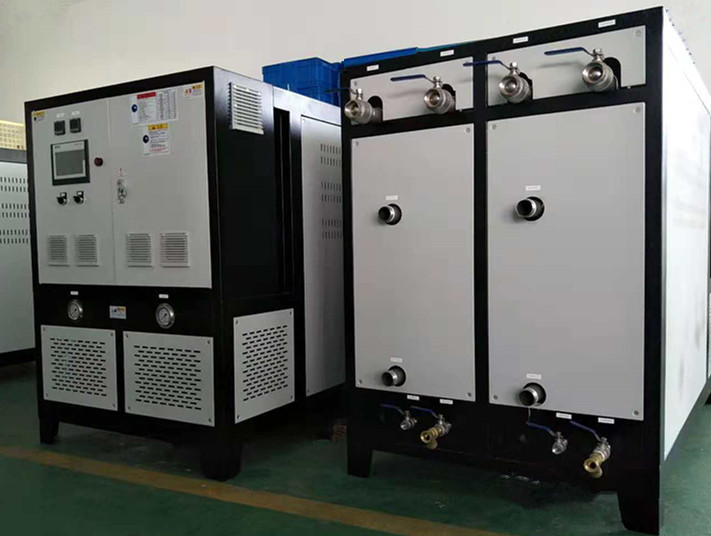











Cautionary Notes: When selecting a mold temperature controller, the following points are key considerations:
1. Pump size and capacity
2. Internal tube diameter
3. Heating Capacity
4. Cooling capacity
5. Control Forms.
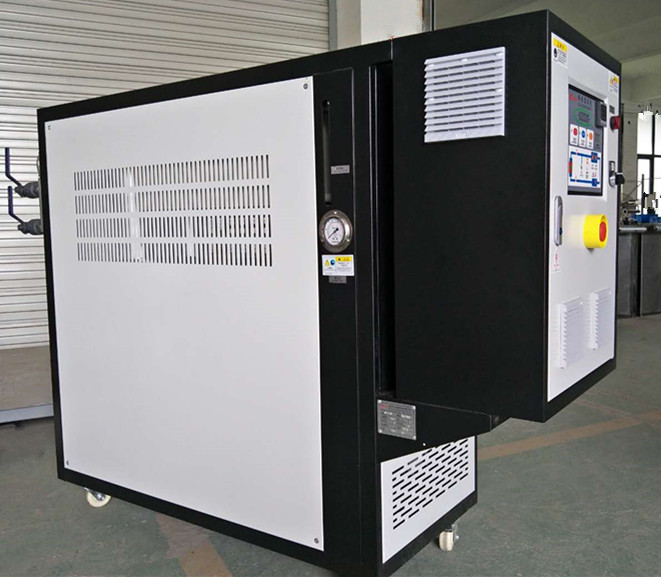
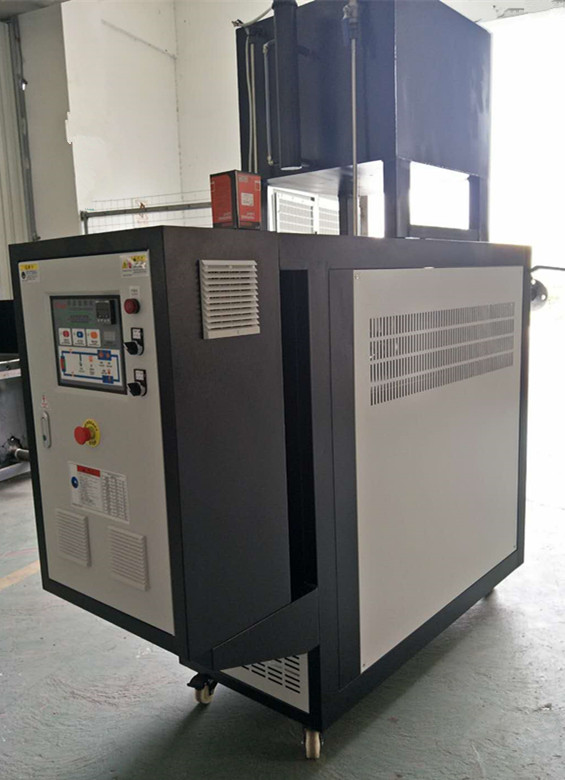
The features of the mold temperature controller:
1. Heat Source: The heat transfer oil heating system can output high-temperature thermal oil at up to 350°C under normal pressure liquid phase conditions.
2. Energy-efficient, low operating costs: The thermal oil heating system operates in a closed-loop liquid phase, with an oil outlet temperature and return temperature difference of 20-30 degrees, meaning only a 20-30 degree temperature difference is needed to reach the operating temperature.
3. Safety: As the system only withstands pump pressure, the thermal oil heating system is non-hazardous, making it safer;
4. Wide Application: High-temperature setting, board heating, rubber, drying, dyeing, chemical industry, plywood production, waterproof membrane production, asphalt heating, non-woven fabric hot rolling machines, fiberglass hot press machines, molds, drying rooms, ovens, and other industries requiring heat.
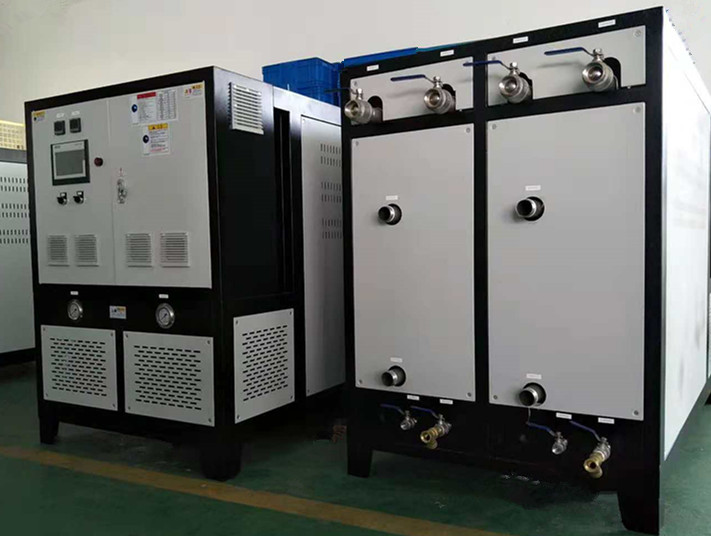
Mold temperature controller parameters configuration:
1. Temperature regulation employs PID self-tuning intelligent control, capable of meeting the strict requirements of high process standards.
2. Original component electricals use WEST, ABB, TE, LG, Schneider, Siemens, with high-temperature resistance.
3. Automatic exhaust and oil return temperature display upon startup, with heating power switch function.
4. Utilizing Yuangxin circulatory pumps, pump power tailored to customer needs, with energy savings of over 35%;
5. Special heating design with automatic temperature control, quickly reaching the required temperature for various products.
6. The control box and the body are isolated, providing excellent heat insulation and extending the service life of electrical components.
7. RS485 communication function for automated management. Set values and actual values are displayed separately.
8. Chain anti-error circuit and multiple safety monitoring devices; the machine automatically detects anomalies and has indicator lights to display the abnormal status.
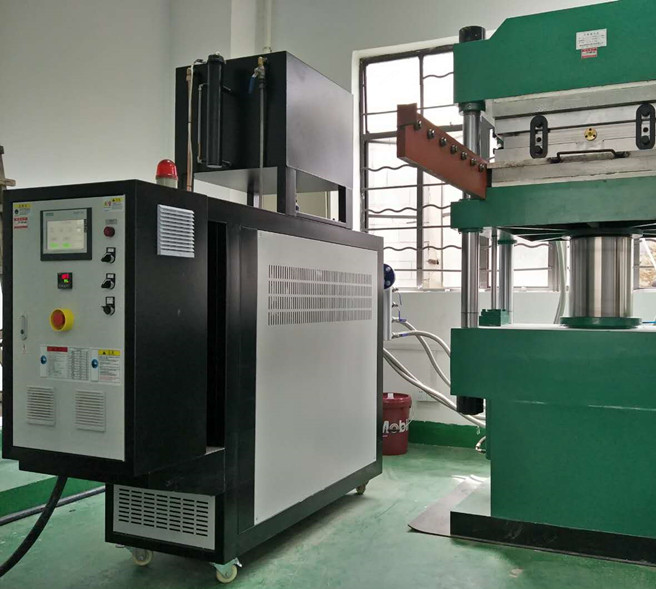
Caution for using constant temperature machines:
1. This unit is equipped with a test hole on the side, which can be connected to the internal test lines inside the box.
2. To observe changes inside the box during testing, turn on the indoor light (LIGHT) switch and check the inside through the window.
3. When operating below 0°C, it is advisable to avoid opening the interior as much as possible, as opening the box during low-temperature operation may cause icing on the internal evaporator and other parts. The situation becomes more severe as the temperature drops. If opening is necessary, try to minimize the door opening time.
4. Upon completion of the low-temperature operation, be sure to set the temperature condition to 60℃ for a drying process of approximately half an hour to avoid affecting the determination time of the subsequent operation conditions or the occurrence of freezing.
5. The radiator (condenser) of the refrigeration unit should be regularly maintained and kept clean.
6. The water tank's intake pipe must completely expel any remaining air to prevent water from entering.
Please note:
After the machine completes the low-temperature operation, if the work listed in point 6 is not performed, it is essential to set the normal temperature condition (30±5℃) to ensure the inside temperature of the box remains at normal when the machine is off, in order to prevent freezing due to very low temperatures inside the box and condensation on the window glass.
7. During operation, do not open the box unless necessary, as it may lead to the following adverse consequences: ...high temperature and humidity escaping outside the box...extremely dangerous; the inside of the box door remains at high temperature...causing injury; the hot air may trigger a fire alarm, resulting in false operation.
8. Please ensure that the machine is securely grounded to prevent static induction.
9. Avoid switching on and off the refrigeration unit within a three-minute period.
10. When placing heat-generating test samples inside the box, please use an external power supply for the test sample's power control; do not use the machine's power supply directly.
11. Circuit breakers, over-temperature protectors, providing on-site test samples and safety for the operator; please check regularly.
12. Properly installing the wet bulb wick ensures accurate measurement of relative humidity.
13. Prohibition of experimental, flammable, and highly corrosive substances.
Please read the controller's manual and related documents before operating the machine.