








Troubleshooting Methods for Oil Temperature Machine
1. The power indicator light does not illuminate after power is applied:
Possible Causes: Warranty burnout, main power failure, transformer damage, PCB damage, other circuit issues
Exclusion Methods: Replace, check the main power supply, replace the transformer, replace the faulty PCB, check other circuits
2. Upon power on, the reverse indicator light on the machine illuminates, and the buzzer does not sound an alarm.
Possible Causes: Main power phase sequence error, main power phase loss, incorrect internal wiring of the machine, main control board damage
Troubleshooting Method: Swap any two wires of the main power supply, check the main power voltage, inspect the internal wiring, and replace the main control board.
3. After starting the pump, the low-level indicator light illuminates, but the pump does not activate:
Possible Causes: Insufficient heat-resistant kerosene in the fuel tank, insufficient water pressure (2KGF/CM2), and excessively high low-pressure setting.
Exclusion Methods: Add kerosene to the fuel tank until the alarm stops, then increase the water replenishment pressure until the alarm stops. Reset the low-pressure pressure switch until the alarm sounds.

5 Maintenance Methods for Oil Temperature Machines:
1. The new oil temperature machine requires different maintenance measures based on the heat-conducting medium used. If the medium is water, ensure the water source remains clean to prevent scaling and avoid pipeline blockages. If the medium is oil, regular replacement is necessary depending on the temperature; for temperatures above 200°C, it's recommended to change it every one to two months, while for temperatures below 200°C, a replacement every quarter should suffice to prevent inadequate temperature increase.
2. New oil temperature machine: Please check if the cooling water is circulating before use to prevent damage to the machine due to insufficient cooling water. We must maintain a clean working environment for the oil temperature machine, avoiding dust, which will greatly extend the lifespan of the electrical components.
3. In terms of piping, we need to assess if there's any blockage based on the relationship between the pump and pressure. If the pressure is too low, we can remove the heating tube and clean it with tools, especially the filter grill of the system, which should be cleaned once a month.
4. In electrical components, we can replace them as needed based on their lifespan, and conduct regular tests to ensure safety.
5. Regularly check for oil leakage in the oil temperature machine, pump, and oil pump. If necessary, the pump shaft seal can also be replaced on a regular basis.
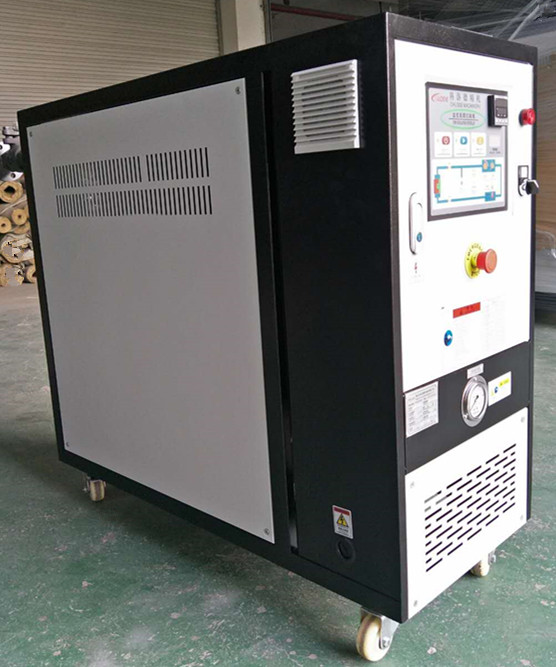
The heat transfer oil of the oil temperature machine, when compared to another high-temperature heat transfer medium like molten salt, has certain advantages in terms of price and service life of the heat transfer medium at operating temperatures above 400°C. However, it is significantly inferior in other aspects, particularly in the complexity of system operation. The furnace tube arrangement is designed to neither trap air nor hold water, and it is equipped with a top manifold tube, which, compared to similar equipment, achieves a 5% energy-saving distribution. It operates with low resistance, high flow rate, and stable pressure; it is safe and durable.
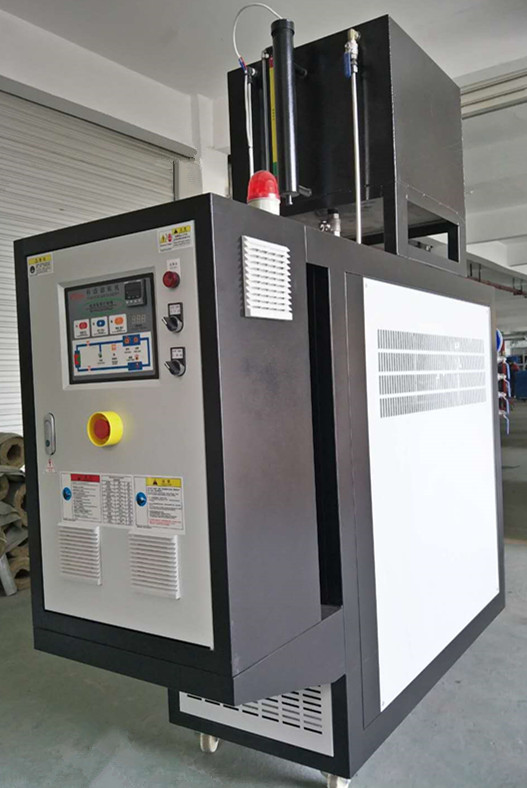
To prevent frequent malfunctions of the oil temperature machine, the key is to perform proper maintenance to extend the machine's lifespan. What are the primary aspects to consider when maintaining an oil temperature machine? Below, the assistant analyzes this for you:
1. Regularly Replace Thermal Oil: During the operation of the oil temperature machine, if the thermal medium, thermal oil, becomes degraded or contaminated by other substances, it can lead to quality deterioration and aging. Once the quality degrades beyond a certain point, its thermal conductivity will significantly decrease, and in severe cases, carbon deposits may form, causing damage to the heating tubes and potentially leading to blockages in the pipeline. Therefore, it is crucial to regularly replace the thermal oil to ensure optimal heat transfer and the normal operation of the oil temperature machine. Different oils have varying properties and should not be mixed; doing so can cause sludge formation, leading to blockages that may be impossible to clear. Please replace clean circulating oil on a yearly basis. If the oil is used continuously at temperatures above 150°C, replace it every three to six months, depending on the oil condition. When changing the circulating oil, be careful not to let water or foreign objects fall into the oil tank.
2. Prevent Water from Mixing with Heat Transfer Oil: During the operation of the oil temperature machine, water must not be mixed with the heat transfer oil. If water is introduced, the incompatible mixture of oil and water will expand upon heating, and under high temperatures, it may even spray out, potentially causing personal injury accidents. Water can only enter the heat transfer oil through the oil tank and cooler, so it is essential to regularly inspect whether the oil tank cover on the machine frame is sealed properly and whether the cooler is leaking water, etc., to prevent water from mixing with the heat transfer oil.
3. Maintain the cleanliness of the thermal oil: In the production process, it is essential to promptly clean away iron filings and other impurities, ensuring they do not mix with the thermal oil. If impurities are introduced, they can disrupt the normal operation of the heat transfer cycle, and in severe cases, cause equipment failure.