








Mold temperature controller maintenance:
1. Purchased a new mold temperature controller. Please check if the cooling water is flowing before use to prevent damage to the machine due to insufficient cooling water. We must maintain a clean working environment for the mold temperature controller to avoid dust, which can greatly extend the service life of the electrical components.
2. New mold temperature control machines require different maintenance measures based on the thermal conductive medium used. For water-based mediums, we must maintain clean water sources to prevent scaling and avoid pipeline blockages. For oil-based mediums, we need to change them regularly according to the operating temperature; for temperatures above 200°C, we should replace them every one to two months, while for temperatures below 200°C, we can change them approximately every quarter, effectively avoiding issues with insufficient temperature increase.
3. In terms of piping, we need to determine if there's a blockage based on the relationship between the pump and pressure. If the pressure is too low, we can remove the heating tube and clean it with tools, especially the system's filter grill, which should be washed once a month.
4. Regularly inspect the mold temperature control pump and oil pump for oil leaks, and replace the pump shaft seal periodically if necessary.
5. In electrical components, we can replace them as needed based on their lifespan, and conduct regular testing to ensure safety.
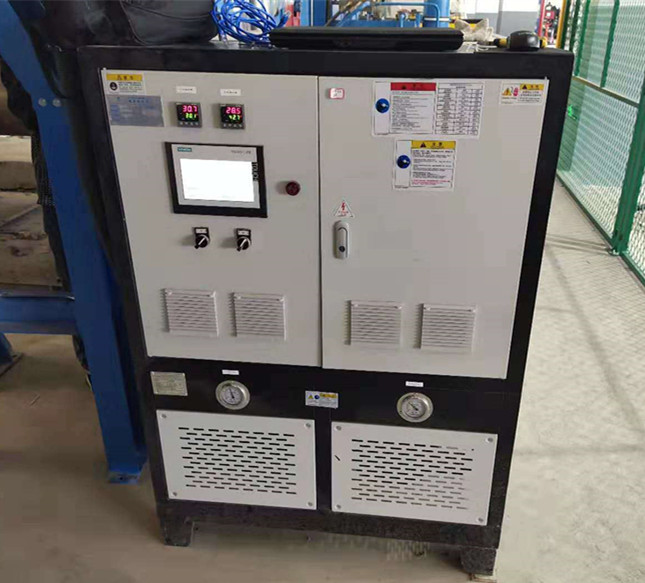
Engineering plastics such as PC, PA, PBT, etc., have high temperature requirements. The heat generated by the injection molding machine itself is insufficient to meet the optimal temperature needed for the molding process. The temperature control function of the plastic mold can quickly raise the mold temperature and can independently adjust and ensure the stability of the mold temperature according to the specific material requirements, thereby reducing the occurrence of defective products.
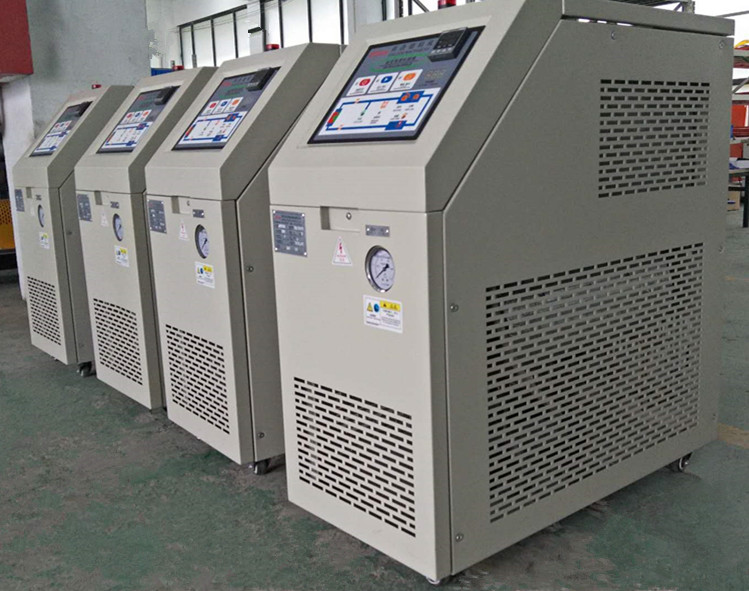
The oil circulation temperature control unit integrates the heating element, oil pump, temperature control components, program board, piping system, and oil tank into one. The oil pump, heating element, and user equipment end are all part of the same piping system. The heat-conducting oil is continuously forced to circulate by the oil pump, absorbing heat from the heating tube, which gradually raises the oil temperature. As the oil temperature increases, it directly raises the temperature at the user equipment end. The program board monitors the oil temperature through the temperature control system and stops the heating request from the heating element only when the oil temperature reaches the set temperature value. This is the working process of the oil circulation temperature control unit.

Cooling methods for mold temperature machines are divided into direct cooling and indirect cooling. Indirect cooling uses a separate cooling circuit from the main circuit, whereas direct cooling involves the cooling circuit directly participating in the main circuit. Water-cooled mold temperature machines typically employ direct cooling. On the other hand, oil-cooled mold temperature machines, as water and oil cannot be mixed during the heating process, generally use indirect cooling, often through plate heat exchangers for cooling.