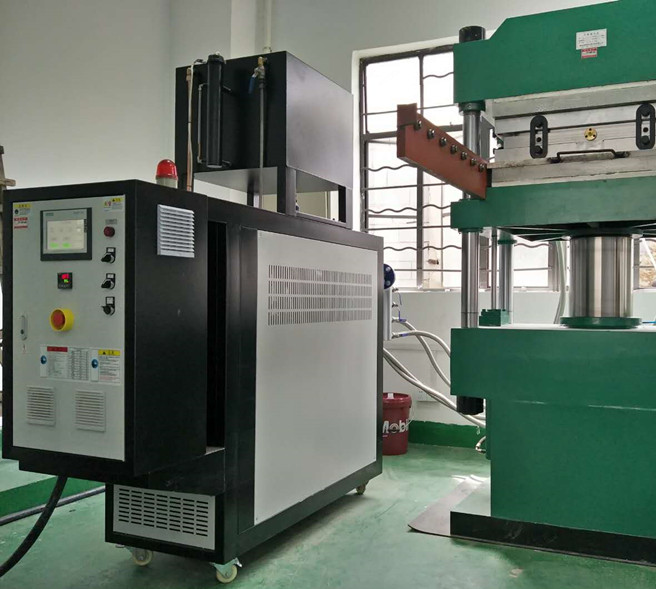
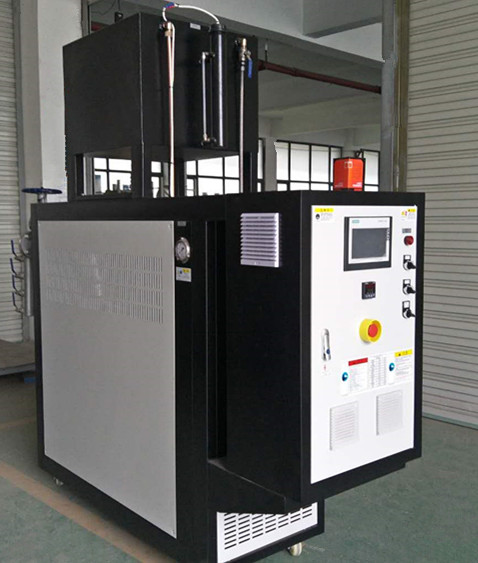











Important Notes: The following points are key considerations when selecting a mold temperature controller.
1. Pump size and capacity
2. Internal throat tube dimensions
3. Heating Capacity
4. Cooling capacity
5. Control Forms.
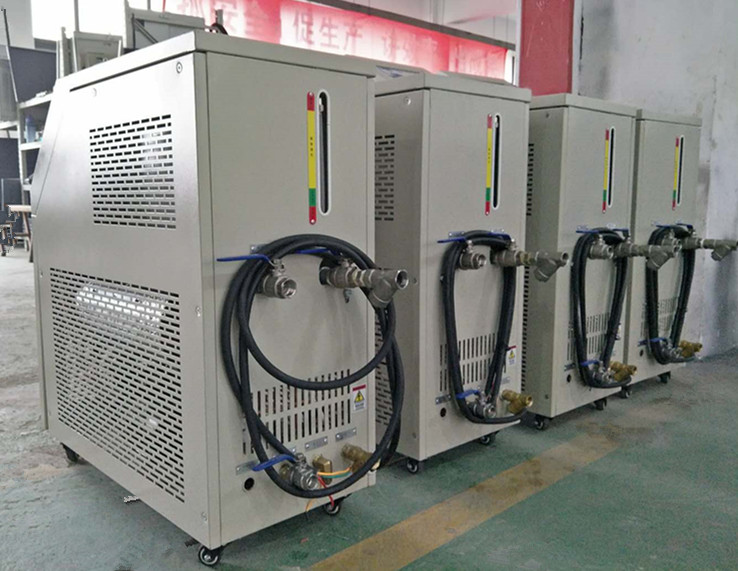
Mold temperature control units, also known as mold temperature regulators, were initially used in the temperature control industry for injection molds. With the development of the mechanical industry, their applications have become increasingly widespread. Currently, mold temperature control units are generally categorized into water temperature units and oil temperature units, capable of achieving temperature control accuracy of ±0.1°C.
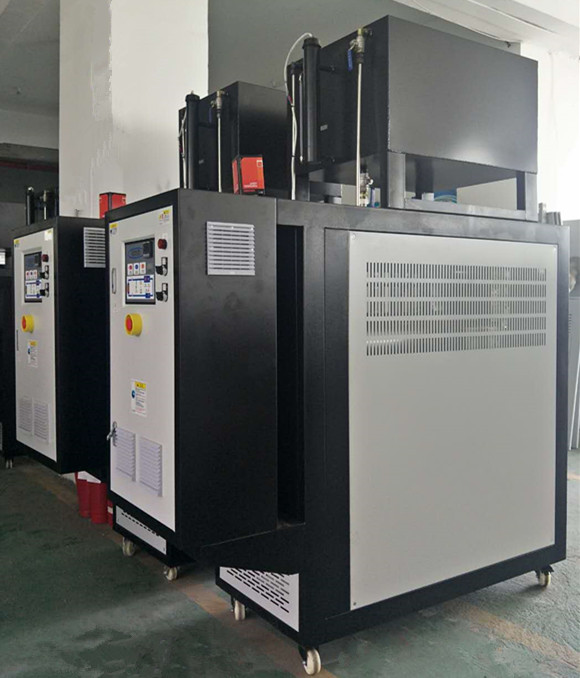
Features of the mold temperature control machine:
1. Heat Source: The heat conduction oil heating system can output high-temperature thermal oil up to 350℃ under atmospheric liquid phase for heat users.
2. Energy-efficient and Low Operation Costs: The thermal oil heating system operates in a closed-loop liquid phase cycle, with an oil outlet temperature and return temperature difference of 20-30 degrees, meaning only a 20-30 degree temperature difference needs to be heated to reach the operating temperature.
3. Safety: As the system only withstands pump pressure, the thermal oil heating system is non-hazardous, making it safer.
4. Wide Application: High-temperature setting, board heating, rubber processing, drying, dyeing, chemical industry, plywood production, waterproof membrane production, asphalt heating, nonwoven thermal press, fiberglass heat press, molds, drying rooms, ovens, and other industries requiring heat.
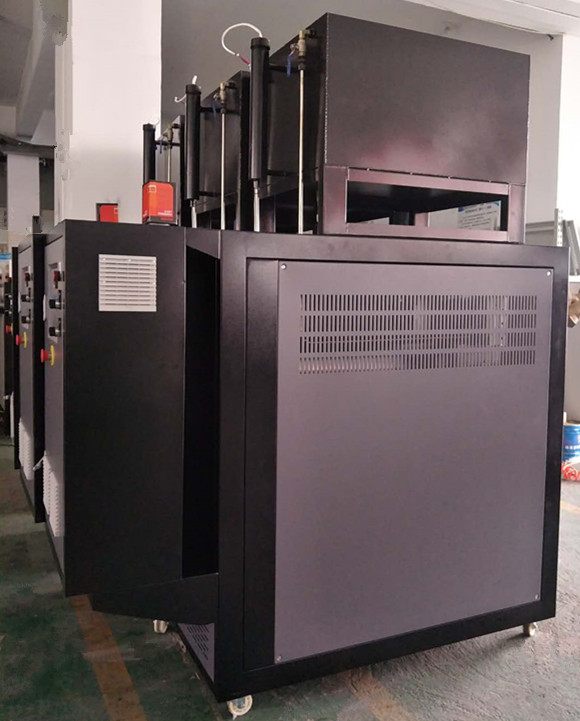
Mold temperature controllers are widely used in the plastics industry, primarily serving the purpose of:
1. Enhance product molding efficiency.
2. Reduce the production of defective products.
3. Enhance product appearance, suppress product defects.
4. Accelerate production, reduce energy consumption, and conserve resources.