








The main function of the mold temperature controller is to heat, maintain, and control temperature. Initially used for injection molding machine molds, it has since been applied in various industrial production processes, including reaction vessels, roller presses for calendering machines, lamination machines, polishing machines, and more. The mold temperature controller is a temperature control system, which can also be referred to as a module, a temperature control module. Any industrial equipment requiring temperature control can utilize this module. Currently, the mold temperature controller can reach a high temperature of up to 350°C.
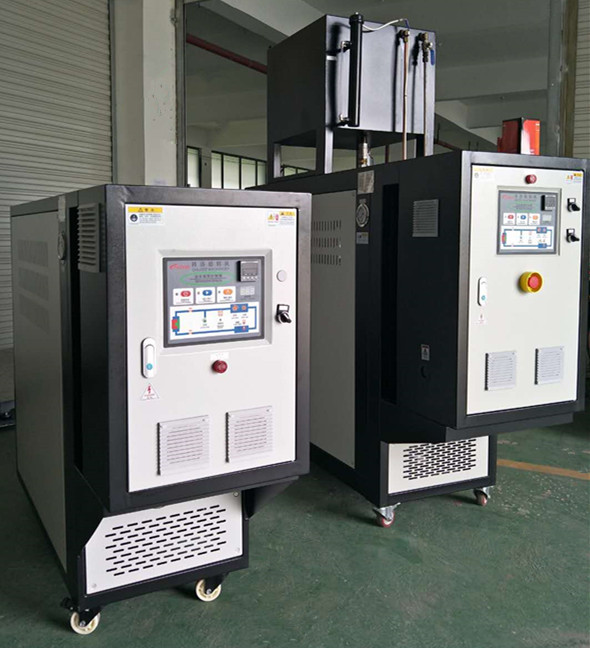
The mold temperature control system adjusts the heater's operating status and the flow rate of cooling water based on the customer-set temperature value, thereby regulating the heating rate of the die casting mold temperature machine. The mold temperature machine has a significant impact on casting quality, mold life, and production efficiency. Therefore, in modern industrial production, the control of mold temperature has become an indispensable process technique.
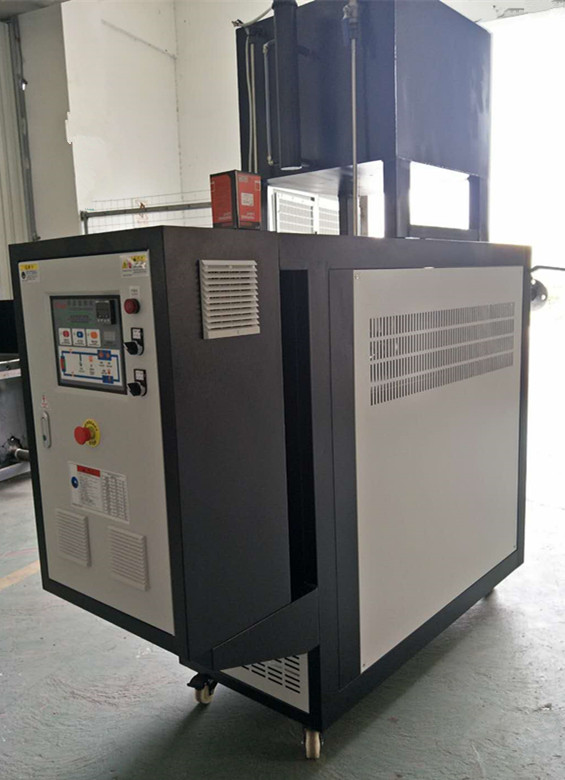
Types of Mold Temperature Controllers:
The types of mold temperature machines are categorized based on the heat-conducting fluid used (water or thermal oil). Water-cooled mold temperature machines typically have an outlet temperature of 90°C, while oil-cooled machines are used for applications with working temperatures of ≥200°C. Generally, mold temperature machines with an open water tank for heating are suitable for both water and oil, with an outlet temperature ranging from 90°C to ≥150°C. The main features of these machines are their simple design and economic pricing. On this basis, there is also a mold temperature machine that uses pressurized water, allowing an outlet temperature of up to 160°C or higher. Due to the superior thermal conductivity of water over oil at temperatures above 90°C, this machine excels in high-temperature operation capabilities. Additionally, there is a forced-flow mold temperature machine, which, for safety reasons, is designed to operate at temperatures above 150°C and uses thermal oil. To prevent overheating of the oil in the mold temperature machine's heater, the machine employs a forced-flow pumping system, and the heater is composed of a certain number of stacked tubes containing finned heating elements for flow guidance.
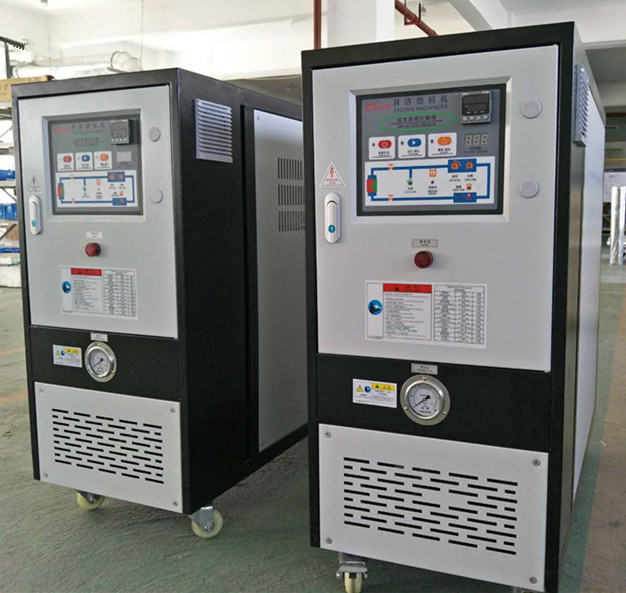
The mold temperature control machine can reduce the production of defective products through temperature control, improving the quality of the final products. In the plastic industry, temperature control plays a crucial role in the shaping process. Good temperature control and accuracy help us better grasp the manufacturing and shaping of products, thus avoiding the production of defective goods.