







Diffusion dialysis acid recovery
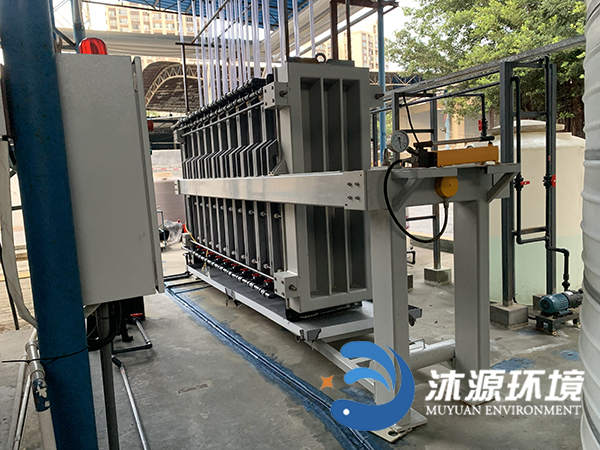
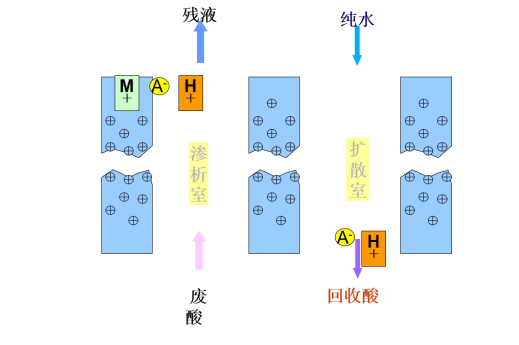
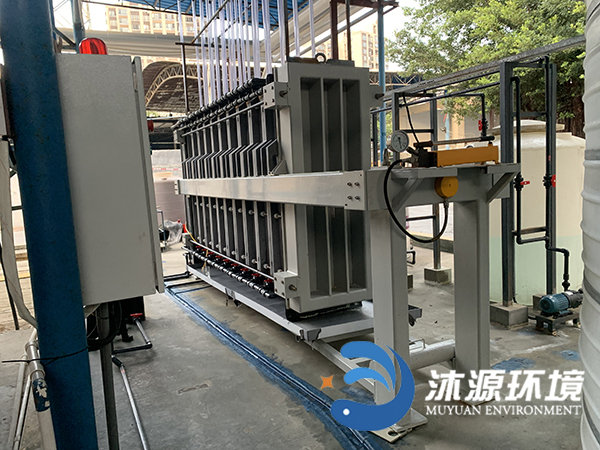
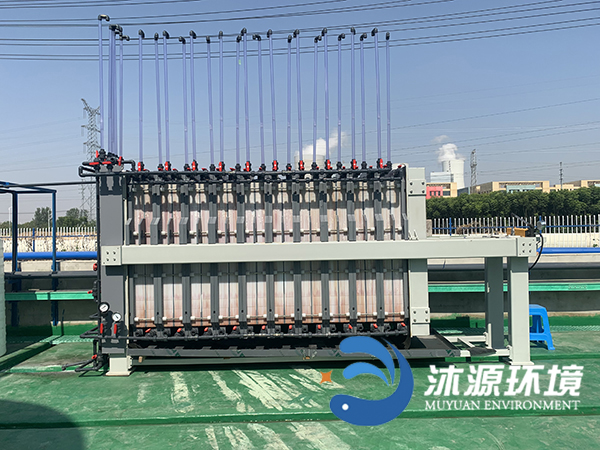
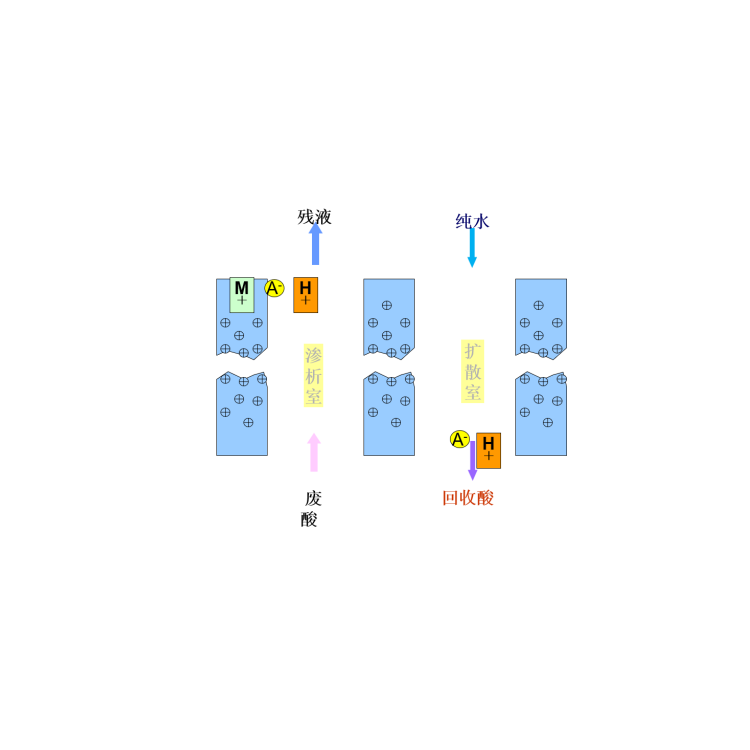
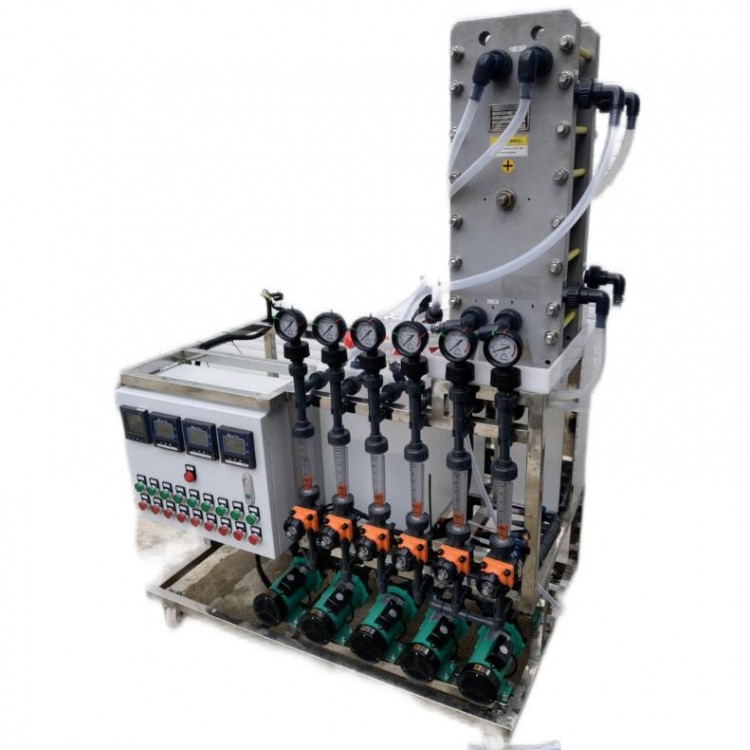
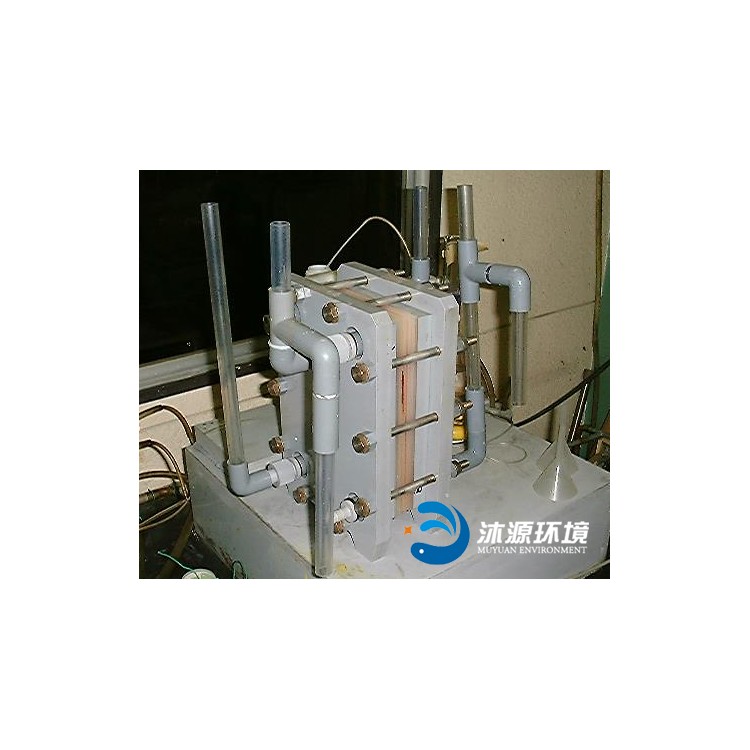
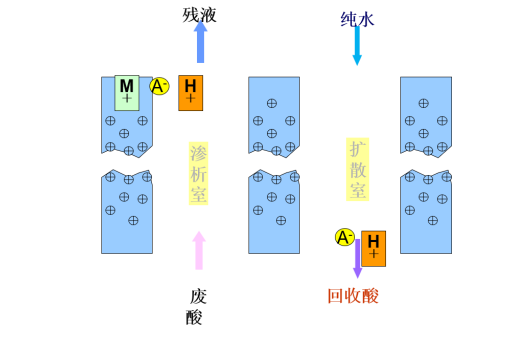
The Membrane Recovery of Waste Acid utilizes the principle of dialysis, driven by concentration gradients. The entire unit is composed of a combination of diffusion dialysis membranes, liquid distribution plates, reinforcing plates, and liquid flow plate frames, as illustrated in Figure 1, consisting of a certain number of membranes forming different structural units. Each unit is separated into a dialysis chamber (A) and a diffusion chamber (B) by an anion homogeneous membrane, as shown in Figure 1. When waste acid and receiving liquid (pure water) are introduced on either side of the anion homogeneous membrane, the concentration of free acid and its salts on the waste acid side is significantly higher than on the water side. Due to the concentration gradient, there is a tendency for free acid and salts in the waste acid to渗透 into chamber B, but the membrane is selectively permeable and does not allow each ion to pass with equal probability. Firstly, the anion membrane skeleton carries a positive charge, attracting hydrated ions with a negative charge in the solution and repelling those with a positive charge. Therefore, under the action of the concentration difference, anions on the waste acid side are attracted and smoothly pass through the membrane pores to the water side. At the same time, according to the requirement of electrical neutrality, positively charged ions are also carried along. Since the hydrated radius of H+ is smaller and the charge is less, while the hydrated ion radius of metal salts is larger and they are more expensive, H+ will pass through the membrane first, thereby separating the acid from the waste liquid. Due to the countercurrent operation, at the outlet of the waste liquid, although the concentration of free acid in the acid chamber is greatly reduced due to diffusion, it is still higher than the concentration of free acid in the incoming water. Additionally, during the actual membrane production, the water content and pore size of the membrane can be controlled by side chain substitution.
Diffusion dialysis possesses the following technical characteristics:
High economic efficiency: Acid recovery rate can reach approximately 80%-90%, and metal removal rate can exceed 90-95%.
Easy Maintenance: Simple equipment structure, stable operation, and convenient maintenance.
Operation cost offset: Driven by concentration difference, no electricity or other energy supply required.