









Industrial Park Waste Salt Resource Recovery
Industrial park wastewater primarily originates from the production processes of chemical, food, smelting, electroplating, textile dyeing, mining, papermaking, leather, and petroleum industries, which mainly contains industrial materials, intermediate products lost in water, and pollutants generated during production.
The industrial park wastewater is challenging to treat due to its diverse and fluctuating sources, complex water quality and quantity, and the presence of a large amount of non-degradable organic matter and toxic substances, which have poor biodegradability. Additionally, it may contain irritant and corrosive substances like inorganic acids and bases. With the continuous enhancement of national energy conservation and emission reduction requirements, many regional industrial park wastewater treatment plants are facing the need for upgraded改造.
Industrial park wastewater resource utilization
Treatments in different parks should be tailored to the composition of the industrial chain within the park, ensuring rational wastewater disposal, aiming for water and solid reuse, and reducing waste emissions. The key is how to recycle waste salt effectively.
Brine Water Resource Utilization
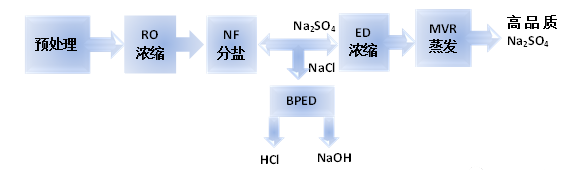
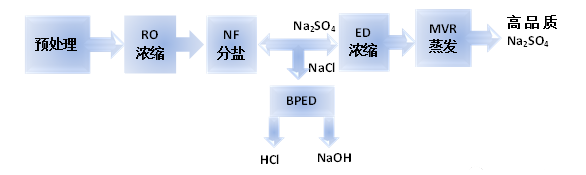
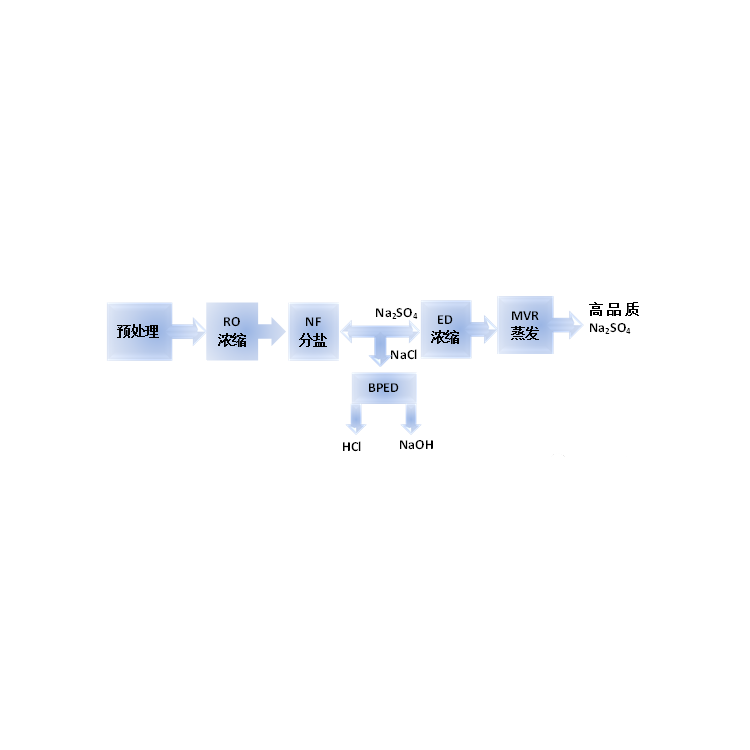
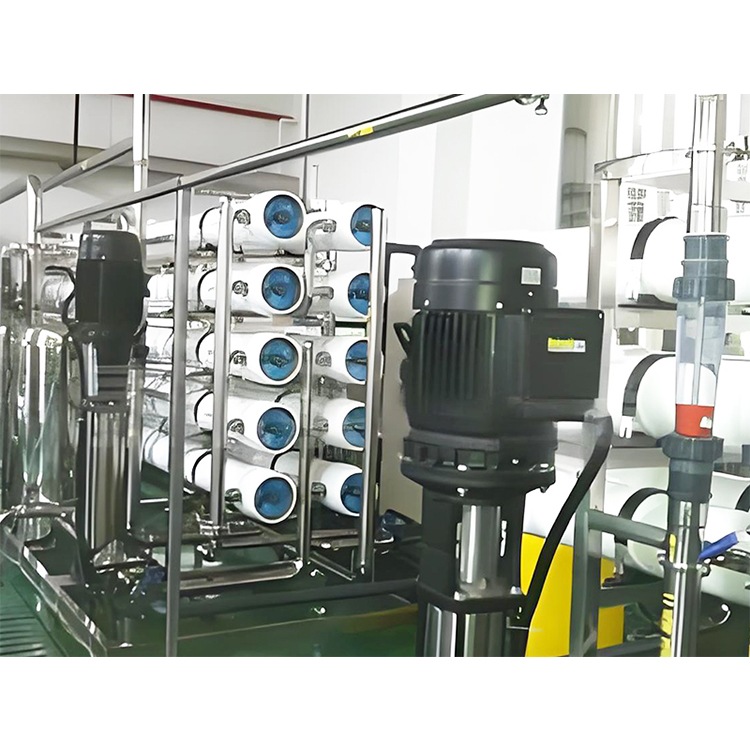
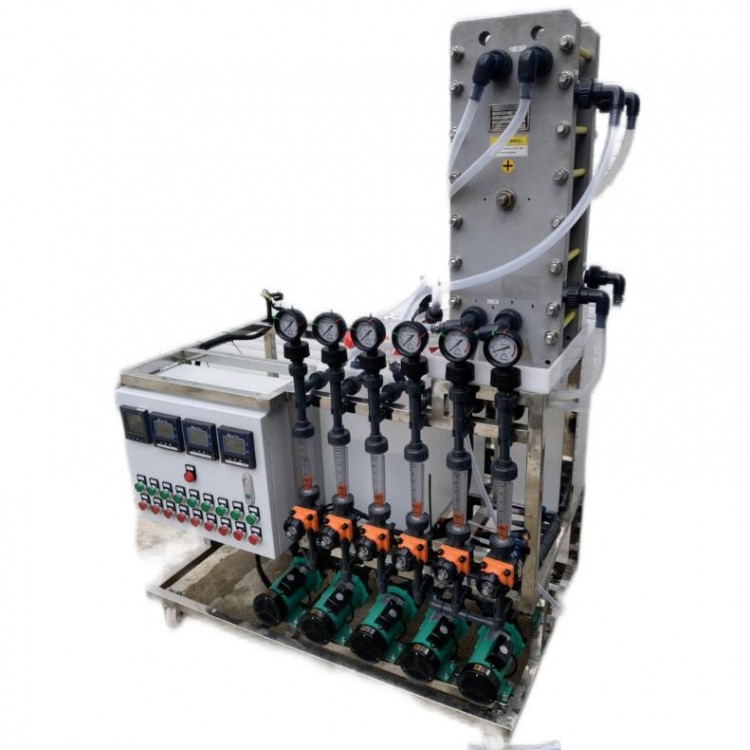
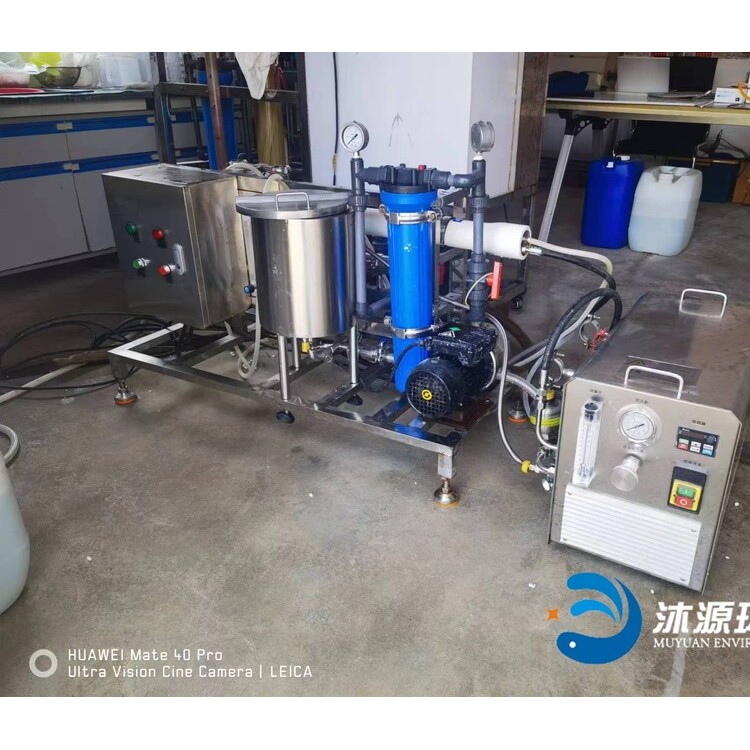
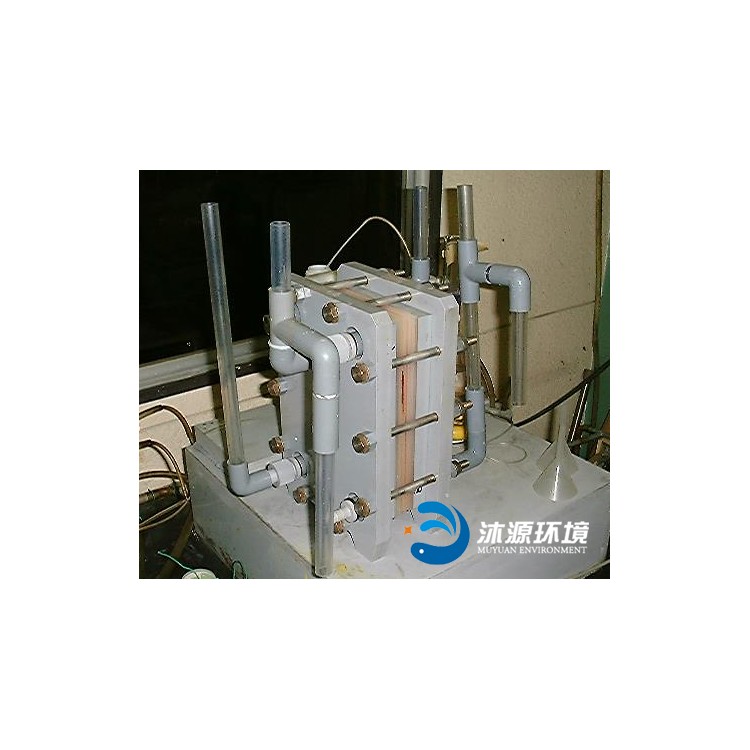
By nanofiltration separation, sodium chloride and sodium sulfate are removed from the reverse osmosis concentrate. The NF permeate and concentrate are then separately concentrated. The concentrated solution is further processed through evaporation crystallization to produce salt or through bipolar membrane electro dialysis to prepare acids and alkalis, thereby completing the recovery and utilization of salt.