






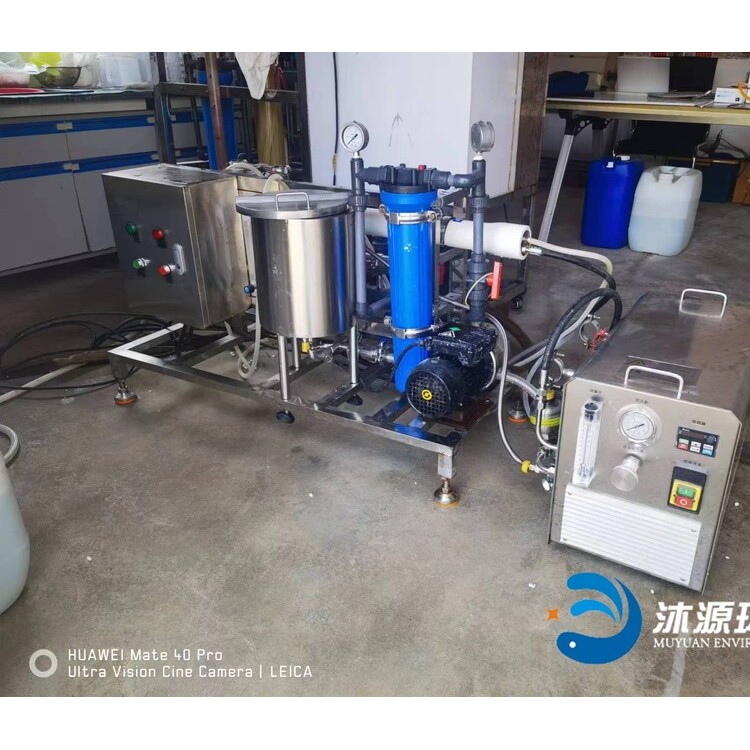
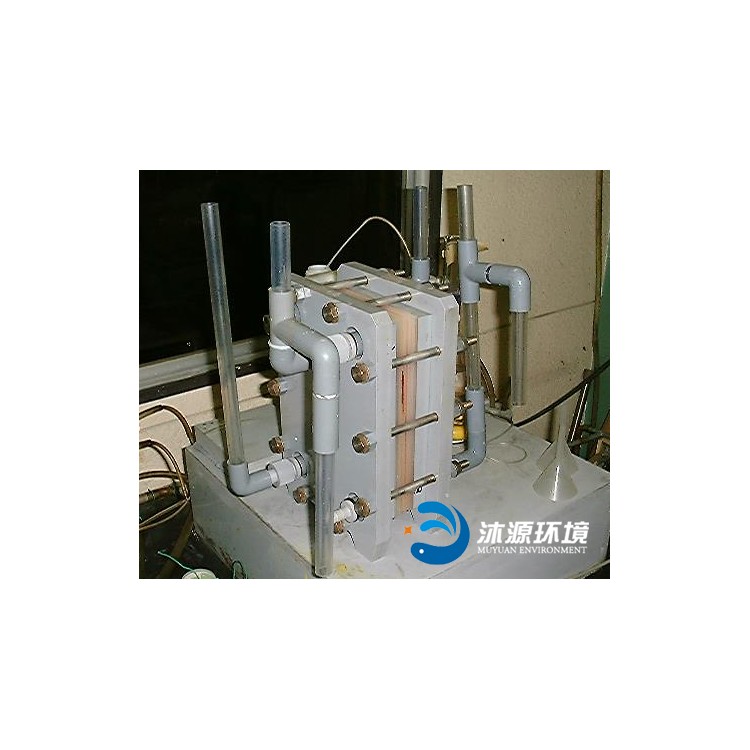
Amino acids and organic acids are primarily produced through fermentation methods. The fermentation broth is complex in composition, and inexpensive products depend on efficient and clean extraction processes. The process generates high-salt mother liquors, which are commonly treated by desalination through ion exchange resins, followed by activated carbon decolorization. The drawback of this process is the large consumption of acids and bases, significant resin wear, leading to high production costs, and heavy environmental pollution due to acid and base emissions. Electrodialysis is a membrane separation technology driven by an electric potential difference, offering unique advantages in the separation, preparation, and concentration of amino acids and organic acids. Adopting electrodialysis technology to partially or entirely replace the ion exchange process is an excellent solution for cost reduction.
Electrodialysis principle for desalination of amino acids/organic acids
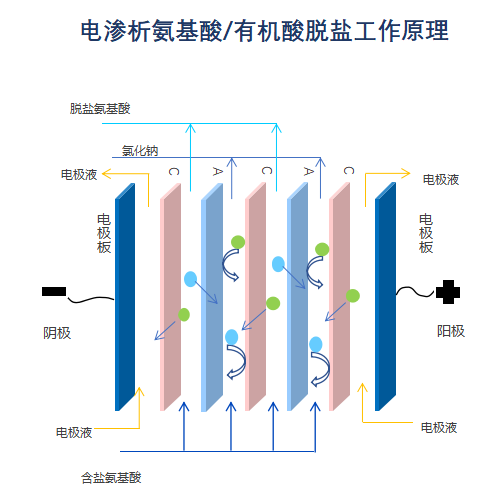
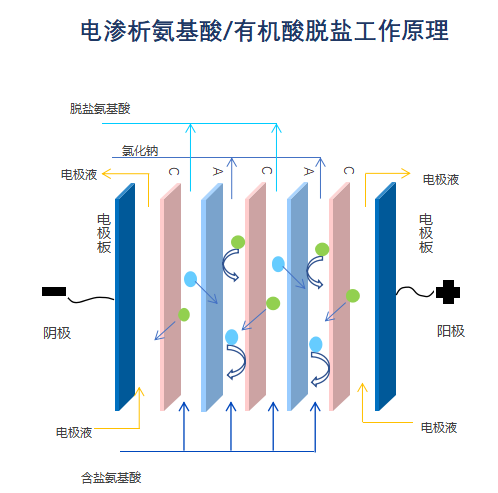
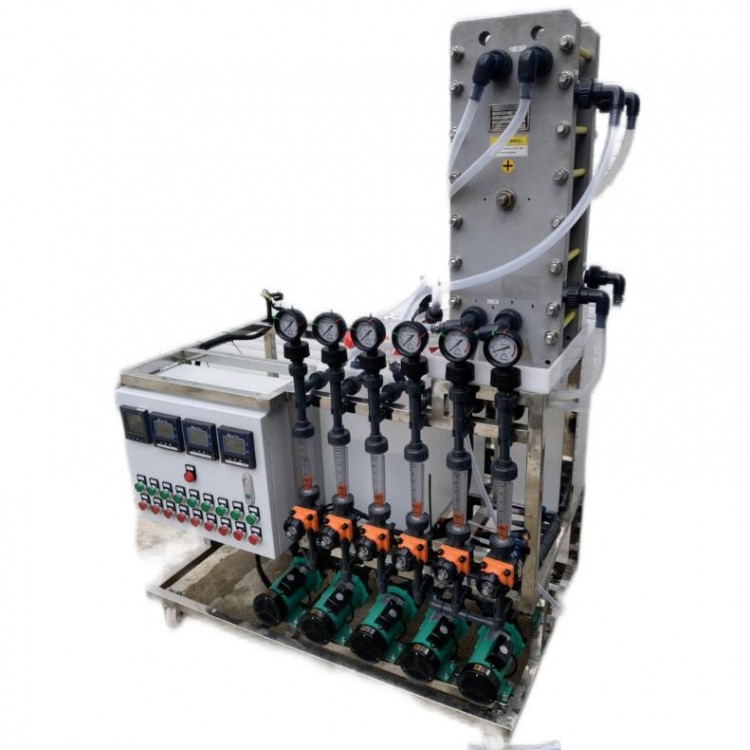
Electrodialysis is a process where, under the drive of a direct current field, Na+ and Cl- ions of NaCl in the desalination chamber pass through the positive and negative membranes respectively to the concentrating chamber, separating salts from amino acids. During the desalination, sodium chloride (ionic components) is transferred to the concentrating chamber.