











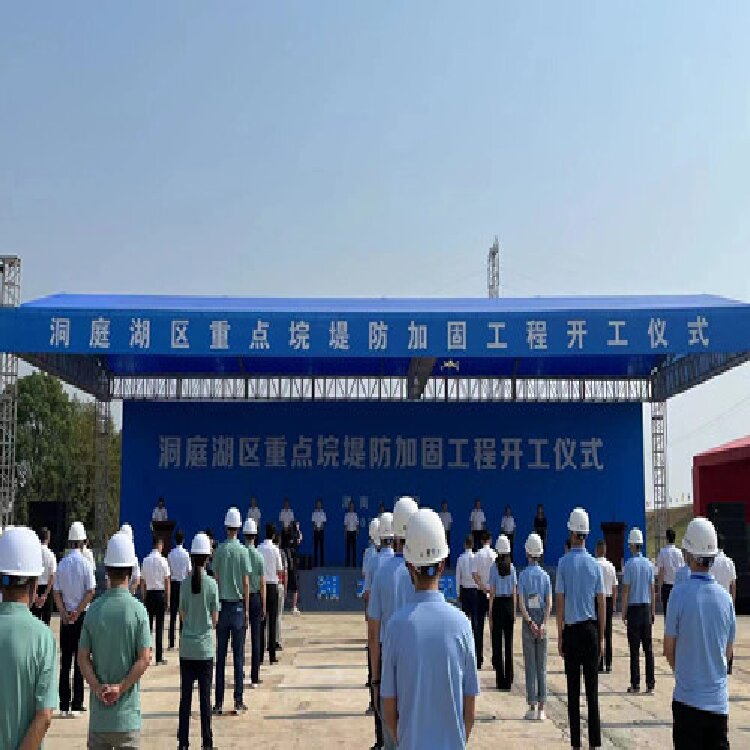
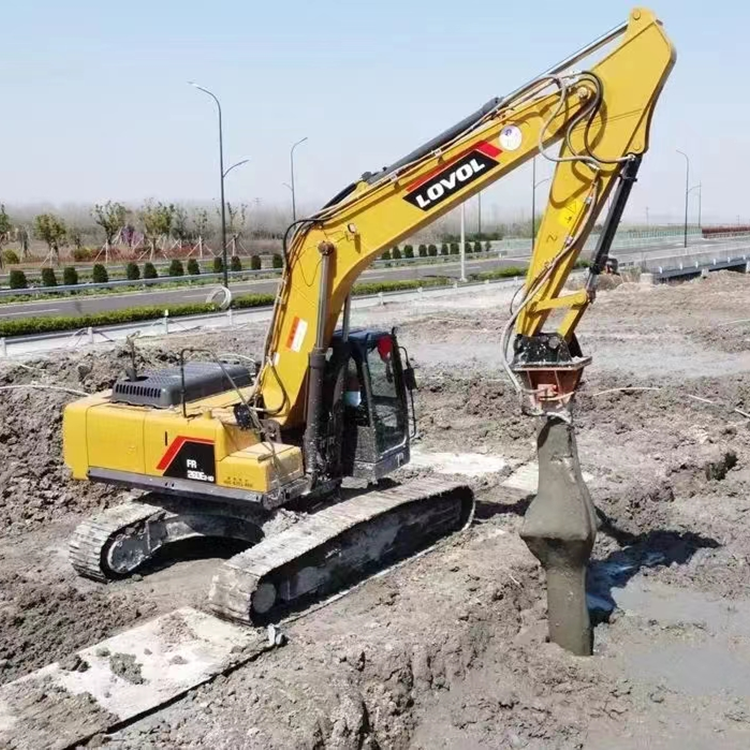
The Dongting Lake Area Key Embankment Reinforcement Project in Hunan Province is one of the 150 major water conservancy projects deployed and implemented by the State Council. The first phase selects six key embankments, including Songli, Anzao, Yuangli, Changchun, Lanmi Lake, and Huaying City Wall, for initial implementation. The project involves reinforcing embankments over a length of 658 kilometers, affecting 4 prefectural-level cities and 15 counties (cities, districts). Construction includes raising embankments for 33 kilometers, anti-seepage and隐患 treatment for 316 kilometers, foundation anti-seepage for 287 kilometers, slope protection for 87 kilometers, toe protection for 134 kilometers, reconstruction, reinforcement, and demolition of 234 structures, and construction of 460 kilometers of flood prevention roads on the embankment tops. This will effectively enhance flood protection for 3.85 million people and 20.4 million mu of cultivated land in the lake area. According to the design and planning, the total construction period for the Dongting Lake Area Key Embankment Reinforcement Project is 45 months, with an estimated total investment of 8.5 billion yuan.
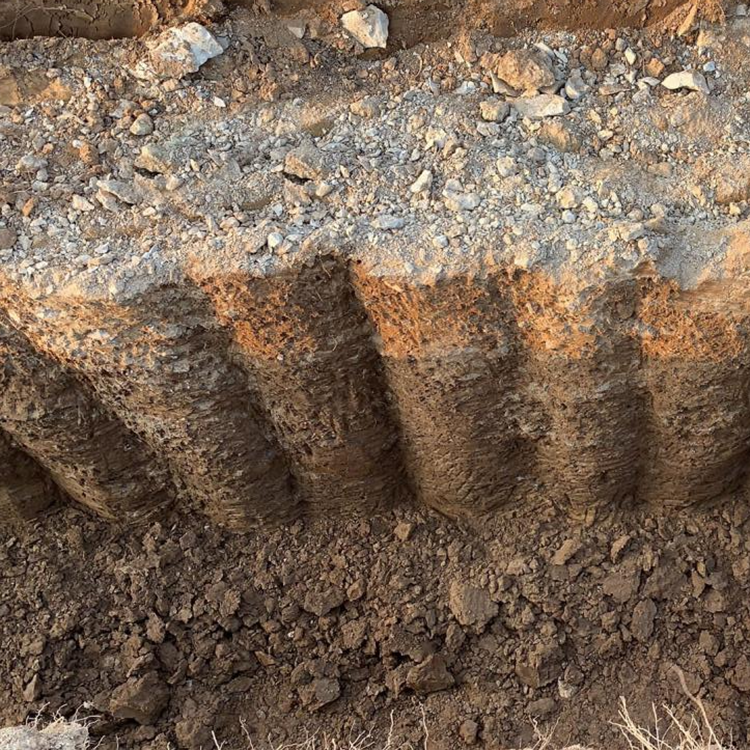
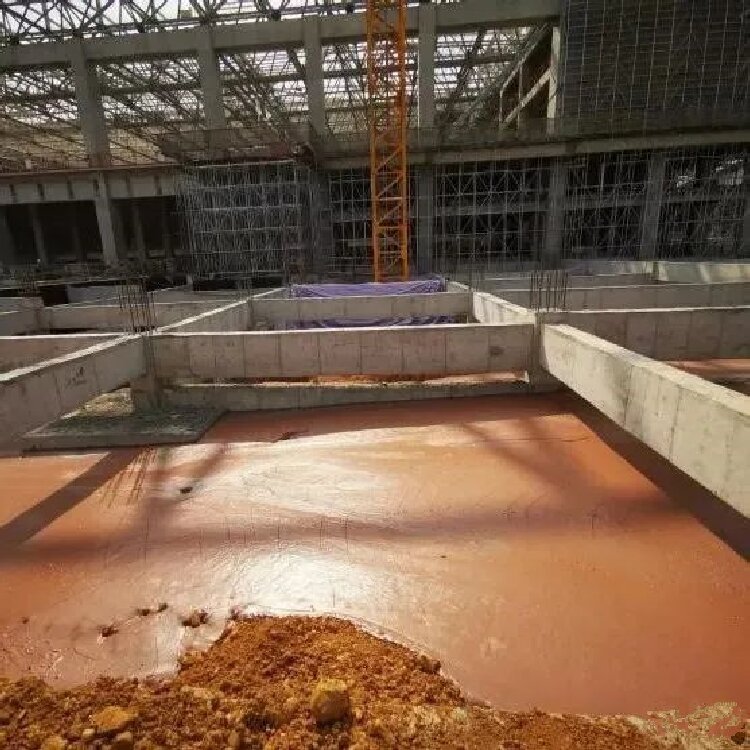
Leachate prevention treatment on embankment road
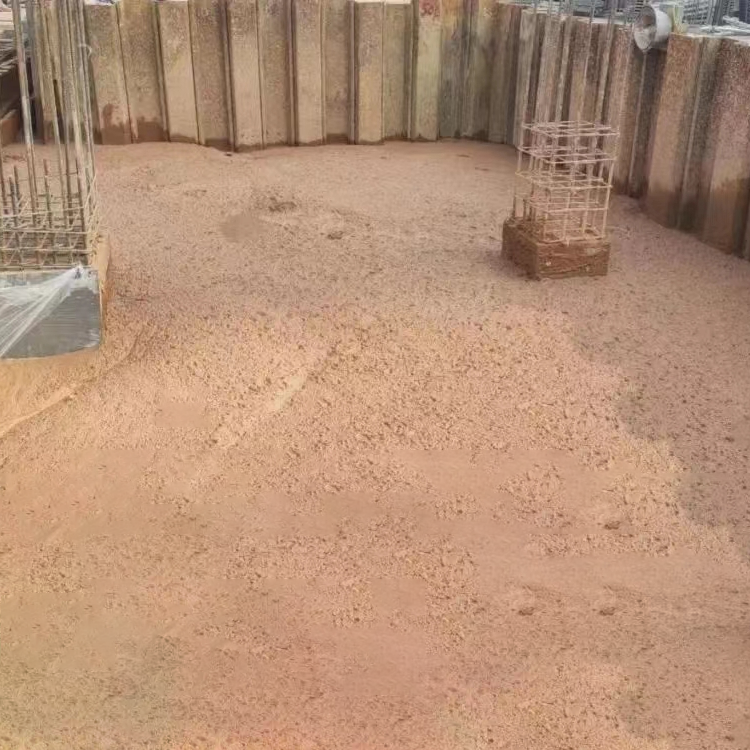
In flood control and water conservancy projects, the embankment's flood prevention roads and pavements are predominantly of earth material, leading to numerous issues such as uneven settlements and low load-bearing capacity. Utilizing new soil stabilization materials for construction, as the soil loses its water-absorbing function after reinforcement, hardens the embankment. This allows for a direct replacement of traditional pavement structures, yielding better actual results than conventional methods.
Applying soil stabilizer in the work of dam seepage prevention offers three main advantages: Firstly, it can accelerate the construction progress, allowing for full mechanization from start to finish. With the combined efforts of flat machines, road mixers, rollers, and water trucks, the construction speed can reach 1 km per day. Secondly, using soil stabilizer can significantly reduce engineering costs, as the soil used in the stabilizer can be sourced locally, thereby lowering the input costs of construction work and yielding better results than traditional methods. Thirdly, soil stabilizer is highly practical, widely used in rural roads of hydraulic projects, roadways on the dam crest, and flood prevention roads on earthen dams.
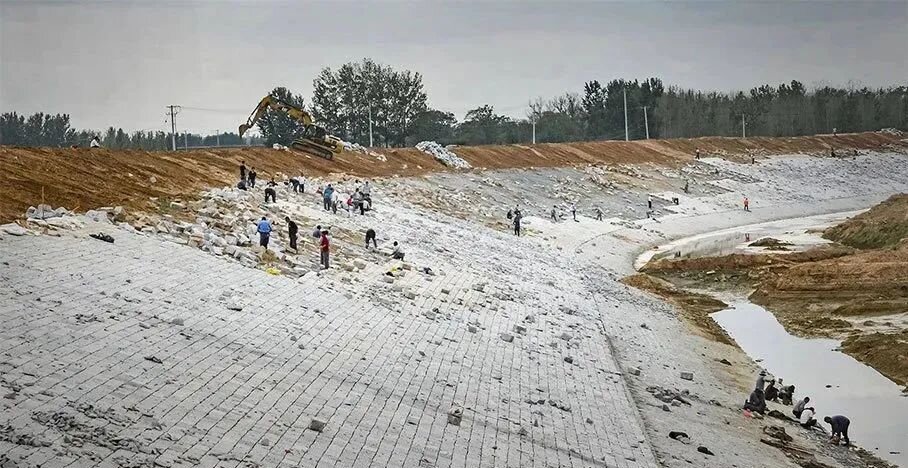
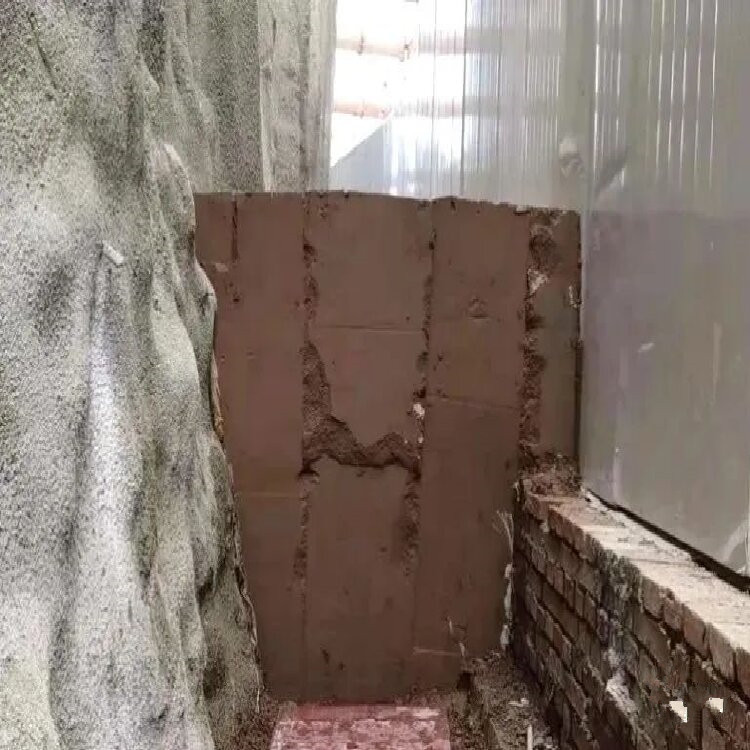
Seepage control treatment for embankment slopes
During the reinforcement construction of embankment slopes at this stage, a considerable amount of sand and stone materials is often required, which in turn increases the investment cost to some extent. Therefore, it is more appropriate to use soil stabilizers for anti-seepage treatment in such areas. In regions prone to erosion by rainwater, applying soil stabilizers to the riverbank slopes can effectively prevent soil erosion and slope collapse. After stabilizing the soil, it also enhances its anti-seepage properties and compressive strength. In the actual construction process, using the LZY bidirectional high-pressure concrete forming machine allows for mixing and extrusion of various soils, producing solid prefabricated panels of different specifications and sizes, which can then be directly applied in anti-seepage treatments for slopes. The use of high-density bidirectional extrusion forming technology effectively improves its strength, freeze-thaw resistance, and anti-seepage properties.
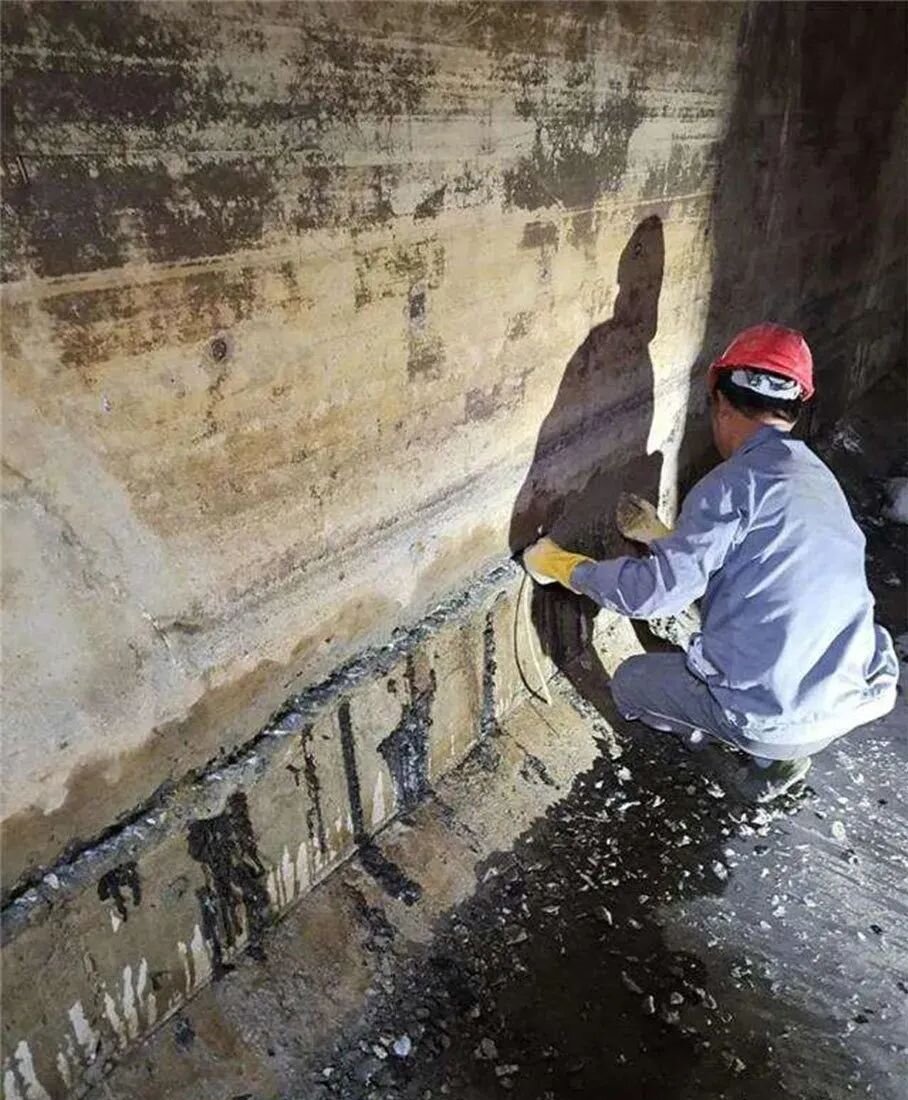
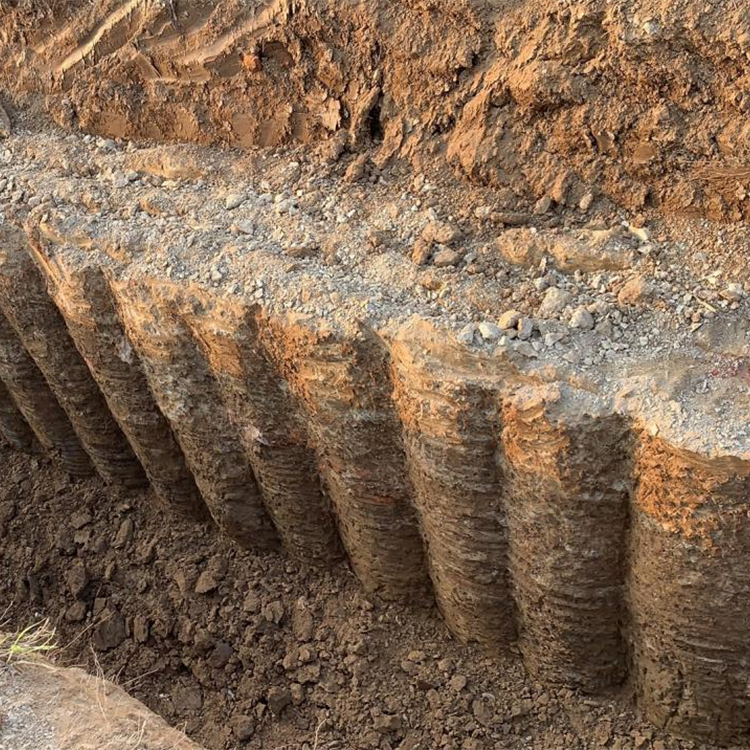
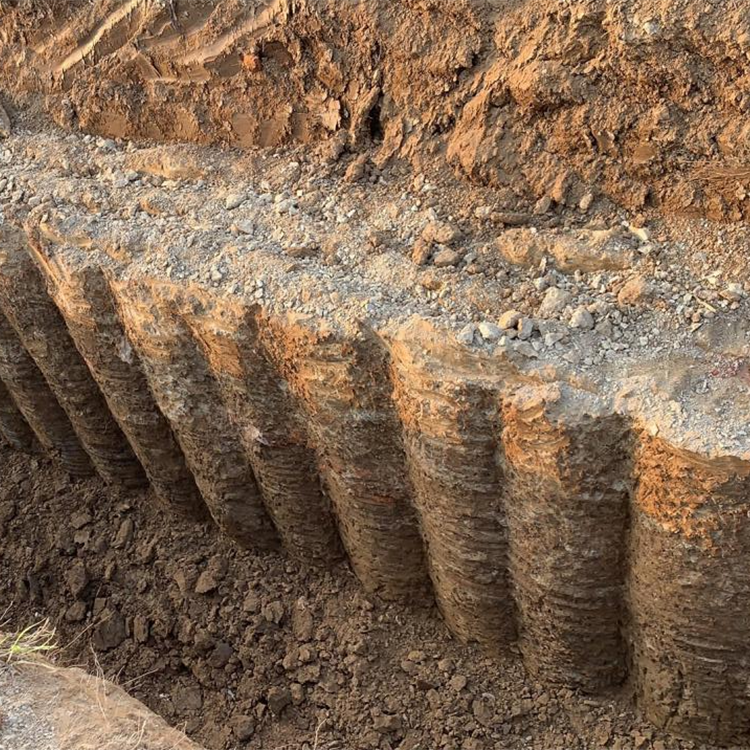
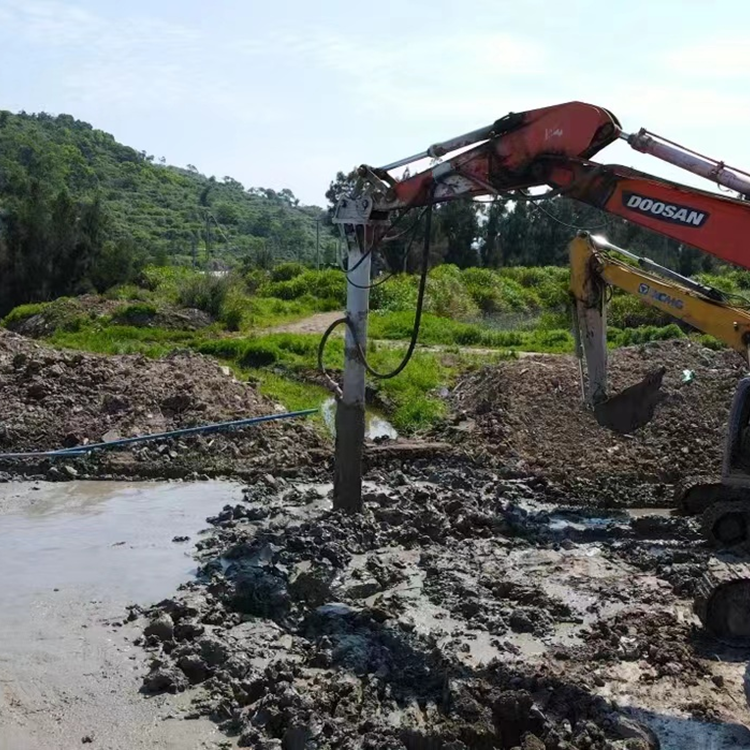
Vertical seepage control treatment for the dam
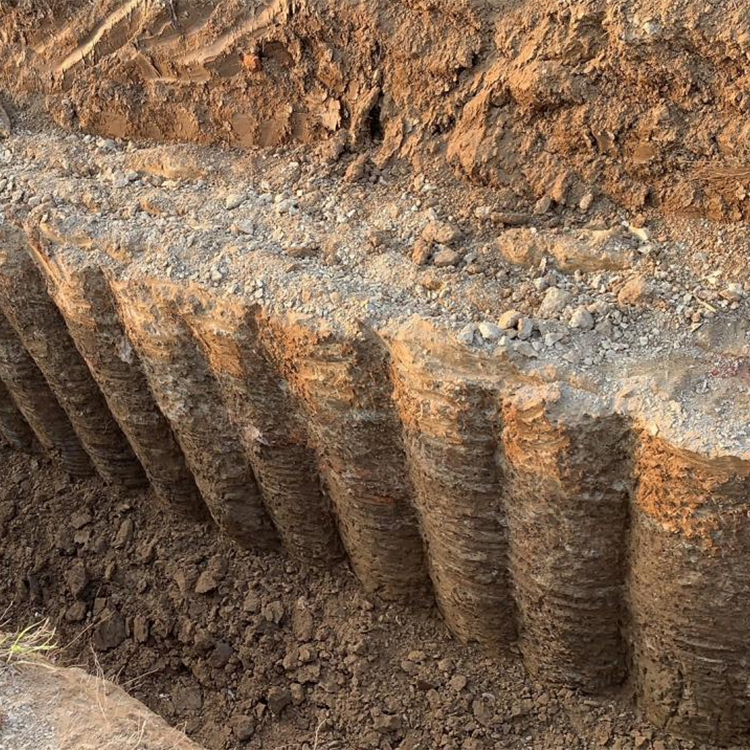
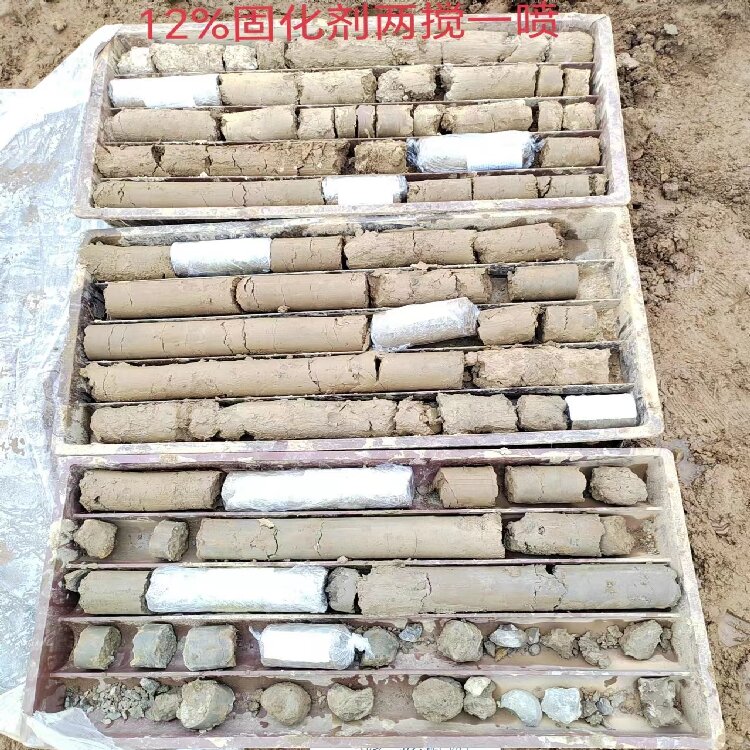
Many embankments are of the sandy foundation type, which have lower density and poorer soil quality, thus reducing the anti-seepage performance of the foundation, leading to issues like piping, leakage, and slope failure. Soil stabilizers are specialized solidifying materials used in soil, applicable to various river sands, soils, and high-organic silt, changing the soil's hydrophilicity to hydrophobicity, thereby preventing secondary mudification and achieving true soil stabilization. Combining actual test results with theoretical analysis shows that using soil stabilizers in the construction of embankment vertical cutoff walls offers superior anti-seepage and compressive properties compared to other solidifying materials.
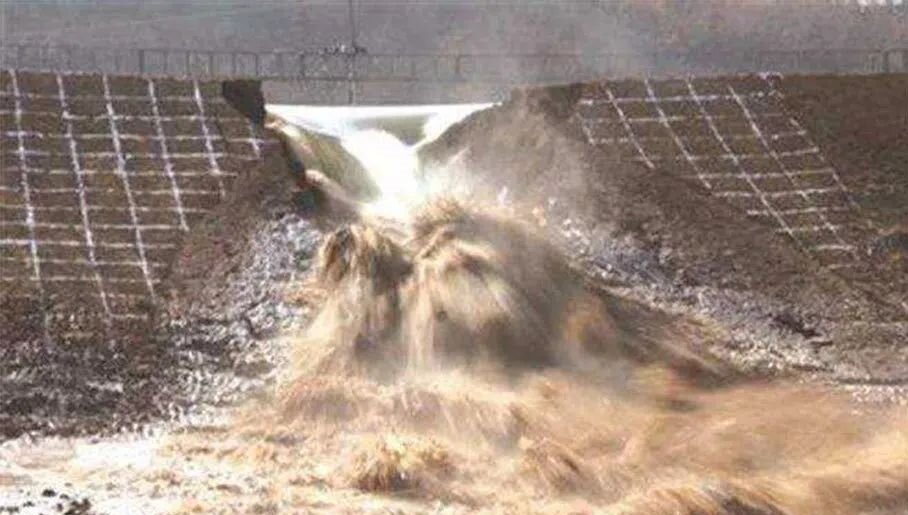
In summary, using soil stabilizers to reinforce the embankment in anti-seepage work not only effectively improves the embankment's anti-seepage and compressive properties, thereby extending its service life and achieving low-carbon and environmental protection goals, but also makes construction more convenient, quick, and simple, while reducing the construction cost, achieving a win-win situation in multiple aspects.