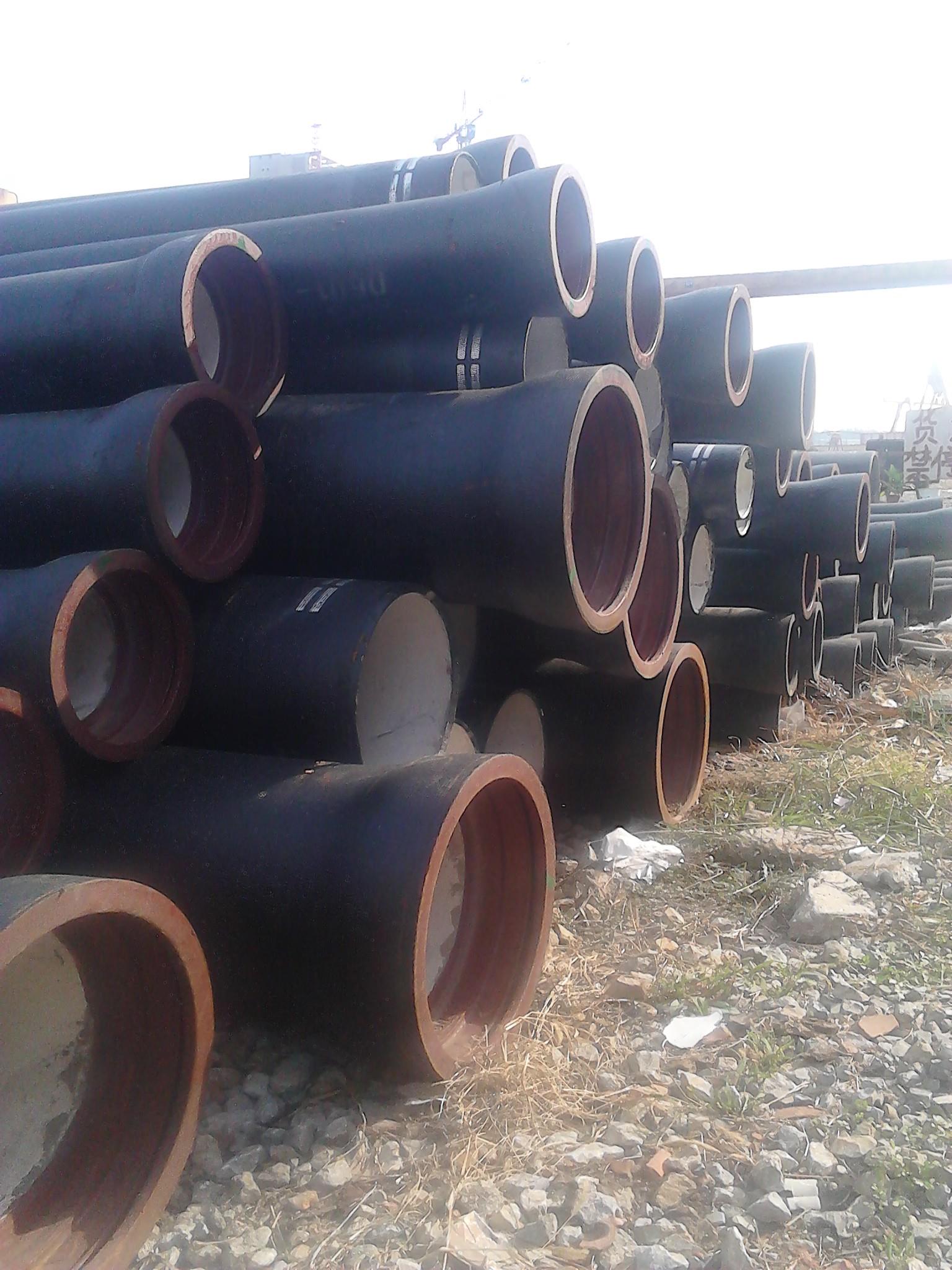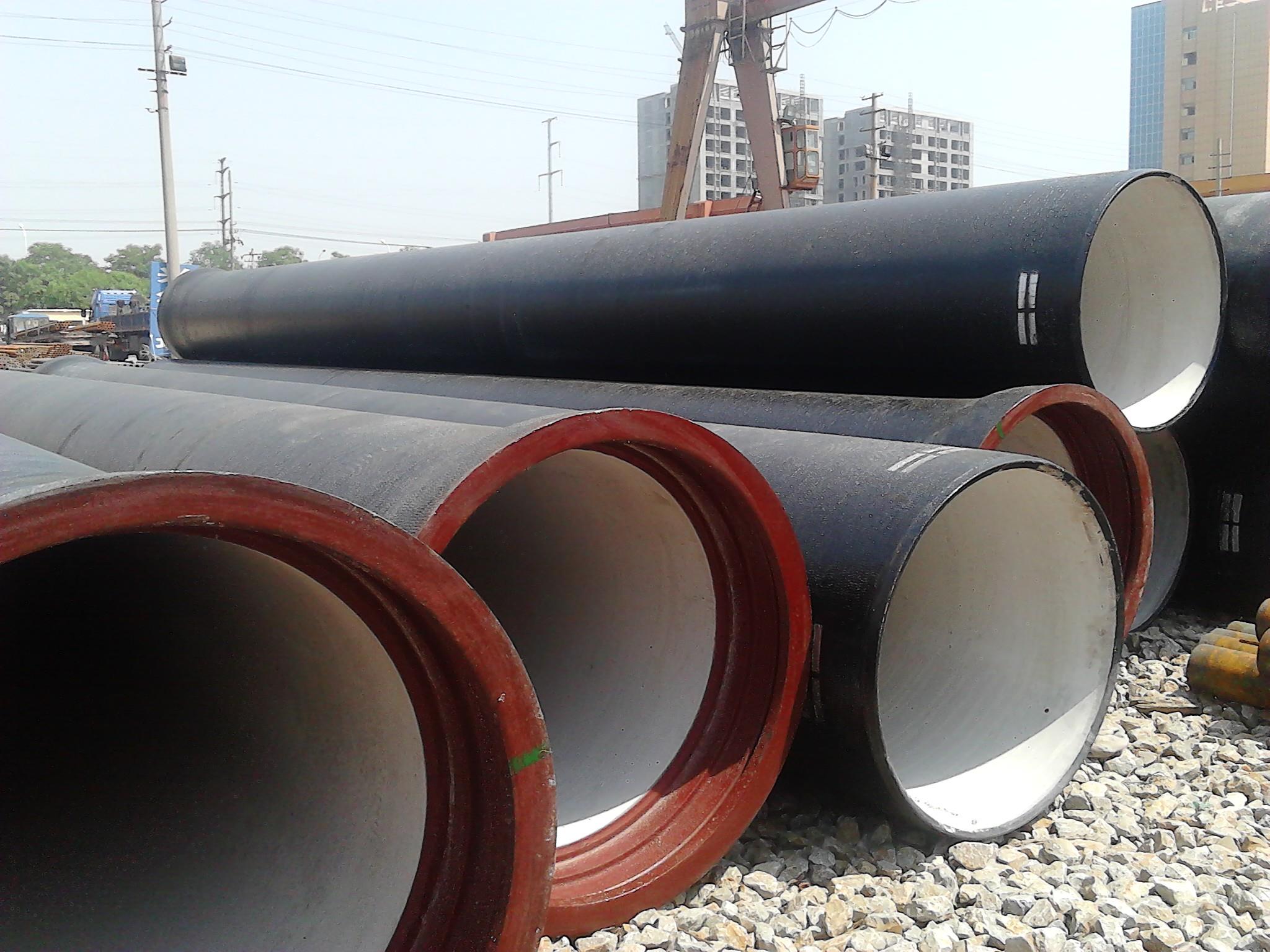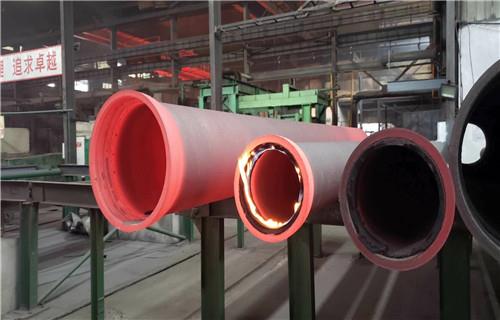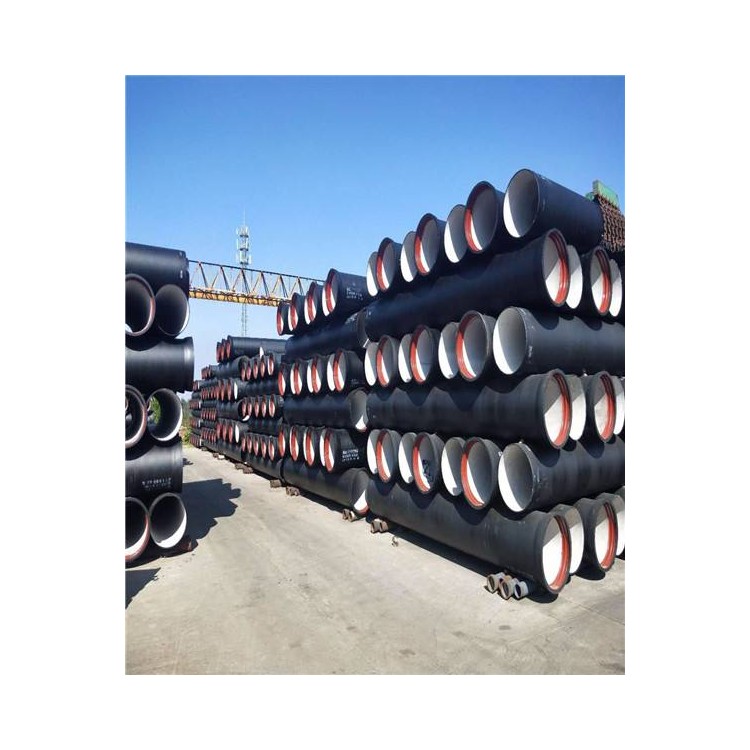









Ductile iron pipes are cast using methods similar to those of other industrial castings, representing one type of cast iron pipe material. Currently available are K7 and K8 grade ductile iron pipes, manufacturers of ductile iron pipes, ductile iron pipe prices. Ductile iron pipe factory, ductile iron pipe producers, suppliers, providers, agents, and distributors. Ductile iron pipes comply with the GB/T13295-2008 specification; K8, K9, and K10 grades are national standards, with varying quality levels. K9 is a national standard, K10 is for special custom orders, and K8, strictly speaking, does not meet standards. Specifications such as standard length and wall thickness vary. Many workshop-level factories produce products like K9 with a standard length of 6.15M and K8 at 6M, with wall thickness starting from DN100 and being slightly thinner. In the domestic market, domestic water companies and fire protection projects generally choose K9 grade ductile iron pipes.
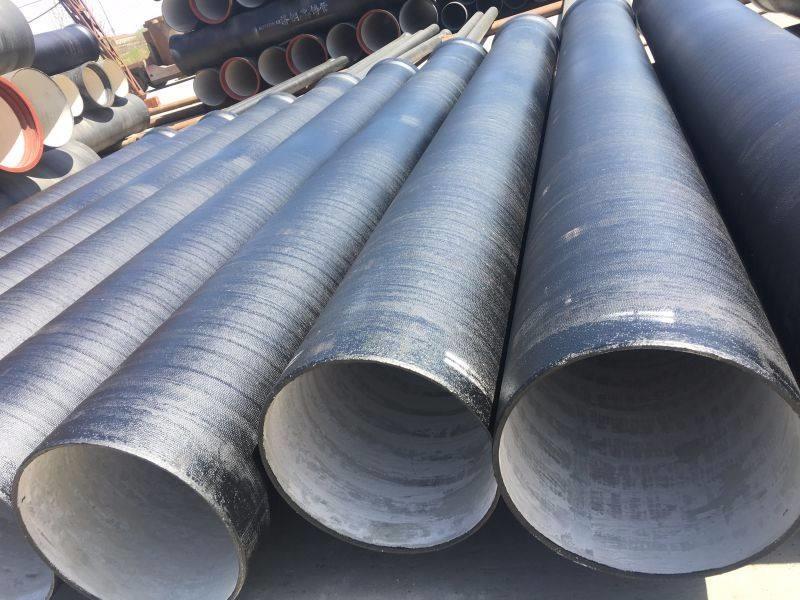
Shanxi Jinsuntong Ductile Iron Pipe Manufacturer Installation Points: 1. Clean Pipe Ends: Remove all debris from the socket and clean it thoroughly. 2. Clean and Install the Gasket: Clean any adhesive from the gasket, bend it into a "plum blossom" or "8" shape, and insert it into the socket groove. Press the gasket evenly along its entire length by hand or with a rubber mallet to ensure it sits flat and securely in the groove. 3. Apply Lubricant: Coat the inner surface of the installed socket with lubricant and ensure the outer surface of the spigot is evenly lubricated. 4. Lower the Pipe: Lower the pipe to the bottom of the groove according to specifications, typically using manual or mechanical methods. 5. Install Equipment: Position the prepared equipment without re-contaminating the cleaned pipe sections. 6. Push the Pipe into the Socket: To ease insertion, place the spigot into the socket and press it onto the gasket. Tie the wire rope and use a come-along to tighten it. Simultaneously, allow someone to shake the pipe back and forth at the socket end until the spigot is fully inserted. Leave a 2mm gap between the socket and spigot and ensure the distance from the socket's outer edge to the gasket is consistent. Ductile Iron Pipes Corrosion Protection: 1. Asphalt Paint Coating: Used for gas transmission pipelines. Preheating the pipe before painting improves the adhesion of the asphalt paint and accelerates drying. 2. Cement Mortar Lining + Special Coating: This internal corrosion protection measure is suitable for sewage transmission pipelines and enhances the lining's corrosion resistance. 3. Epoxy Coating. 7. Shanxi Jinsuntong Ductile Iron Pipe Fitting Installation: Due to the light weight of the pipe fittings, using a single wire rope during installation can cause misalignment, squeezing the rubber ring and preventing proper installation. To avoid this, use a double come-along method for parallel installation of the fittings, or extend the pipe fittings and install with a single wire rope.
Several types of elbows are available for ductile iron pipes.
Socket weld elbows for ductile iron pipes are available in T, K, N1, and S types.
Ductile iron pipes are essentially spheroidal cast iron pipes, as spheroidal cast iron pipes possess the essence of iron and the properties of steel, hence the name. The graphite in spheroidal cast iron pipes exists in a spherical form, typically ranging in size from 6 to 7 grades. In terms of quality, the spheroidizing grade of the cast iron pipes should be controlled at 1-3 grades, with a spheroidizing rate of ≥80%. This results in improved mechanical properties of the material itself, combining the essence of iron with the properties of steel.
Features: Iron essence, steel performance, excellent corrosion resistance, good ductility, easy installation, mainly used for municipal and industrial enterprises for water supply, gas transportation, etc.
Elbows come in three types from the joint perspective: Double Flange, Double Socket, and Socket-Weld.
1. Each type of elbow bend comes in four angles: 90, 45, 22.5, and 11.25 degrees.
2. Therefore, there are a total of 3 x 4 = 12 types of elbows.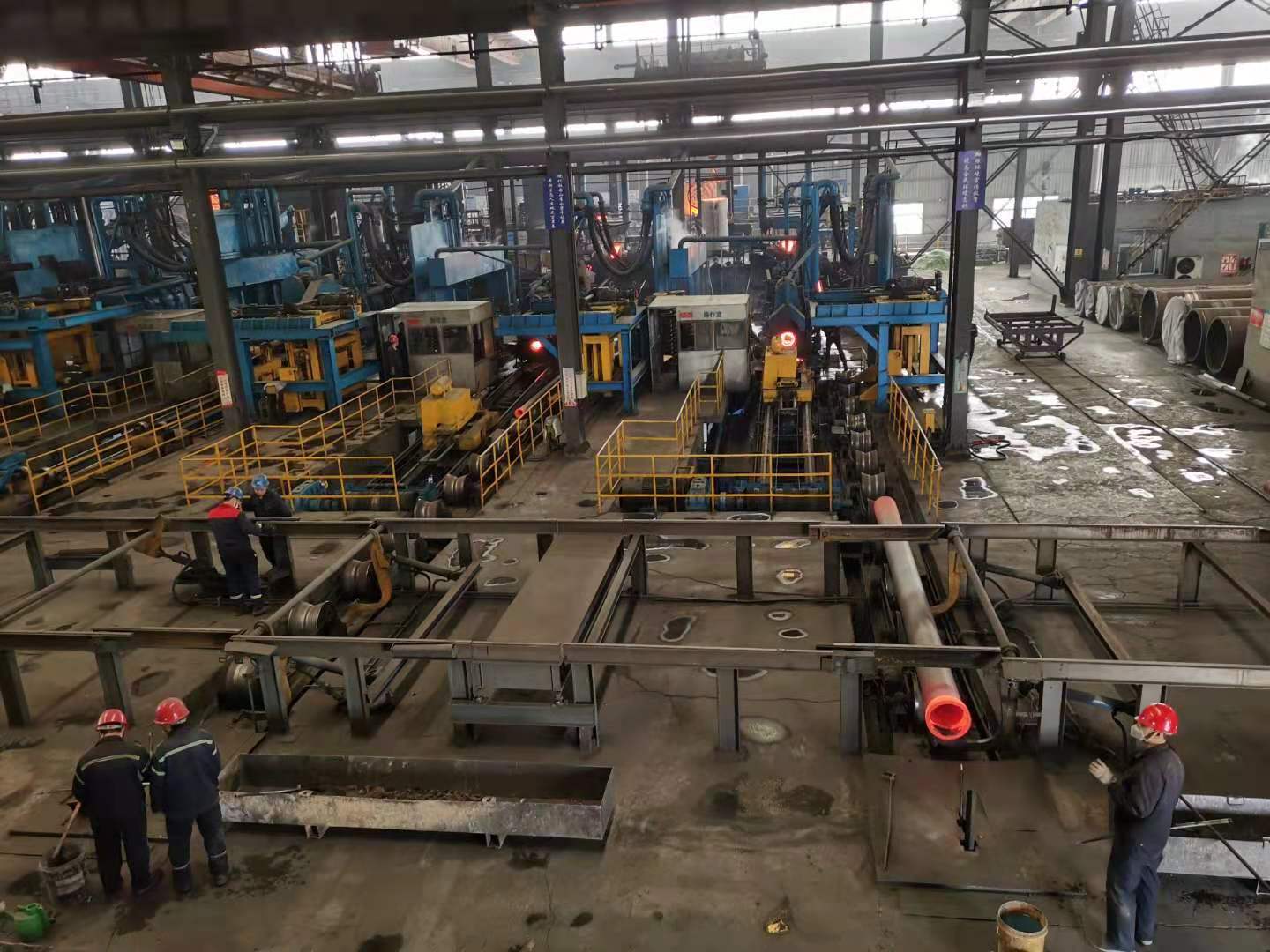
Fourth, a continuous improvement in indoor space is crucial, especially when using fittings. Most people would be concerned about the durability of their use rather than damage. An important factor here is its recyclability and reusable nature, avoiding new environmental pollution. For plastic hoses, most can recycle and reuse the scrap. However, for PE-X and its waste or old pipes, they are not recyclable and cannot be dissolved, making this a persistent research challenge.
Ductile iron pipe production requires meticulous work. Ductile iron pipes used for high-pressure fluid transmission, also known as daily welding pipes or commonly referred to as black pipes, are used for conveying gas, oil, heating steam, and other high-pressure fluids. The characteristics of ductile iron materials for these purposes include smooth inner walls, lightweight, corrosion resistance, good anti-scaling properties, and low cost. However, there are also several drawbacks, including:
The raw material for the aging, thermal expansion and contraction, unsuitable for prolonged exposure to sunlight, poor compressive properties, and prone to deformation due to improper construction, is made by adding magnesium, calcium, and other alkaline earth metals or rare metals to the malleable cast iron pipes.
Ductile iron pipes are forged using continuous casting and water-cooled centrifugal forging methods, with the latter being a modern technique. Compared to simple cast iron pipes, the water-cooled method not only maintains corrosion resistance but also boasts high strength, excellent toughness, thin walls, light weight, impact resistance, large bending capabilities, and ease of installation. It has also been successfully implemented domestically. In many regions of China, ductile iron pipes are used for medium and small diameter pipe connections, employing socket and spigot or flanged joints; ductile iron pipes allow for limited angles and must have superior seismic resistance and sealing properties.
Ductile iron pipes can be classified according to the wall thickness coefficient K or the allowable working pressure C. When classified by the allowable working pressure C, the sizes range from DN1000 and above. Gas pipes should be classified based on the wall thickness coefficient K. The specific wall thickness and allowable pressure for self-anchoring joint pipes are provided by the manufacturer.
Flexible interface components are categorized by working pressure rating, indicated by the letter 'C' preceding 10 times the PFA (Permitted Working Pressure). For instance, if the PFA is 4Mpa, the pressure rating would be 0.