

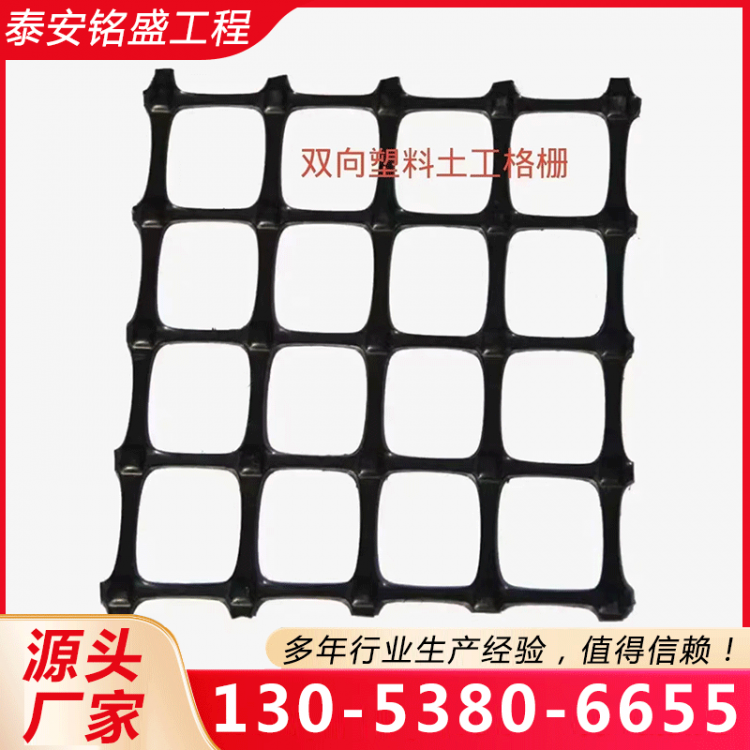
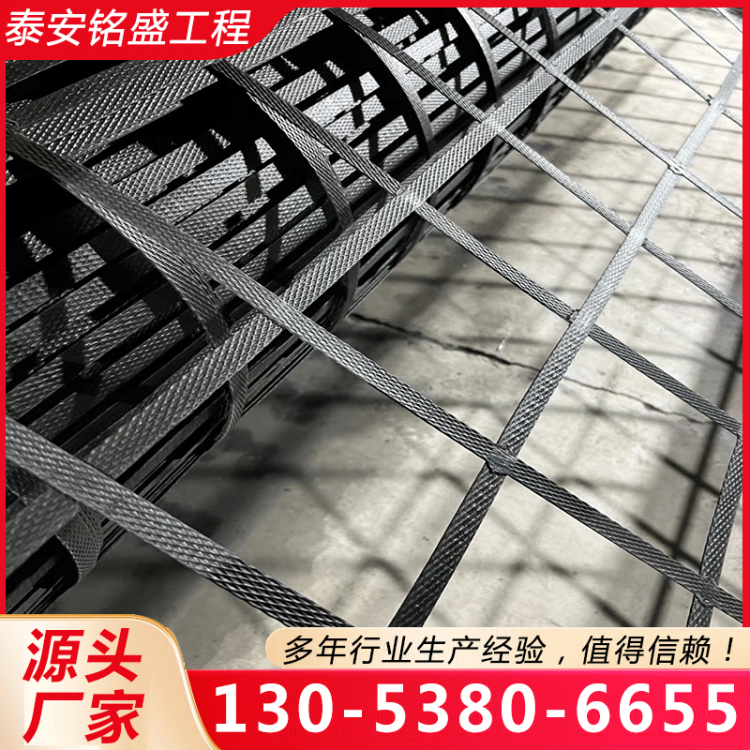
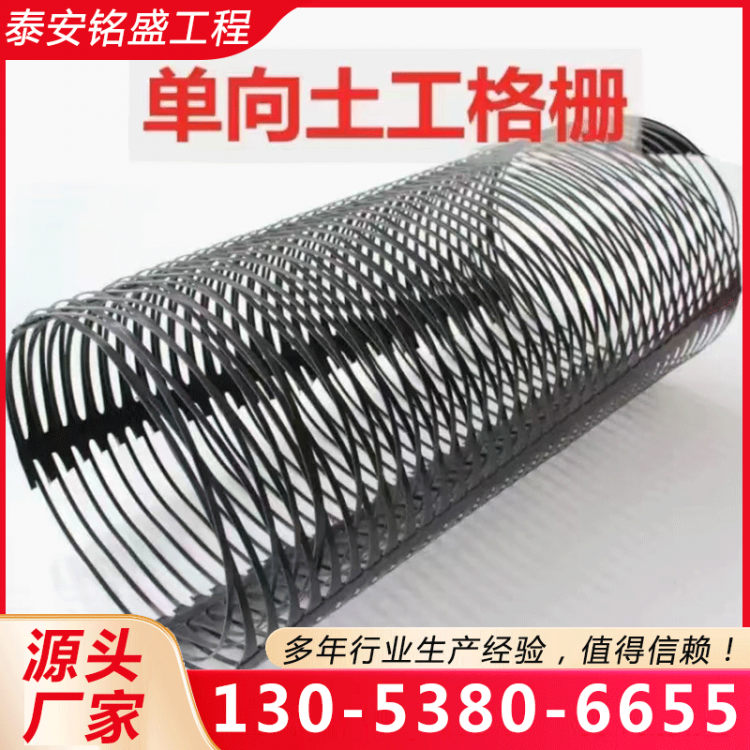
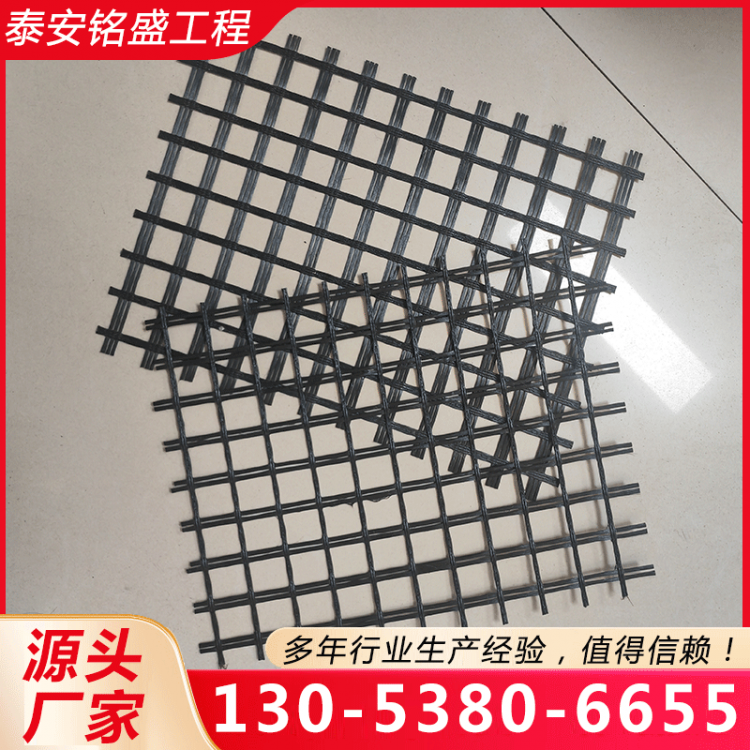







Chuzhou Asphalt Road Fiber Glass Mesh Specifications and Models Road Fiber Glass Mesh Highway Fiber Glass Mesh Fiber Glass Mesh Price
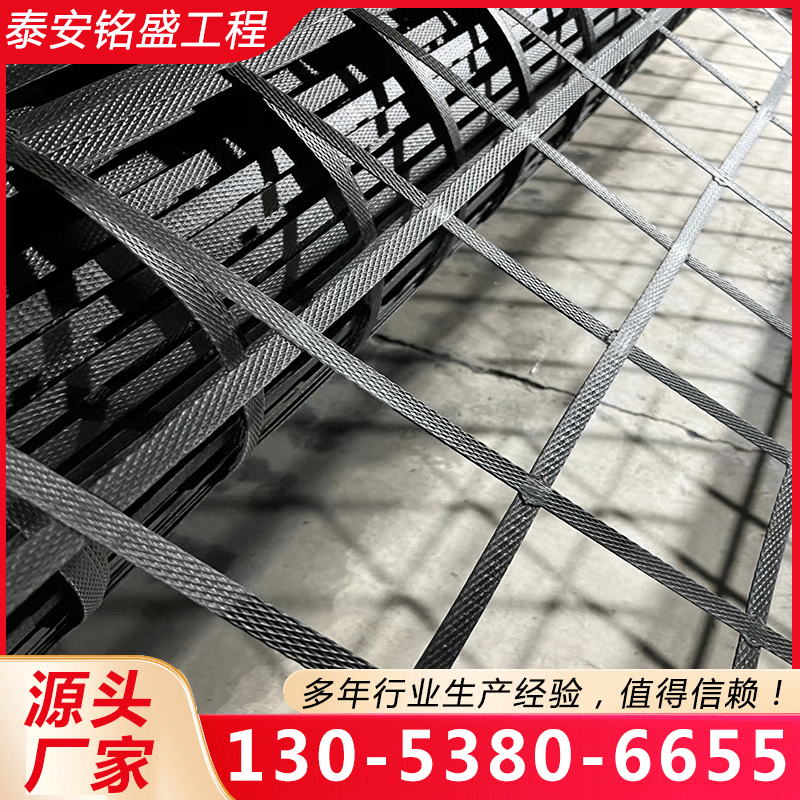
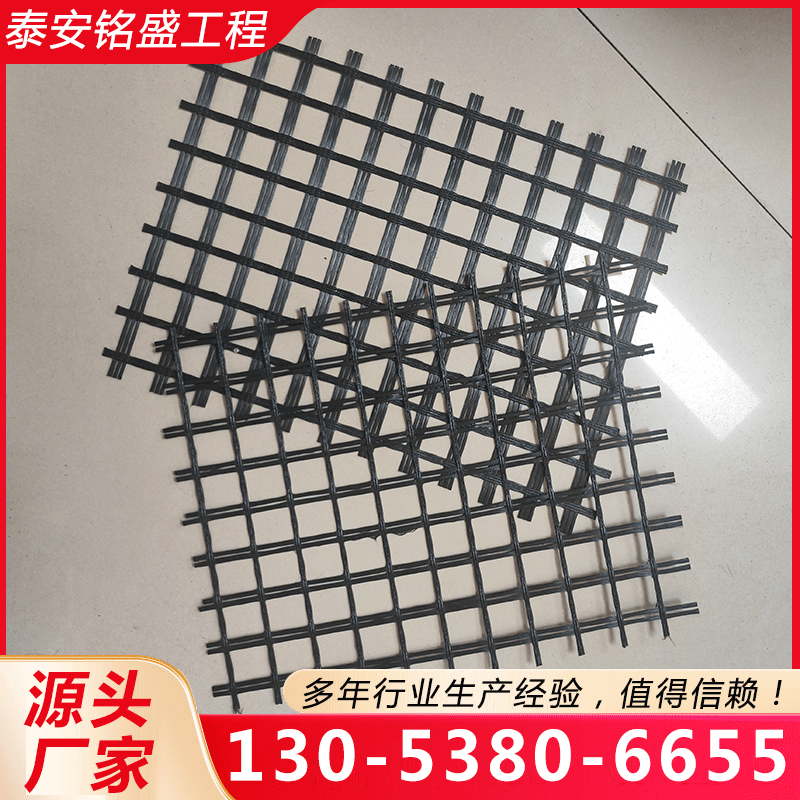
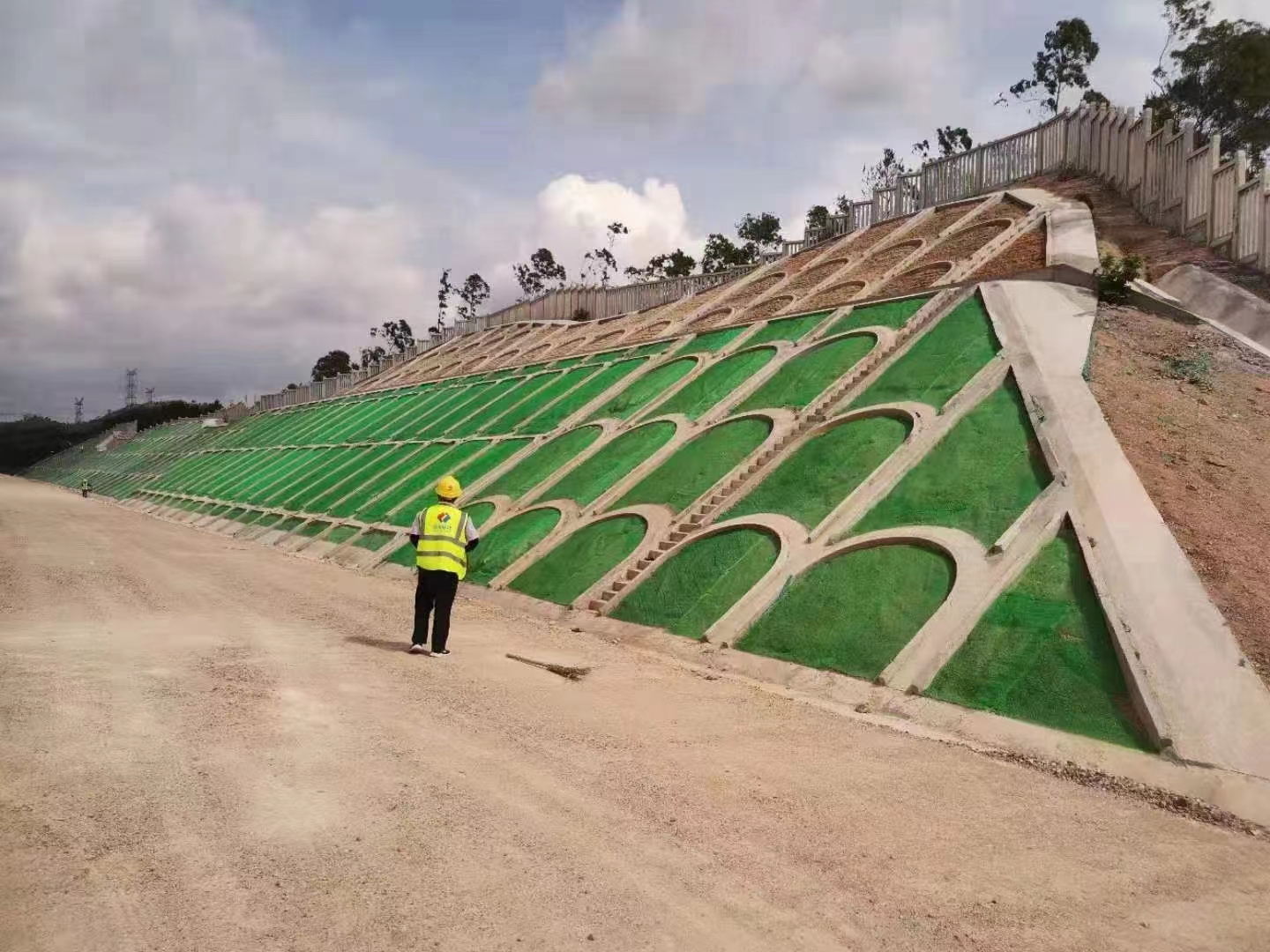
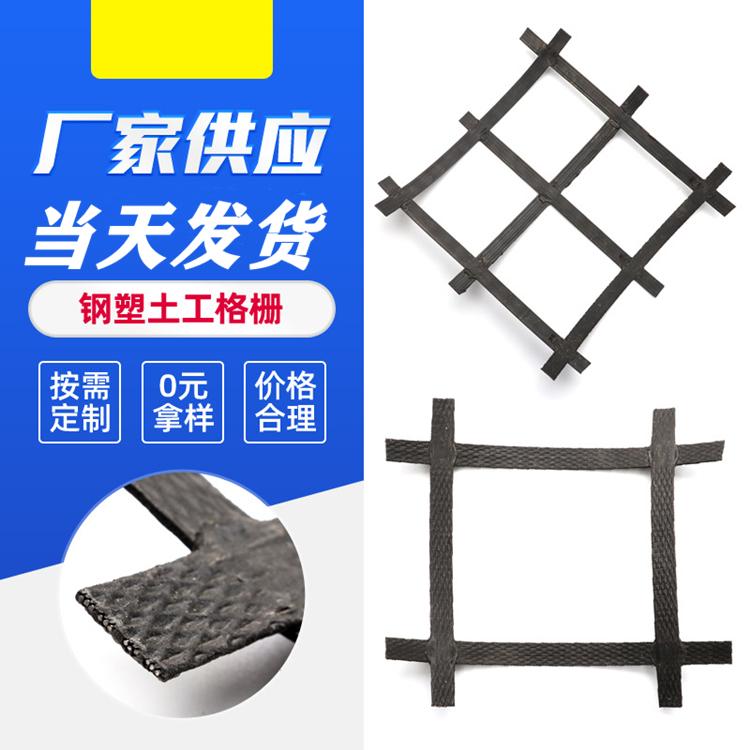
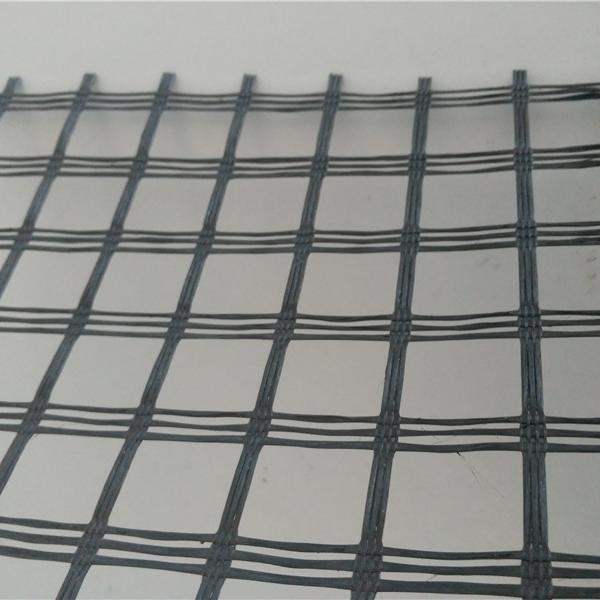
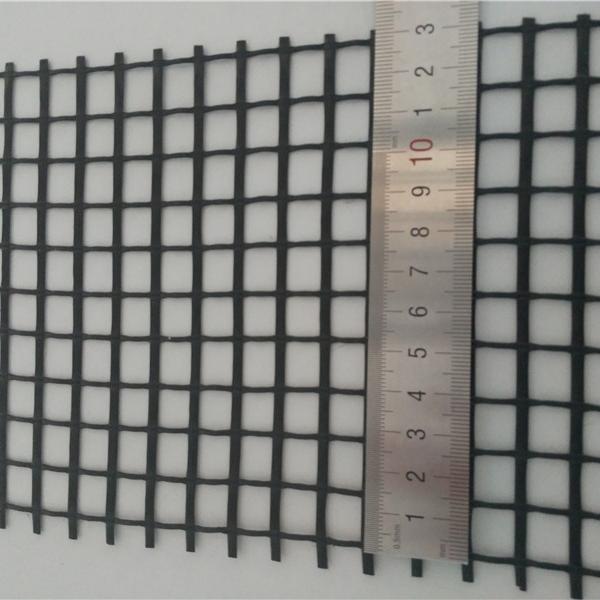
Glass Fiber Grid (abbreviated as EGA) is a short name for Glass Fiber Geogrid. Made with reinforced alkali-free glass fiber yarn, it is woven into the base material using advanced warp knitting machines from abroad. The warp-knitted directional structure is employed to fully utilize the strength of the yarns in the fabric, enhancing its mechanical properties.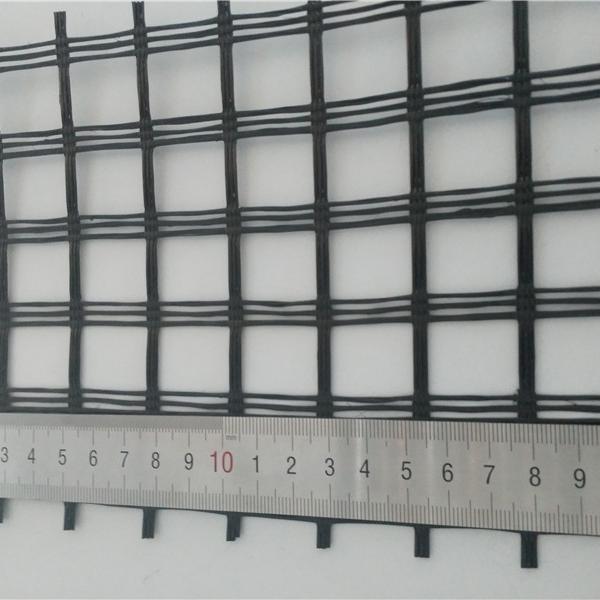 It boasts excellent tensile strength, tear resistance, and creep resistance, and is a flat, network-like material treated with modified asphalt coating. It follows the principle of similar and compatible, highlighting its composite properties with asphalt mixes, and fully protects the glass fiber matrix. This greatly enhances the matrix's wear resistance and shear resistance, enabling its use in road reinforcement to resist cracking and rutting, thereby resolving the难题 of difficult reinforcement for asphalt pavements. The product features high strength, low elongation, high temperature resistance, high modulus, lightweight, good toughness, corrosion resistance, and long service life, and is widely applicable in engineering fields such as the repair of old cement pavements, airport runways, dams, riverbanks, slope protection, and road and bridge pavement reinforcement. It can be used for pavement reinforcement and strengthening.
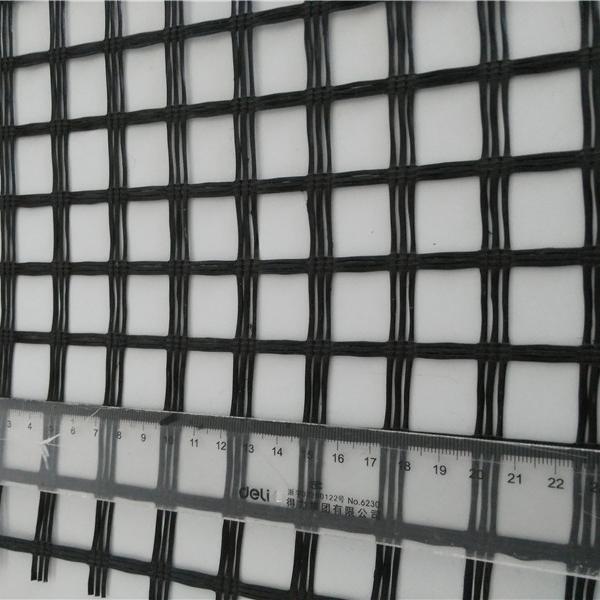 To prevent road rutting fatigue cracks, thermal expansion and contraction cracks, and reflective cracks below, and to disperse the bearing stress of the road surface, extending the service life of the road surface. It has high tensile strength, low elongation, no long-term creep, good physical and chemical stability, excellent thermal stability, resistance to fatigue cracking, withstands high-temperature rutting, resists low-temperature shrinkage cracking, and delays/reduces reflective cracks. When laying glass fiber geogrid using the nail method, first fix one end with a fixing iron plate and nails to the sub-layer structure of the asphalt mastic-sprayed layer, with the nails being hammered in or shot into place with a nail gun.
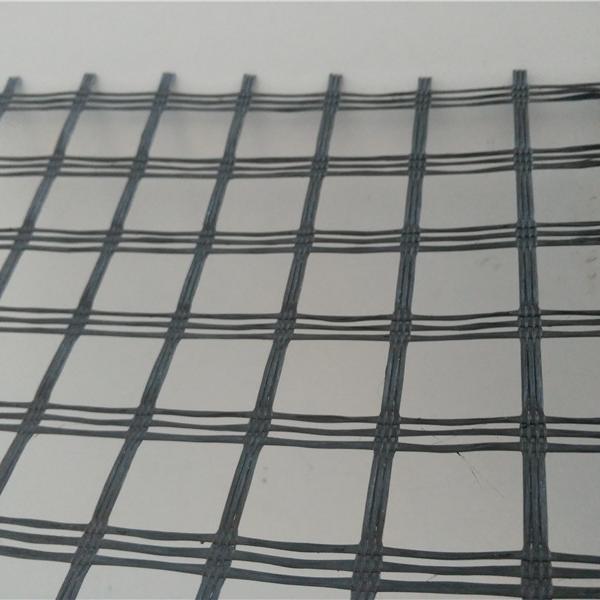 Further tension and segmentally fix the grating vertically, with each segment measuring 2-5 meters. For concrete road surfaces, the segments can be divided according to the spacing of contraction joints. The steel nails are positioned at the joints, ensuring that the grating is straight and taut in both longitudinal and transverse directions when tensioned.