






Chizhou Slope Protection 3D Vegetation Mesh Specifications, Models, and Pricing - Slope Protection 3D Vegetation Mesh, Greening 3D Mesh Network
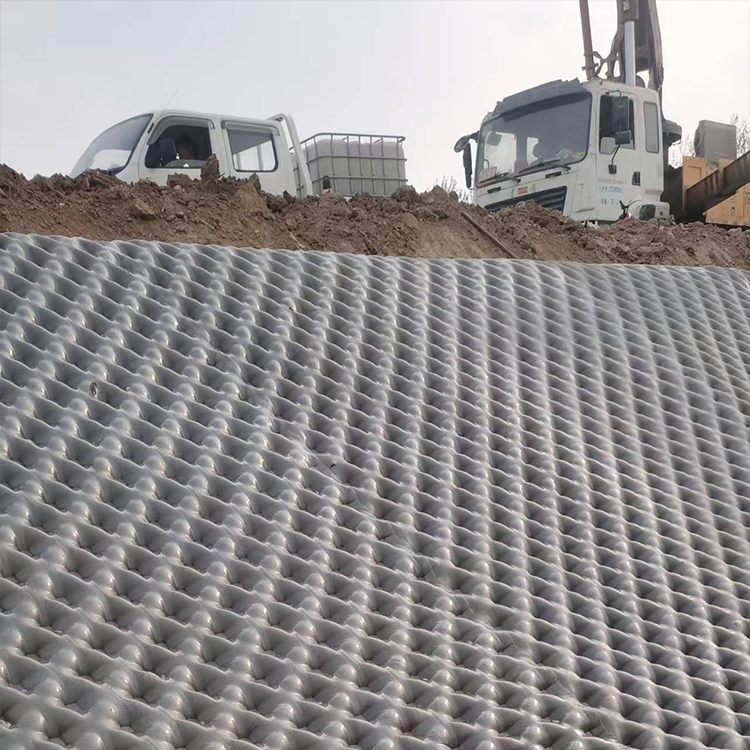
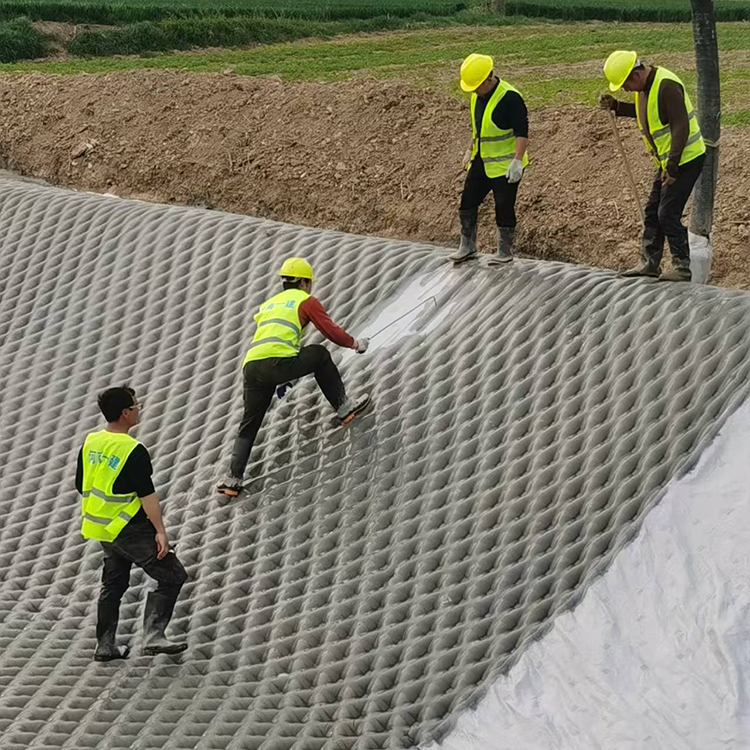
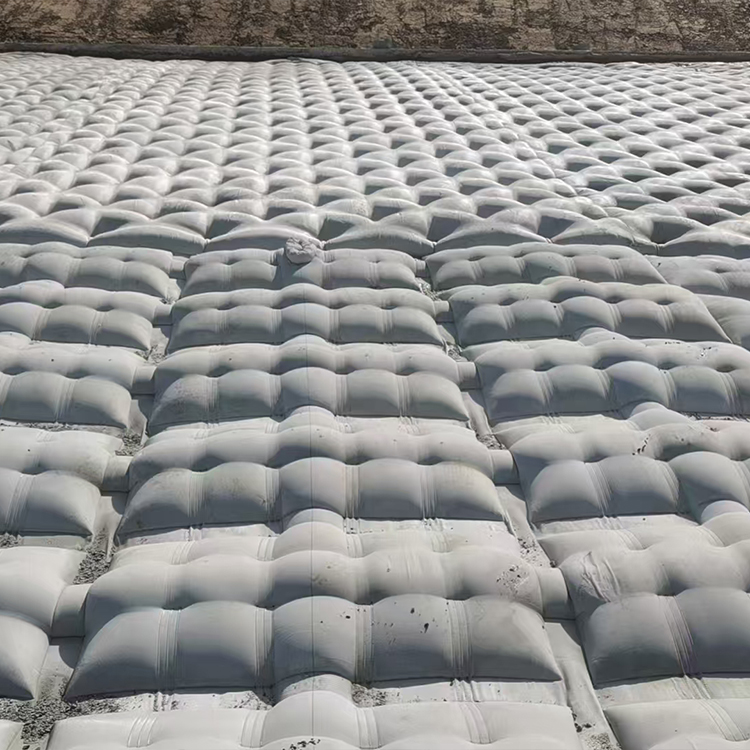
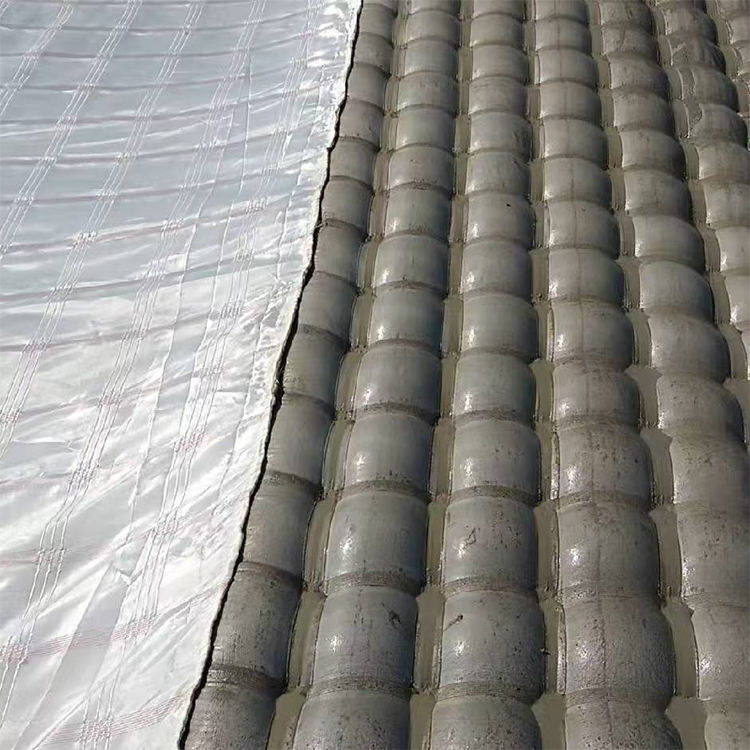
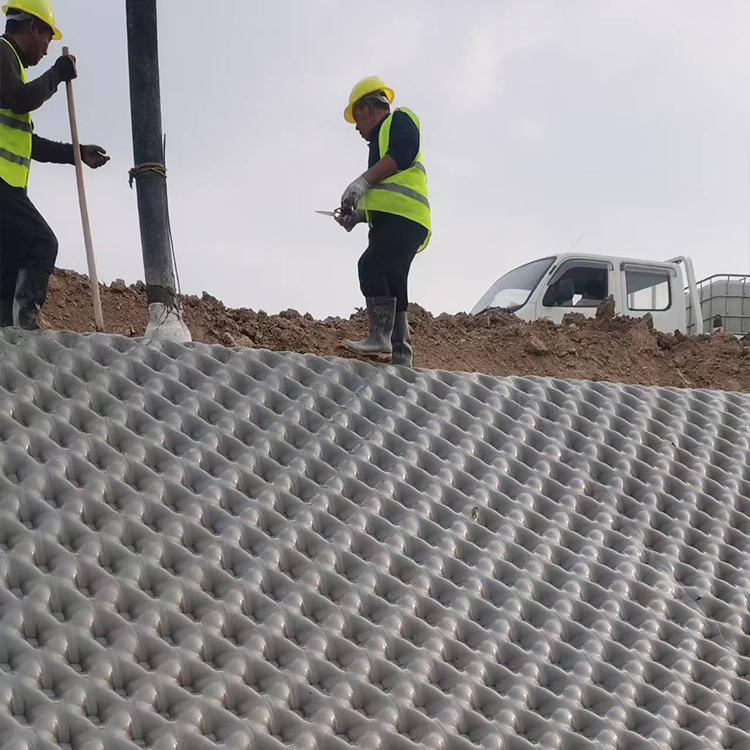
The anti-erosion effect of vegetation is achieved through its three main components: Firstly, the growth layer of plants (including sepals, leaf sheaths, leaves, and stems), which prevents the surface soil of the slope from being directly eroded by rainwater through its dense coverage, reducing the scouring energy of heavy rain runoff and the speed of surface runoff, thereby reducing soil loss; secondly, the humus layer (including the interface between the fallen leaves and the root stems), which provides a protective layer for the surface soil of the slope; and thirdly, the root layer, which plays a crucial role in... Reinforcement anchoring of the surface soil on slopes provides mechanical stability. Generally, during the early stages of plant growth, the individual plant roots are loosely intertwined without extensive horizontal root systems, making them prone to separation from the soil layer and failing to offer protection. The application of three-dimensional mesh, however, enhances the effectiveness of these three aspects to achieve more comprehensive shallow protection. Firstly, within a certain thickness range, it increases the protective and mechanical stability properties. Secondly, due to the presence of the three-dimensional mesh, the extensive root systems of plants connect with the mesh reinforcement, forming a plate-like structure (equivalent to reinforced surface soil on the slope), thereby increasing the tensile and shear strength of the protective layer and limiting erosion-induced damage.
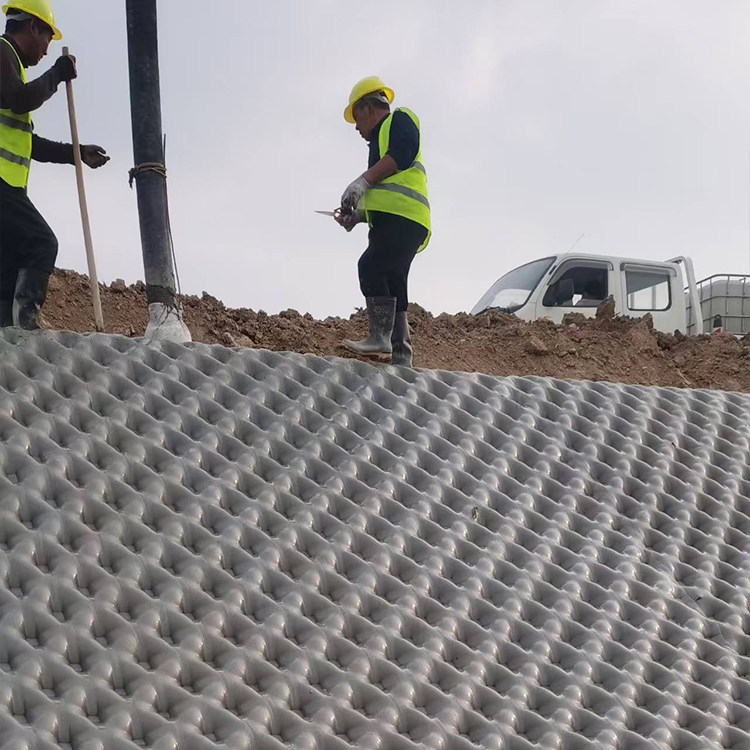
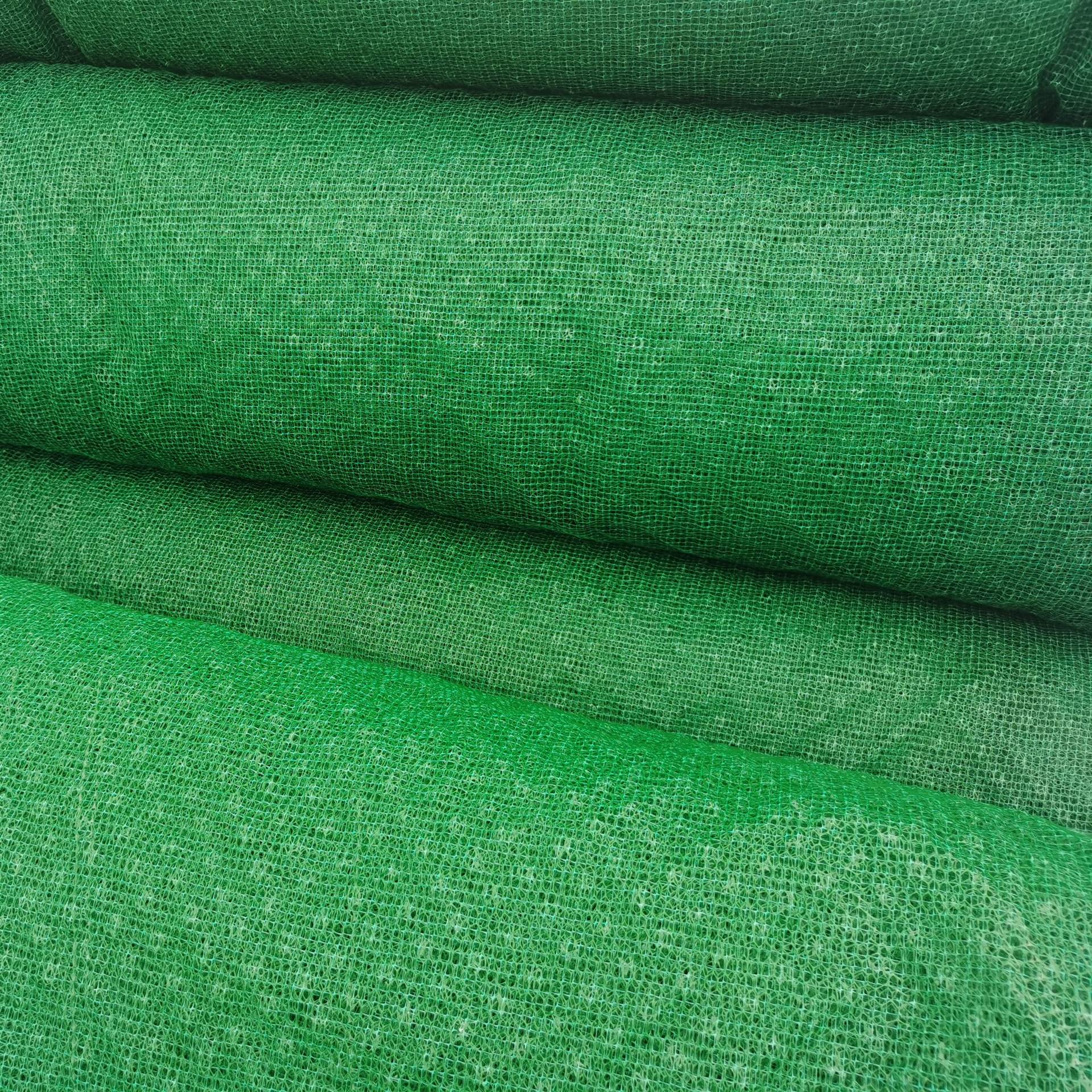 The expansion of the "gradual destruction" phenomenon (erosion directly damages individual plants, and over time, the damaged area increases) ultimately limits the occurrence of shallow slope sliding and upheaval. The three-dimensional vegetation net slope protection technology combines the advantages of geotextile nets and vegetation slope protection, serving as a composite slope protection method. When the vegetation coverage rate of the slope reaches over 30%, it can withstand the scouring of light rain, and when the coverage rate exceeds 80%, it can withstand heavy rain. As the plants grow lushly, the resistance to scouring runoff velocity can reach up to 6m/s, which is more than twice that of ordinary turf. The presence of the geotextile net effectively reduces soil moisture evaporation on the slope and increases infiltration. Additionally, due to the black polymeric material of the geotextile net,
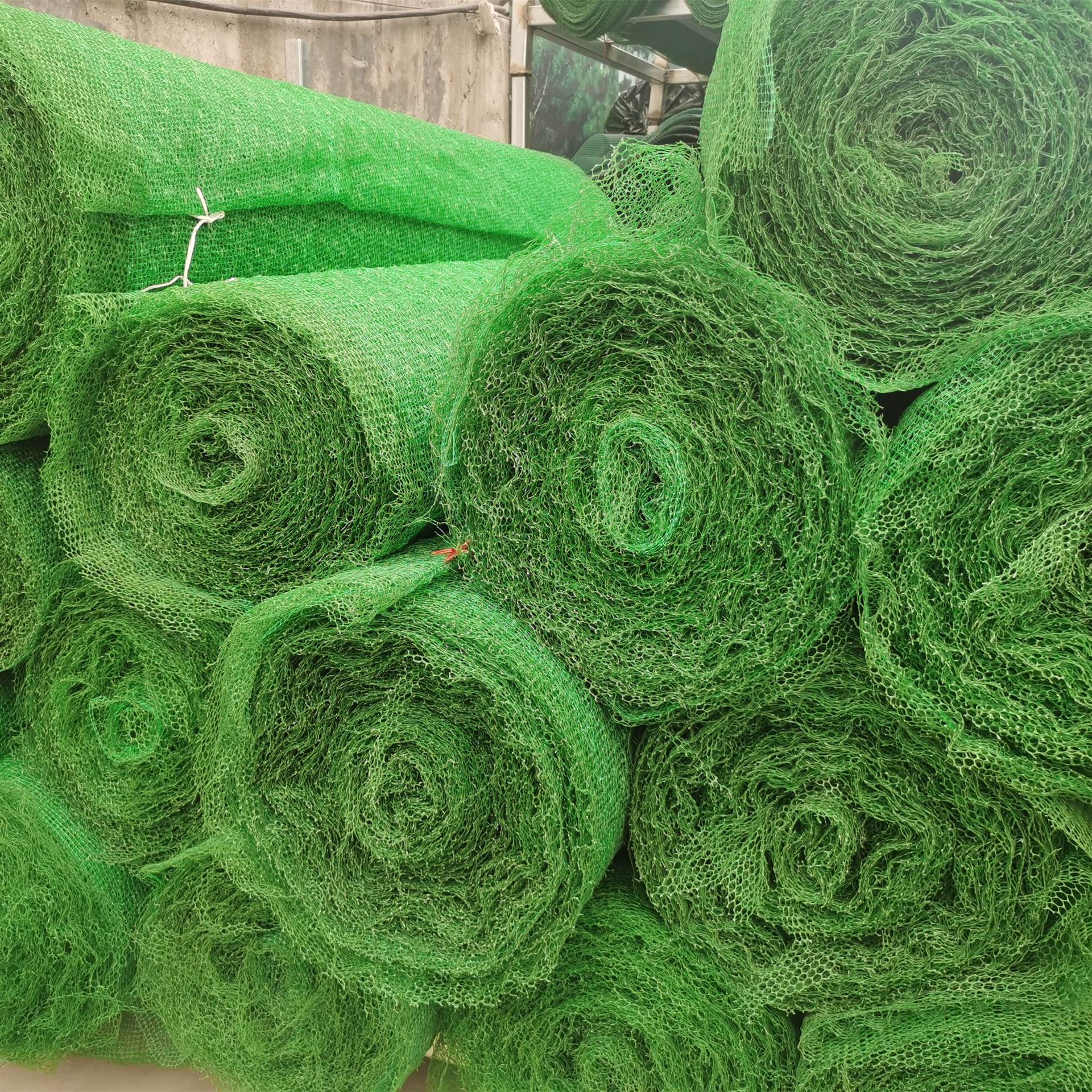 Heat-absorbing and insulating properties promote seed germination and facilitate plant growth. In arid regions that are difficult to manage, soil binder can be used. Selected suitable grass seeds, after special treatment, are mixed with the soil binder and sprayed (the seeds can also be sown first, followed by the application of the soil binder). The slopes treated with the soil binder prevent grass seeds and soil from being washed away by wind and rain, while also reducing soil moisture evaporation, ensuring the water supply to the seeds to some extent and significantly increasing the survival rate of the seeds.