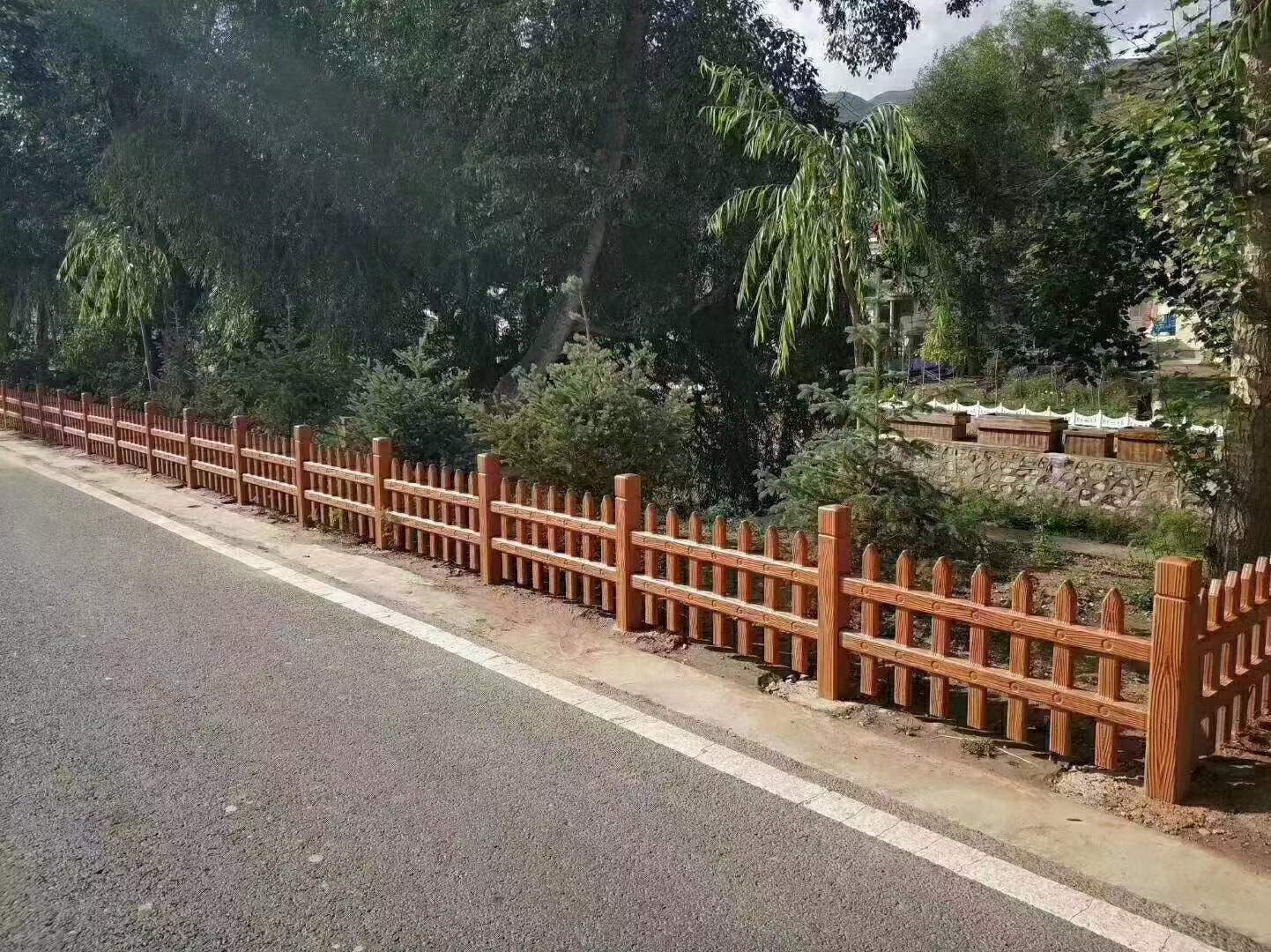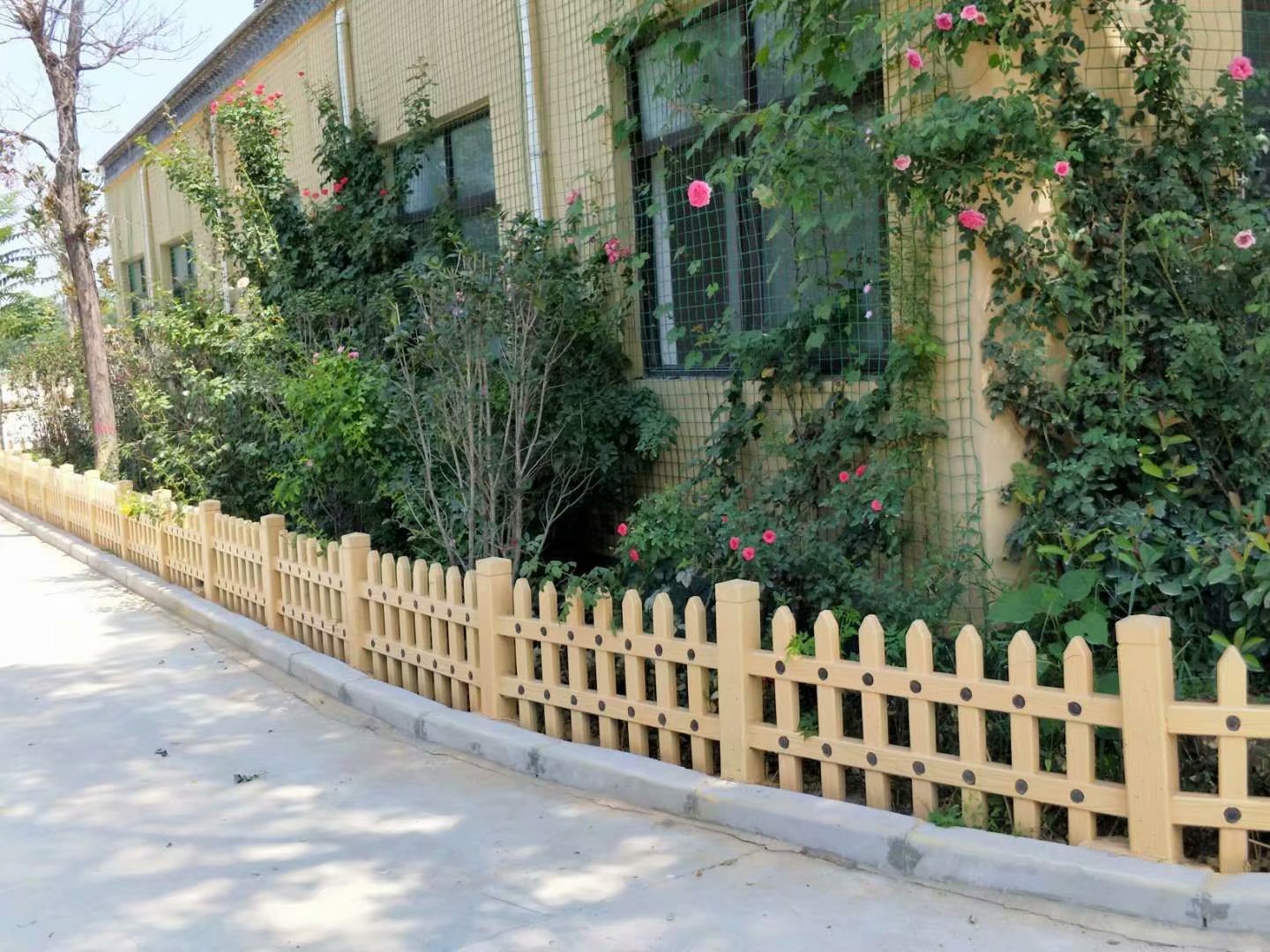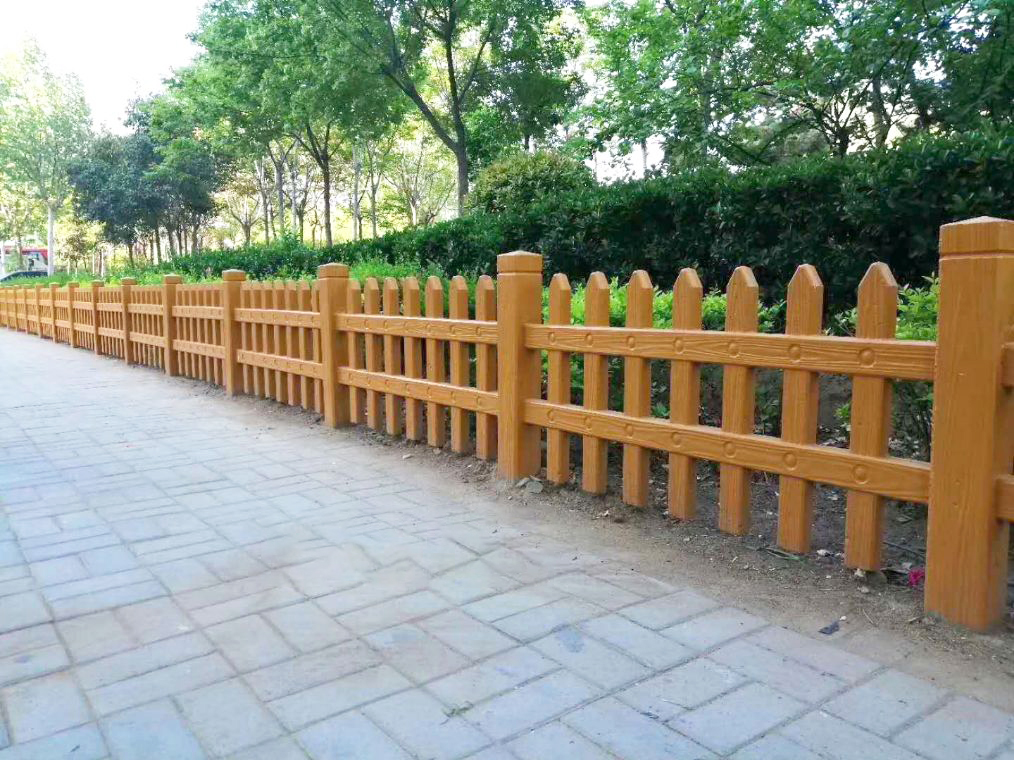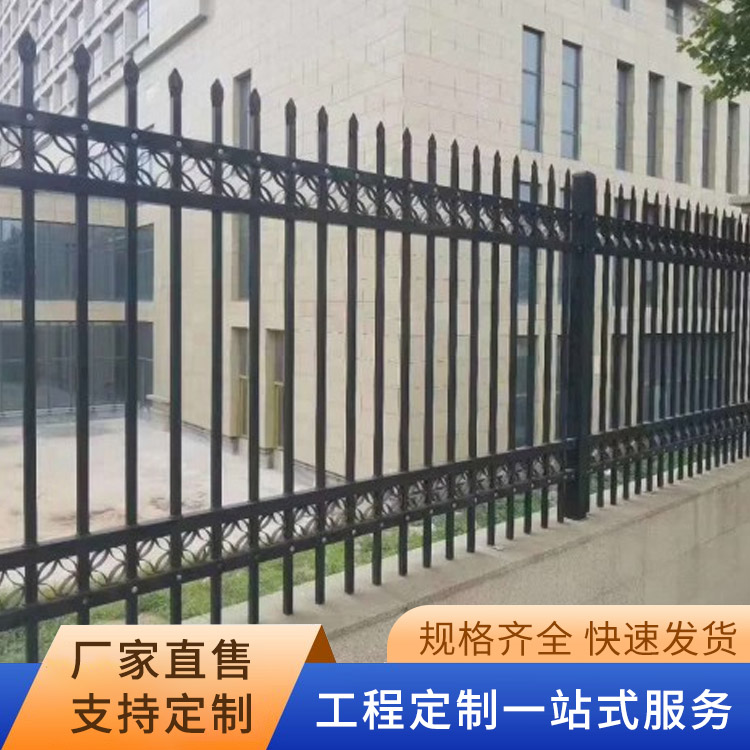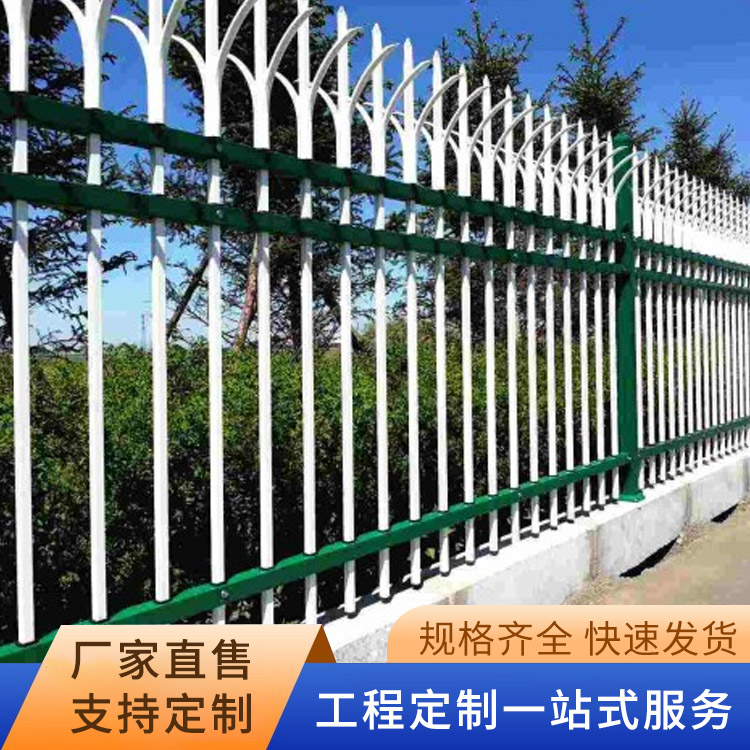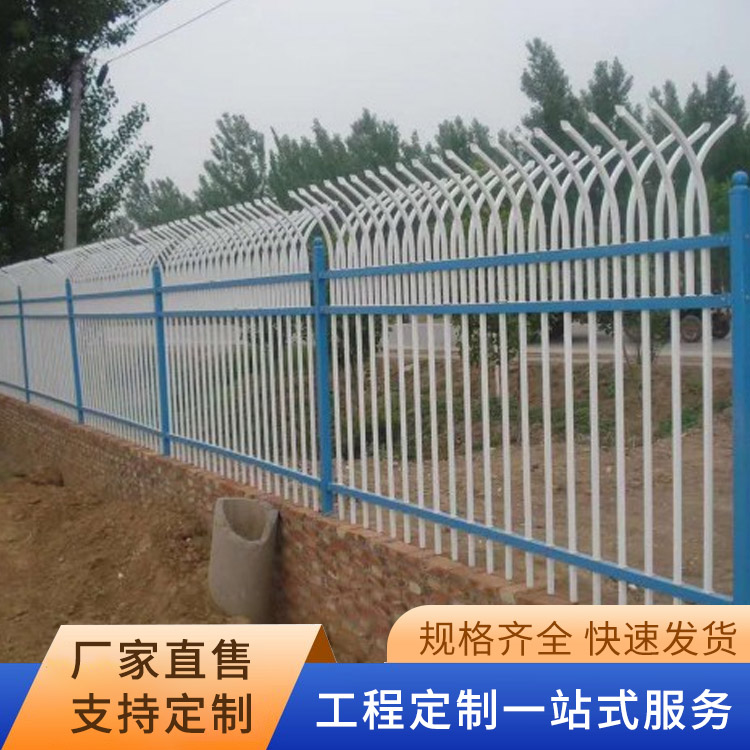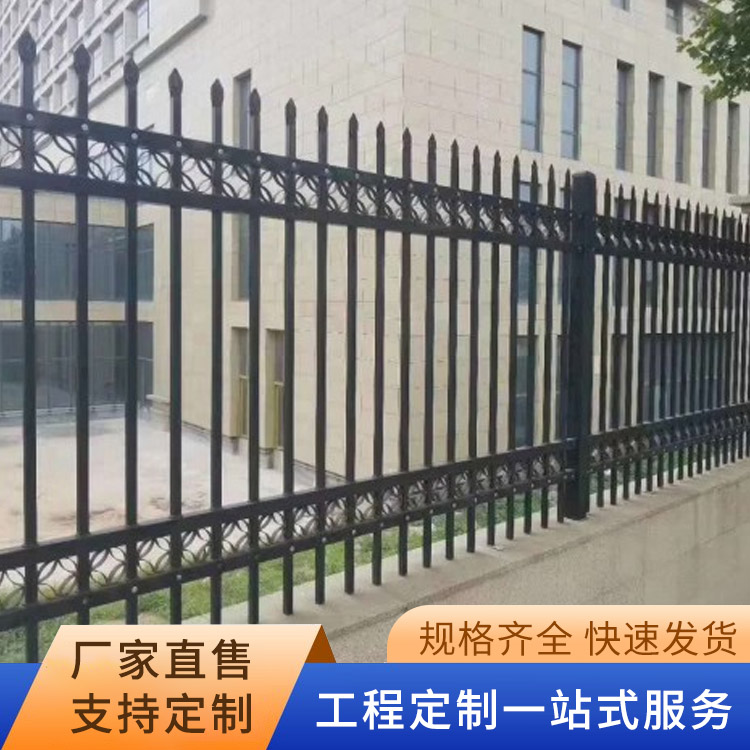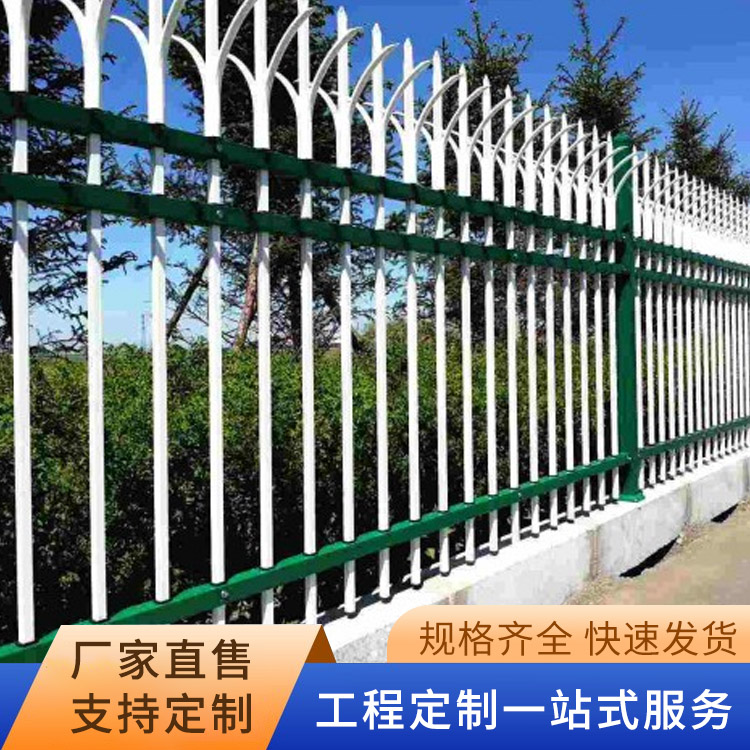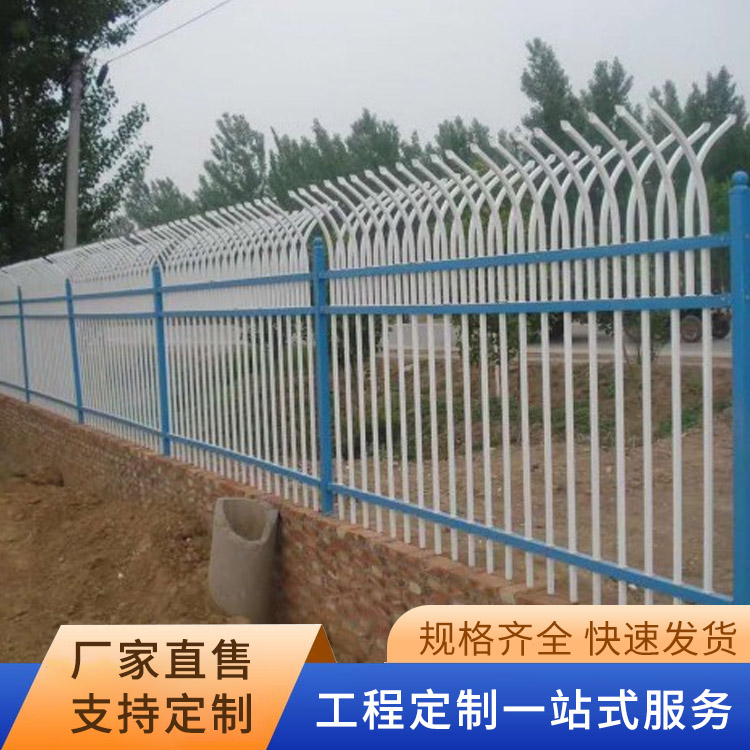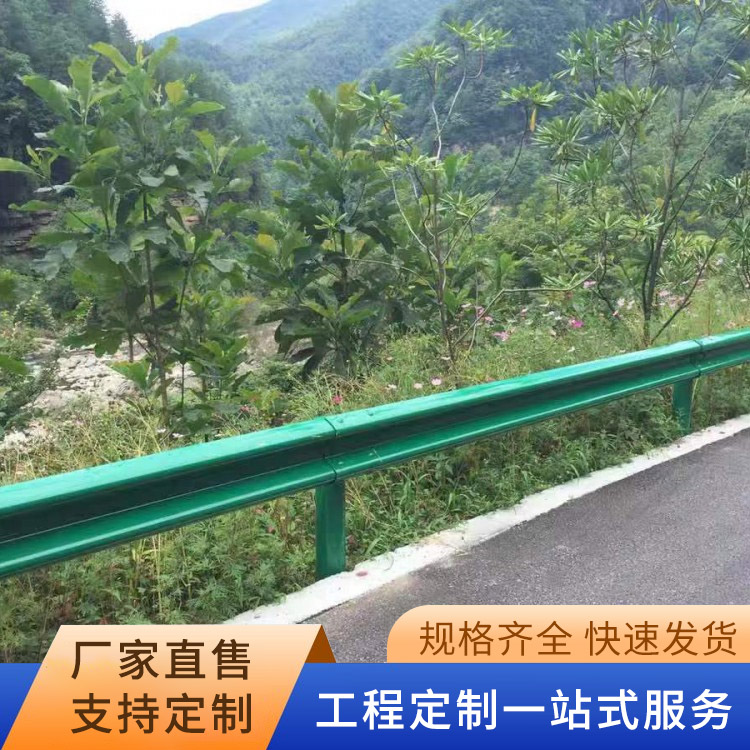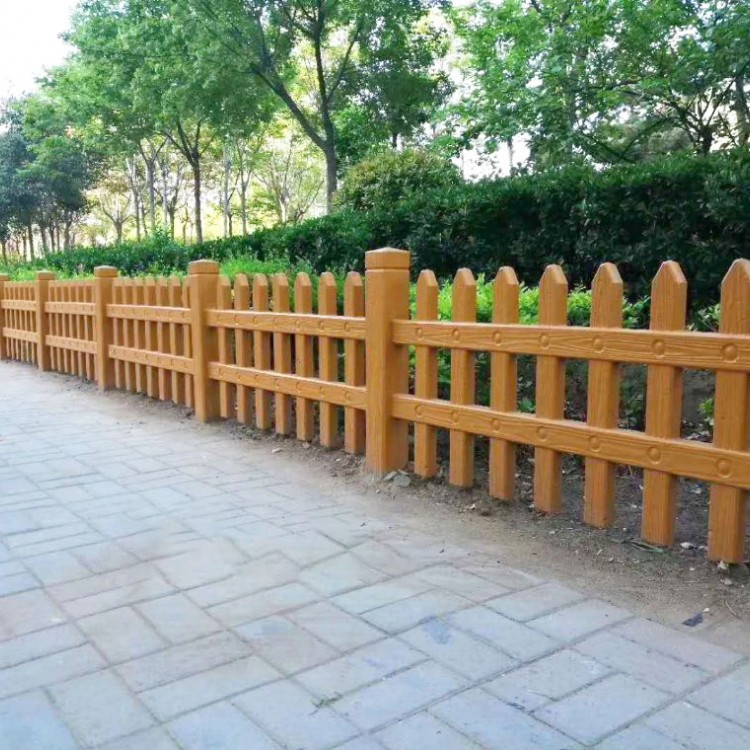
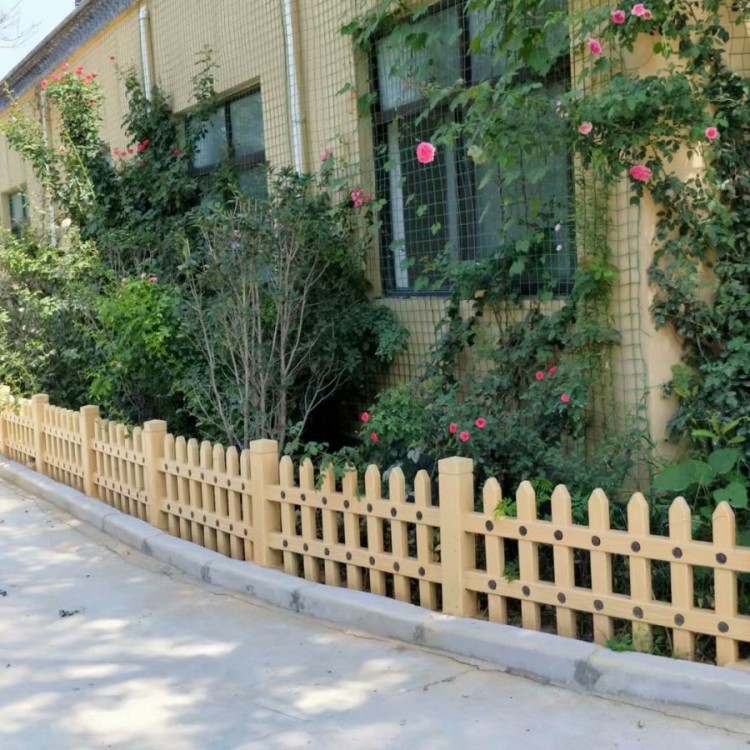
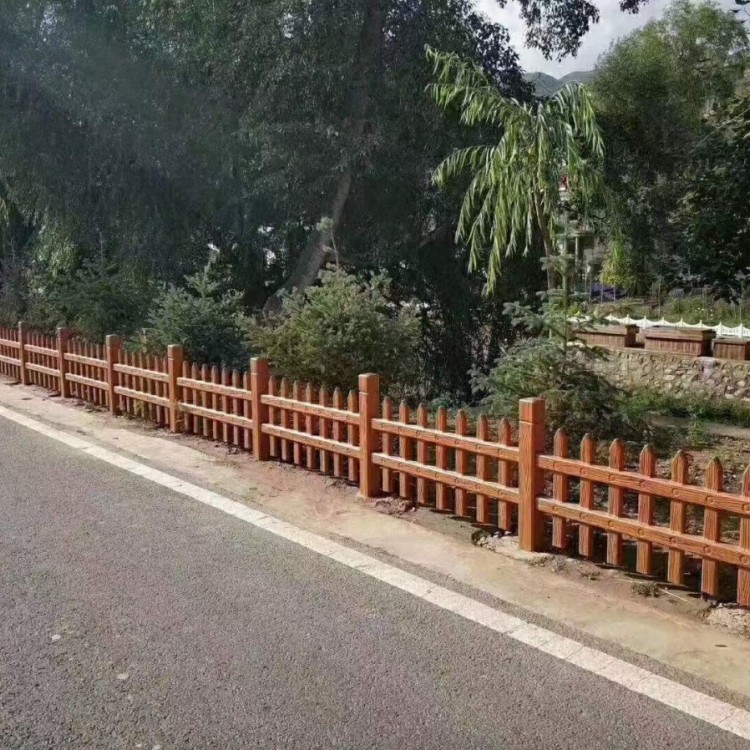
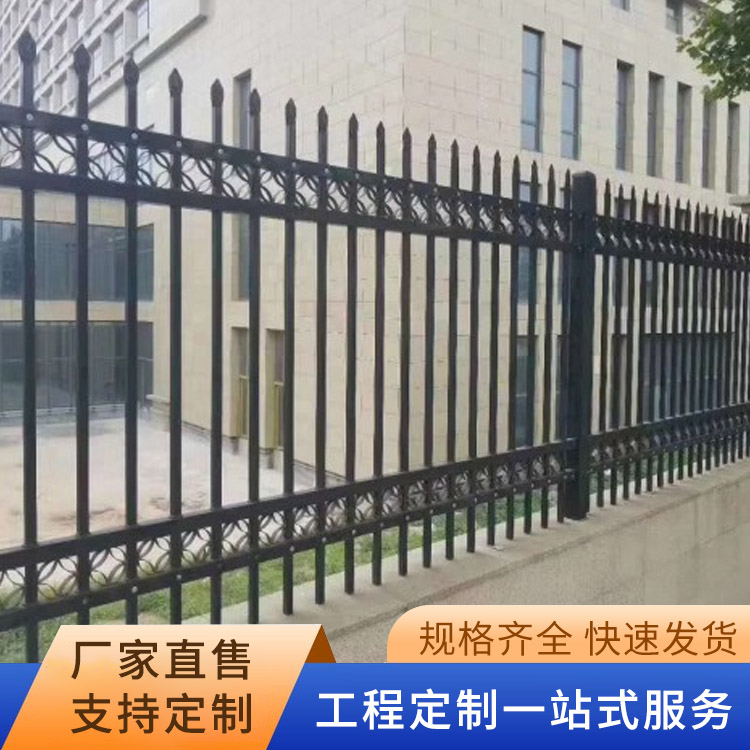
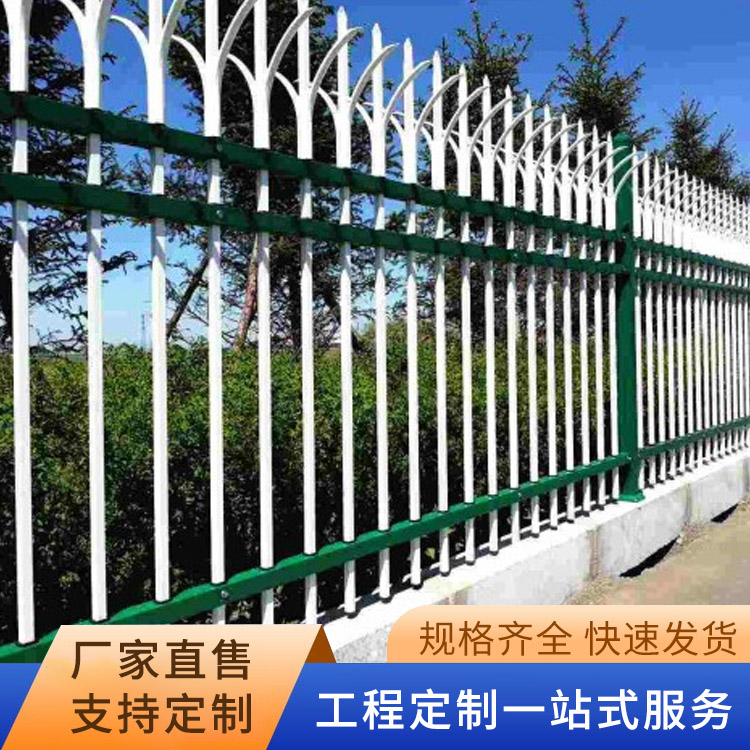







Kaifeng City black farming fence specifications and models, corn fence, breeding protection net, brooding net
The subgrade is the structure formed by filling or excavation that directly supports the track. Also known as the subgrade structure. The subgrade connects with bridges and tunnels to form the line. Depending on the topographical conditions, there are two basic forms: embankment and cut, commonly referred to as fill and excavation. The role of the railway subgrade is to directly lay the track structure on the subgrade surface, making the subgrade the foundation of the track. The subgrade load bears both the weight of the track structure, i.e., static load, and the dynamic load transmitted through the track during train operation. The subgrade is the foundation for the track or pavement, a geotechnical structure formed through excavation or filling.
 The primary function of the subgrade is to provide necessary conditions for the laying of tracks or road surfaces and for the operation of trains or traffic, while bearing the static and dynamic loads from tracks, locomotive vehicles, or road surfaces and traffic loads, and simultaneously transmitting and diffusing these loads to the depths of the foundation. In the longitudinal section, the subgrade must ensure the required elevation of the line; in the plan view, the subgrade, along with bridges and tunnels, forms a complete, uninterrupted line. In civil engineering, the subgrade holds a significant position in terms of construction volume, land area coverage, and investment. The line structure formed by the subgrade together with the track is a relatively loose connection form, with weak resistance to dynamic loads. The materials used to construct the subgrade, whether filled or excavated, are mainly earth and stone aggregates, thus making the subgrade a geotechnical structure that is frequently affected by geological,
 Water, rainfall, climatic changes, and earthquakes can cause侵蚀 and destruction. With poor resistance, the subgrade should possess sufficient strength, stability, and durability. For high-speed rail, the subgrade should also have reasonable stiffness to ensure smoothness and comfort during high-speed train travel.