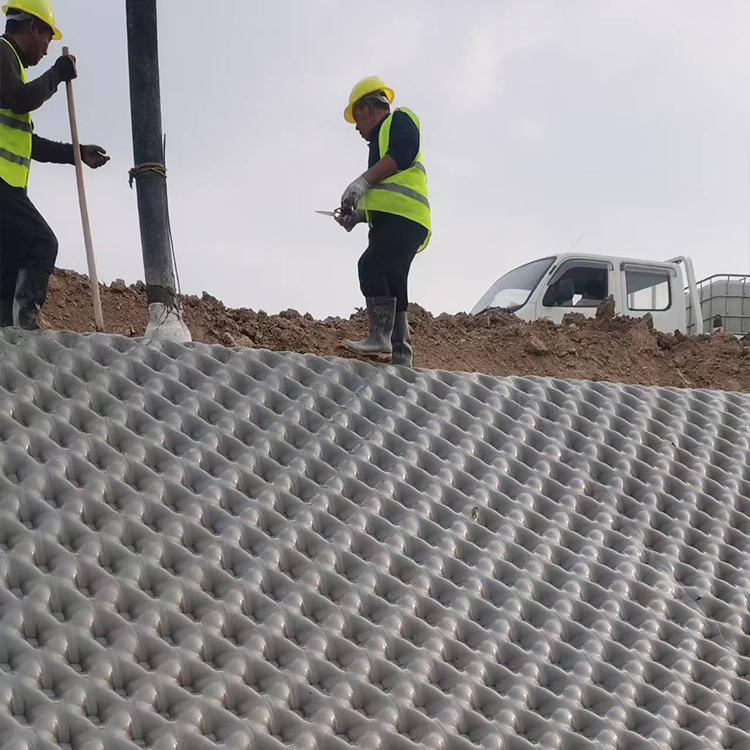







Yangzhou Slope Protection Eco-Bag Manufacturer, Specifications and Models, Eco-Bag Slope Protection, Eco-Bag Manufacturer, Eco-Bag Price, Slope Eco-Bag
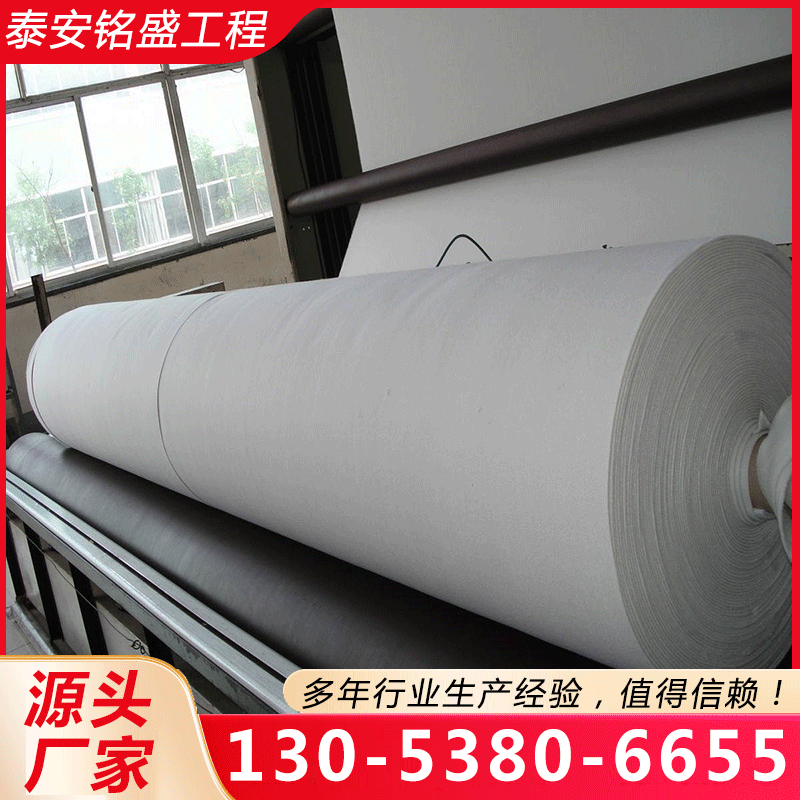
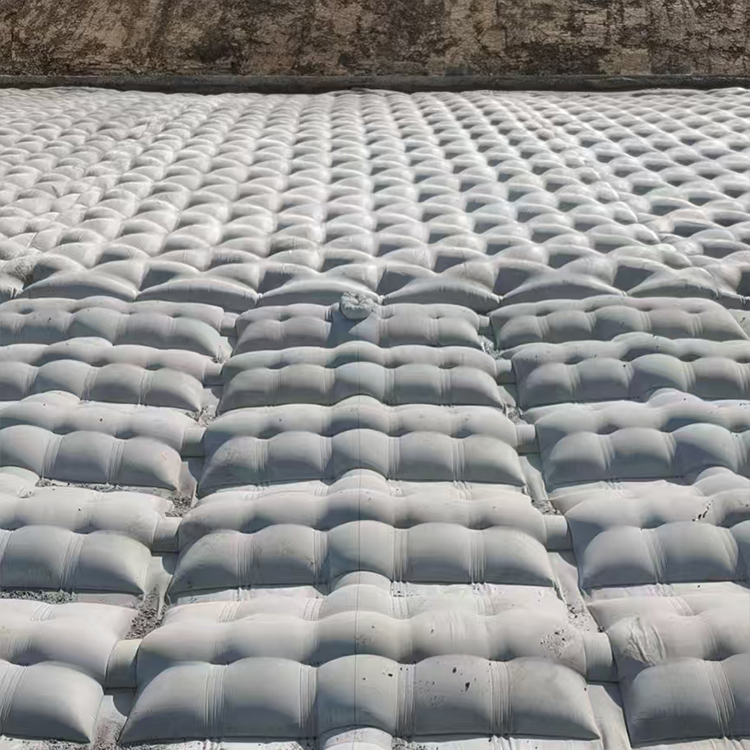
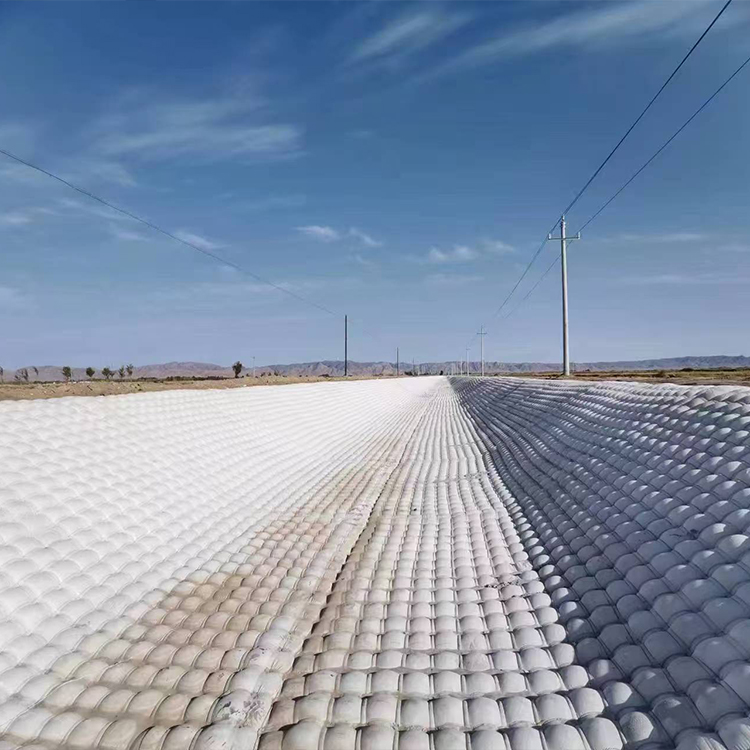
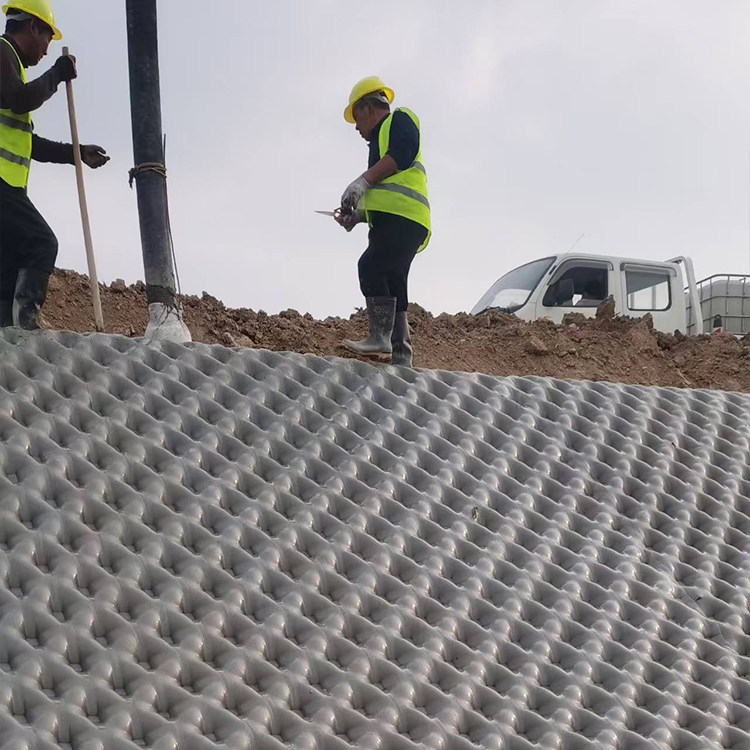
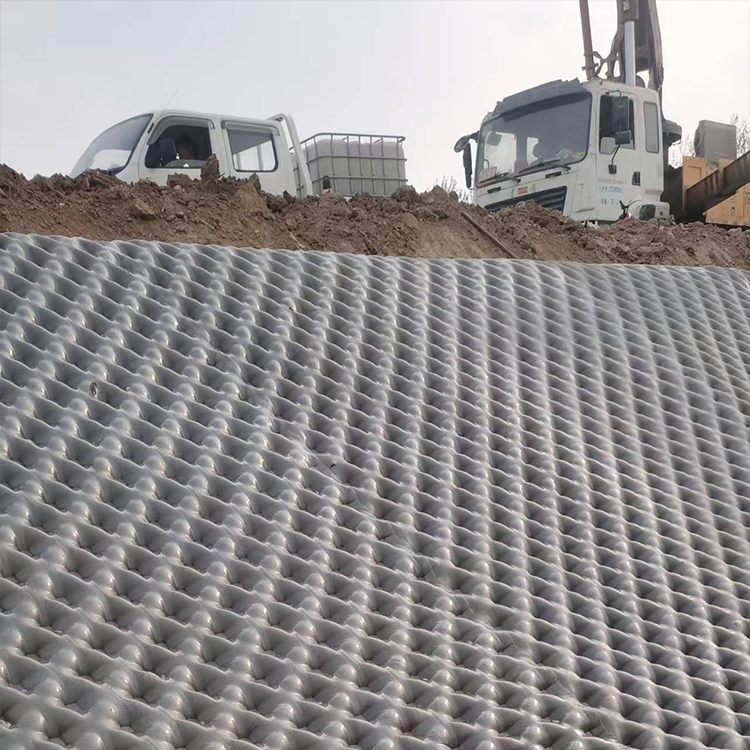
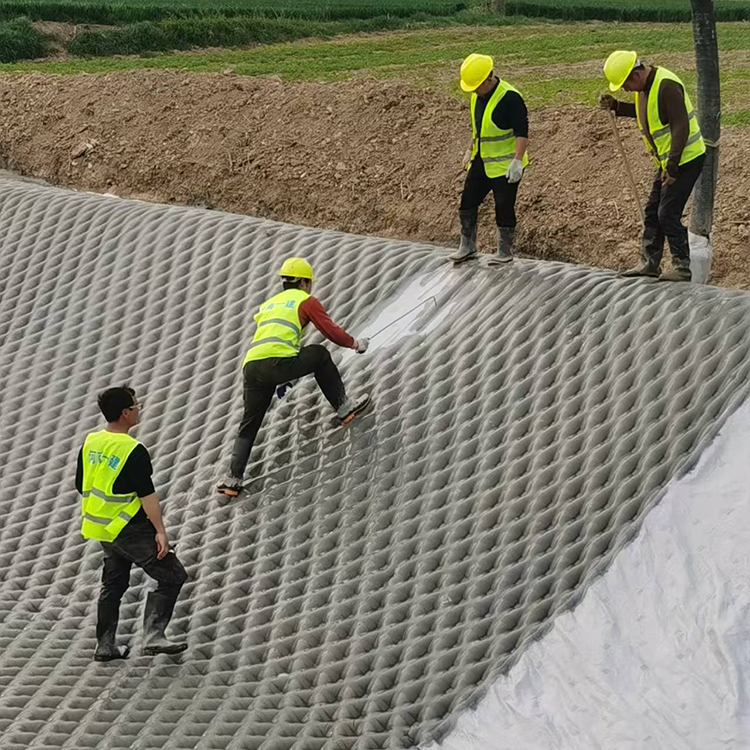
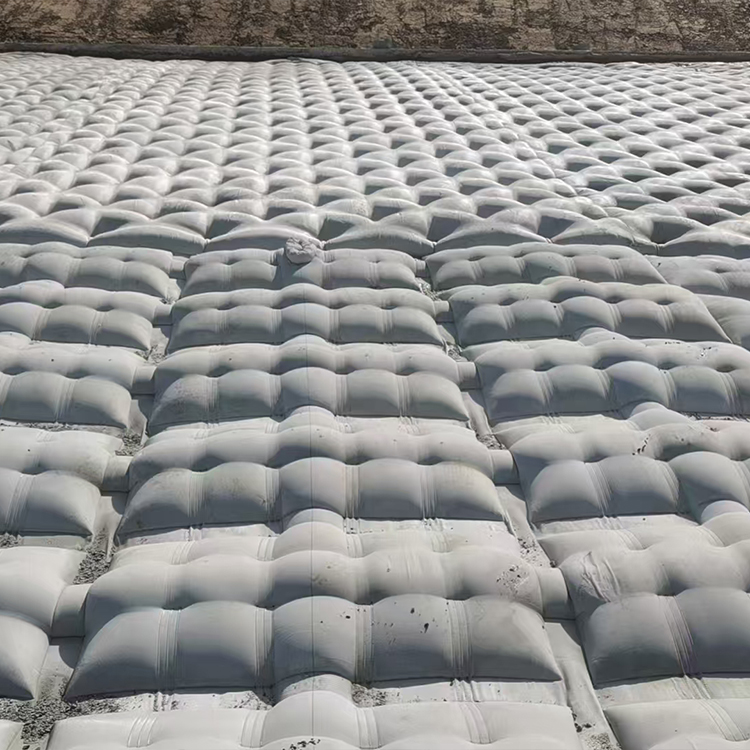
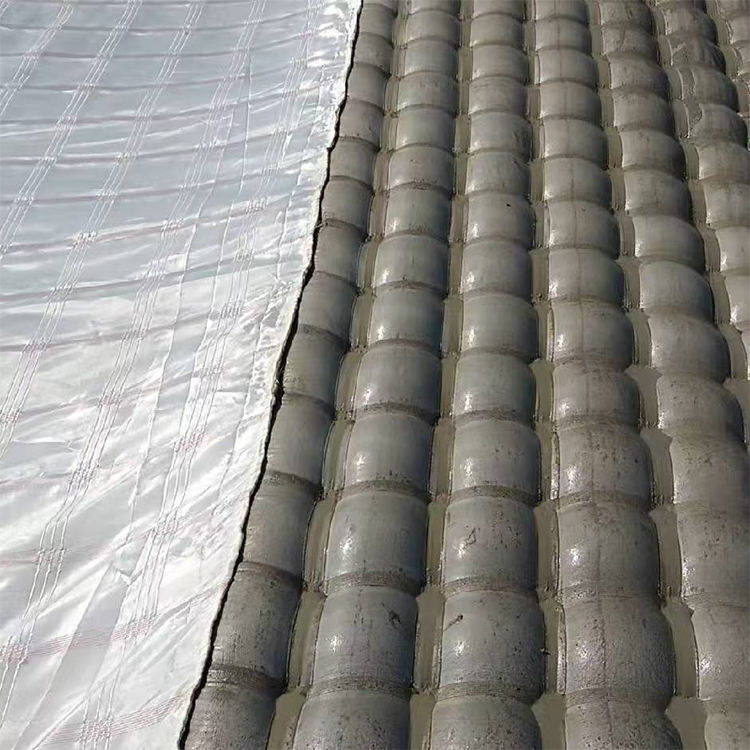
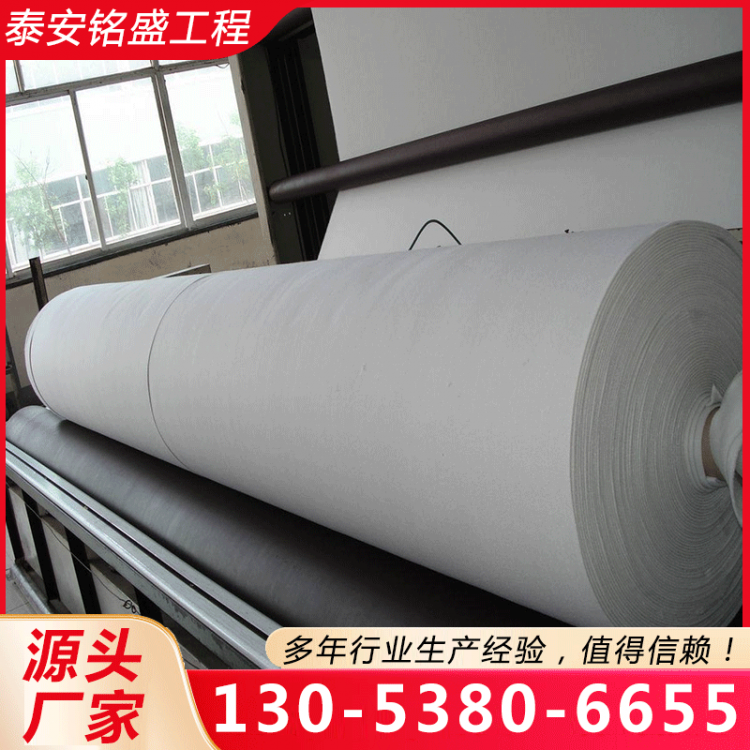
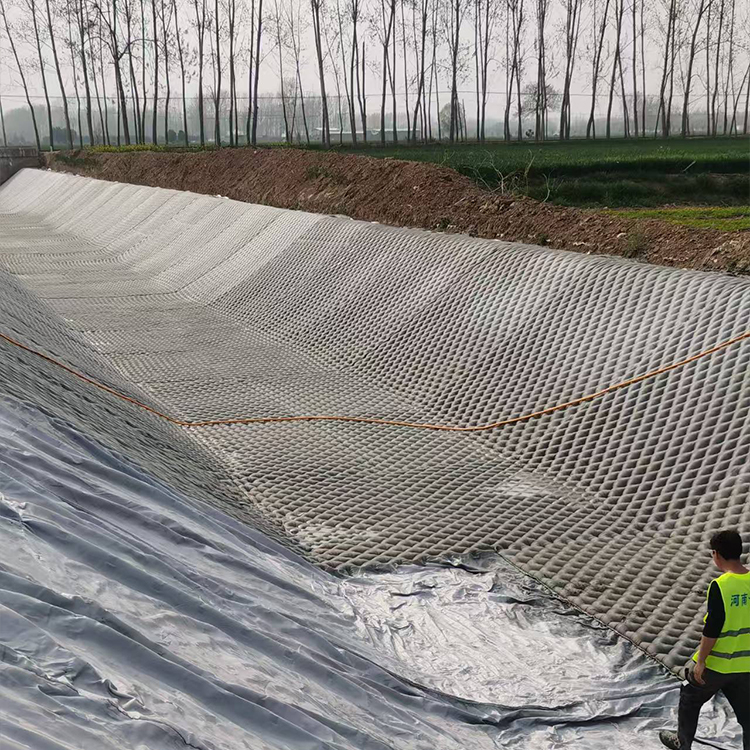
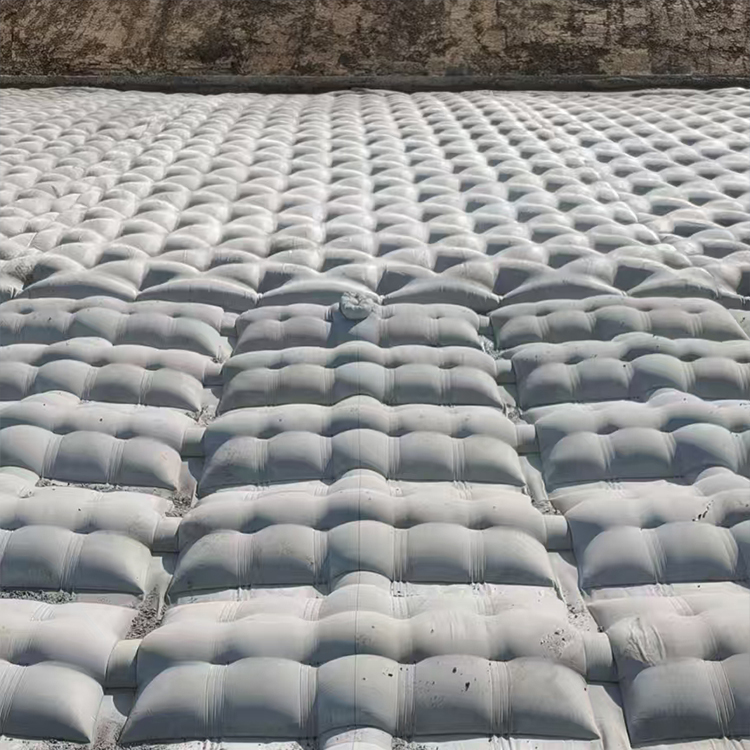
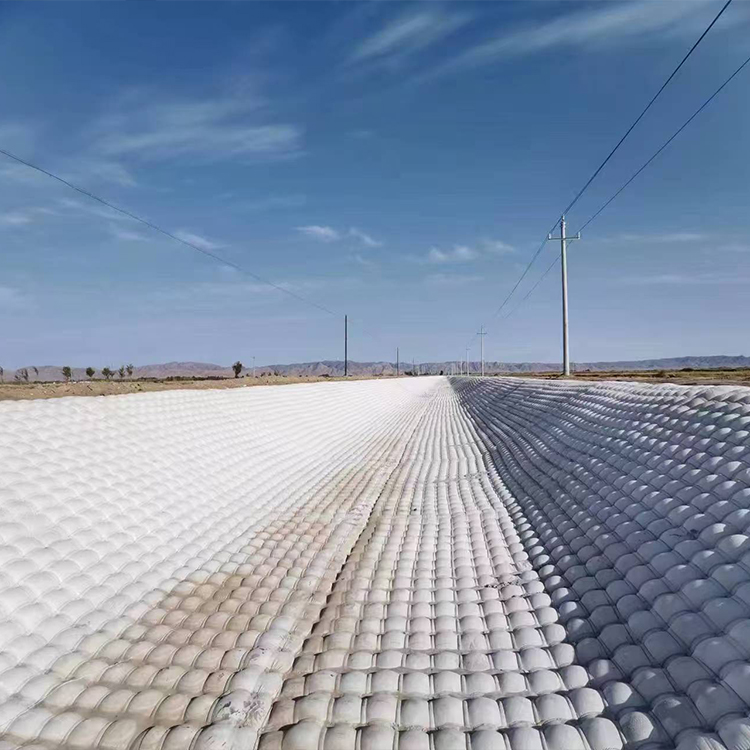
Eco-bags are made from polypropylene (PP) or polyester fiber. Bags made from double-sided heat-set needle-punched non-woven fabric produced with (PET) as the raw material. These bags have been rigorously selected for their UV-resistant properties, thickness, unit mass, physical and mechanical properties, appearance, fiber type, tensile method, orientation, geometric dimensions, water permeability, and equivalent aperture suitable for plant growth. They feature UV resistance, anti-aging, non-toxicity, non-flammability, and non-spreading upon tear, truly achieving zero pollution. Mainly used for constructing flexible ecological slopes. The ecological bag slope protection and greening is one of the important construction methods for restoring barren hills and mines, greening expressway slopes, riverbank stabilization, and river rehabilitation. The ecological bags have excellent physical and chemical properties, and this specially formulated material can resist UV degradation.
 Unaffected by chemical substances in the soil, it does not undergo quality change or rot, is non-degradable, and can resist pest infestation; it is resistant to aging, non-toxic, and can withstand erosion from acids, alkalis, salts, and microbial decomposition. It allows water to pass through but not soil, being plant-friendly and suitable for vegetation greening. As a type of slope construction material, it offers the following environmental versatility advantages: In slope engineering, this new material can completely replace stone, cement, and other materials, significantly reducing construction costs. The slope treated with this material has a surface that can be covered with vegetation, achieving a greenery effect on the excavated slope.
 Form a natural ecological slope. It possesses a filtering function that allows water to pass through but not soil, resulting in a slope with high permeability. This slope provides strong protection and stability against soil erosion, localized mudslides, and slope collapses, making it a highly stable and natural slope. Under comprehensive consideration of the requirements from various disciplines such as materials mechanics, hydraulics, biology, and botany, strict selection has been made of indicators such as the thickness, unit mass, physical and mechanical properties, shape, fiber type, load-bearing method, direction, geometric dimensions, permeability, and equivalent pore size to meet plant growth. It features UV resistance, aging resistance, non-toxicity, non-flammability, and crack non-progression, truly achieving zero pollution.