








Suqian Self-adhesive Glass Fiber Mesh Price - Highway Use Glass Fiber Mesh
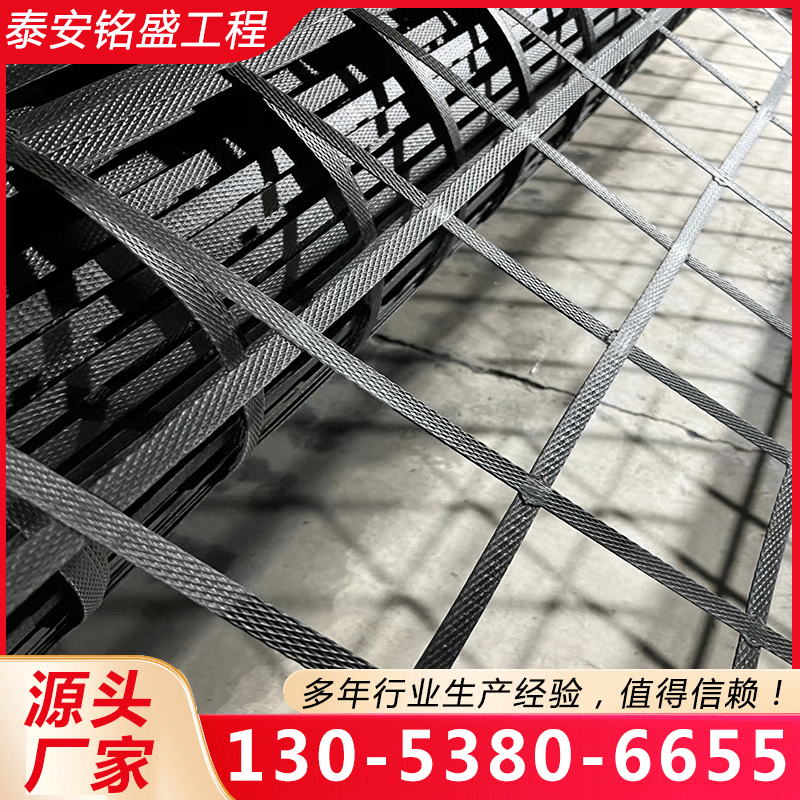
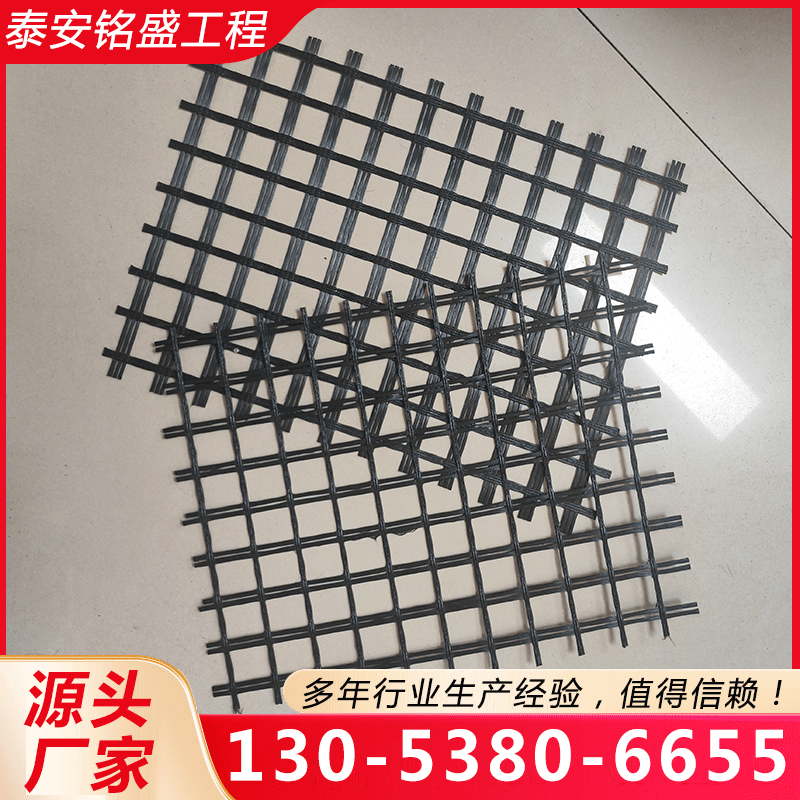
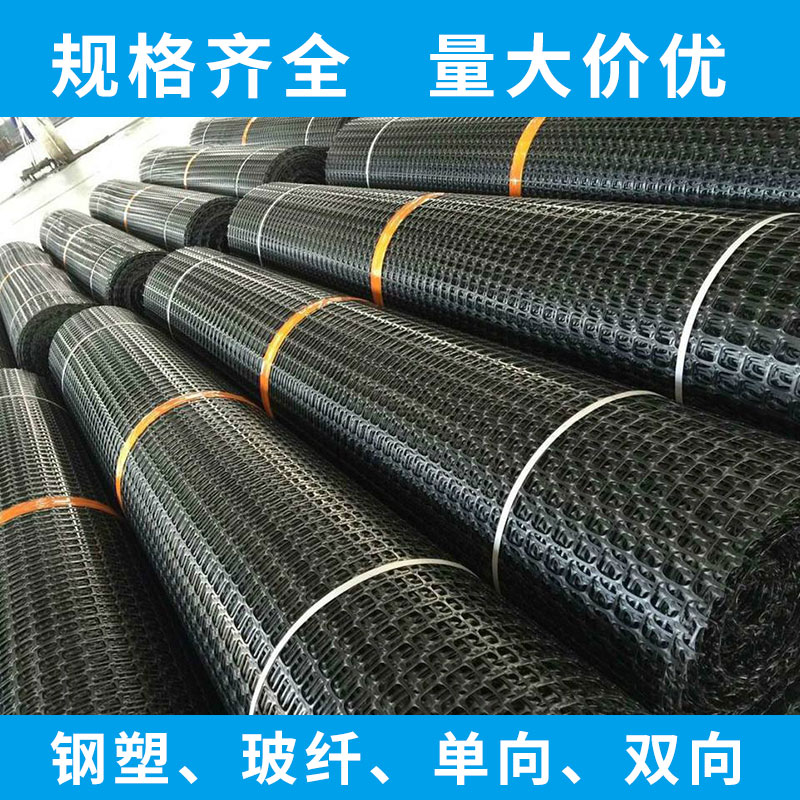
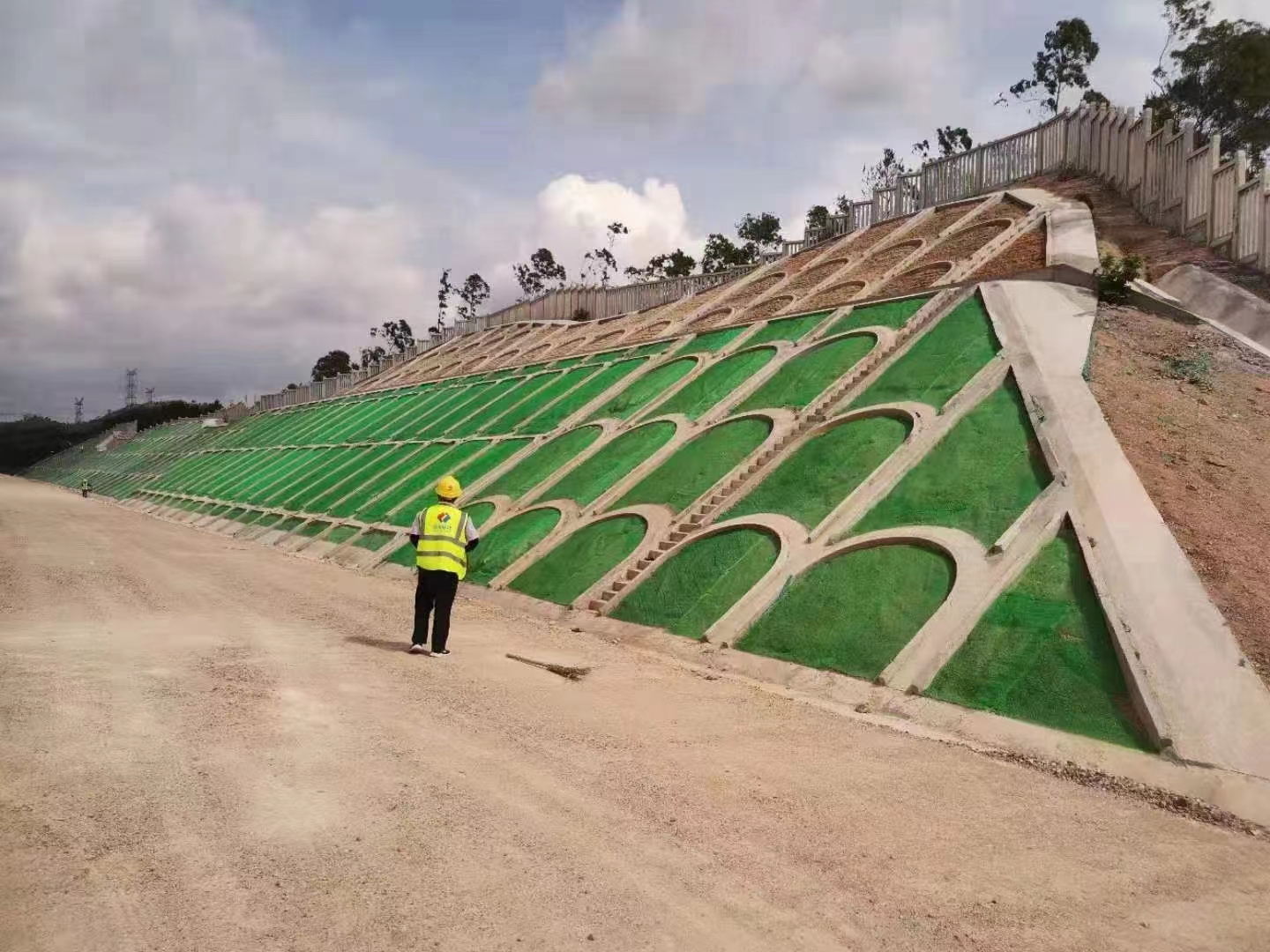
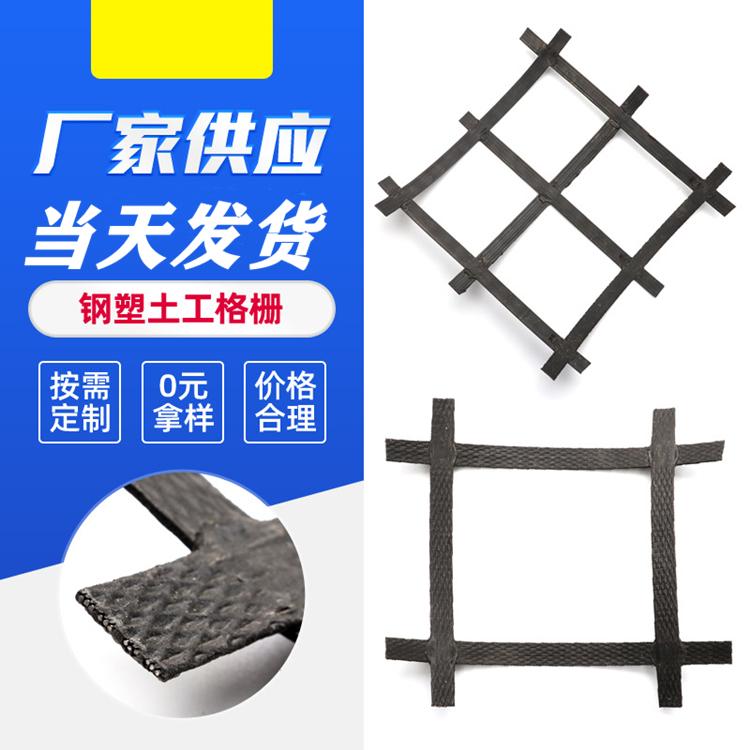
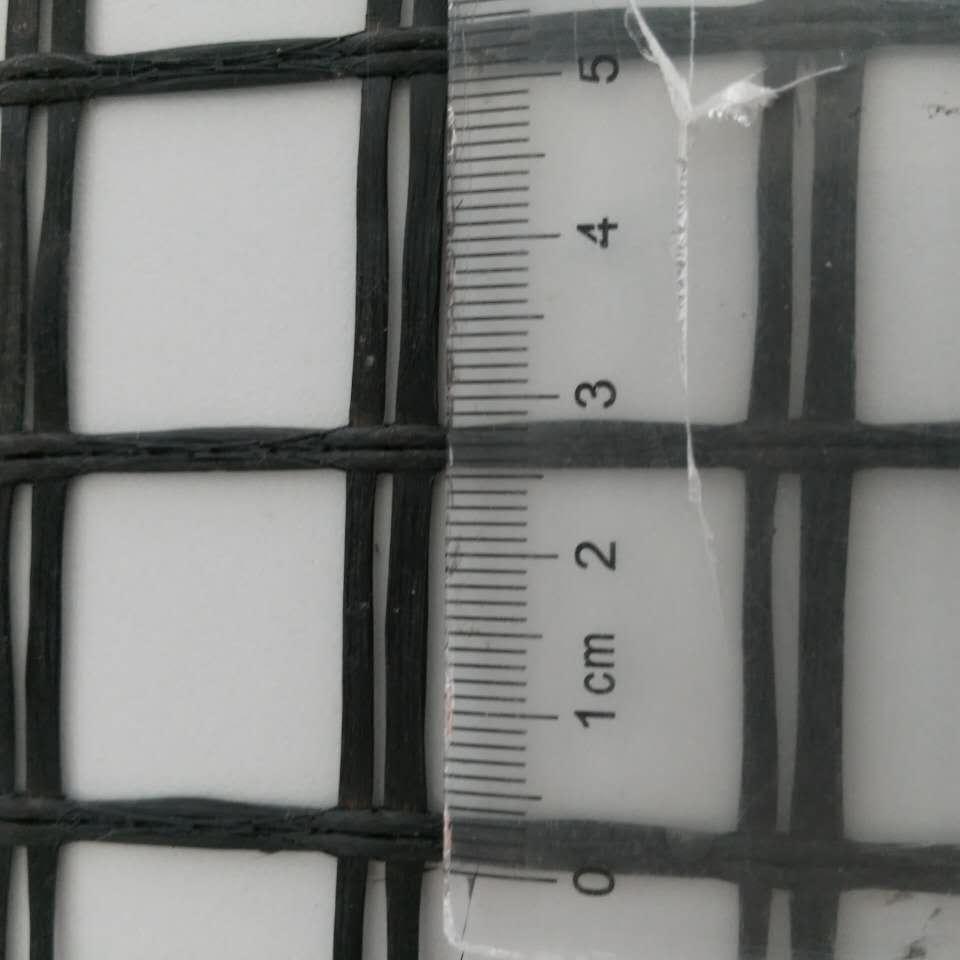
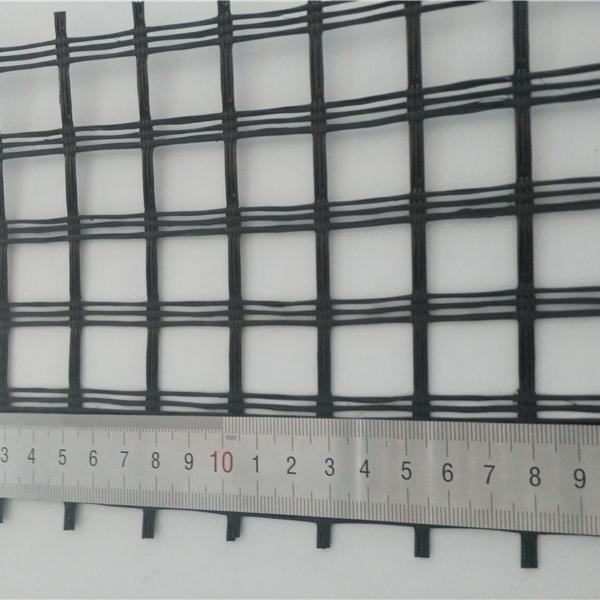
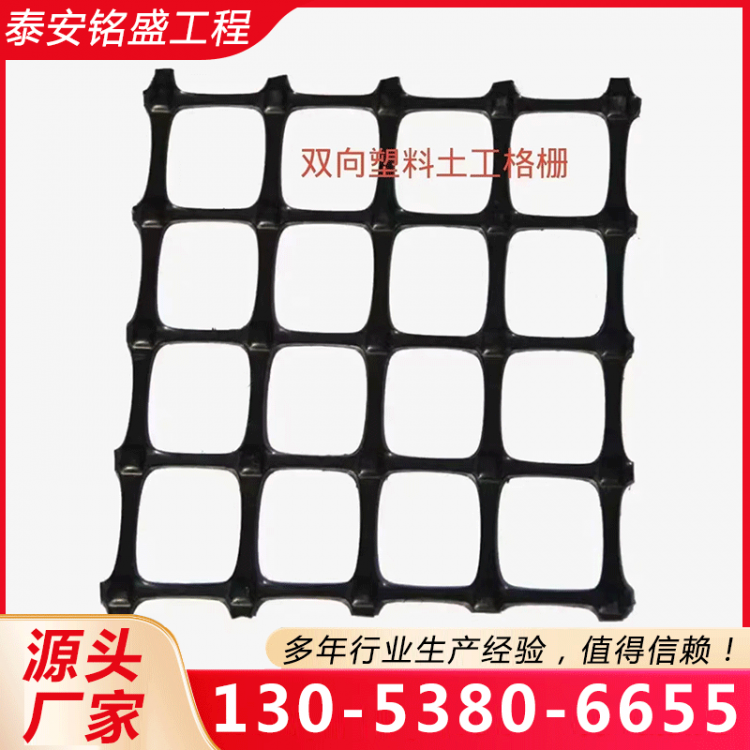
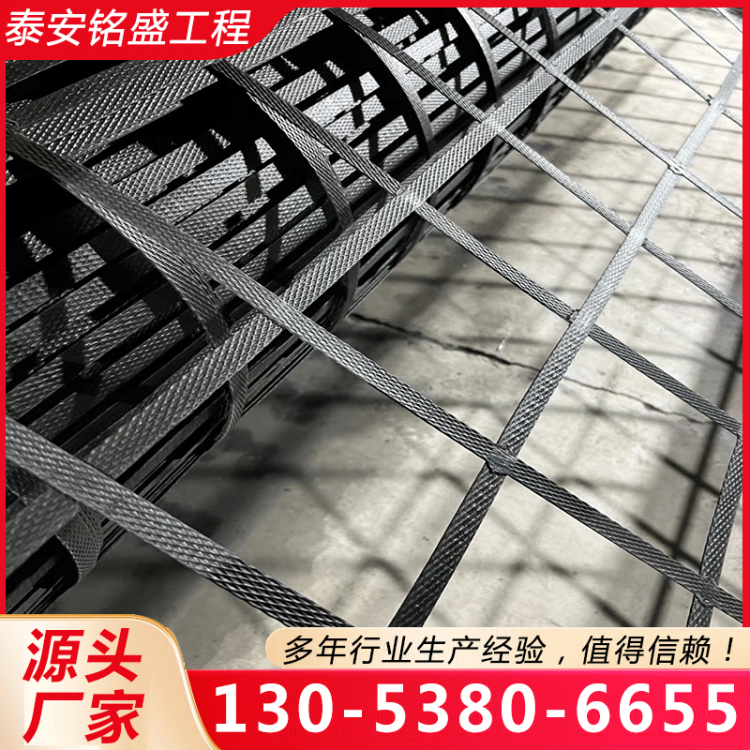
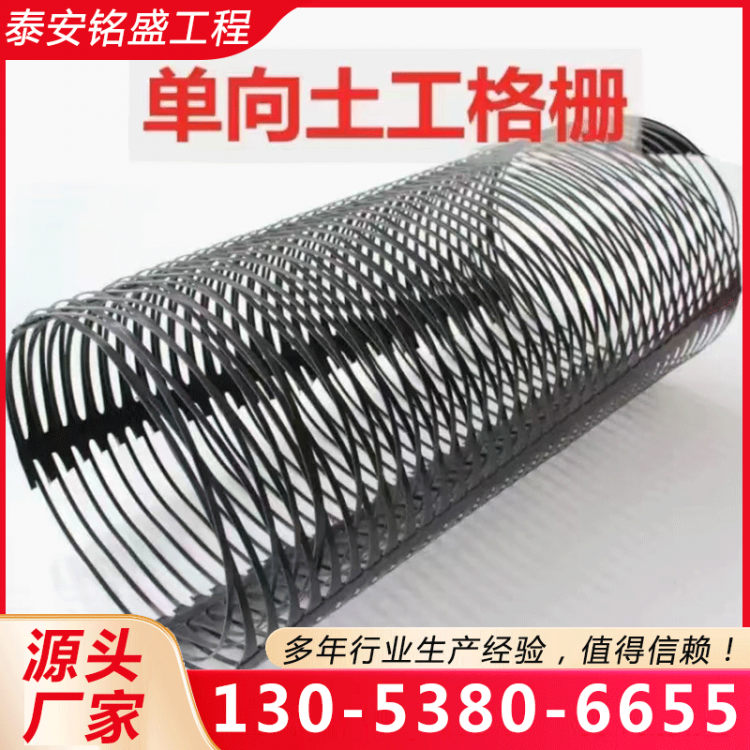
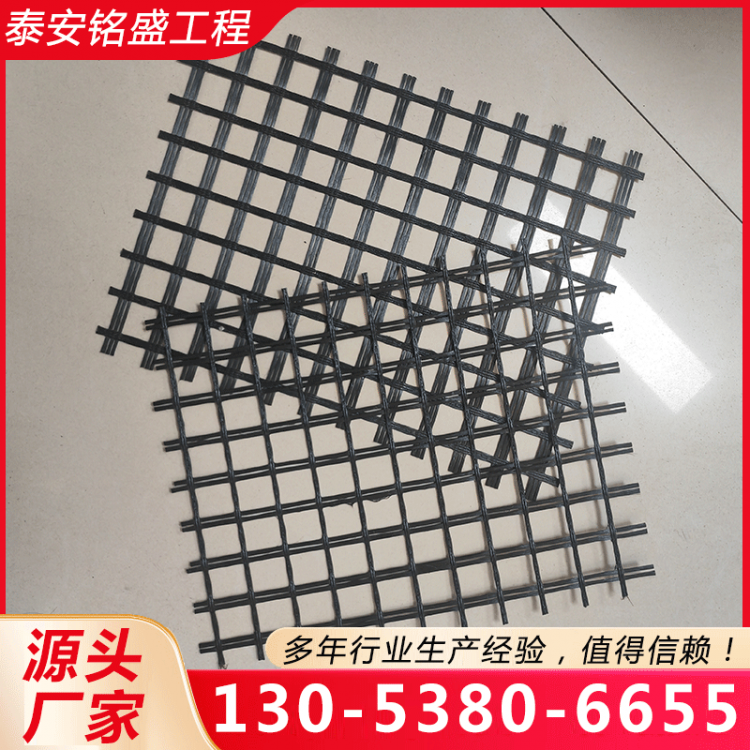
Glass fiber geogrid is an excellent geosynthetic material used for road reinforcement, road repair, and strengthening subgrades and soft soil foundations. It has become a material of choice for dealing with asphalt pavement reflective cracks. This product is made by weaving high-strength, alkali-free glass fiber into a mesh base material using advanced international weaving technology, and then coated on the surface to create a semi-rigid product. It boasts high tensile strength in both warp and weft directions with low elongation, and possesses excellent properties such as high-temperature resistance, low-temperature resistance, aging resistance, and corrosion resistance.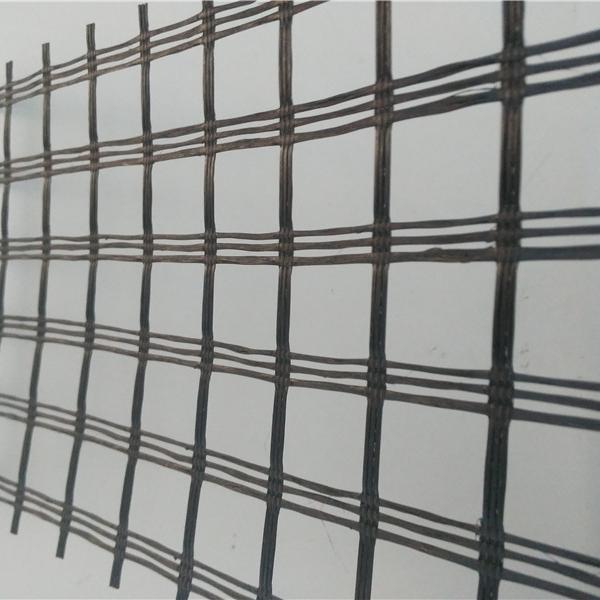 Widely used in projects such as the reinforcement of asphalt and concrete road surfaces, subgrades, railway subgrades, embankments, airport runways, and sand and desert control. The products feature high strength, low elongation, high-temperature resistance, high modulus, light weight, good toughness, corrosion resistance, and long service life. They are suitable for a wide range of applications including the repair of old concrete road surfaces, airport runways, embankments, riverbanks, slope protection, and road and bridge surface reinforcement. They can enhance and reinforce road surfaces, prevent rutting fatigue cracks, thermal expansion and contraction cracks, and reflective cracks, disperse the bearing stress of the road surface, extend the service life of the road surface, have high tensile strength and low elongation, no long-term creep, good physical and chemical stability, good thermal stability, resistance to fatigue cracking, resistance to high-temperature rutting, resistance to low-temperature shrinkage cracking, and delay the reduction of reflective cracks.
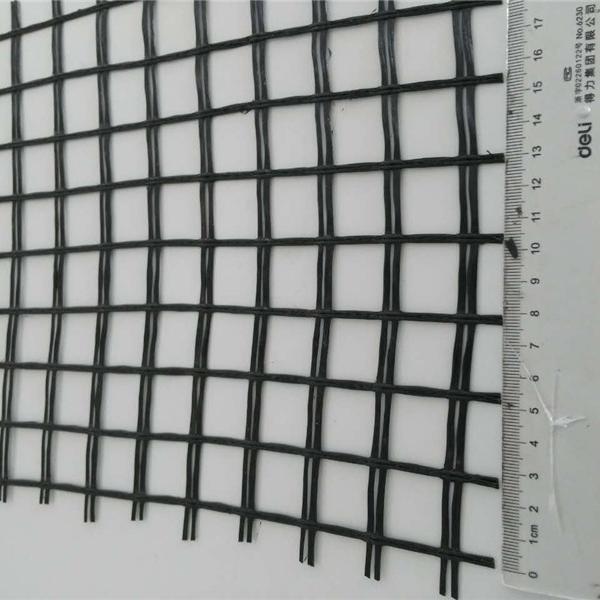 When laying geotextile grid with nail fixing, first secure one end with a fixing iron plate and nails to the lower structure already coated with asphalt emulsion. Nails can be hammered in or fired in with a nail gun. Then, pull the grid tightly lengthwise and fix it in segments, each 2-5 meters long. For concrete road surfaces, fix segments according to joint spacing. The position of the steel nails should be at the joints, ensuring that the grid is taut and straight in both longitudinal and transverse directions when tensioned. The overlap distance for the grid should be: the longitudinal overlap should not be less than 20 centimeters.
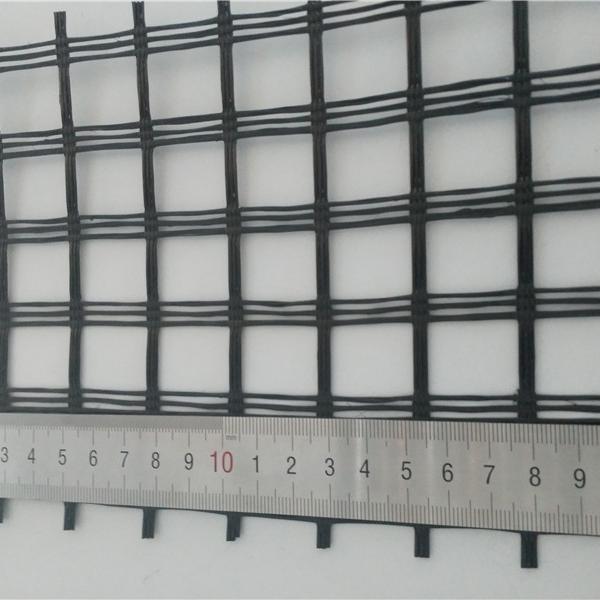 The transverse overlap must be no less than 15 cm. The longitudinal overlap should be positioned with the preceding mat above the following one, according to the asphalt paving direction. Nails should not be nailed into the glass fiber geogrid, nor should the geogrid be struck directly with a hammer. After securing, if nail breakage or sheet loosening is found, the fixings must be re-established. Once the glass fiber geogrid is laid and secured, use a roller compactor to gently roll and stabilize it, ensuring the geogrid adheres firmly to the original road surface. Strictly control the entry and exit of vehicles transporting the mixture, and prohibit abrupt turns, sudden braking, and spillage of mixture debris on the geogrid layer to prevent damage to the glass fiber geogrid during construction.