









Jinhua Crushed Stone Plastic Drainage Channels Manufacturer, Price for Plastic Drainage Channels, Plastic Drainage Channels, Price of Plastic Drainage Channels, Plastic Drainage Channels Manufacturer
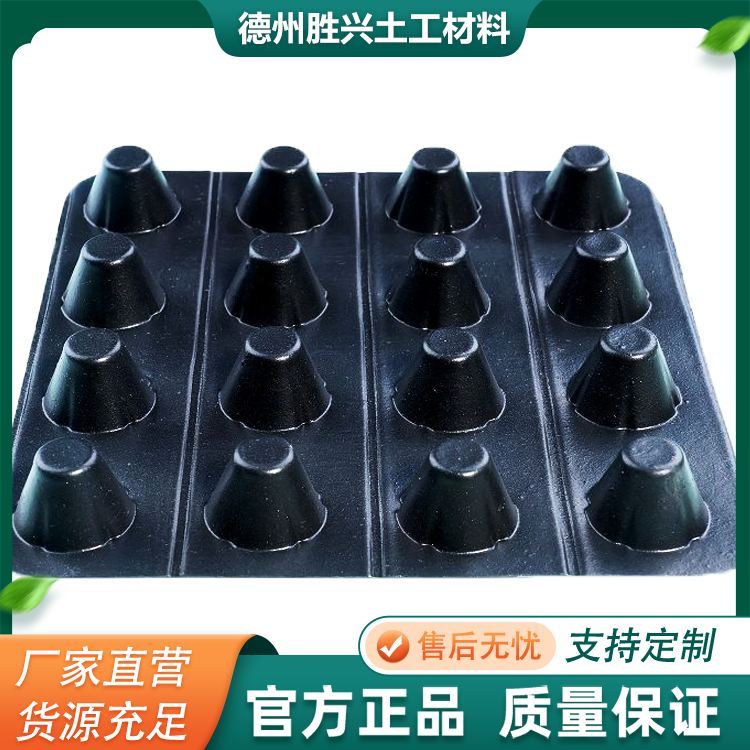
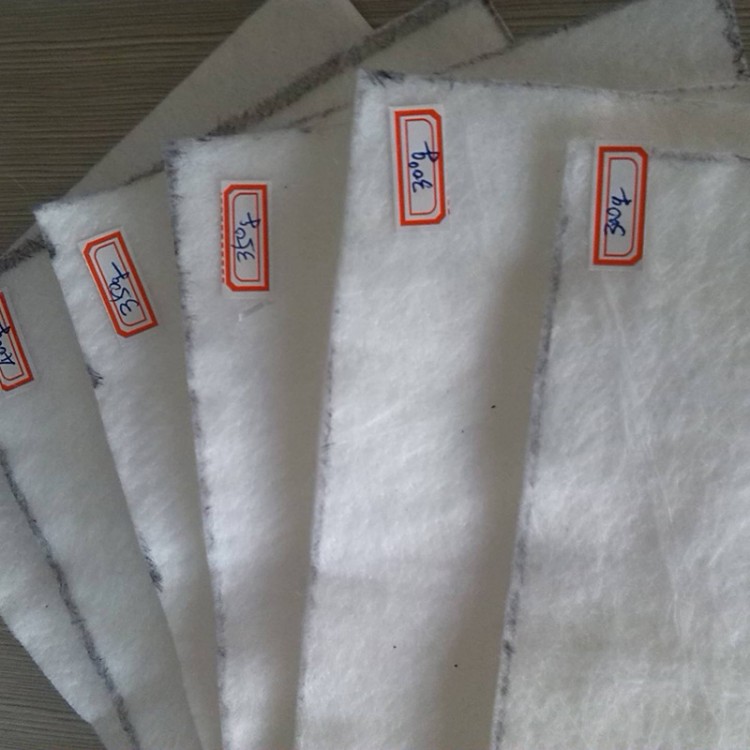
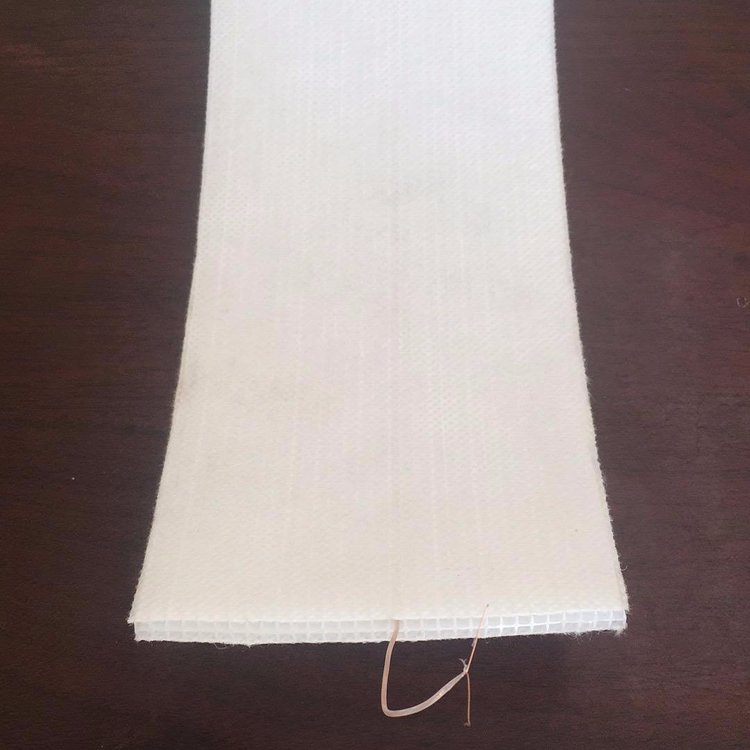
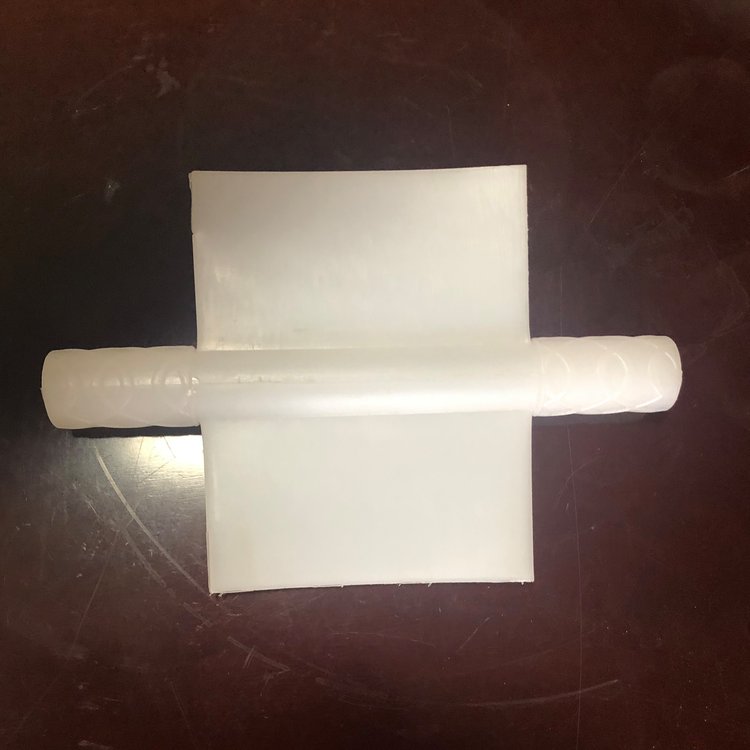
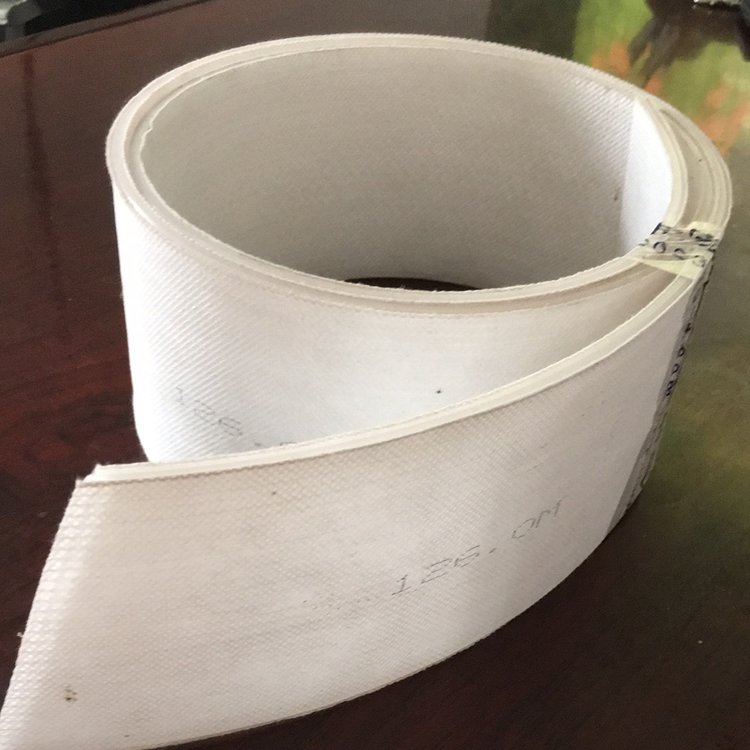
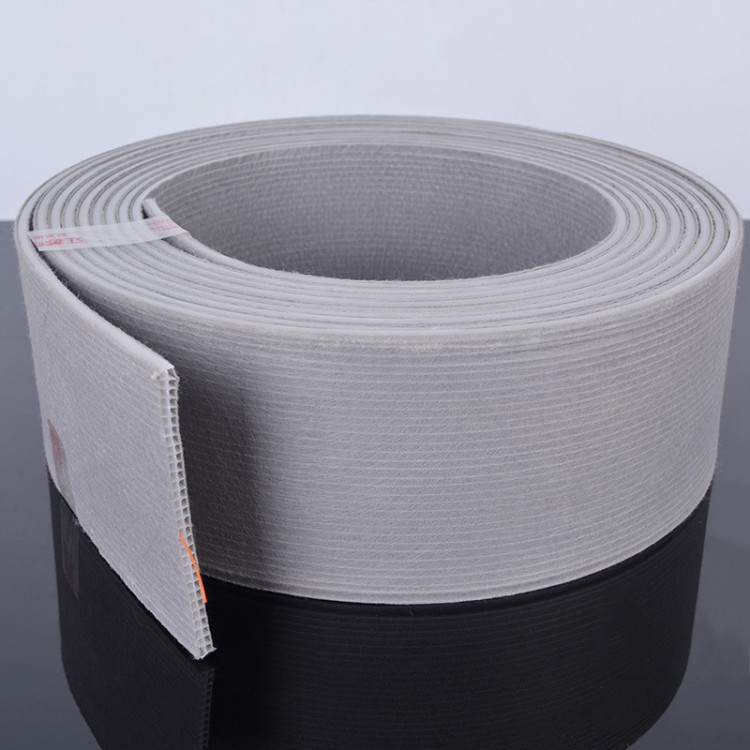
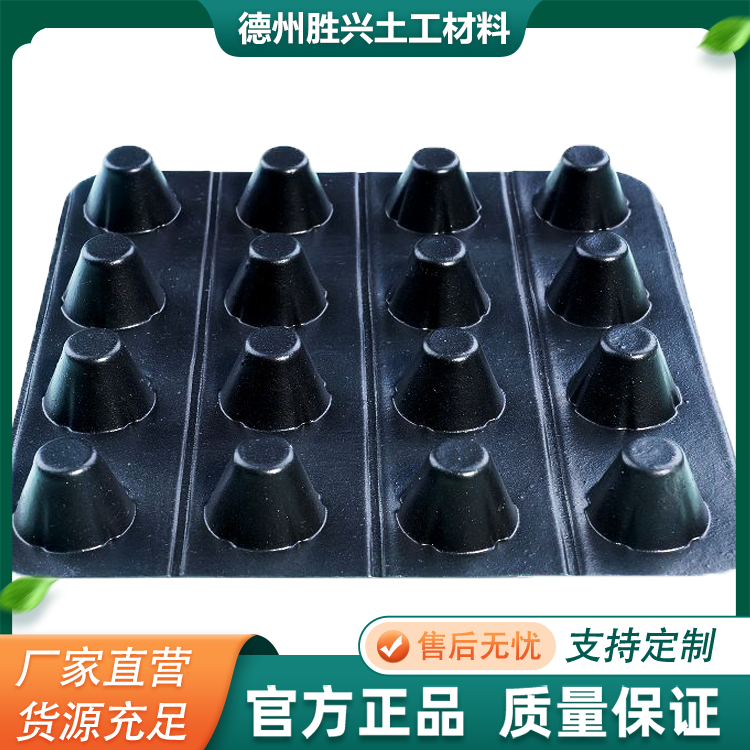
The plastic blind trench is composed of a plastic core wrapped with a filter fabric assembly. The plastic core is primarily made of thermoplastic synthetic resin, modified and extruded into fine plastic filaments in a molten state through a nozzle. These filaments are then fused at nodes by a molding device to form a three-dimensional mesh structure. The plastic core comes in various structures such as rectangular, hollow matrix, circular hollow circular, and more. This material overcomes the shortcomings of traditional blind trenches, featuring a high rate of surface openings, good water collection properties, and a large porosity. Excellent drainage, high compressive strength, good pressure resistance, flexibility, adaptable to soil deformation, durable, lightweight, easy to install, significantly reducing labor intensity for workers, and high construction efficiency, thus widely welcomed by engineering departments and extensively applied. This product is made by high-pressure extrusion molding, featuring different ribs and grooves on both sides to meet drainage, water stoppage, and fixation requirements. It has certain rigidity compared to other soft plastic sheets, beneficial for maintaining the drainage cavity, and has a relatively low material density.
 Cost relatively reduced, with features such as cold resistance, corrosion resistance, resistance to bacterial erosion, and不易aging when buried in tunnel linings, offering a long service life. The naming of plastic drainage culverts is divided into four parts: the first part is the code SM; the second part indicates the shape of the culvert, with Y for round and J for rectangular.
 Section three details the profile dimensions of the blind trench; for circular, it indicates the outer diameter of the core (mm); for rectangular, it indicates the cross-sectional dimensions (width x thickness, mm). Section four denotes the product's structure; 'K' signifies a hollow product (single hole), 'D' indicates a porous product, with the number before 'D' representing the number of holes.