








Wuqing River Channel Eco-Bag Manufacturer, Price for Eco-Friendly Slope Protection Eco-Bags, Eco-Bag Manufacturer
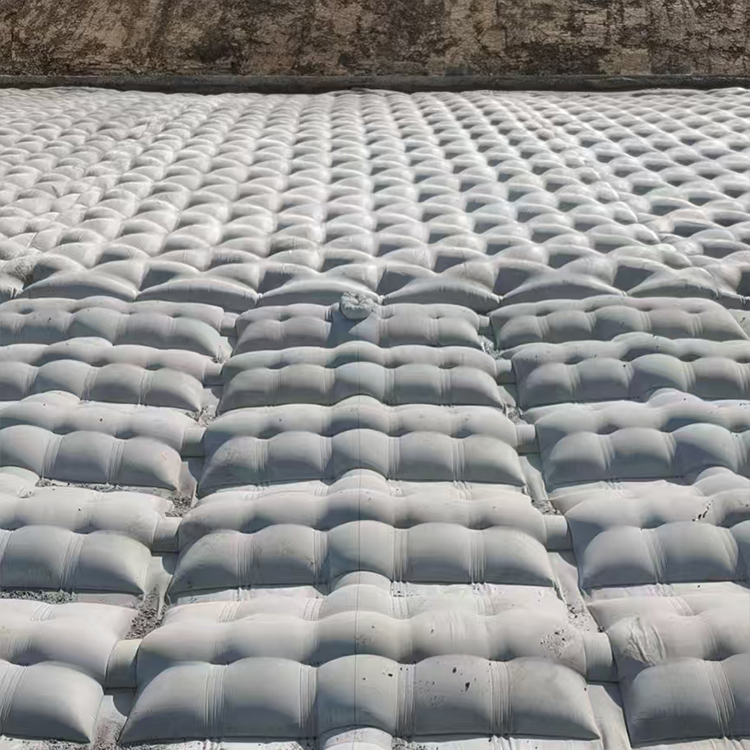
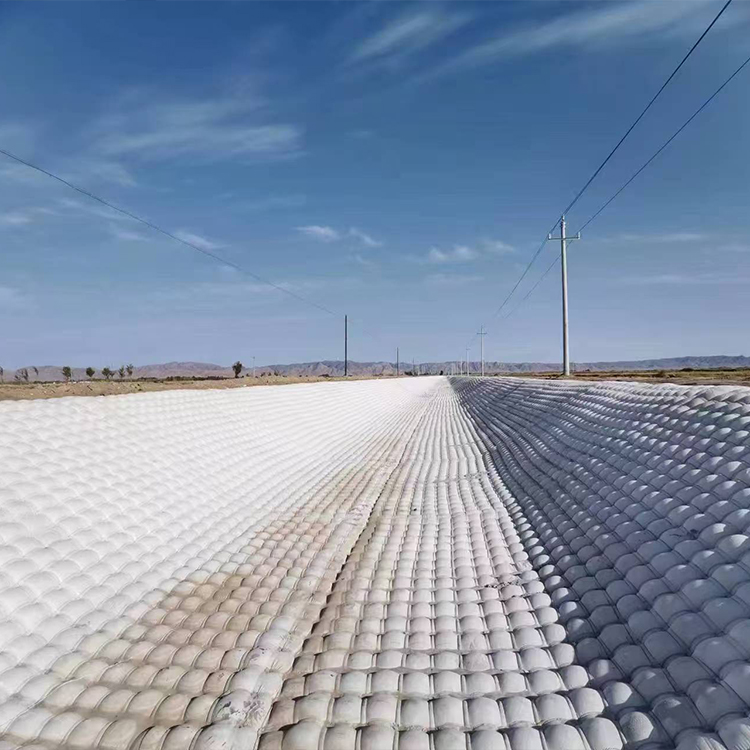
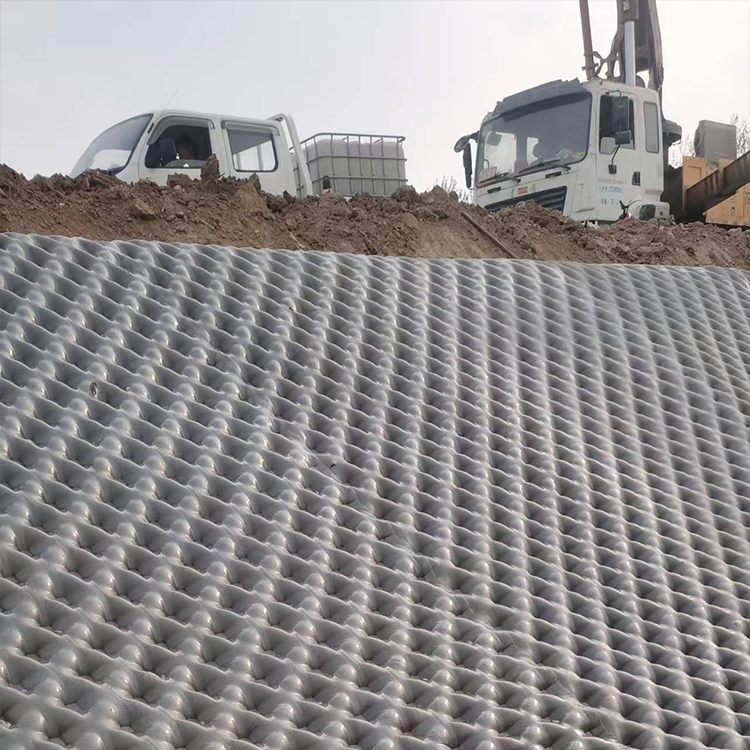
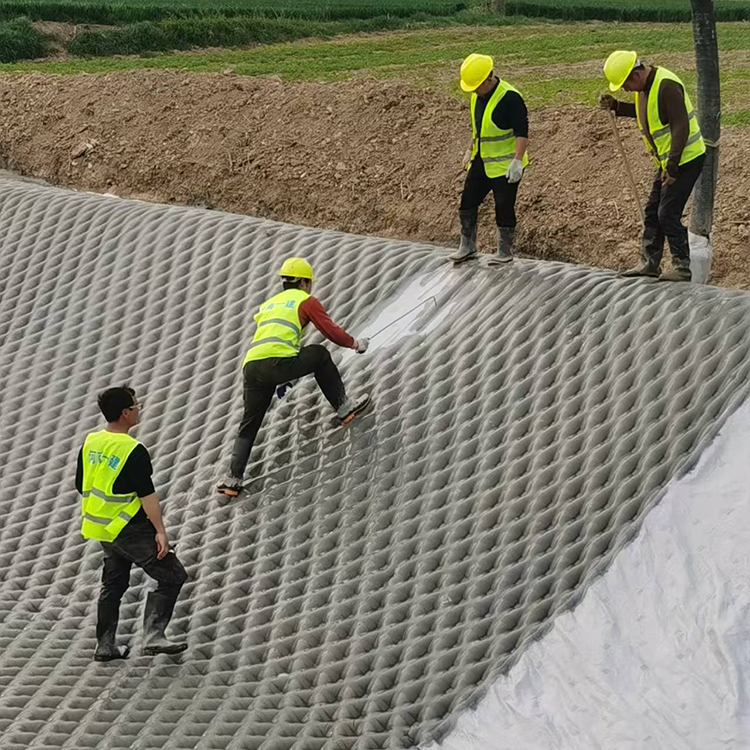
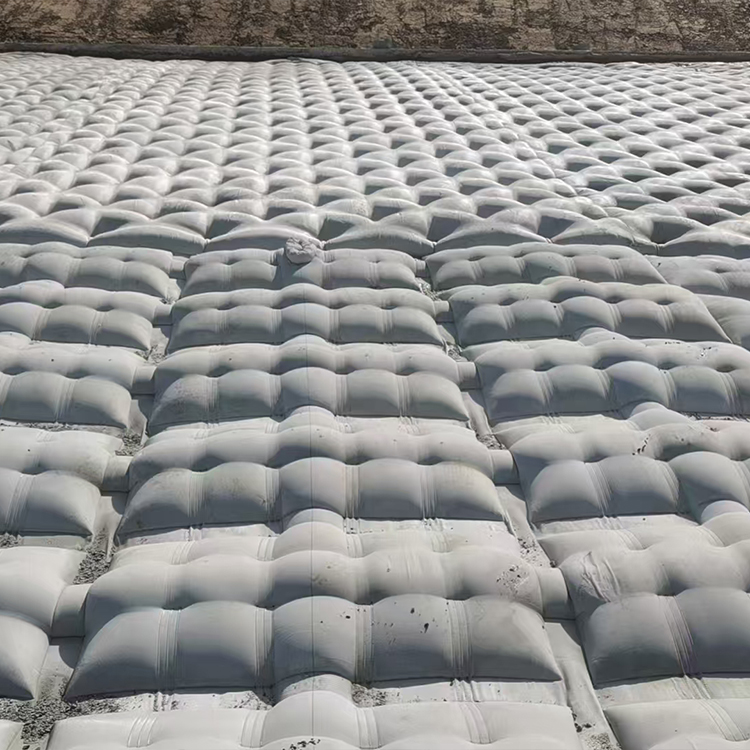
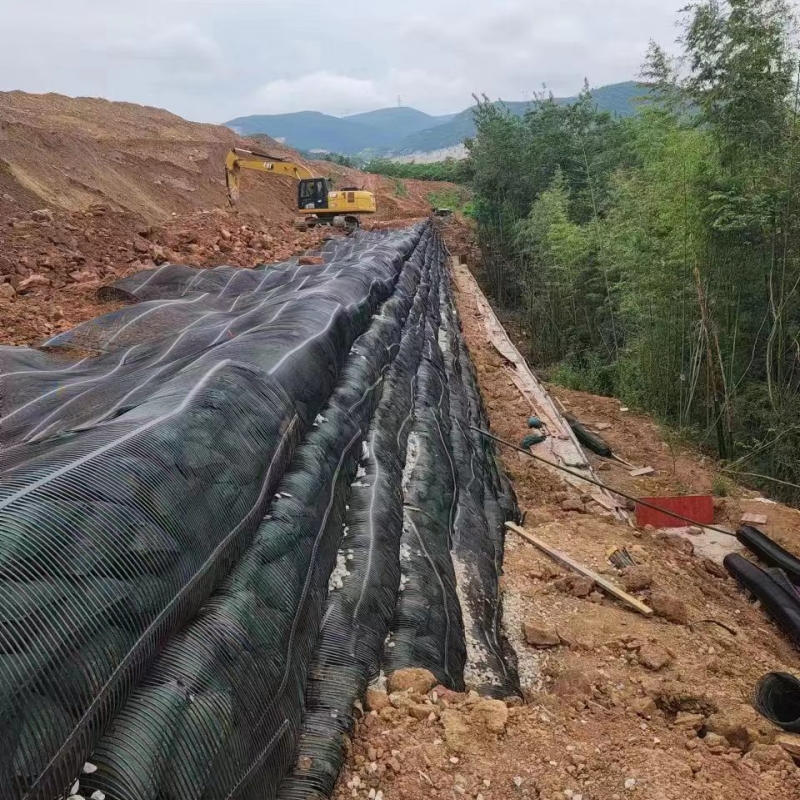
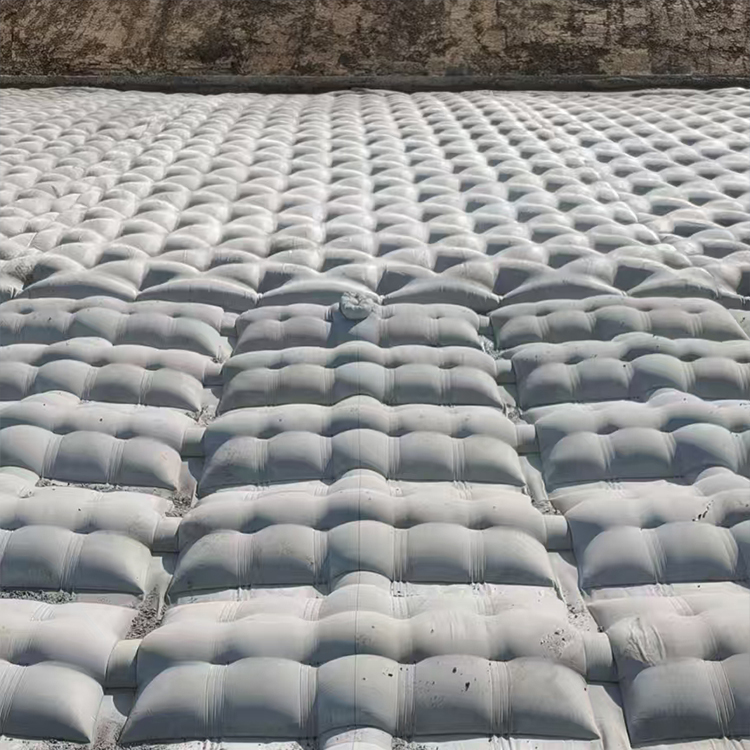
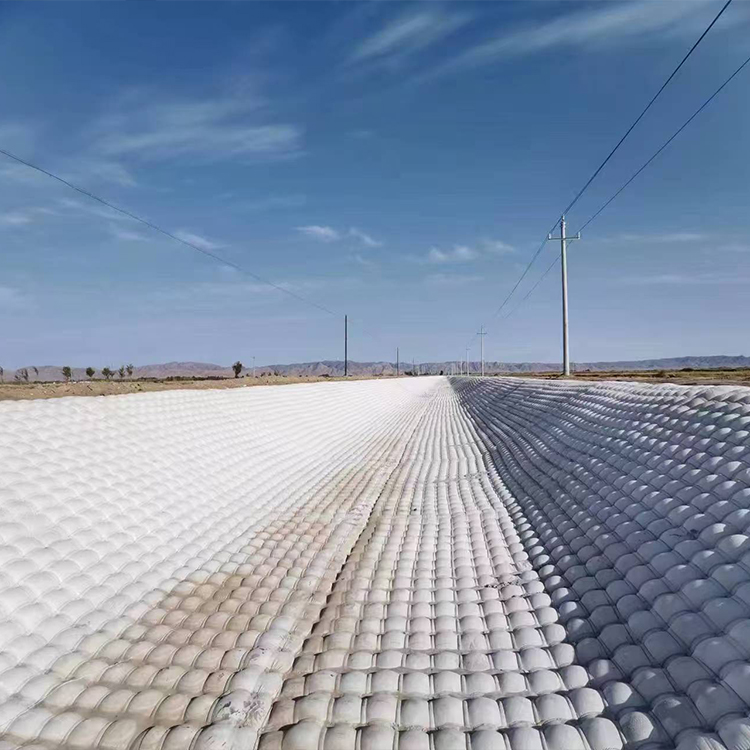
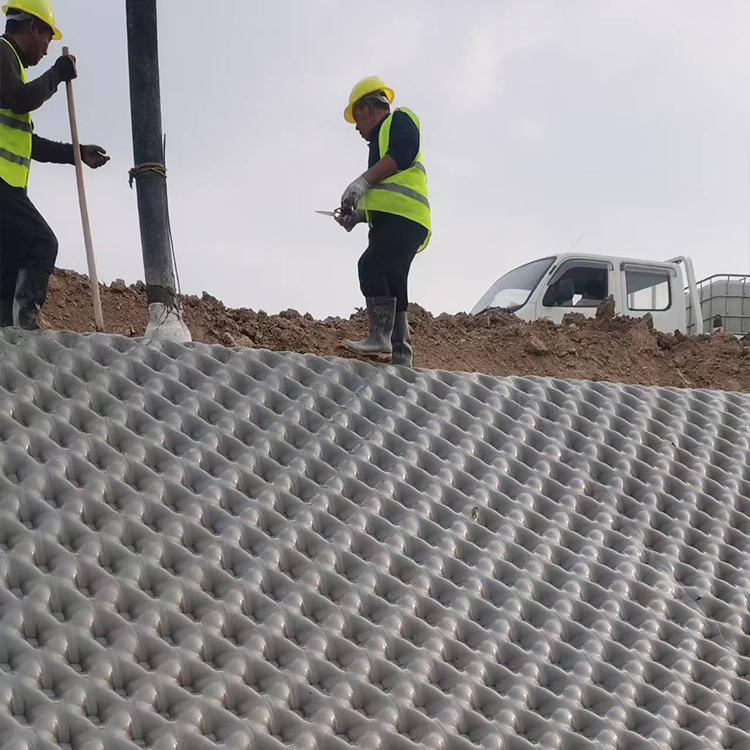
Ecological bags are a high-strength eco-synthetic material that is resistant to ultraviolet rays, freeze-thaw cycles, and acidic and alkaline substances.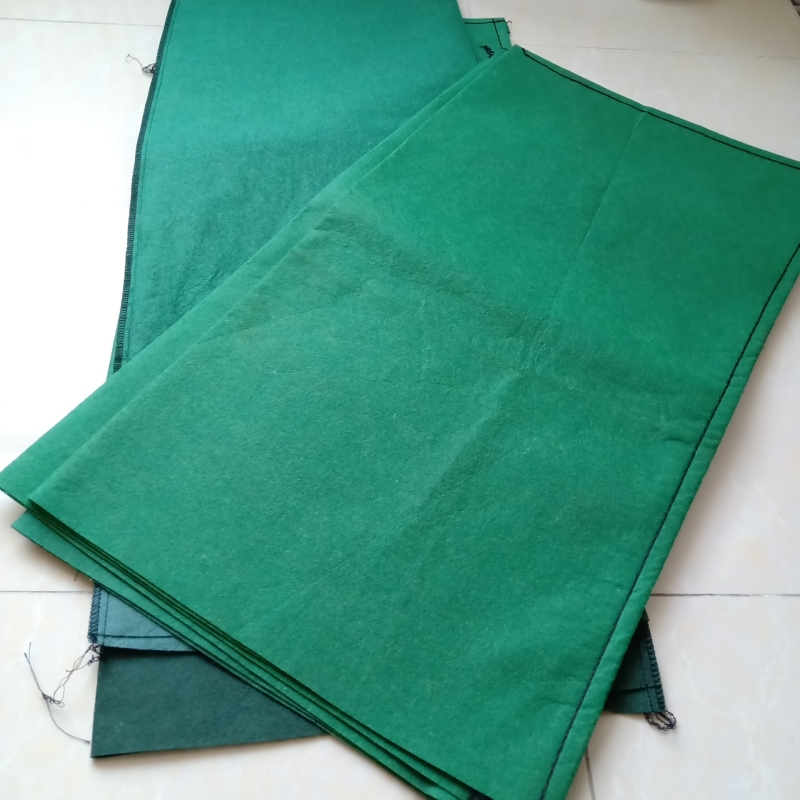 This is a new type of special material, featuring high strength, UV resistance, acid and alkali resistance, corrosion resistance, and freeze-thaw resistance. It can remain non-degradable for over 70 years, truly achieving zero pollution. It is primarily used in the construction of flexible ecological slopes. The ecological bag slope protection and greening, as a type of slope structural material, offers the following environmental versatility advantages: It is mainly used in the construction of flexible ecological slopes. The ecological bags are moisture-resistant, do not absorb water, and water will not damage the bags. They do not deform and are not soluble in polluted liquids, making them a great tool for ecological protection.
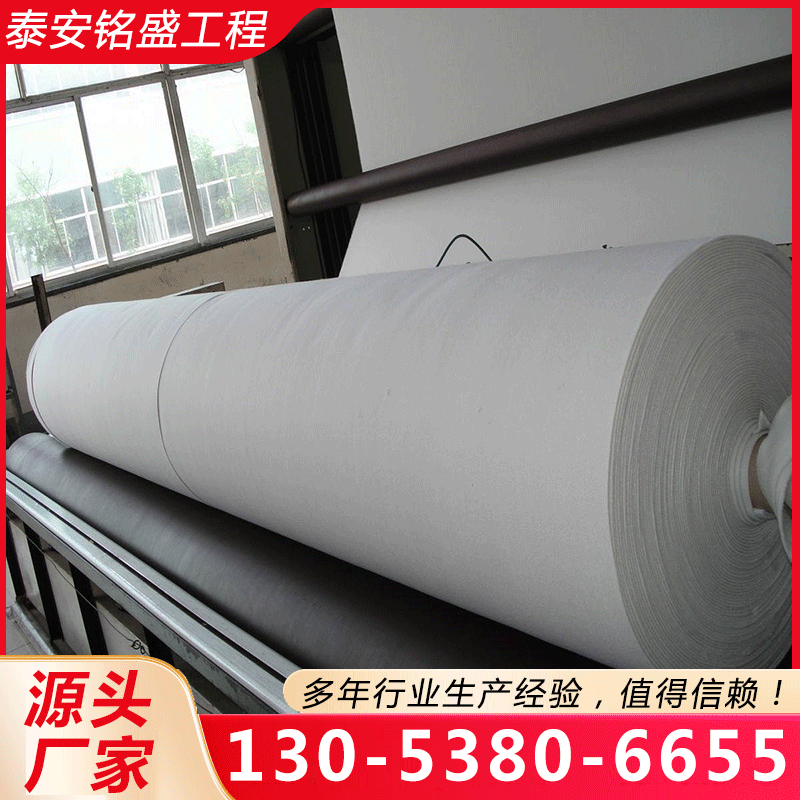
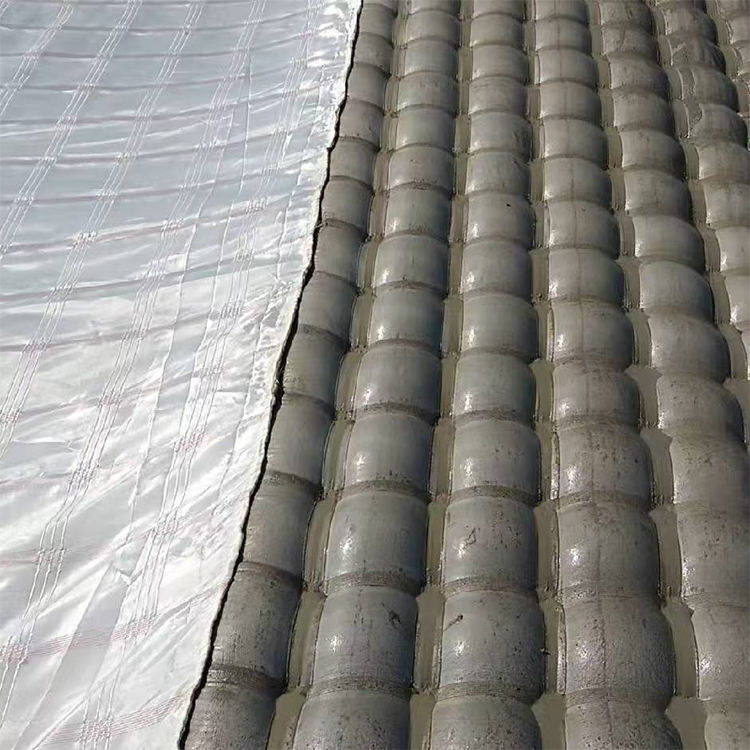
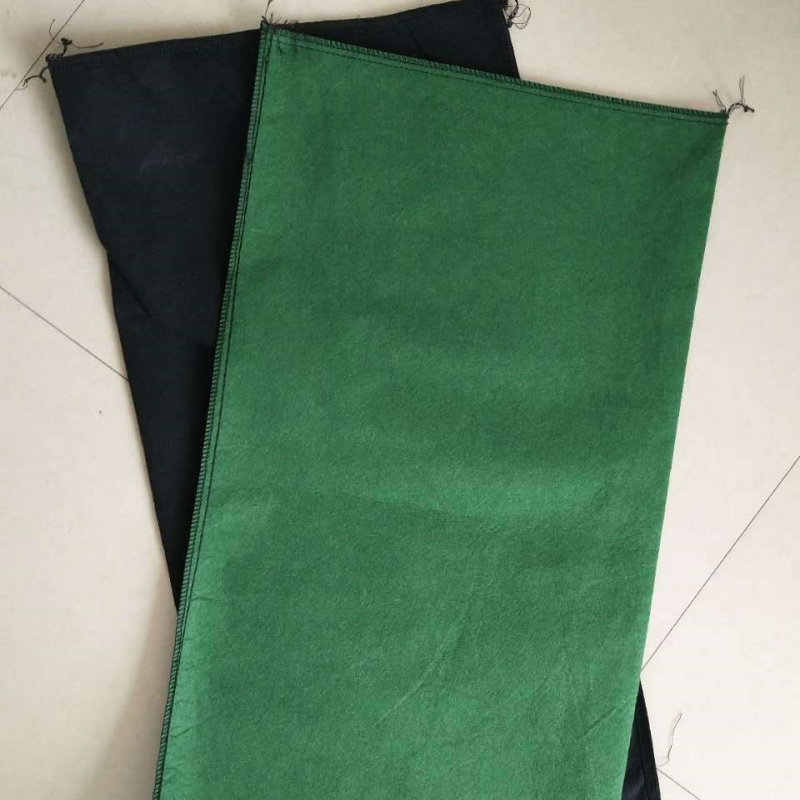
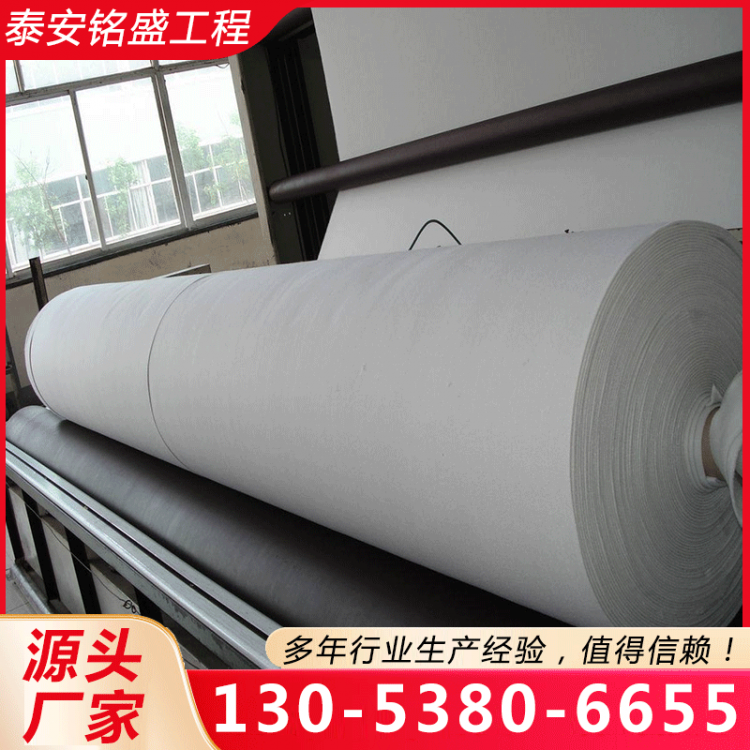
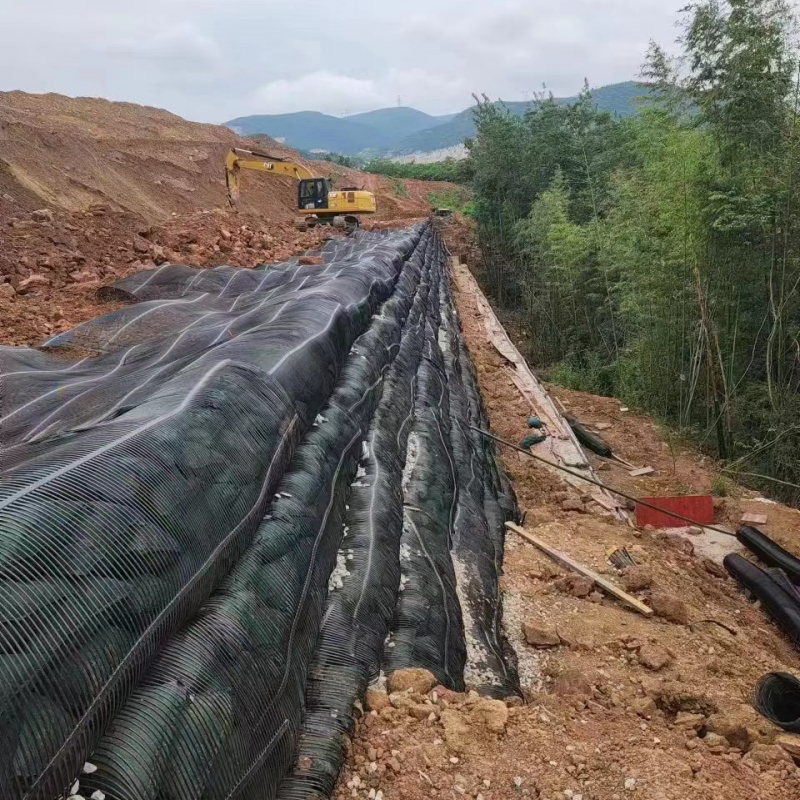 Practical ecological bags made from polypropylene (PP) or polyester (PET) as raw materials, processed from double-sided heat-pressed needle-punched non-woven fabric. These bags have undergone strict selection for indicators such as thickness, unit weight, physical and mechanical properties, shape, fiber type, stress method, direction, geometric dimensions, water permeability, and equivalent aperture to meet the requirements of plant growth, featuring UV resistance, anti-aging, non-toxicity, non-flammability, and the characteristic of not spreading cracks. They truly achieve zero pollution, suitable for desertification and mine rehabilitation.
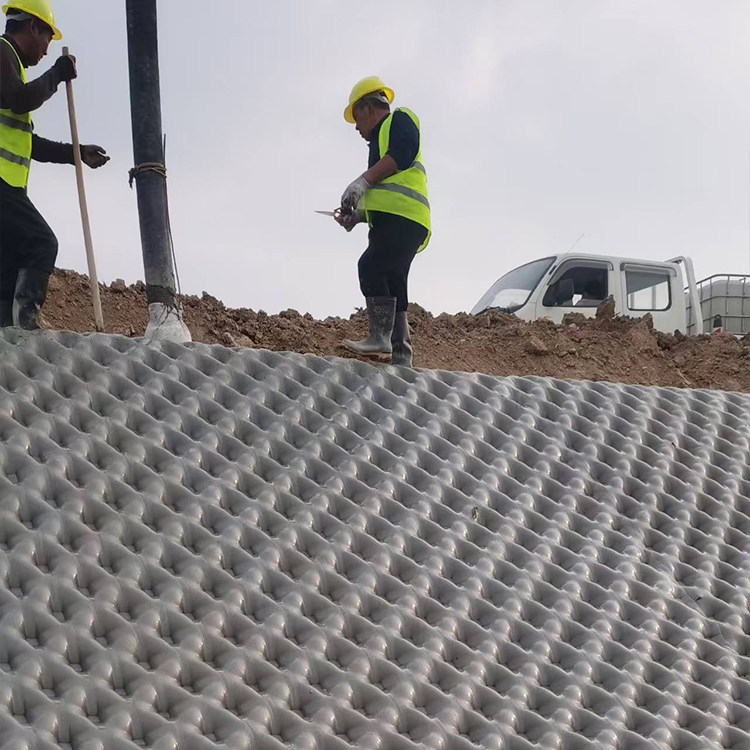
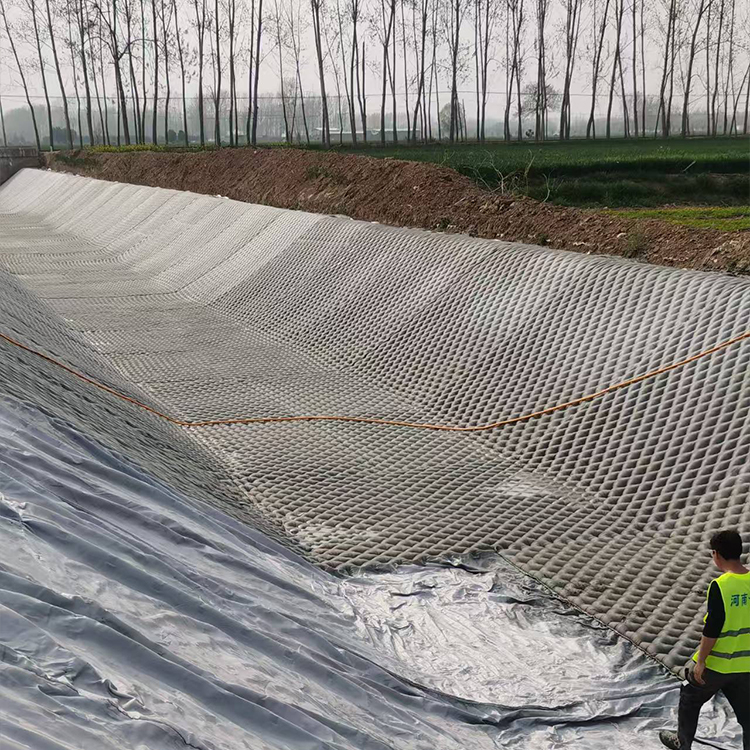
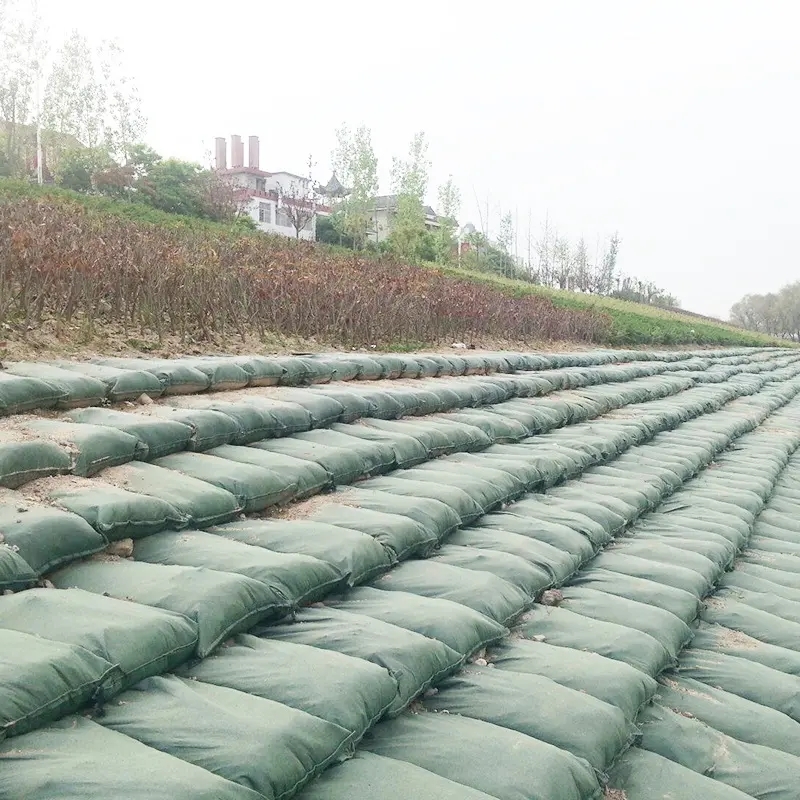 Highway embankment greening and riverbank stabilization are important construction methods in river management. Eco-bags, with their excellent physical and chemical properties, are specially formulated to withstand UV degradation, unaffected by soil chemicals, and prevent quality change or rot. They are non-degradable, resistant to pest infestation, anti-aging, non-toxic, and can resist erosion from acids, alkalis, salts, and microbial decomposition. They allow water to pass through but not soil, being plant-friendly and suitable for vegetation greening.