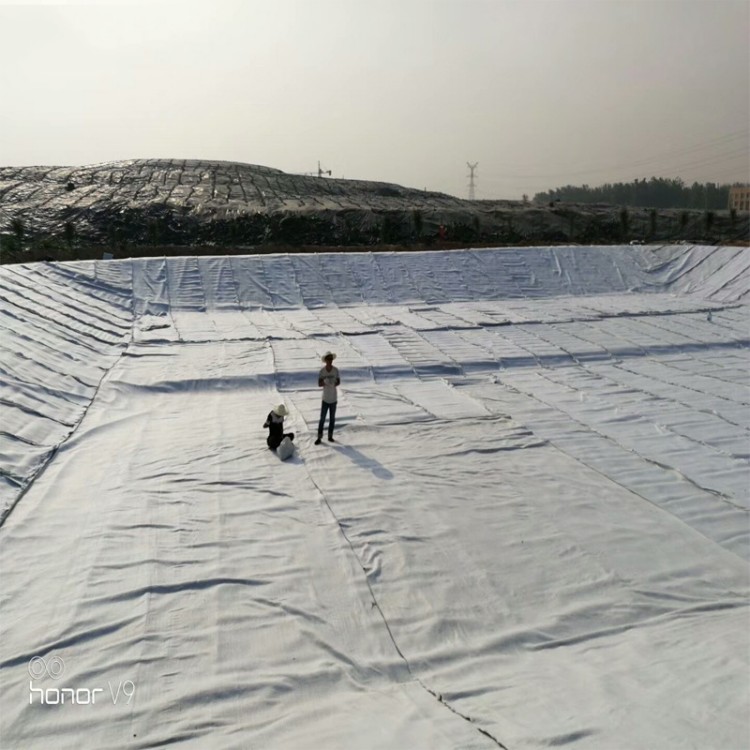









Yancheng Greening Plastic Drainage Board Quotation, Garage Plastic Drainage Board
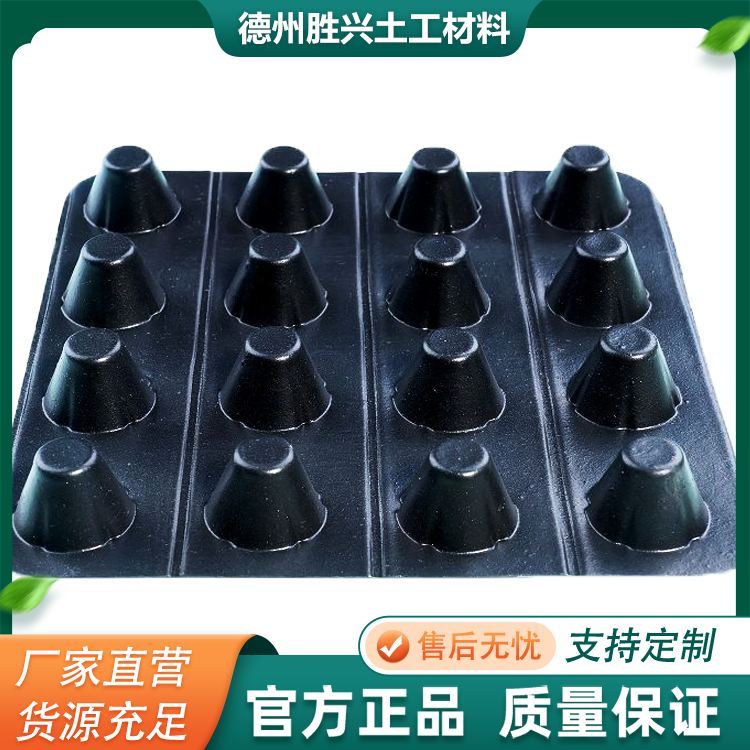
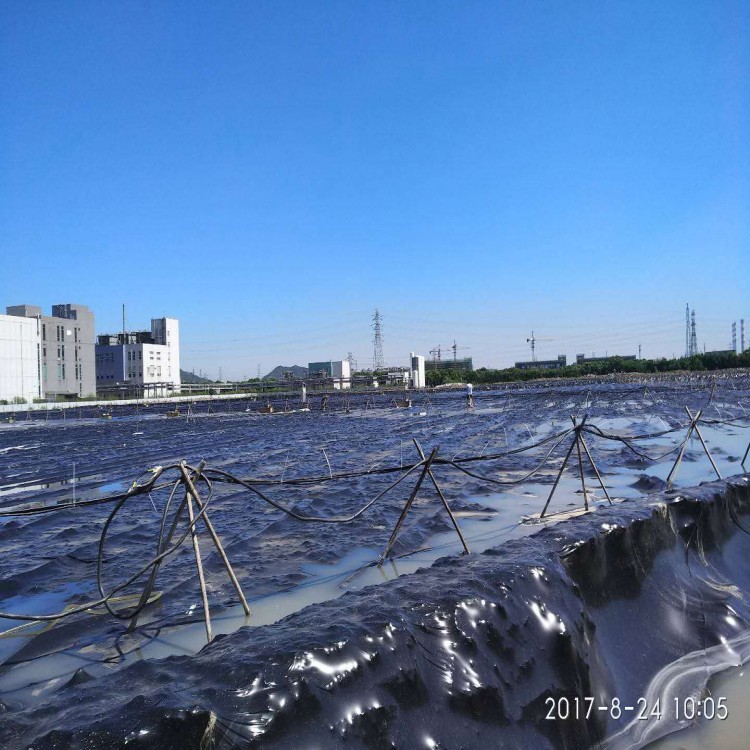
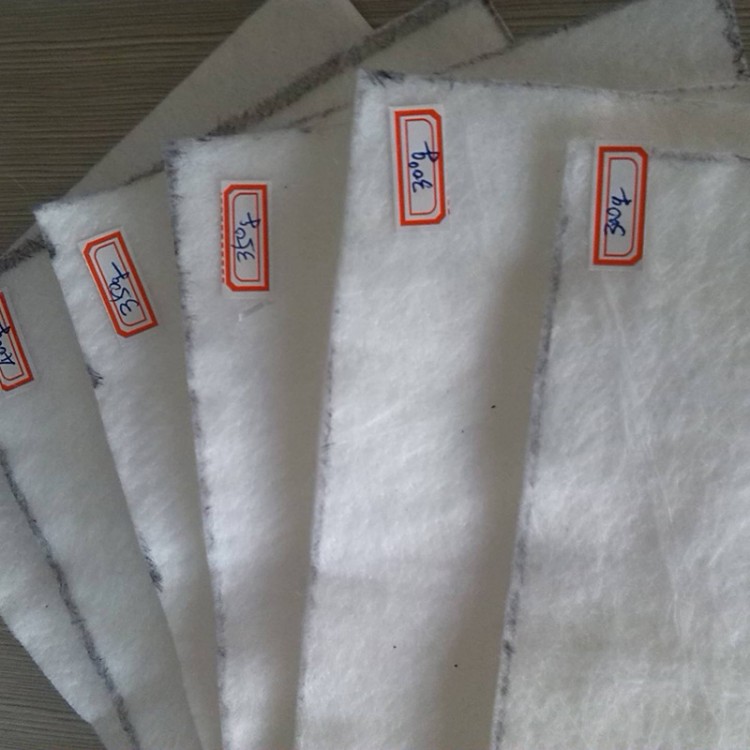
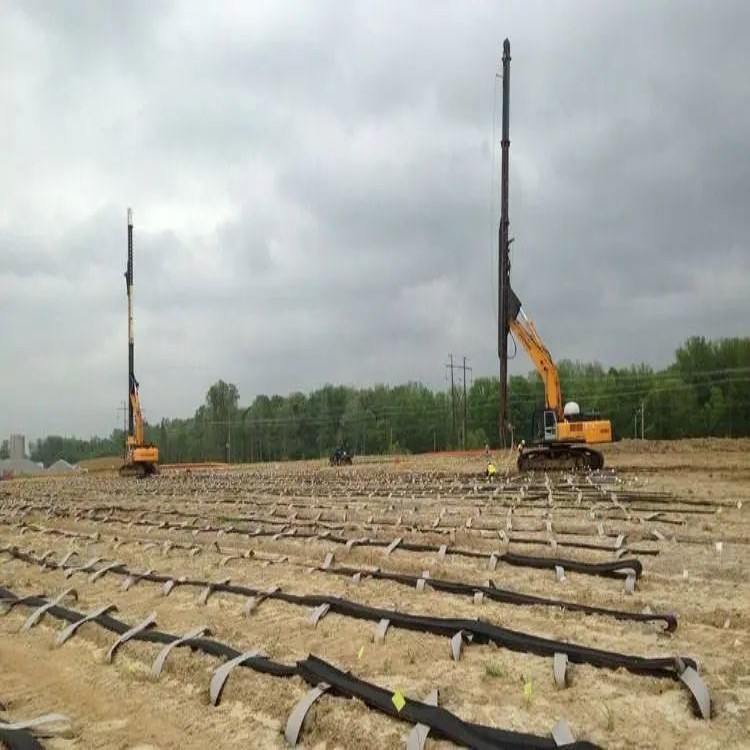
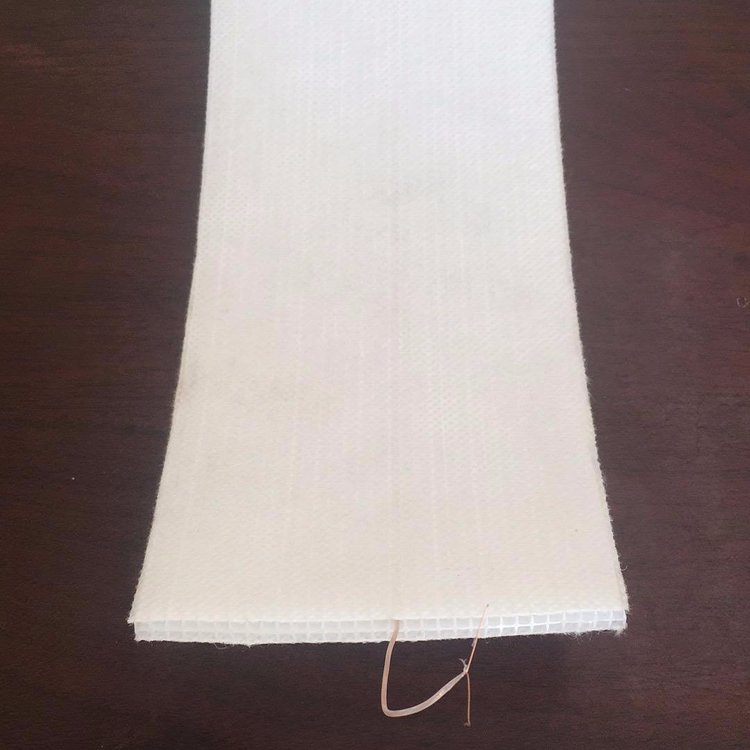
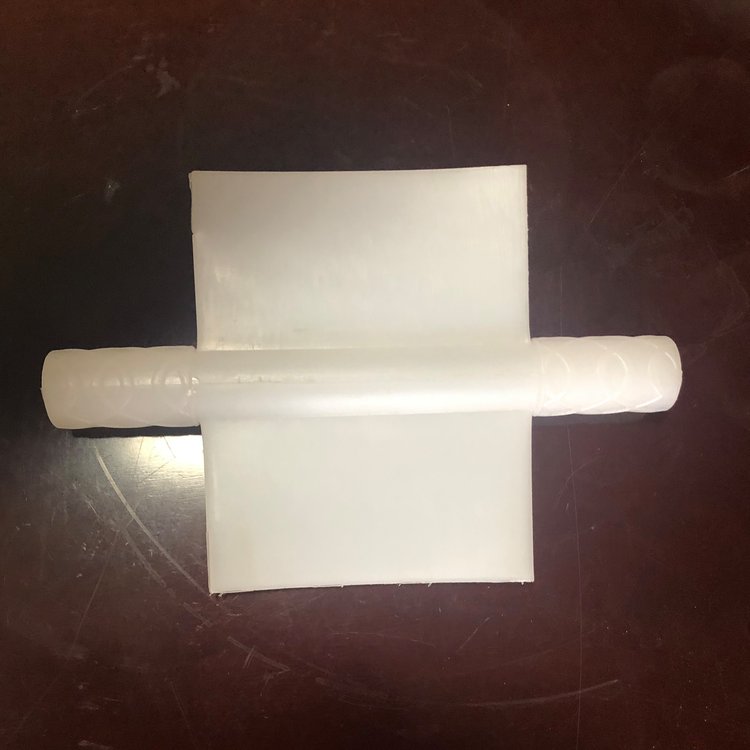
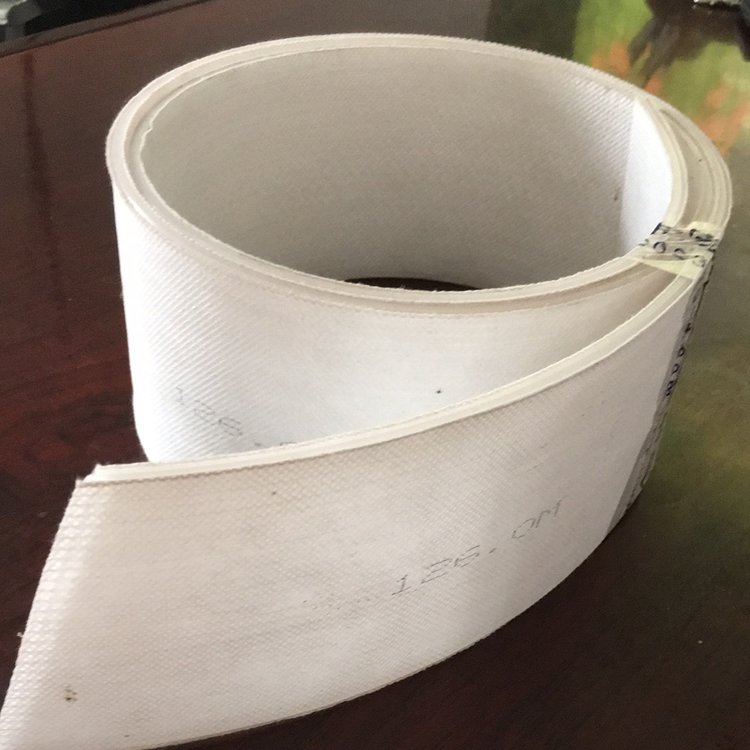
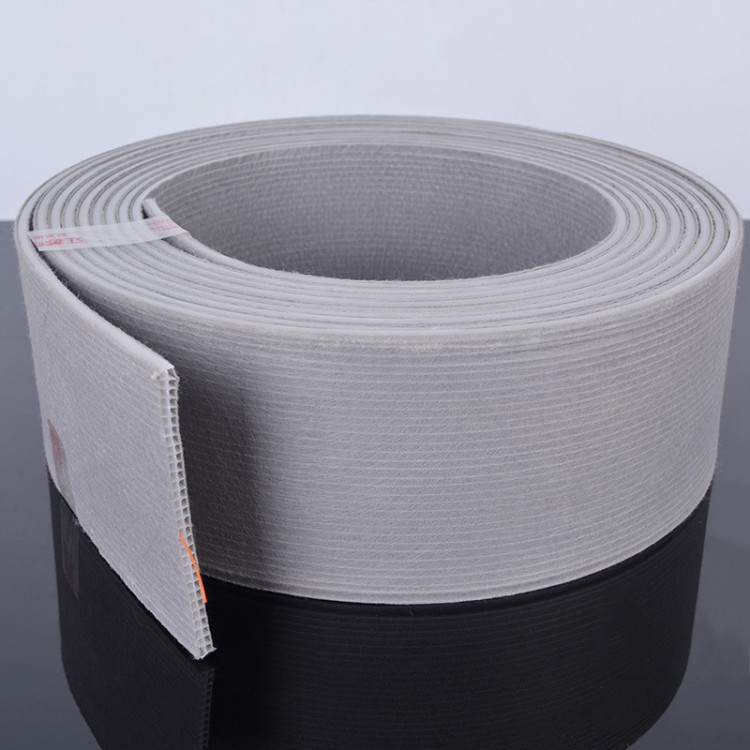
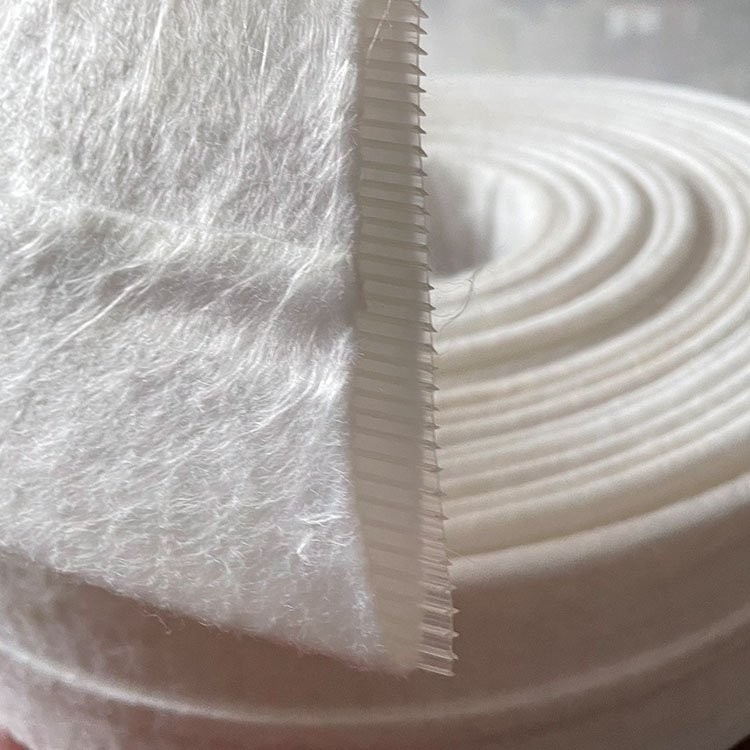
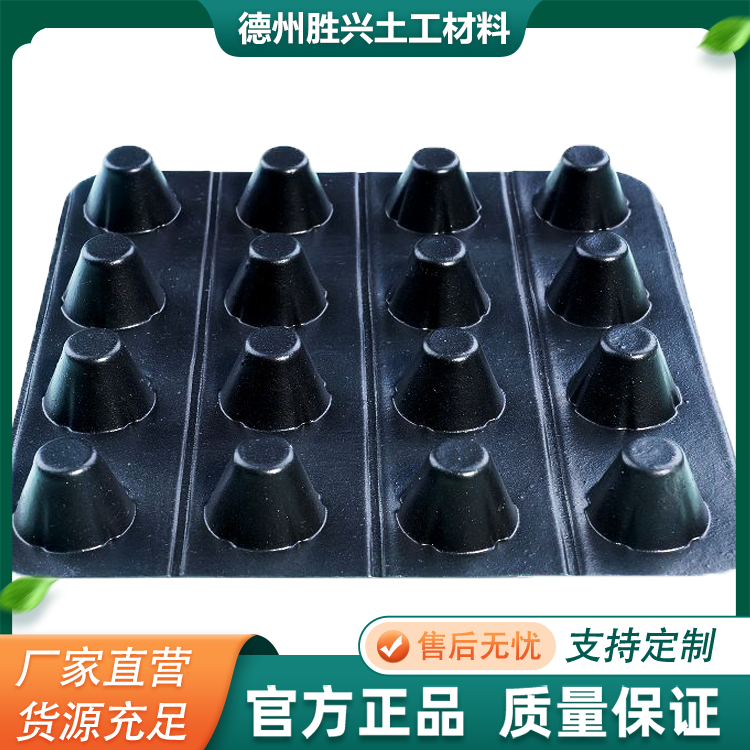
Plastic drainage boards, also known as plastic drainage strips, come in various shapes such as wavy and harmonica styles. The center is a plastic core board extruded into shape, serving as the framework and conduit of the drainage strip, with a cross-section in parallel. Both sides are wrapped with non-woven geotextile as a filter layer. The core strip supports the structure and allows the filtered water to drain upwards. It is an excellent vertical conduit for soft soil treatment using drainage consolidation methods for saturated clay, silt, fill soil, etc., significantly reducing the consolidation time of soft soil. The deviation between the pipe boot and the board position marking when setting the piling machine should be within ±70mm.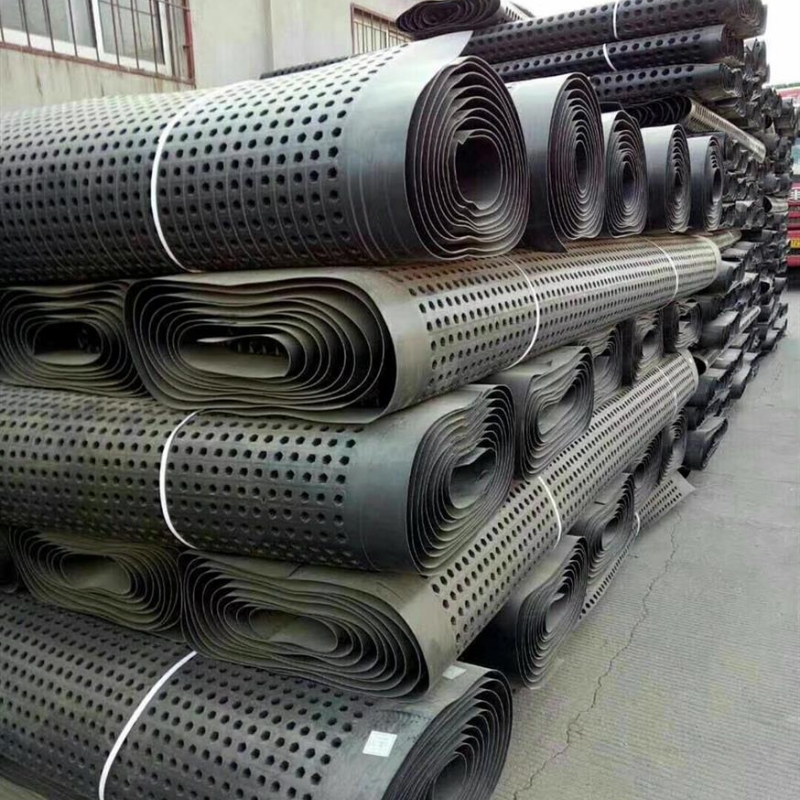 During the installation process, constant attention should be paid to controlling the verticality of the casing, with the deviation not exceeding ±1.5%. The elevation of the plastic drainage board must be strictly controlled according to the design requirements and buried in the sand cushion layer. A layer of filter geotextile is glued to the top of the conical riser to prevent soil particles from passing through, thus avoiding blockage of the drainage channels and ensuring smooth drainage. Traditional drainage methods use bricks, tiles, and stones as the filter layer, and a large amount of cobblestone or gravel as the filter water layer, draining water to a designated location. Replacing the cobblestone filter layer with a drainage board saves time and effort, conserves energy, reduces investment, and can also lower the load on the building. A good drainage system plays a crucial role in the construction period of civil engineering projects and the normal use and lifespan of structures.
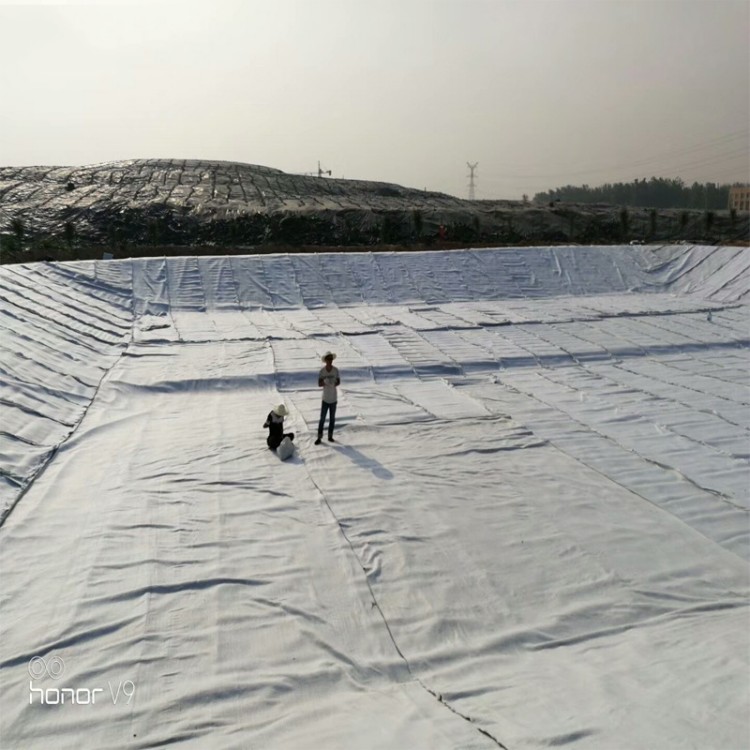
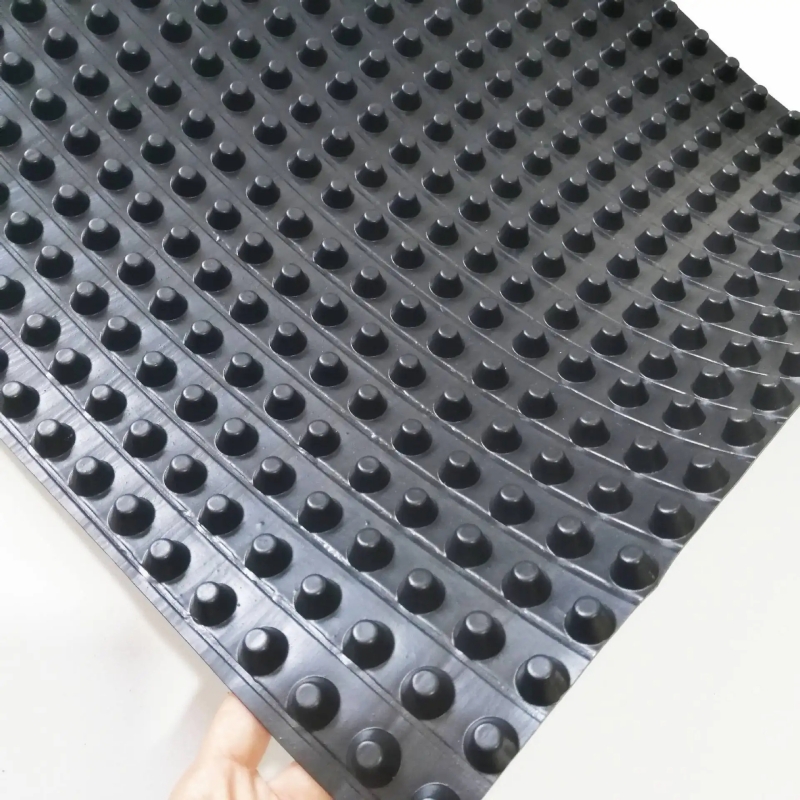 Perforated drainage boards and porous drainage pipes form an effective drainage system. The cylindrical perforated drainage boards, in conjunction with geotextiles, also create a drainage system, thereby forming a system with functions of water seepage, storage, and drainage. Shall not have any shallow deviation; when geological conditions change and it is not possible to drill as per the design requirements, contact the on-site supervisor immediately and obtain approval before making any changes to the drilling elevation. It is strictly prohibited to have twists, breaks, or tears in the filter membrane when laying plastic drainage boards. The length of the pullback during installation should not exceed 500mm.
 The number of returns should not exceed 5% of the total number of installations. When cutting the plastic drainage board, the exposed length above the sand cushion layer should be greater than 0.5 meters. Each board's construction should be inspected, and only when it meets the acceptance standards can the machine be moved to install the next board; otherwise, a supplementary installation is required in the adjacent board position. Self-inspection should be conducted on each board during installation, and construction records should be made according to requirements in the original record form for plastic drainage board construction. The plastic drainage board embedded in the foundation should ideally be a full board; if the length is insufficient and needs to be extended, it must be done according to the prescribed method and requirements. After the plastic drainage board in a section is qualified for acceptance, the holes formed around the board during installation should be filled carefully with sand cushioning material.