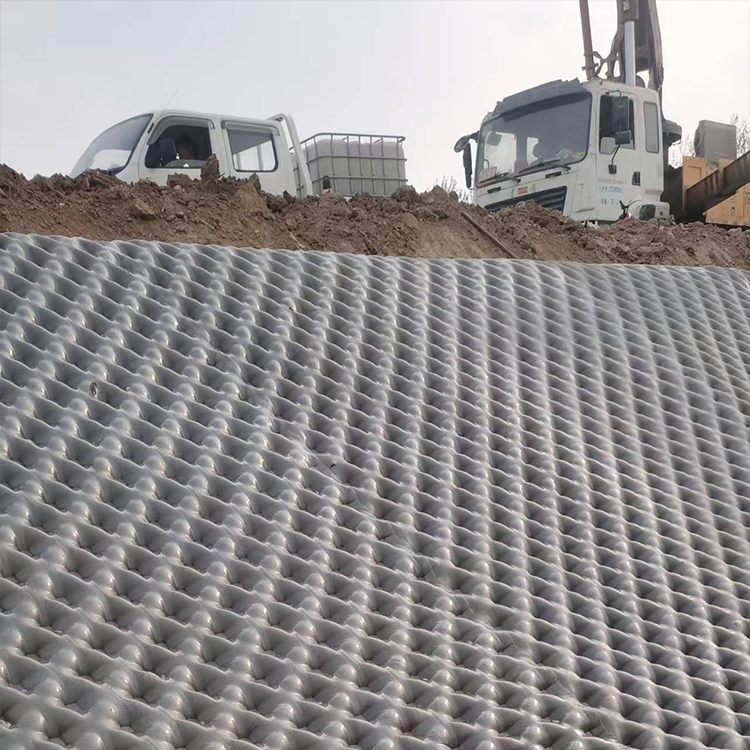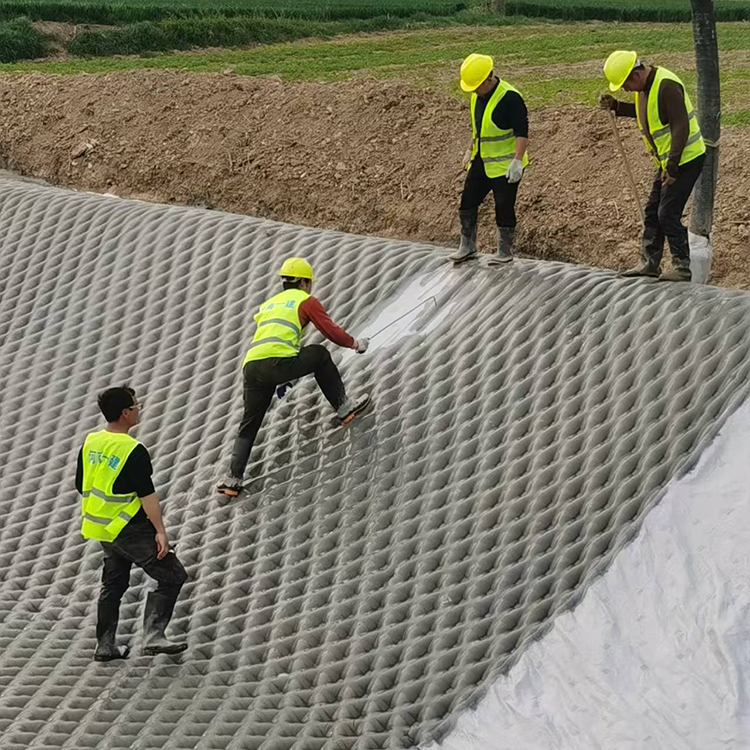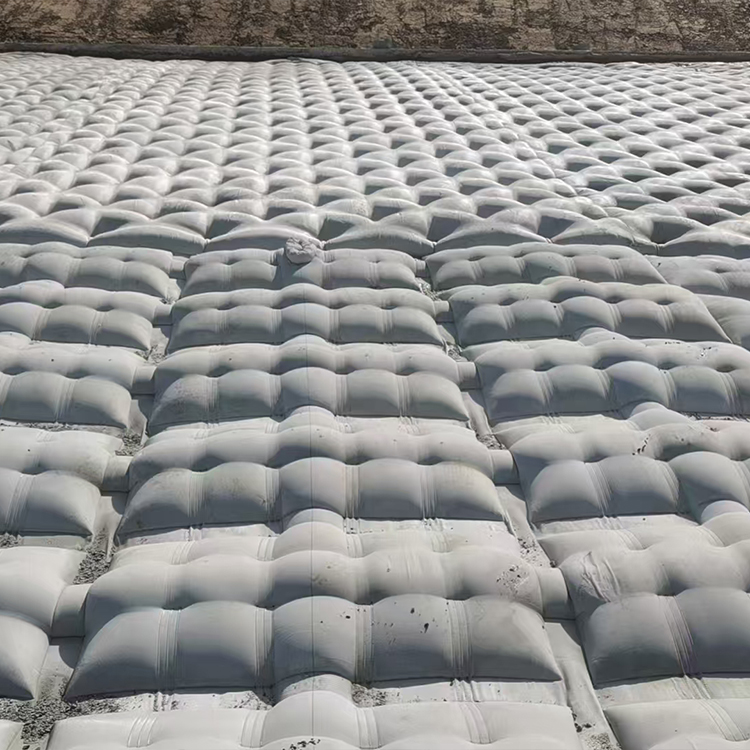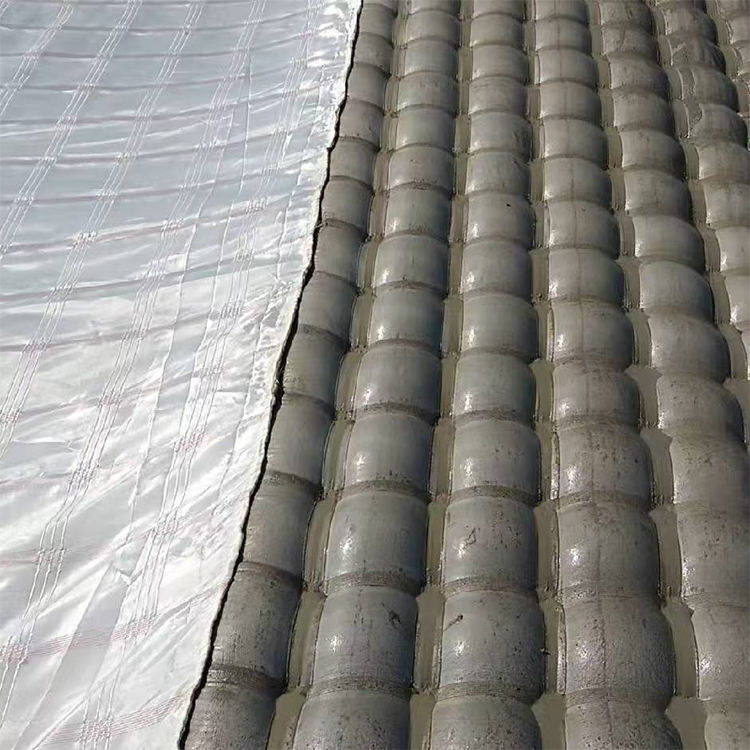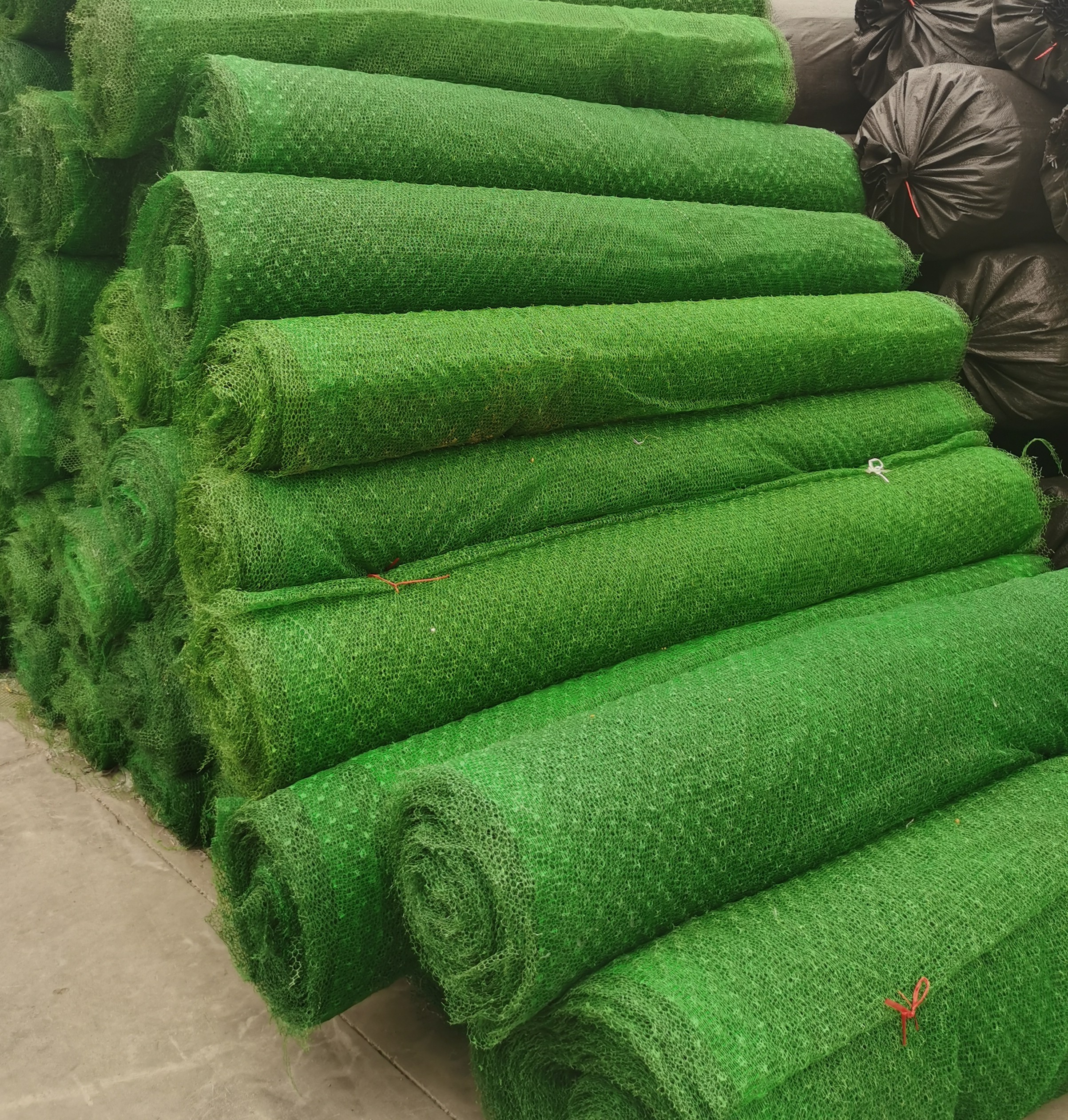
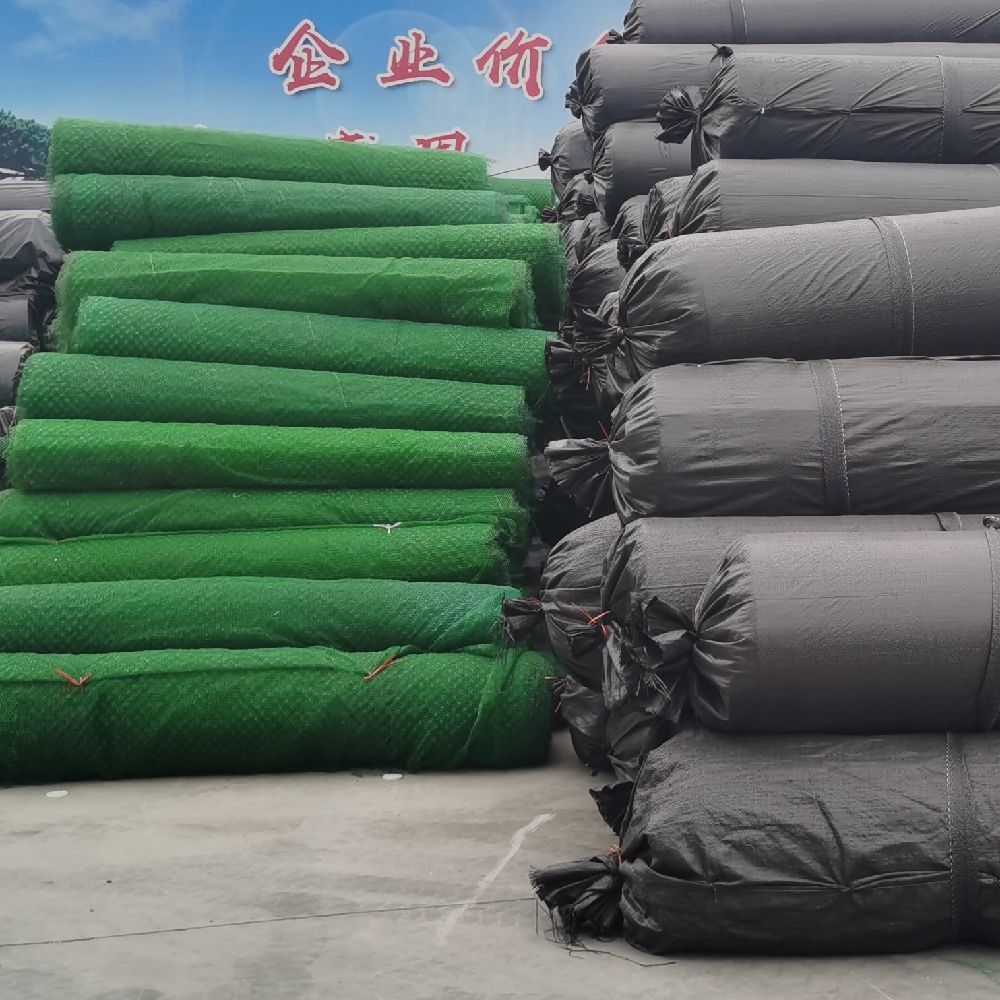


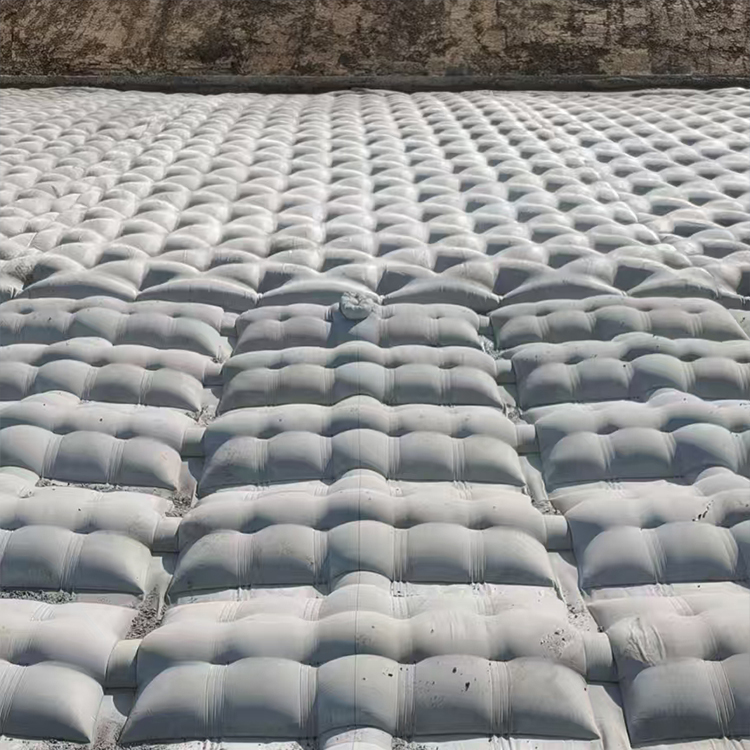
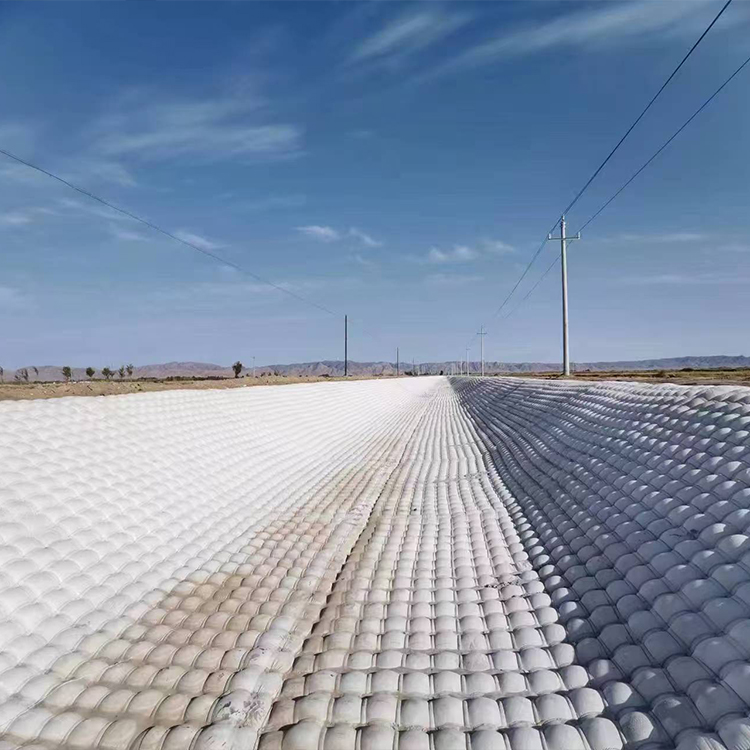
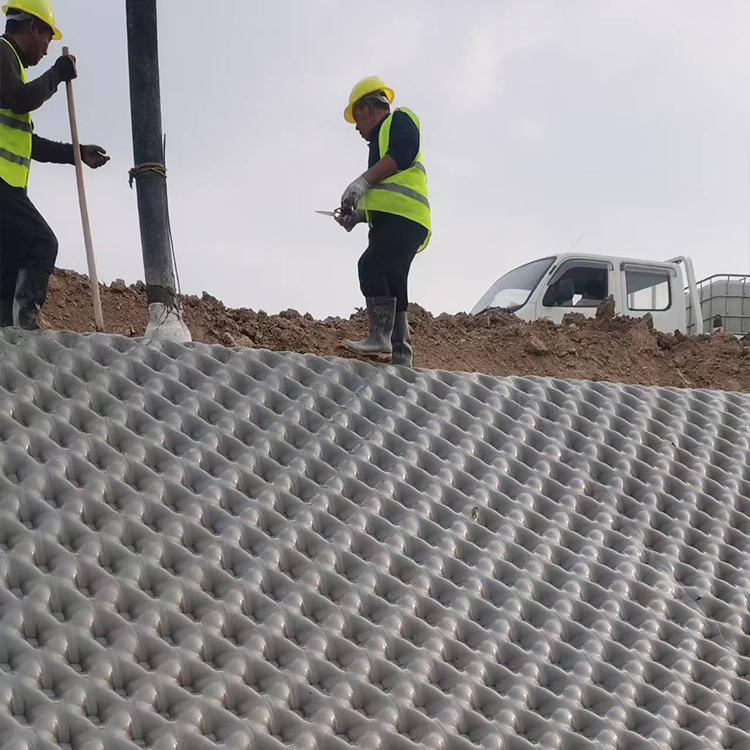







Anyang Slope Protection 3D Vegetation Mesh Manufacturer's Quotation, 3D Vegetation Mesh Price, 3D Vegetation Mesh Quotation, Green 3D Vegetation Mesh
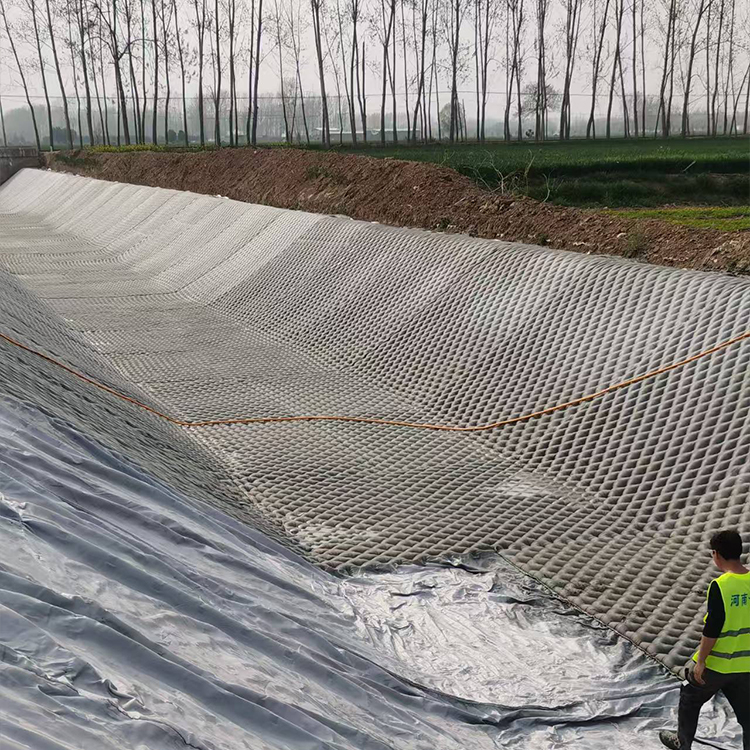
The composite slope protection is effective. When the vegetation coverage on the slope reaches over 30%, it can withstand light rain erosion; at over 80% coverage, it can endure heavy rain erosion. As the plants grow lush, the erosion-resistant flow velocity can reach up to 6m/s, which is more than twice that of ordinary turf.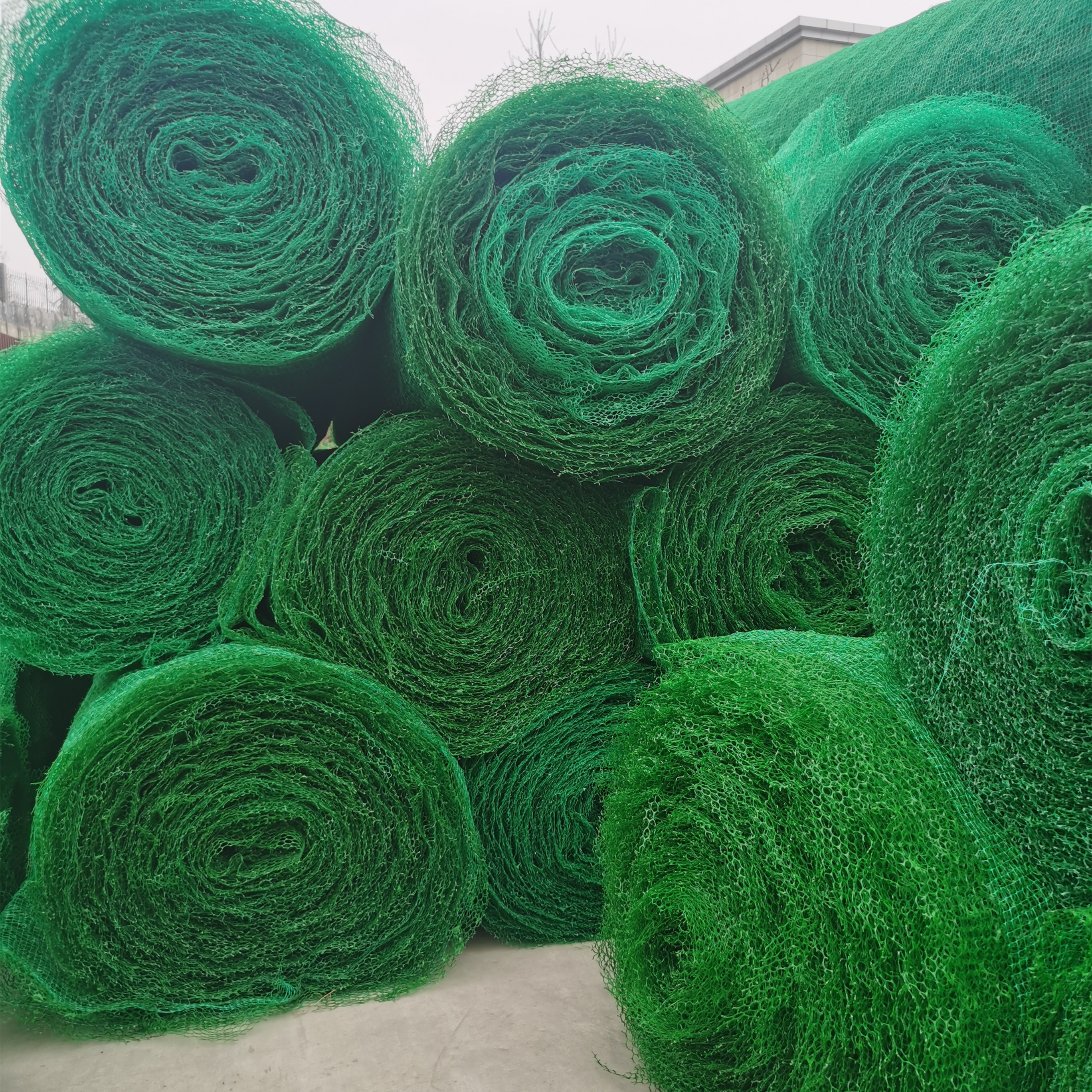 The presence of geotextile nets effectively reduces water evaporation from soil slopes and enhances infiltration. Additionally, due to the black polymeric material of the geotextile, it has a heat-absorbing and insulating effect, which promotes seed germination and facilitates plant growth. It does not serve a protective function. The application of three-dimensional nets, however, achieves a more comprehensive shallow protection by enhancing the effects in these three aspects. Firstly, within a certain thickness range, it increases the protective and mechanical stability properties. Secondly, the large root systems of plants are interconnected with the reinforcing wires of the three-dimensional net, forming a plate-like structure (equivalent to reinforced soil on the slope surface), thereby increasing the tensile and shear strength of the protective layer. This limits the expansion of the "gradual destruction" phenomenon (erosion can directly damage individual plants, with the damaged area increasing over time) and ultimately prevents shallow slope surface sliding and upheaval.
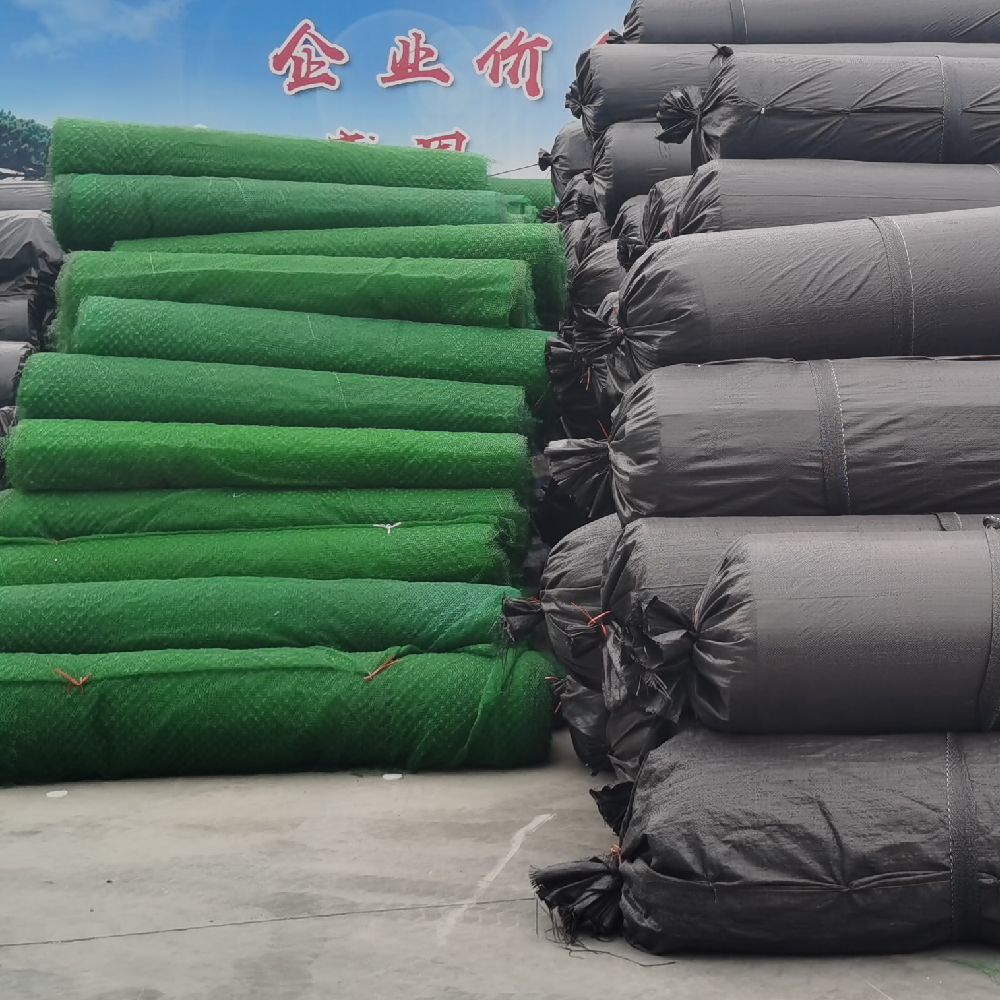 The anti-erosion effect of vegetation is achieved through its three main components: first, the growth layer of plants (including petals, sheaths, leaves, and stems), which prevents the surface soil from being directly eroded by rainwater through its dense coverage, reducing the scouring energy of heavy rain runoff and the speed of surface runoff.
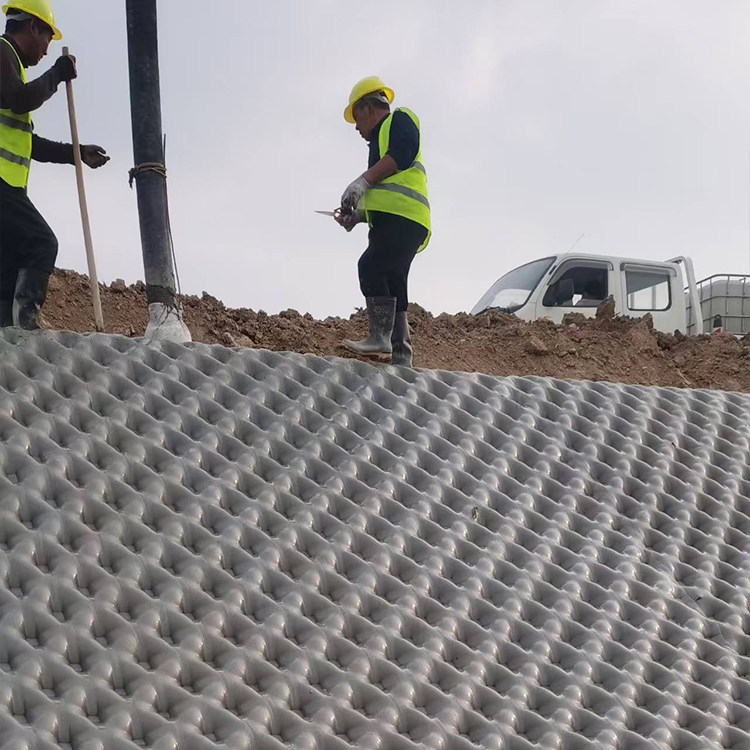
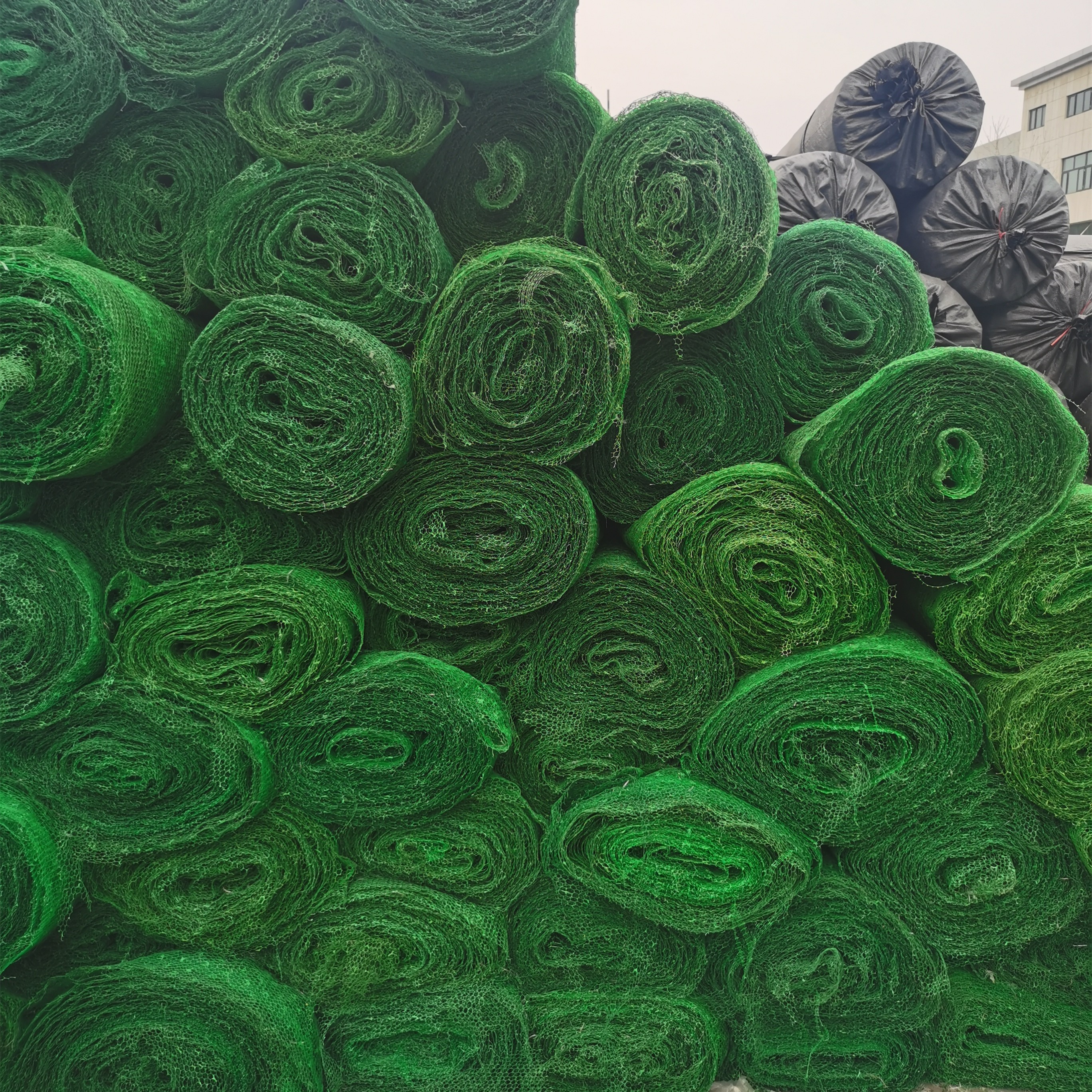 By reducing soil erosion; secondly, the humus layer (including the interface between the leaf litter layer and the root-stem junction) provides a protective layer for the surface soil of the slope; and thirdly, the root zone layer reinforces and anchors the surface soil on the slope, providing mechanical stabilization. Generally, in the early stages of plant growth, as the roots formed by individual plants are loosely intertwined without a long-established root system, they are prone to separation from the soil layer. The 3D vegetation netting slope protection technology combines the advantages of geotextile nets and vegetation slope protection.