










Shijiazhuang crushed stone drainage plastic underdrains price, crushed stone plastic underdrains, drainage plastic underdrains, plastic underdrains price, plastic underdrains manufacturer
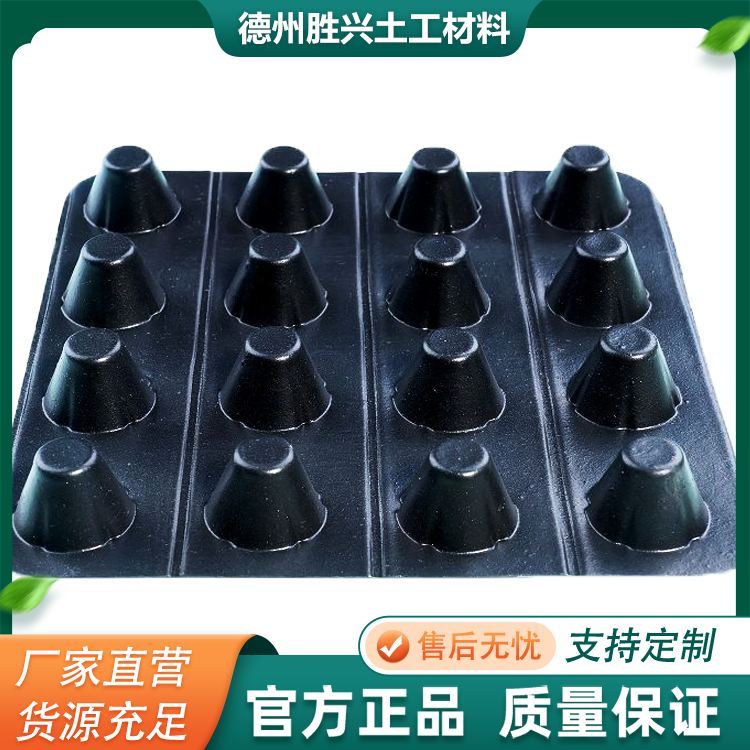
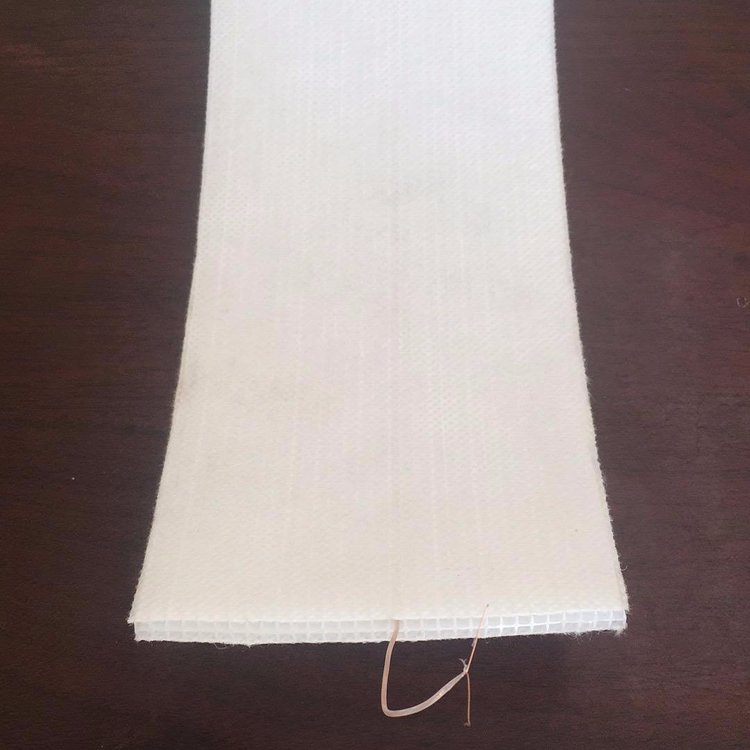
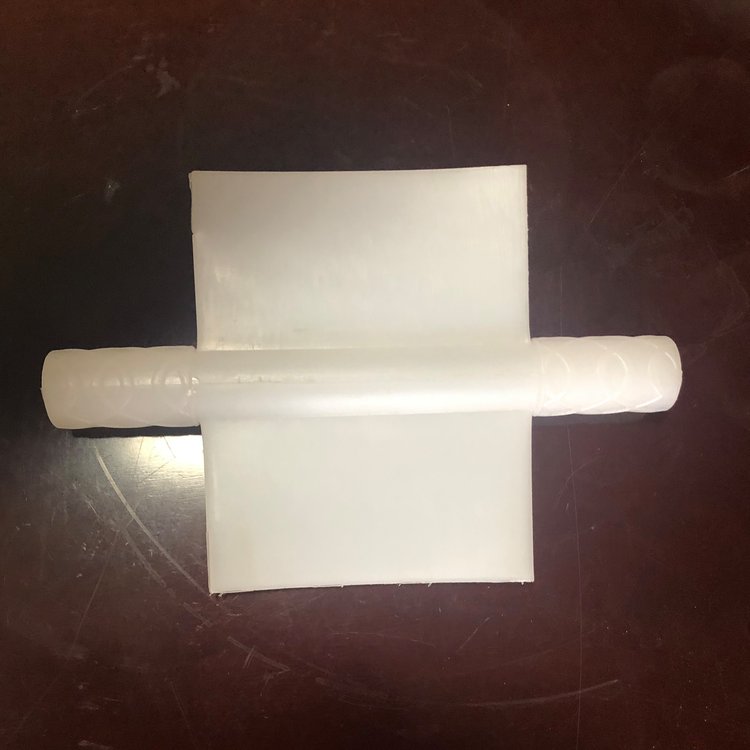
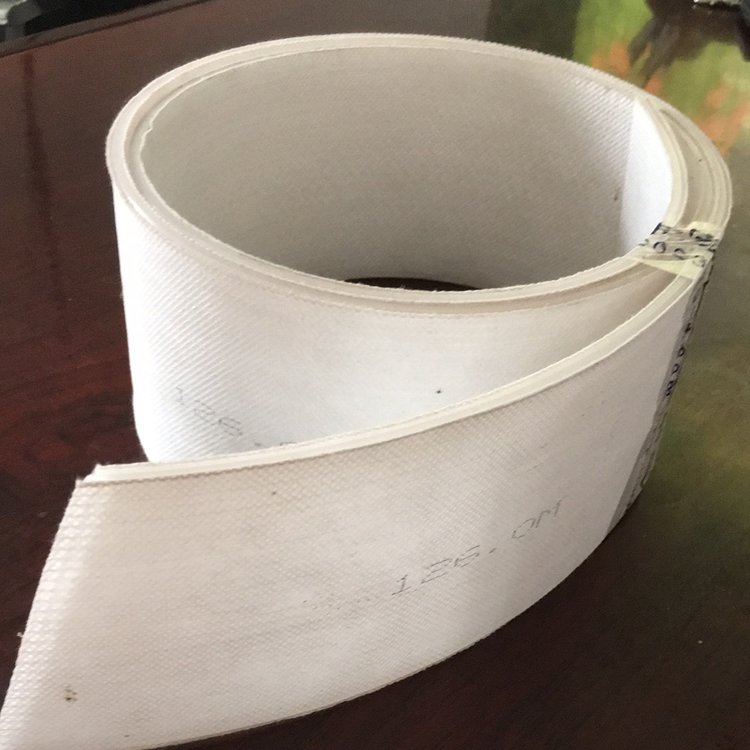
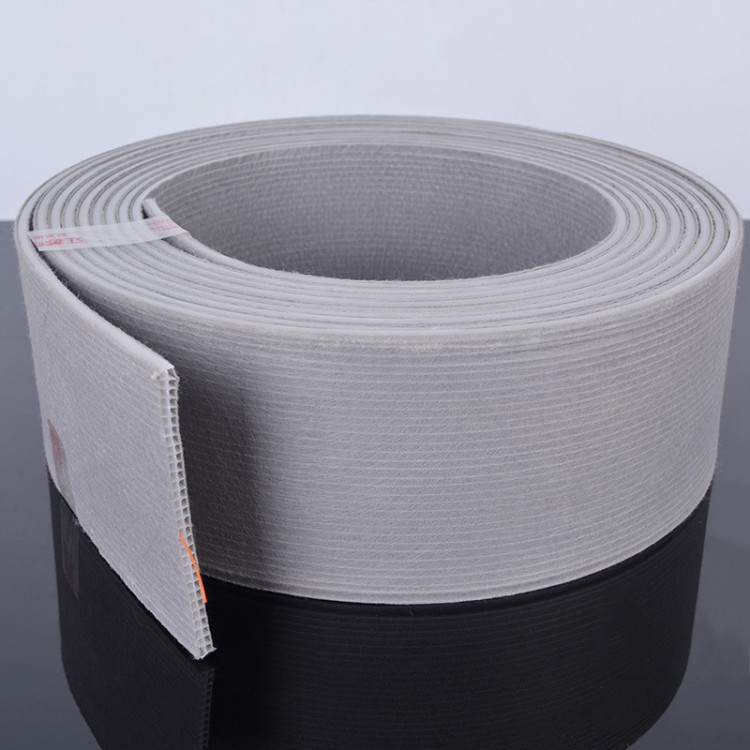
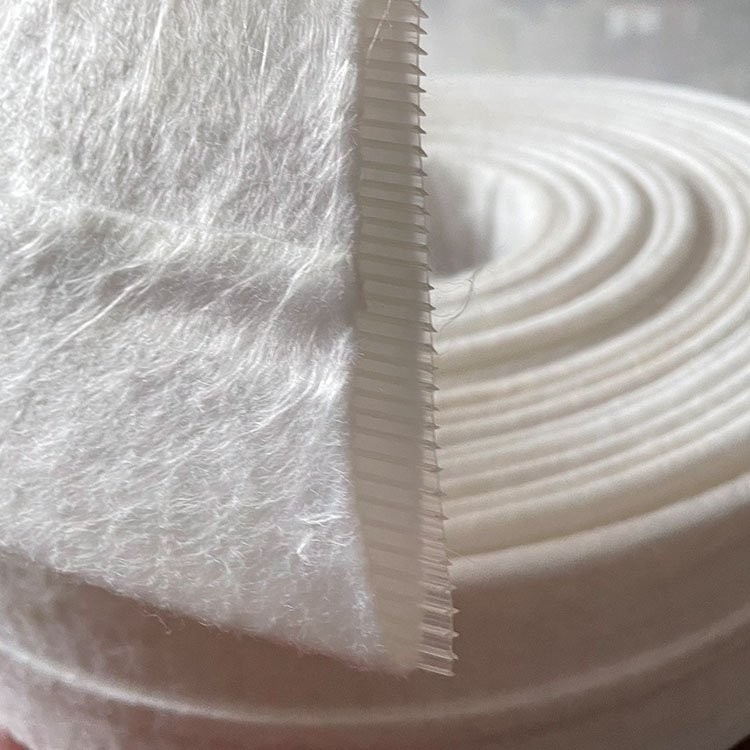
Plastic drainage channels are composed of a plastic core wrapped with a filter fabric assembly. For instance, a circular plastic drainage channel has an outer diameter of 100mm, is single-hole, and is designated as SMY100K. A rectangular plastic drainage channel has a cross-sectional width of 150mm and a thickness of 50mm, is also single-hole, and is designated as SMJ150x50K. The fibers used in the plastic drainage channels are approximately 2mm long threads, which are melted and bonded at their junctions to form a three-dimensional mesh structure. The principle is the same as that of truss structures in steel frame construction. The surface has openings covering 95-97%, which can be addressed with plastic blind channel materials. Since it is formed by thermal melting without the use of adhesives, it will not deteriorate due to adhesive aging or peeling. The plastic core is made primarily from thermoplastic synthetic resin, with an extremely high surface water absorption rate. Due to its three-dimensional structure, the void ratio is 80-95%, making it space-efficient and lightweight, with compressive strength 10 times greater than that of tube structures. Even under overloading, due to its three-dimensional structure, the residual voids are over 50%, eliminating issues with water flow. There is no need to consider being damaged by soil pressure. It has a high compressive strength, with a compression rate of less than 10% under 250KPa pressure. With added anti-aging agents, it is durable and stable even after decades underwater or in soil. It is both compressive and flexible, allowing construction in curves and bends, and is very lightweight. If the backfill depth is around 10cm, it can even be backfilled with a bulldozer. Due to these characteristics, it addresses various issues with traditional blind channels, such as uneven settlement, partial blockage due to overloading, and complete loss of voids leading to functional failure. After modification, in the thermal melting state, fine plastic filaments are extruded through nozzles and then fused at nodes by the molding device to form a three-dimensional mesh structure. The plastic core comes in rectangular shapes.
 Hollow matrix, circular hollow circular, and various other structural forms. This material overcomes the shortcomings of traditional blind channels, featuring high surface opening rate, good water collection, large void ratio, excellent drainage, strong compressive resistance, good pressure resistance, good flexibility, adaptability to soil deformation, good durability, light weight, easy construction, significantly reduced labor intensity for workers, and high construction efficiency, hence it is widely welcomed by engineering departments and extensively applied. The naming of plastic drainage blind channels is divided into four parts: the first part is the code SM; the second part is the shape of the blind channel, Y for circular and J for rectangular; the third part is the outer dimensions of the blind channel, indicating the outer diameter (mm) of the core for circular shapes, or the cross-sectional dimensions (width x thickness, mm) for rectangular shapes; the fourth part indicates the structure of the product, with K indicating the product is hollow (single hole), and D indicating it is porous, with the number before D representing the number of holes. It is more than five times the hole tube and 3-4 times the resin mesh tube.