








Xingtai Bidirectional Plastic Geogrid Manufacturer Price, Bidirectional Plastic Grid Price, Plastic Geogrid Quotation
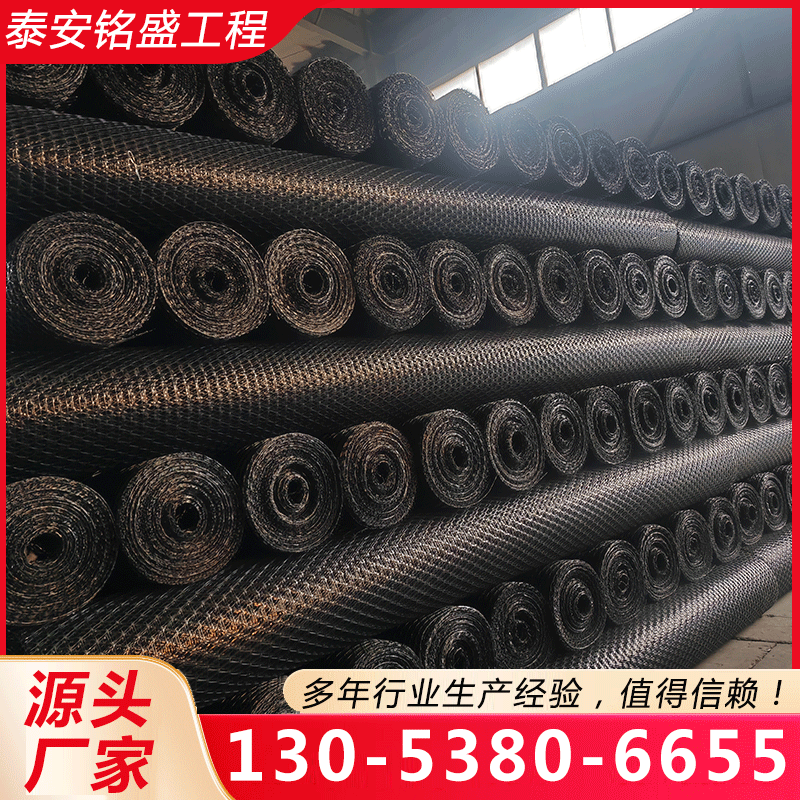
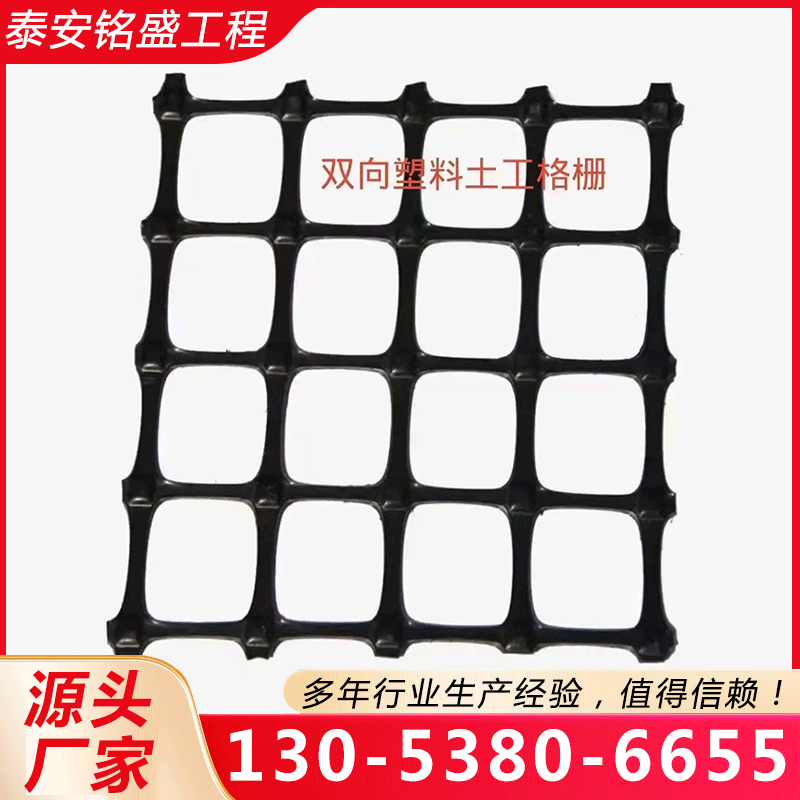
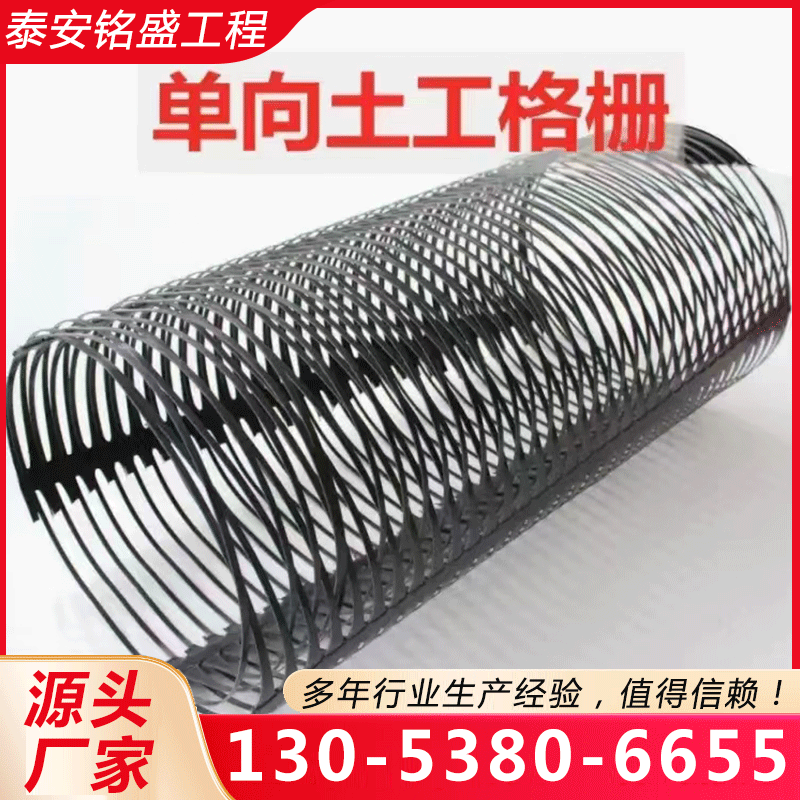
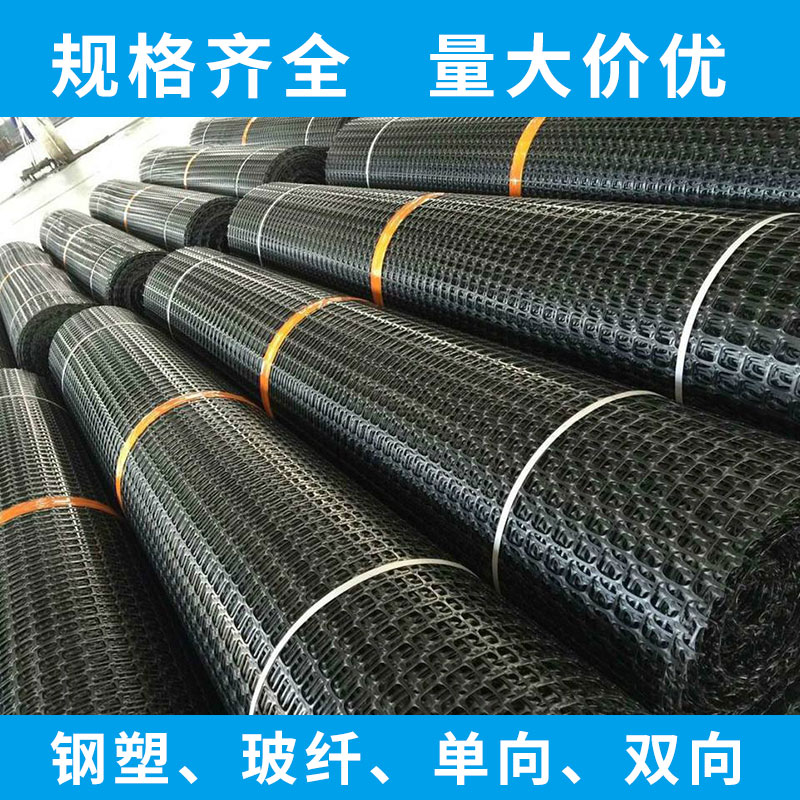
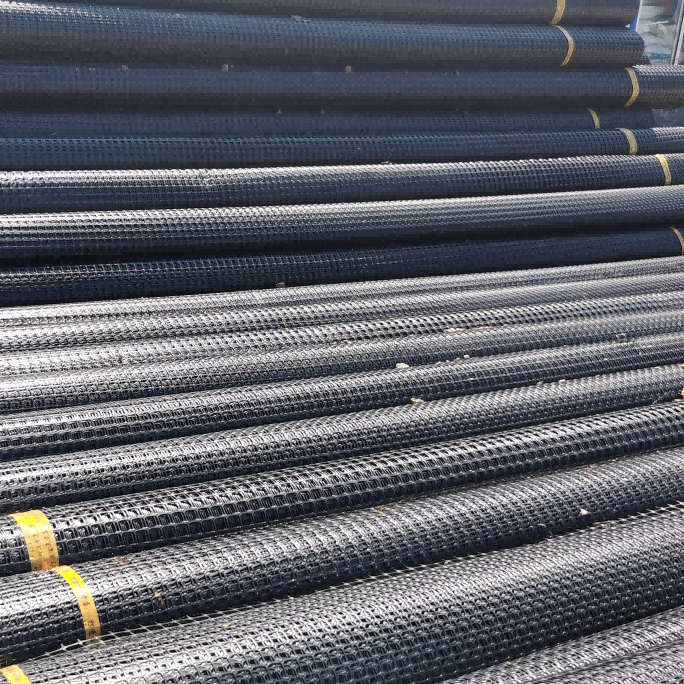
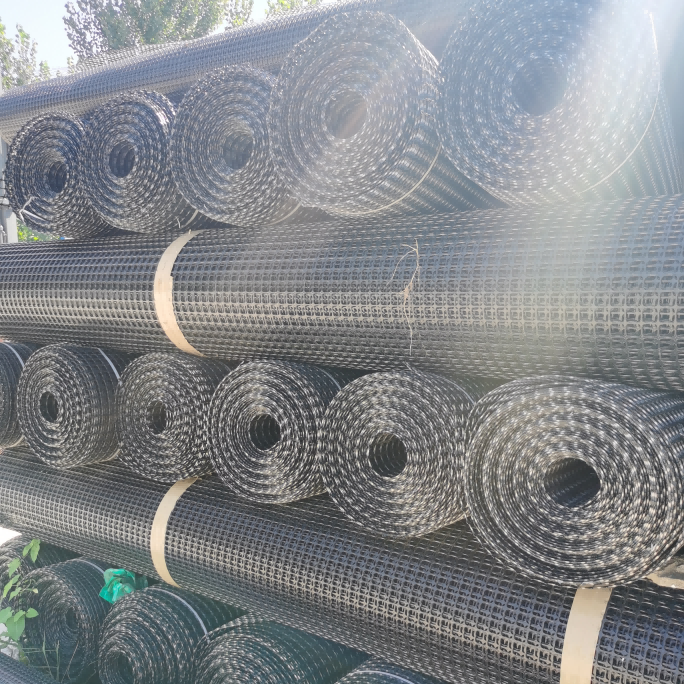
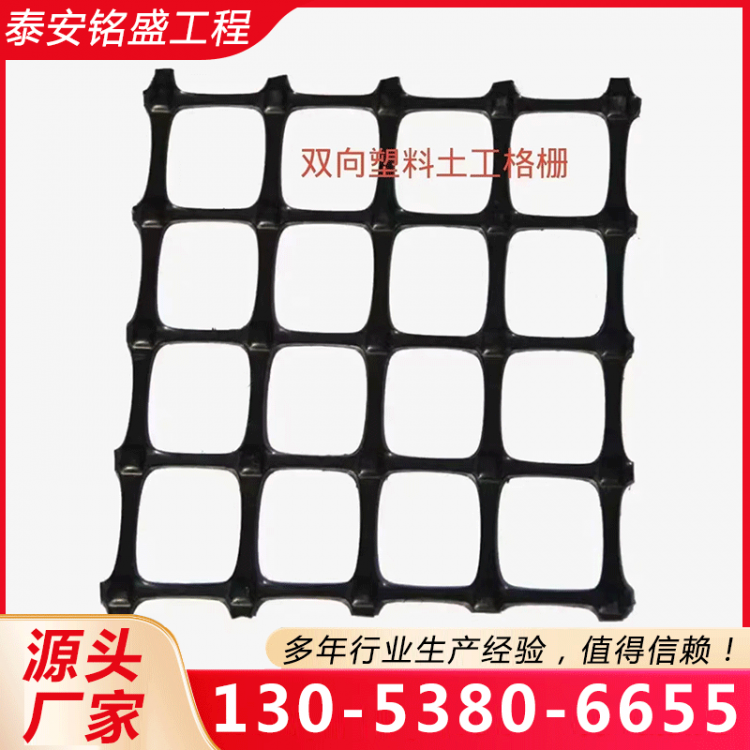
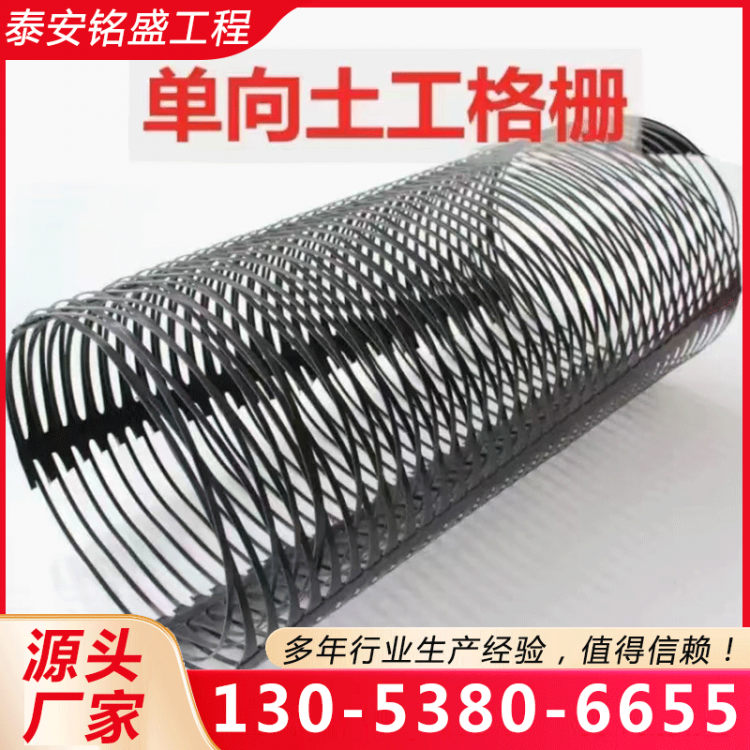
Plastic geogrids are polymer meshes with square or rectangular shapes formed through stretching, which can be either unidirectional or bidirectional depending on the stretching direction during manufacturing. They are produced by punching holes in polymer sheets (usually made of polypropylene or high-density polypropylene) that have been extruded, then stretched in a directional manner under heat. Unidirectional geogrids are stretched only along the length of the sheet, while bidirectional geogrids are further stretched perpendicular to their length. The plastic geogrids are strengthened by the reorientation of polymer macromolecules during the heating and stretching process, enhancing the intermolecular bonding and thus increasing their strength.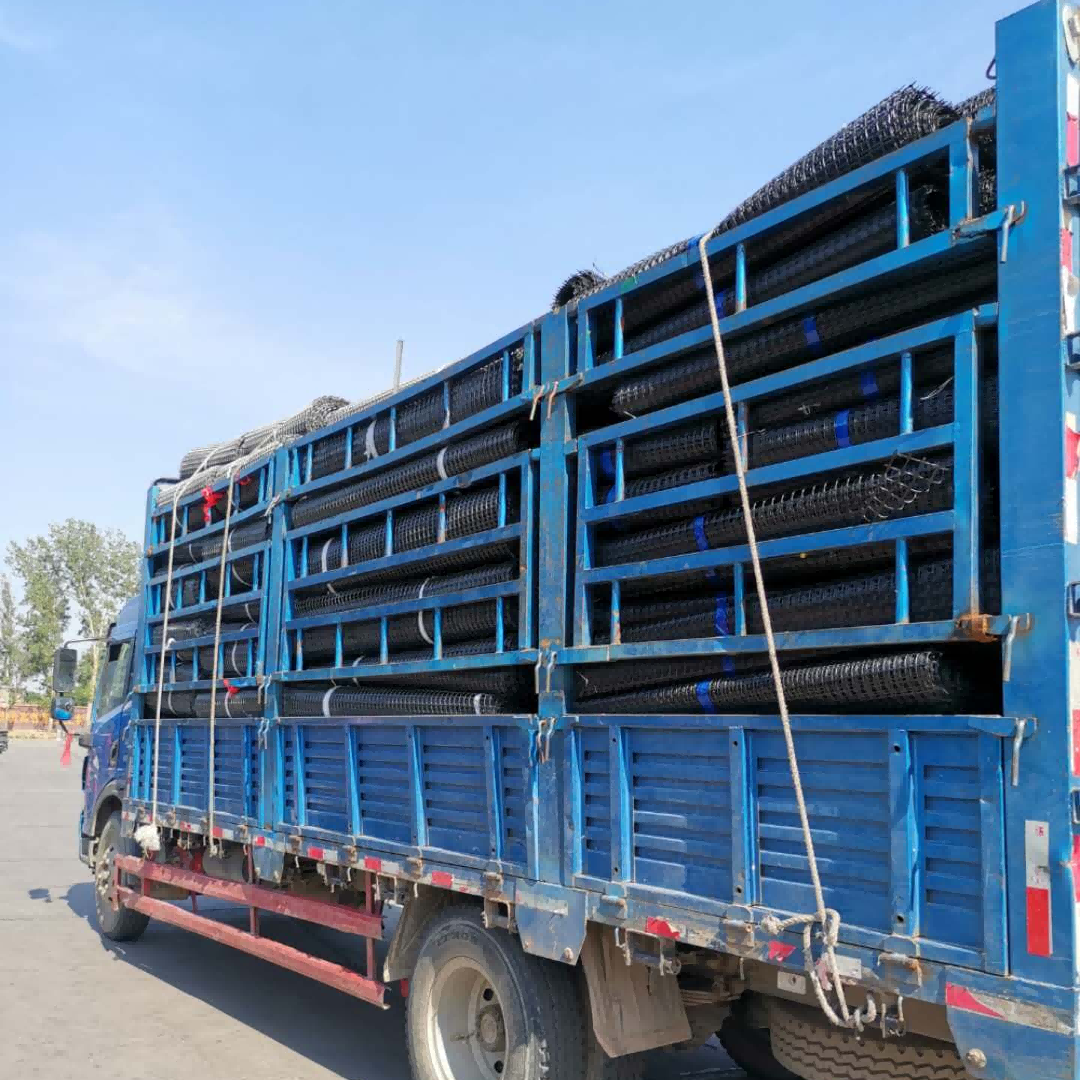 Its elongation rate is only 10% to 15% of the original material. By adding carbon black and other anti-aging materials to geogrid, it can achieve good acid, alkali, corrosion, and anti-aging resistance. Bi-directional Geogrid: The bi-directional geogrid is made by extrusion, sheet formation, and perforation, followed by longitudinal and transverse stretching. This material has high tensile strength in both directions, providing an ideal force-bearing and diffusion连锁 system in soil, suitable for large-area load-bearing foundations. Single-direction Geogrid: The single-direction geogrid is formed by extruding a high molecular polymer into a thin plate, then punching regular holes, and finally stretching it longitudinally. This process aligns the high molecular polymer into a directional linear state, forming a uniform, high-node-strength long elliptical mesh structure. This structure has high tensile strength and modulus, especially our products have ultra-international-level early tensile strength and modulus (elongation rate of 2% to 5%). It provides an ideal force-bearing and diffusion连锁 system for soil.
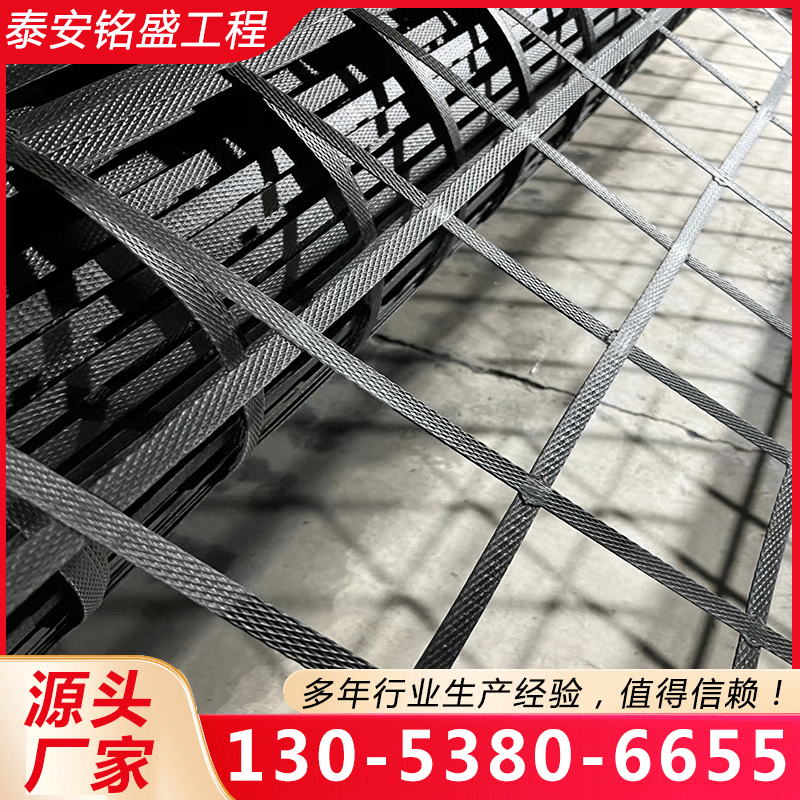
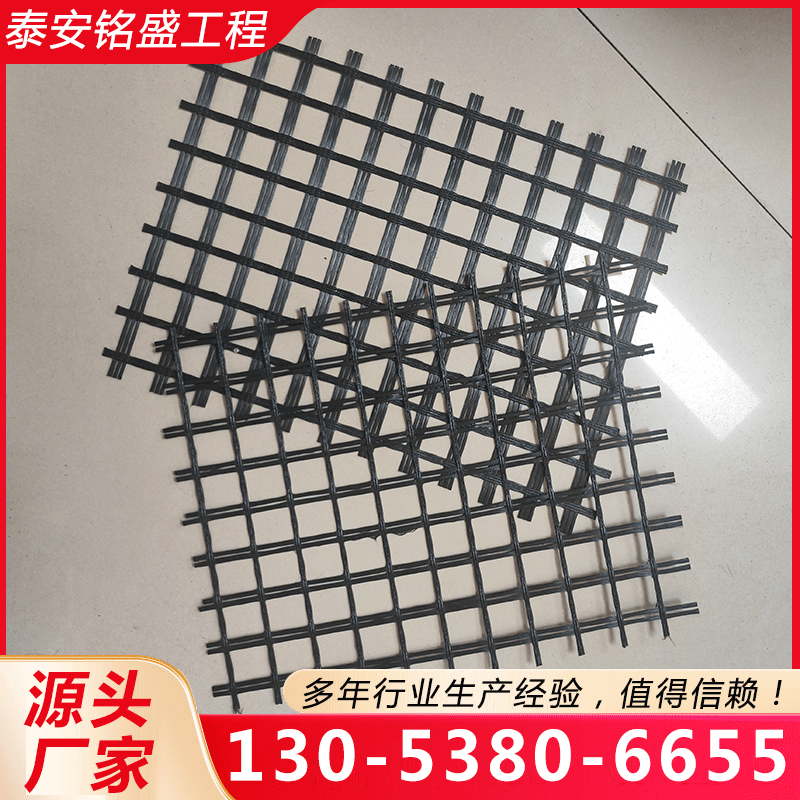
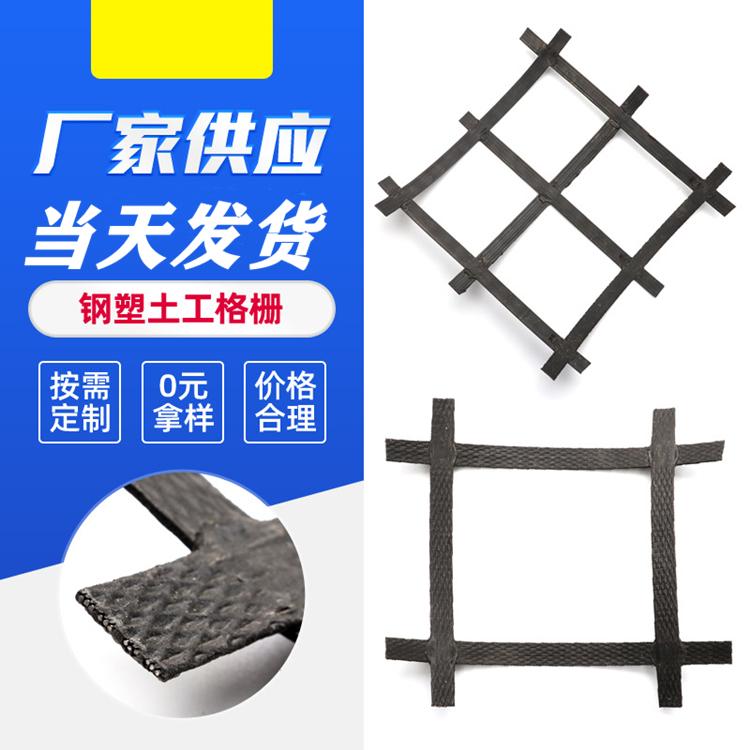
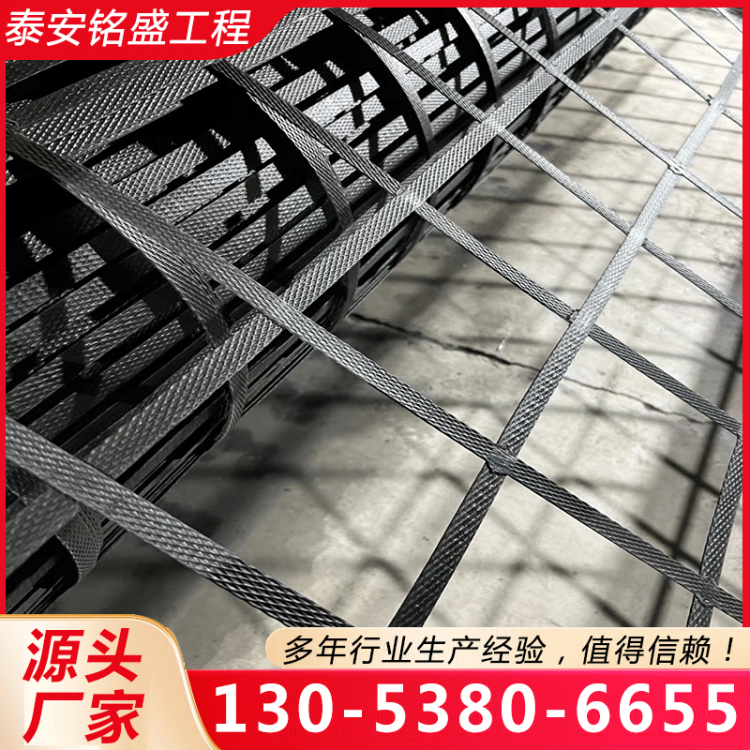
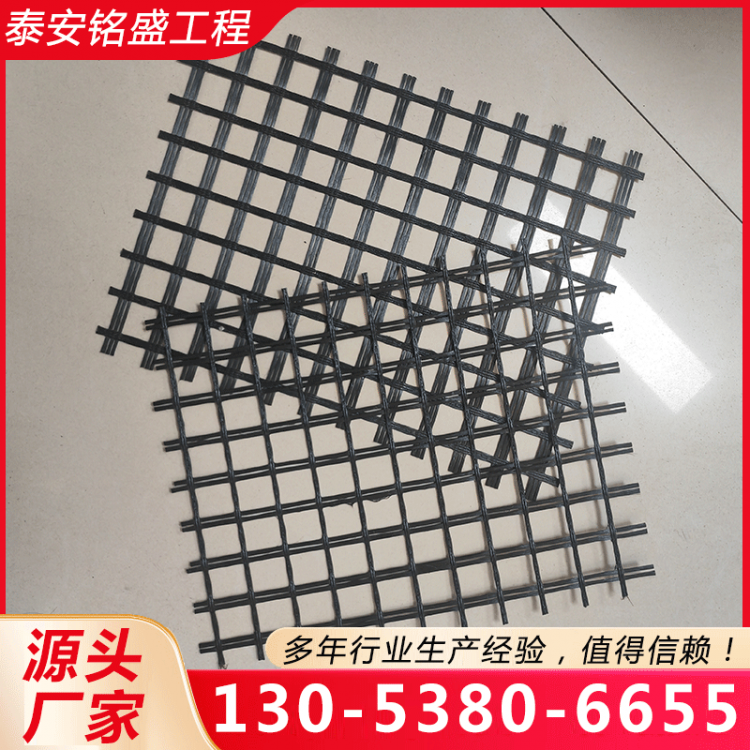
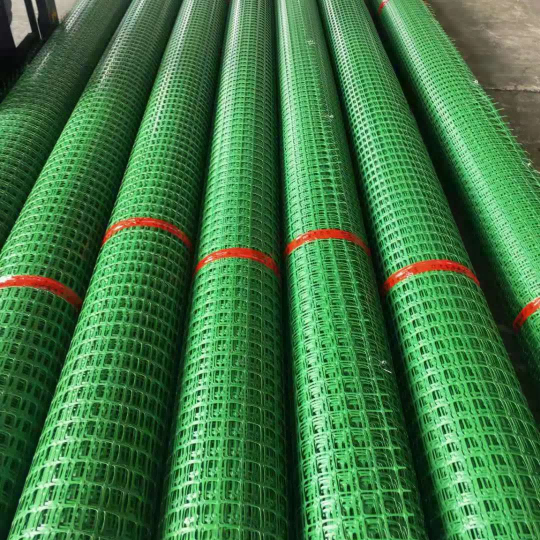 This product boasts high tensile strength (>150Mpa), is adaptable to various soils, and utilizes reinforced reinforcement materials. The steel-plastic geogrid is made of high-strength steel wire (or other fibers), specially treated, combined with polyethylene (PE), and with the addition of other additives, extruded into a composite high-tensile tensile strip, featuring a rough embossed surface, which is classified as a high-tensile reinforced geogrid. By weaving or interlacing these strips longitudinally and laterally at specific intervals and welding their junction points using special reinforced adhesive fusion technology, the reinforced geogrid is formed. The glass fiber geogrid is a mesh-like structural material made from glass fiber, manufactured using certain weaving techniques. To protect the glass fiber and enhance overall performance, it undergoes a special coating and treatment process, resulting in a geosynthetic composite material. The main component of glass fiber is silicon dioxide, an inorganic material with extremely stable physical and chemical properties. It boasts high strength, high modulus, excellent wear resistance, and superior cold resistance, with no long-term creep.
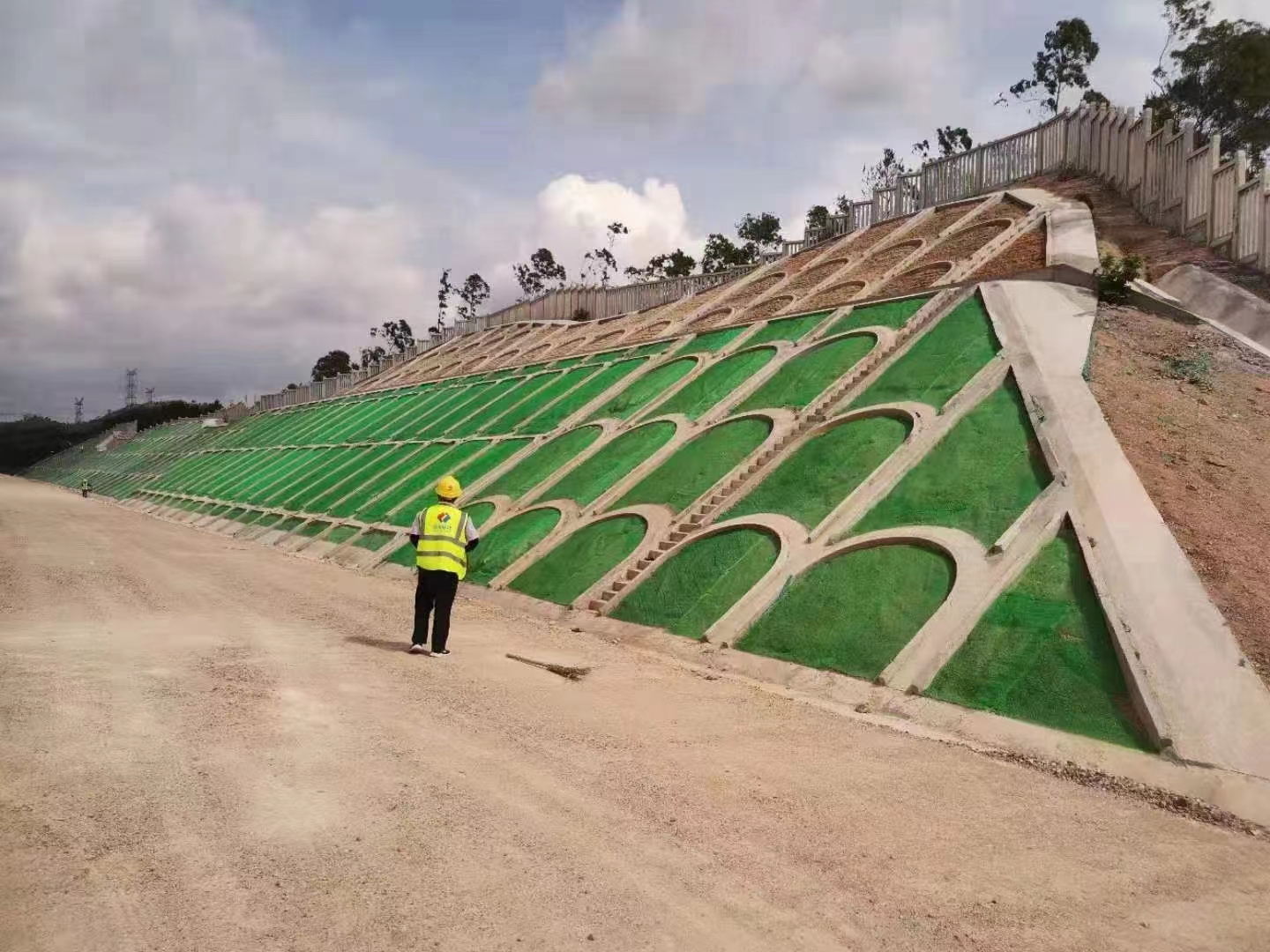
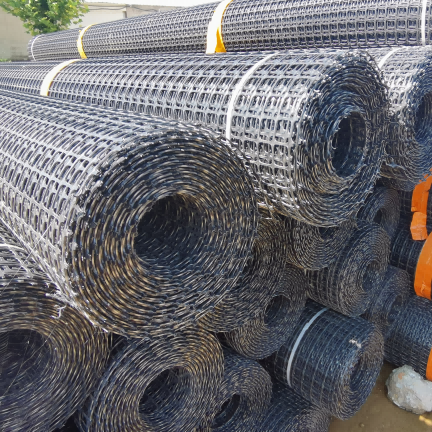 Excellent thermal stability; reticulated structure enhances aggregate interlocking and restraint; improves the load-bearing capacity of asphalt mixtures. The special modified asphalt coating on the surface provides dual composite properties, significantly enhancing the wear resistance and shear strength of geogrids. Sometimes, combined with self-adhesive pressure-sensitive adhesive and surface asphalt impregnation, the geogrid and asphalt pavement are tightly integrated into one. Due to the increased interlocking force between soil and aggregate within the geogrid mesh, the friction coefficient between them is significantly higher (up to 0.8-1.0), and the pull-out resistance of the geogrid embedded in the soil is significantly increased due to the strong frictional咬合力 between the geogrid and soil mass. Therefore, it is an excellent reinforcing material. At the same time, geogrid is a lightweight, flexible plastic plane mesh with certain flexibility, easy to cut and connect on-site, and can also be overlapped. Construction is simple and does not require special construction equipment or technicians. Geogrid is a main type of geosynthetic material, which, compared to other geosynthetic materials, has unique properties and functions. Geogrid is commonly used as reinforcing material for reinforced earth structures or composite materials. Geogrids are divided into four main categories: plastic geogrid, steel-plastic geogrid, glass fiber geogrid, and glass fiber polyester geogrid.