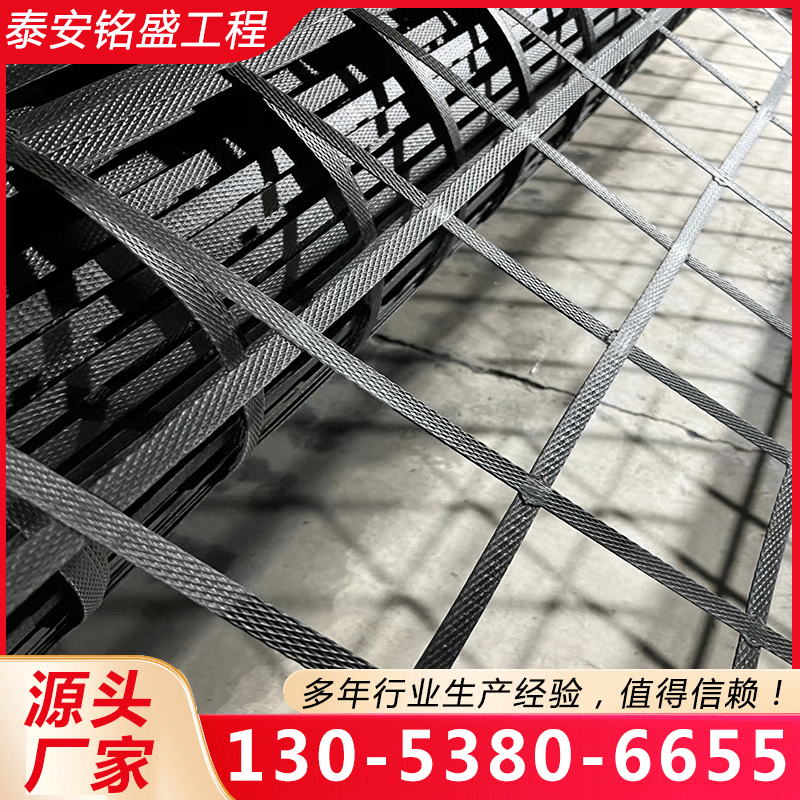







Kaifeng Asphalt Glass Fiber Mesh Manufacturer's Quotation, Asphalt Glass Fiber Mesh Price, Glass Fiber Mesh Cost
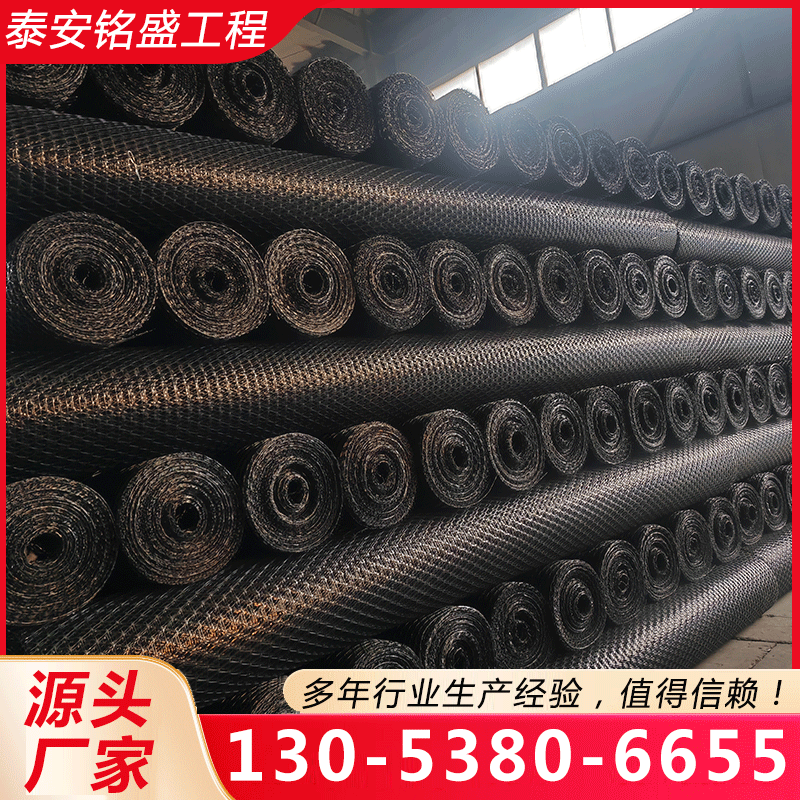
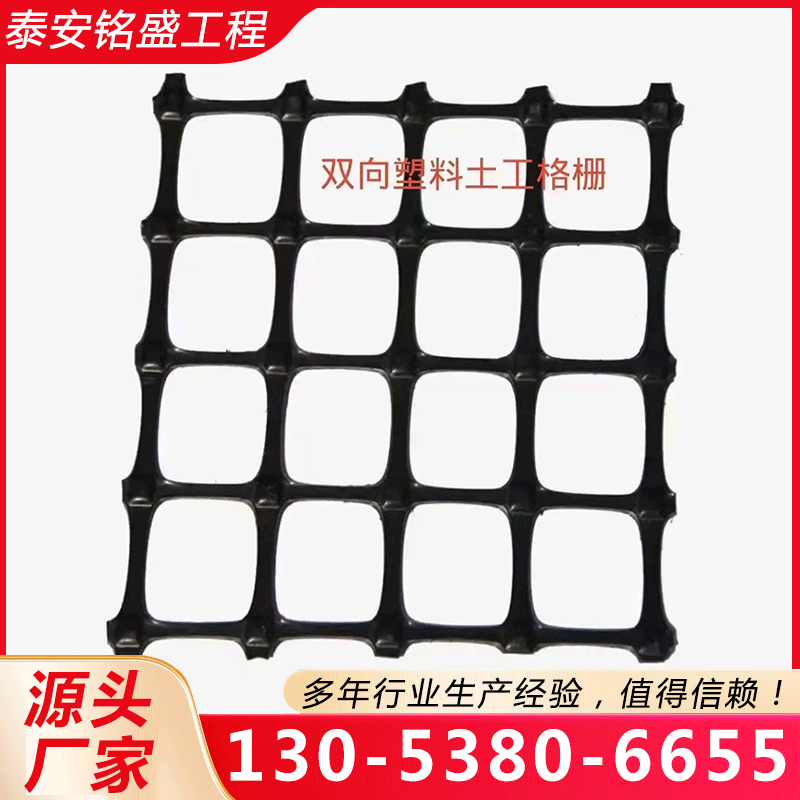
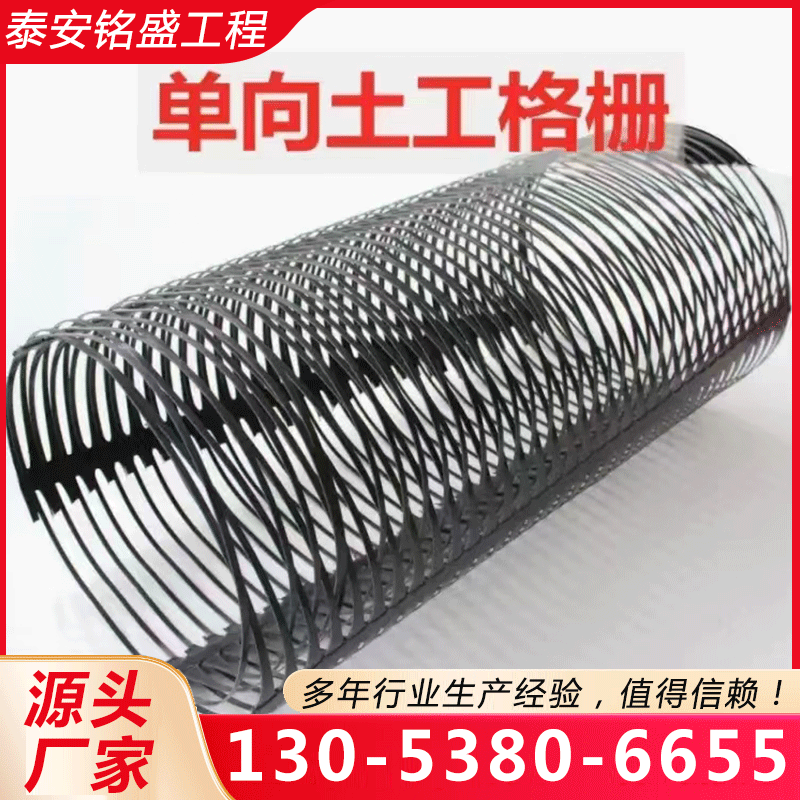
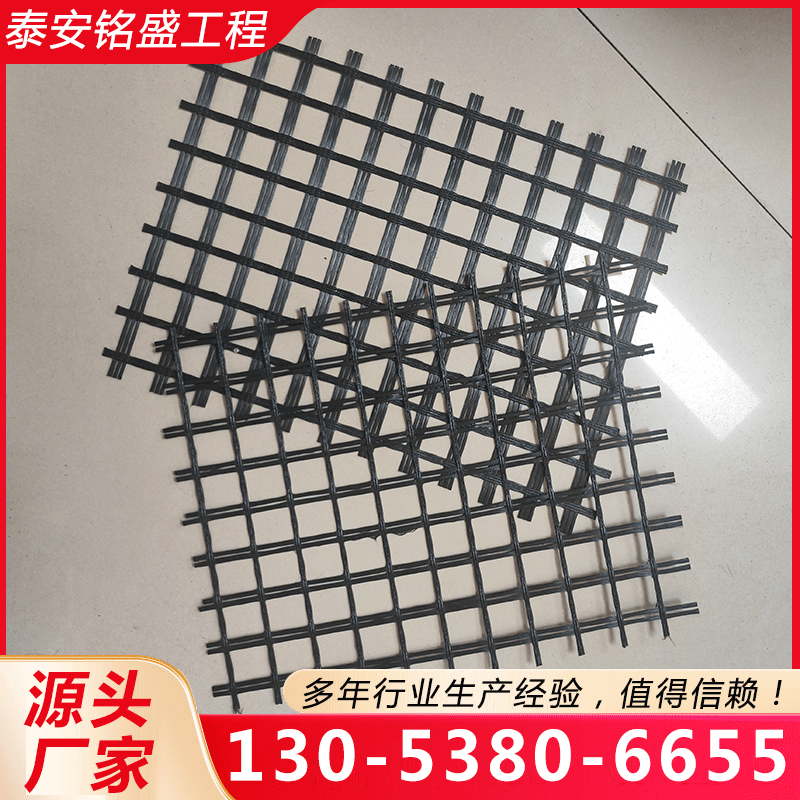
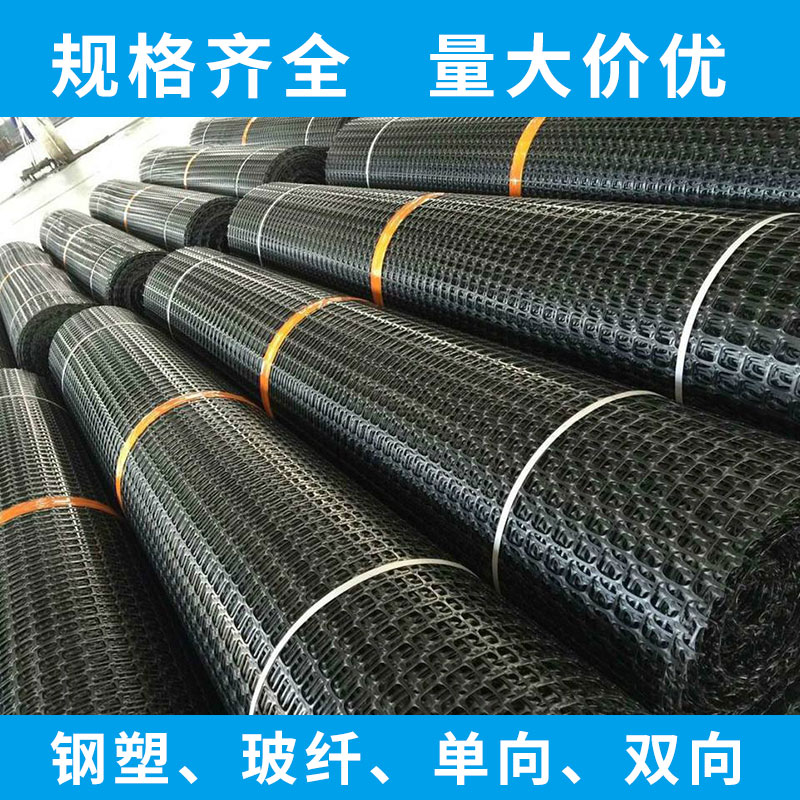
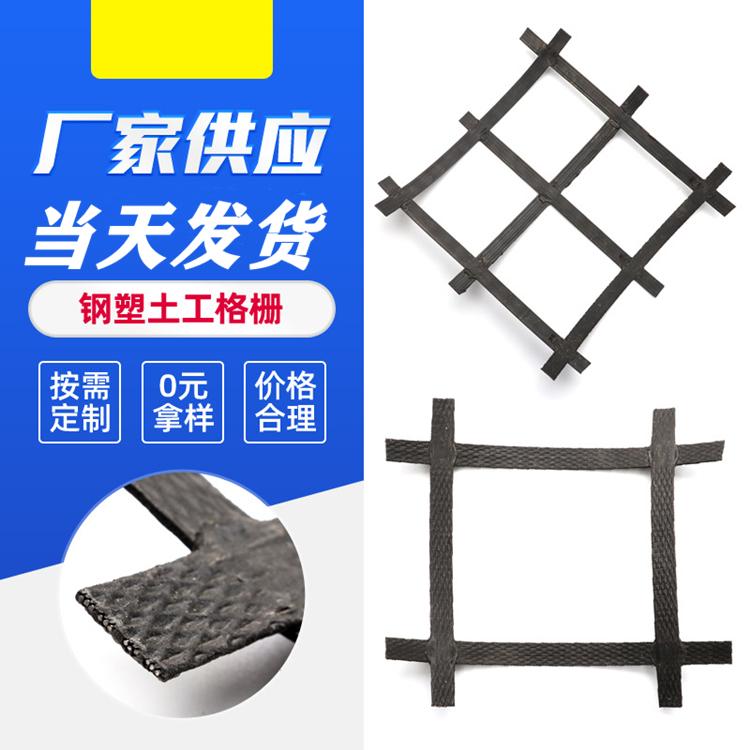
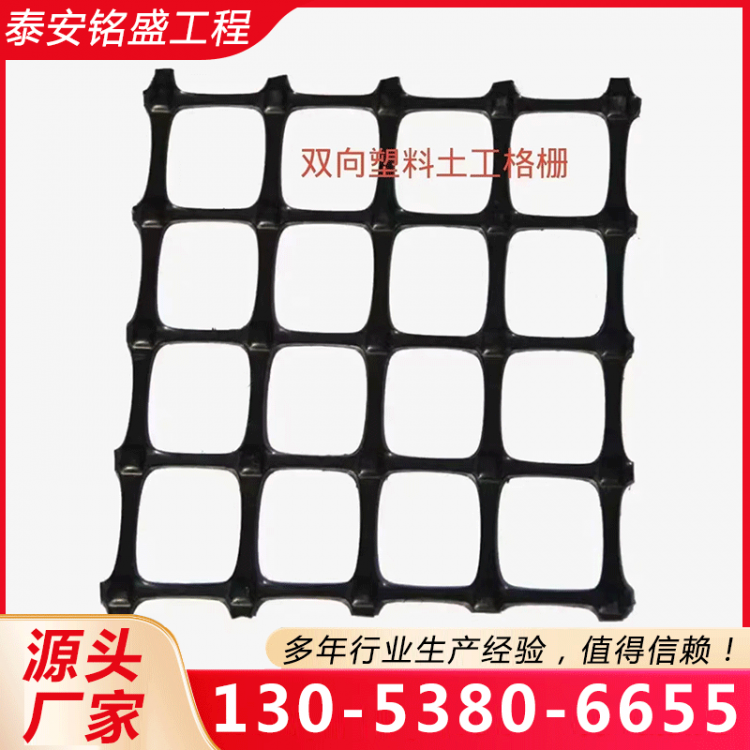
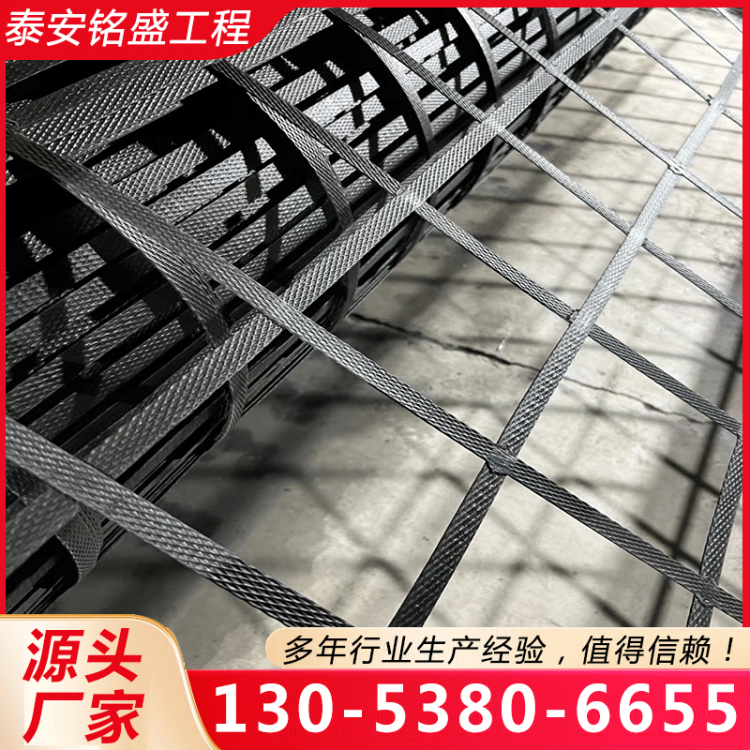
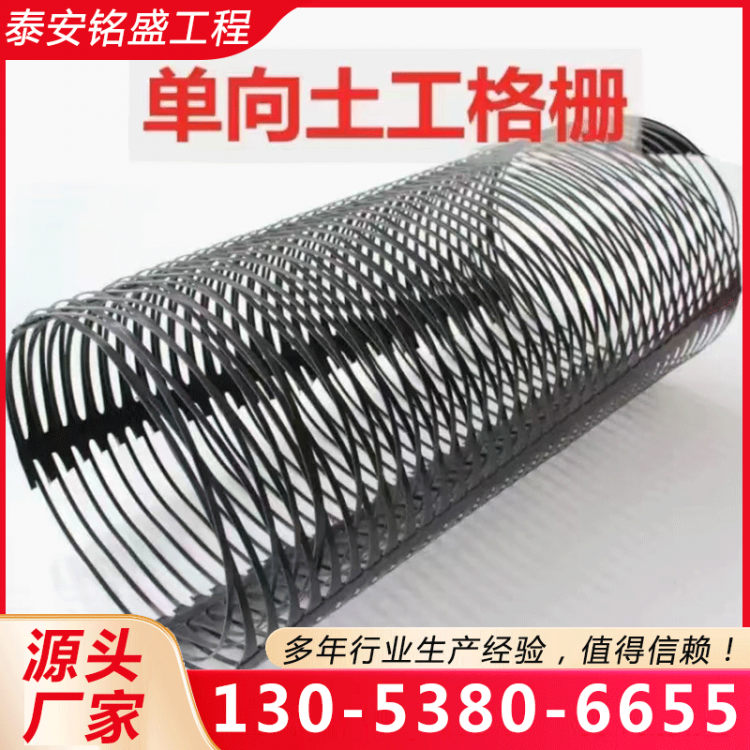
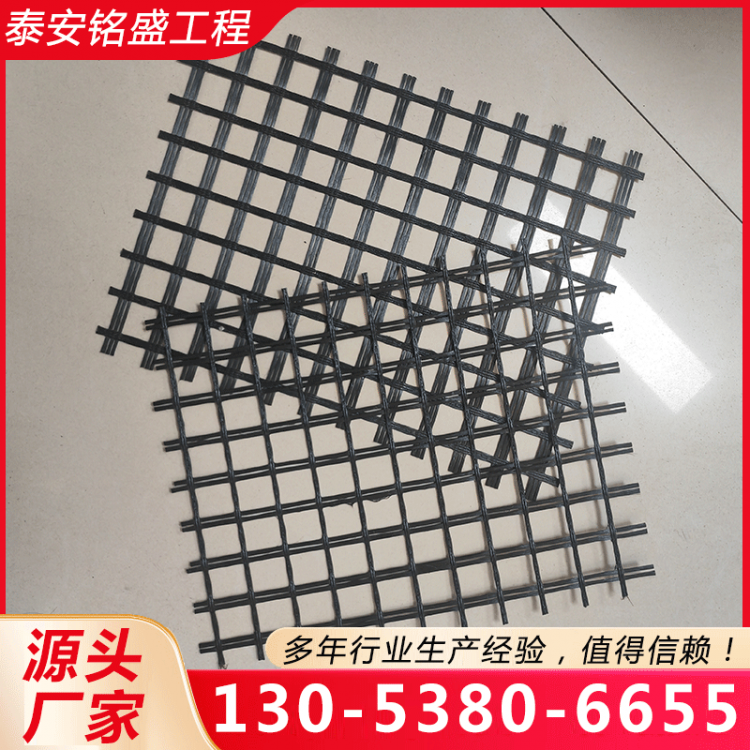
Polymer mesh materials with square or rectangular shapes, formed by stretching, can be either unidirectional or bidirectional stretching depending on the stretching direction during manufacturing. Compared to geotextile mesh and metal woven mesh, plastic woven mesh is lighter in weight, stronger in tensile strength, and exhibits isotropy. Coal mine geogrid, also known as bidirectional stretched plastic mesh false ceiling for underground coal mines, commonly referred to as false ceiling mesh. It is produced by punching holes in polymer sheets (mainly made of polypropylene or high-density polypropylene) that have been extruded and then stretched in a directional manner under heat conditions. Unidirectional stretched grids are made by stretching only along the length of the sheets.
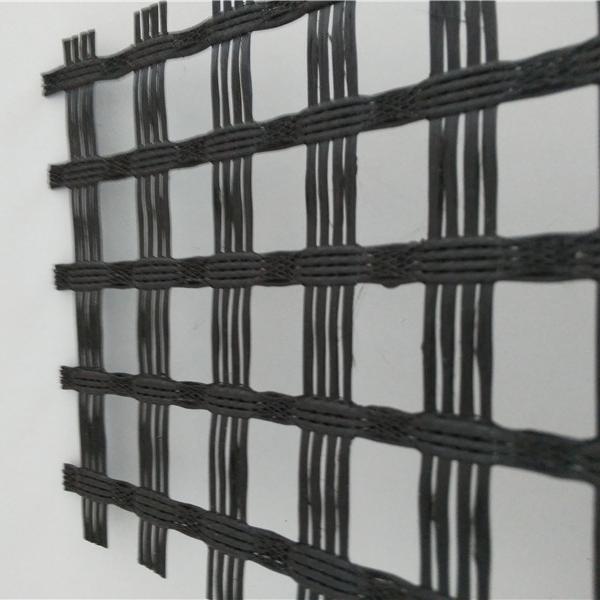 Bi-directional stretched mesh is produced by further stretching the unidirectional stretched mesh perpendicular to its length. Mining geotextile mesh is specially designed and manufactured for the support of false ceiling in underground coal mine recovery faces and for the support of tunnel sides, and is made by using several high molecular polymer resins and adding other modifiers, through processes such as heating, extrusion, shaping, punching, stretching, shaping, and coiling.
 Anti-static, non-corrosive, and flame-retardant, this is a new type of mesh grillage material for underground coal mine support engineering and civil engineering. Due to the polymer's high molecular reorientation during the heating and extension process in the manufacturing of plastic geogrids, the intermolecular chain bonding is strengthened, achieving the purpose of enhancing its strength. Its elongation rate is only 10% to 15% of the original sheet material. Adding carbon black or other anti-aging materials to the geogrid can provide it with excellent acid, alkali, corrosion, and anti-aging resistance.