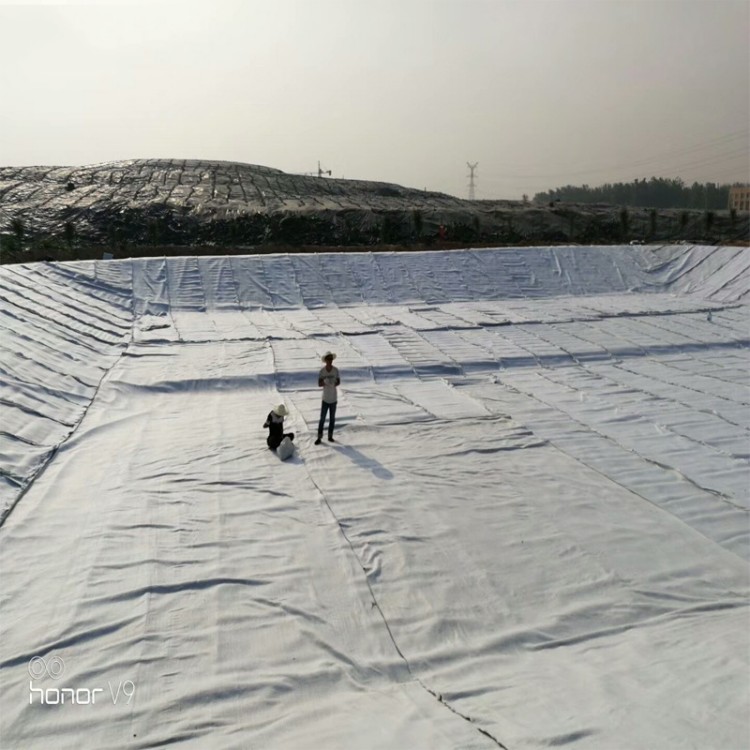









Jincheng Greening Plastic Drainage Board, Garage Drainage Board, Geotextile Drainage Board, Greening Drainage Board, Garden Drainage Board
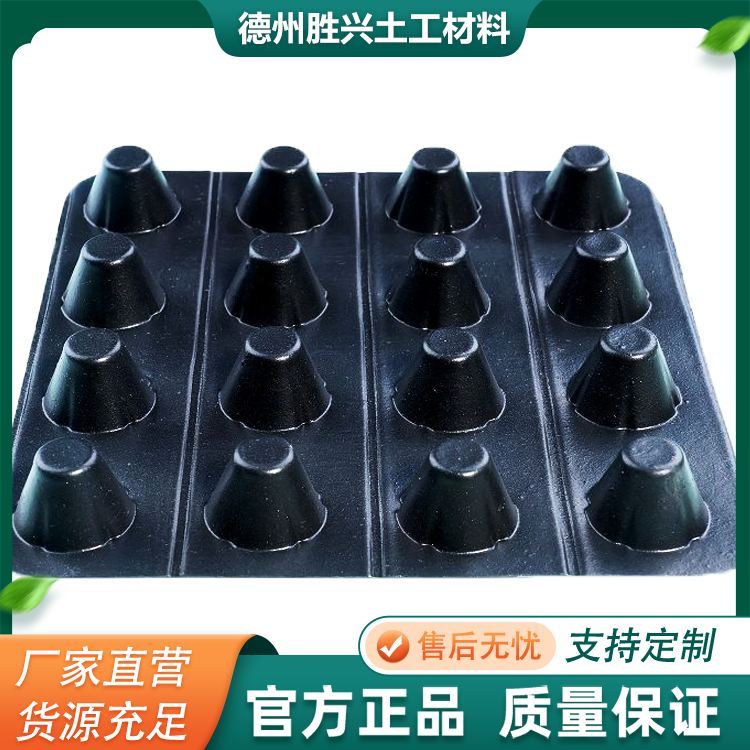
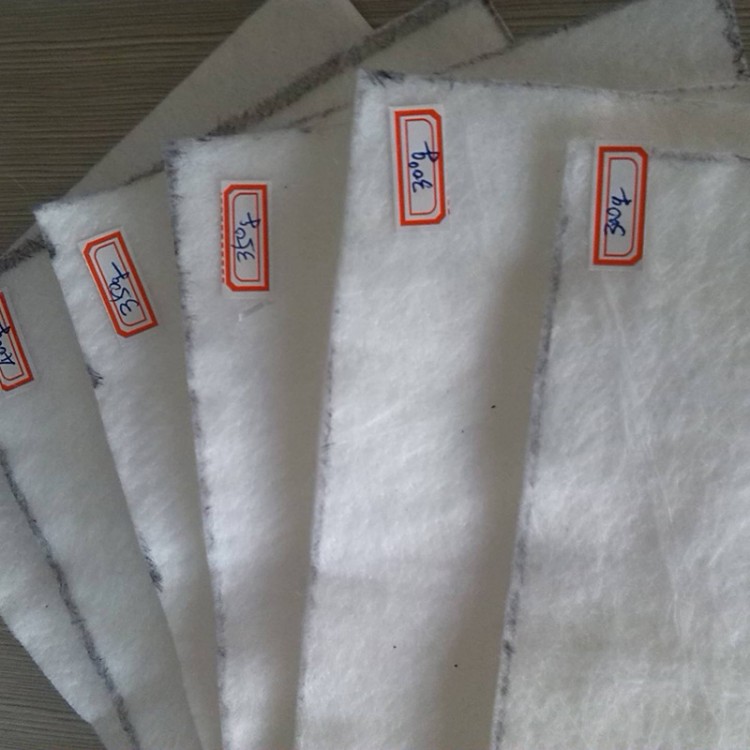
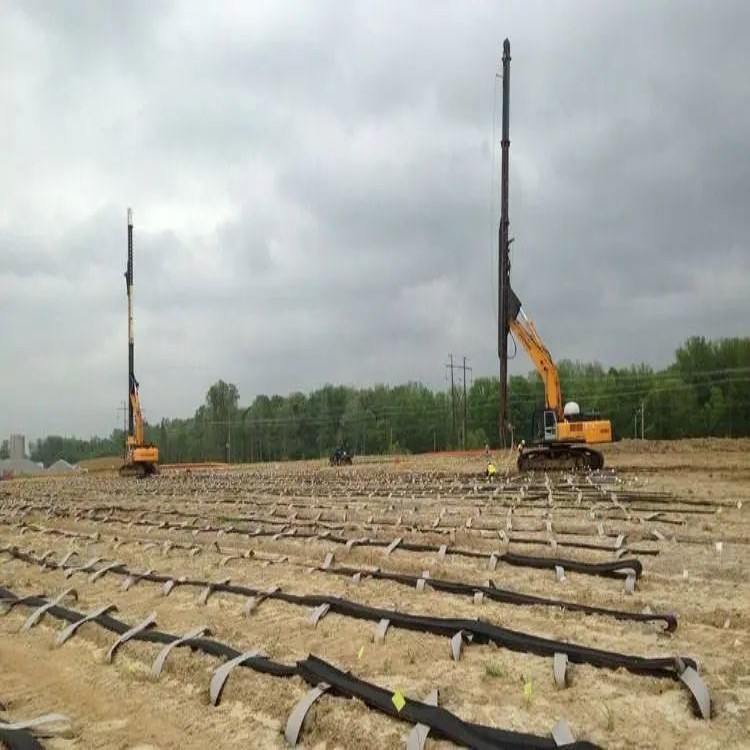
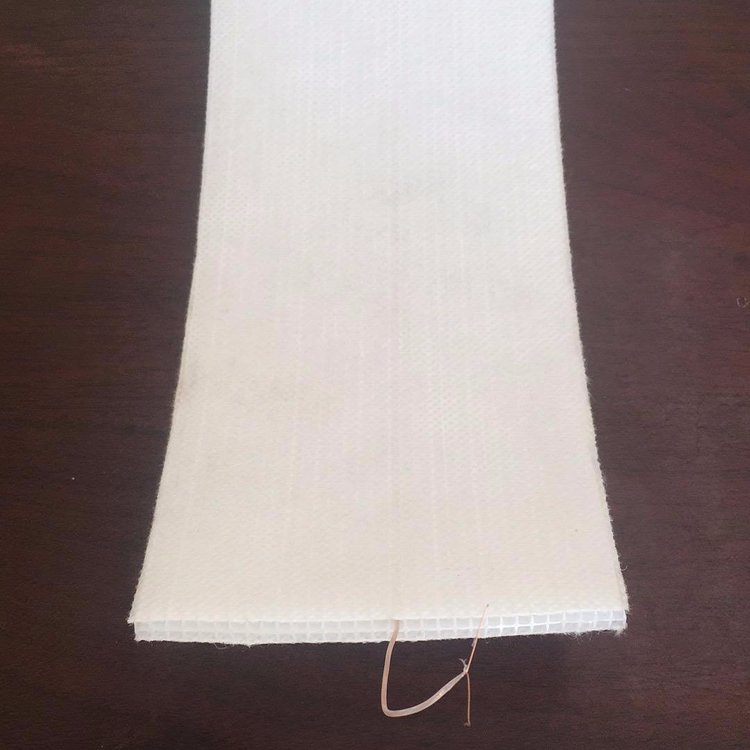
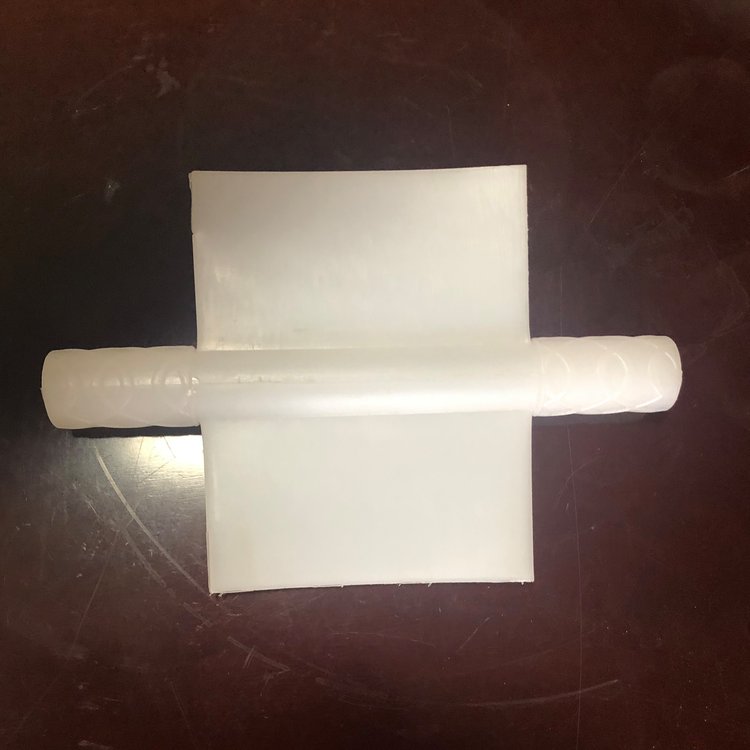
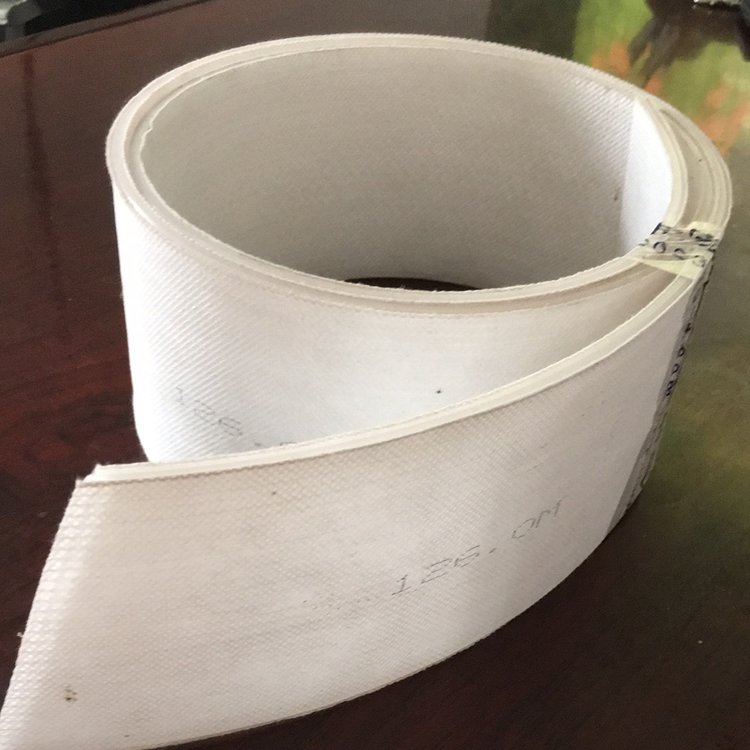
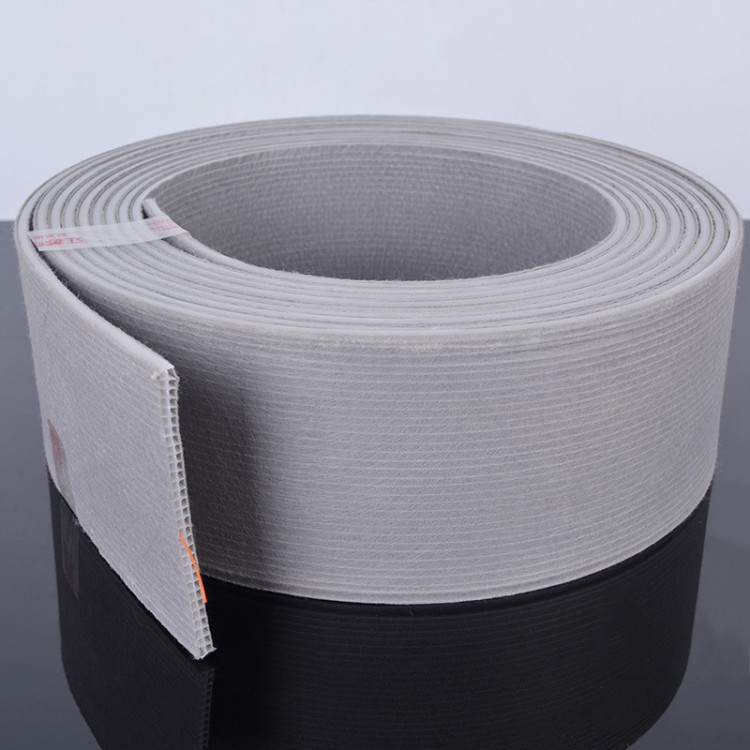
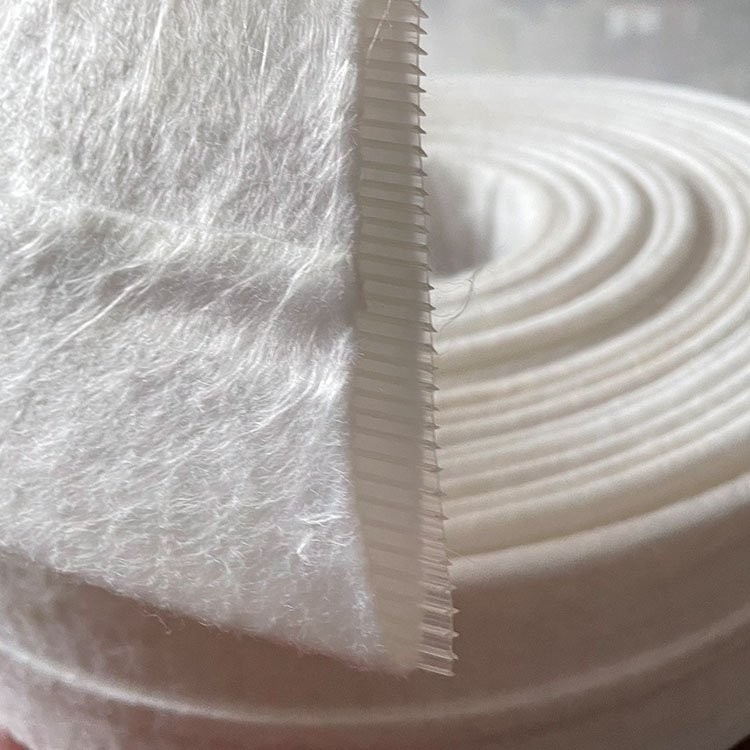
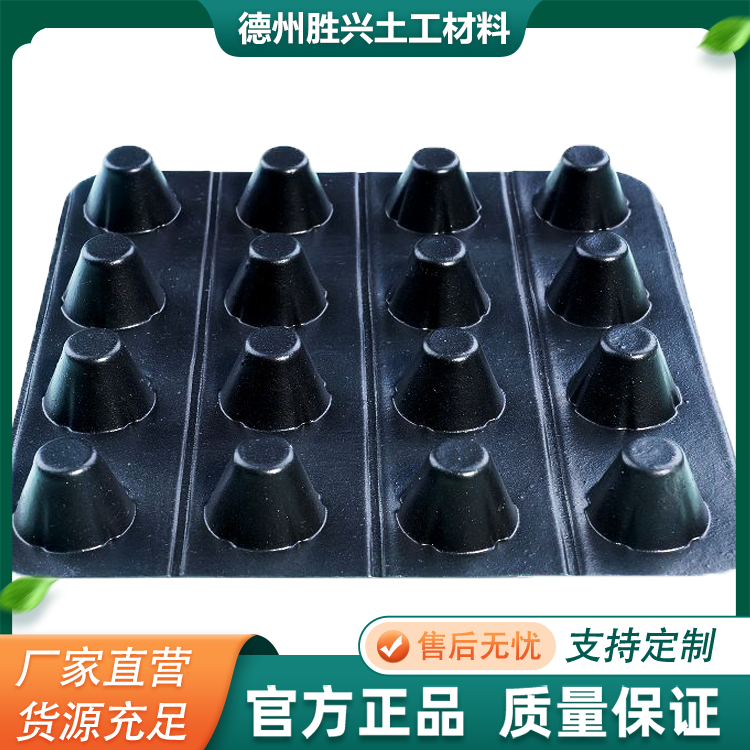
Drainage boards, when combined with porous drainage pipes, form an effective drainage system. The cylindrical hollow drainage boards, along with geotextiles, also create a drainage system, thereby forming a system with functions of water seepage, storage, and drainage. The plastic drainage boards are available in two series: rolled materials and sheet materials. The plastic sheets are pressed into a closed, convex, cylindrical shell using a special process, forming a concave-convex membrane. The shell is continuous, with a three-dimensional space and a certain height of support. During the edge processing, butyl rubber strips are heat-sealed onto the shell. The top of the shell is covered with a geotextile filter layer, which is used for products involving water infiltration, drainage, and water retention. A layer of filter geotextile is bonded to the top of the conical platform to prevent soil particles from passing through, thereby avoiding blockage of the drainage channels and ensuring smooth water flow. Traditional drainage methods use bricks, stones, and tiles as the filter layer,
 Using a substantial amount of cobblestone or crushed stone as a water filtration layer and draining water to a location. Replacing the cobblestone filtration layer with a drainage board for water drainage saves time, effort, and energy, reduces investment costs, and also lowers the load on the structure. A good drainage system plays a crucial role in the construction timeline of civil engineering projects and the normal use and lifespan of structures.
 Also known as: lap joint adhesive drainage board, drainage panel, waterproofing board, filter plate, plastic convex drainage board, plastic sandwich panel. Product specifications are divided into square greenery and basement usage, with H20 and H25 options available. Waterproofing against seepage on the interior walls of basements, drainage boards can be laid on the main wall surface of the building, with the rounded platforms facing the main wall. An additional single wall or wire mesh with cement can be constructed around the drainage board to protect it, allowing the space for seepage outside the wall to directly flow downward into a blind trench and eventually into a collection pit.