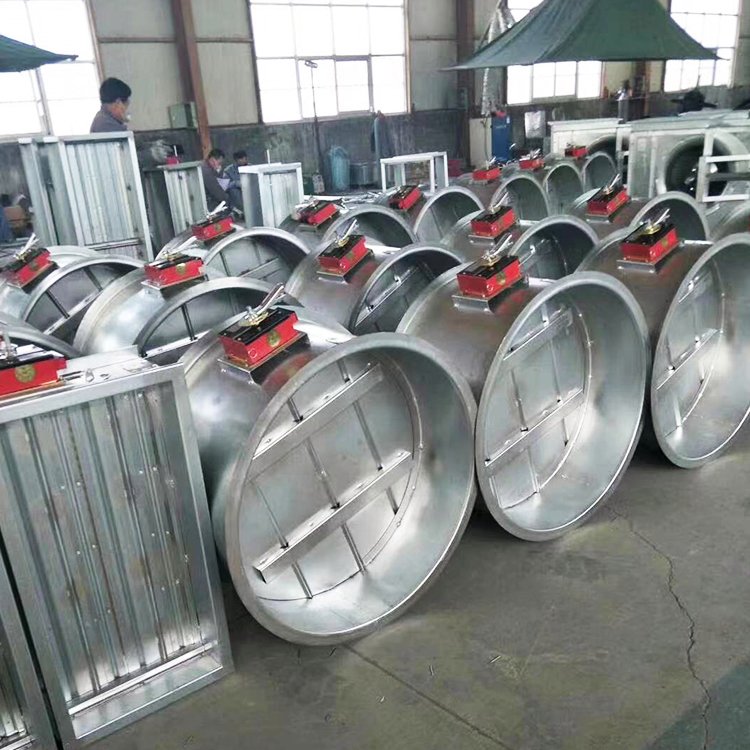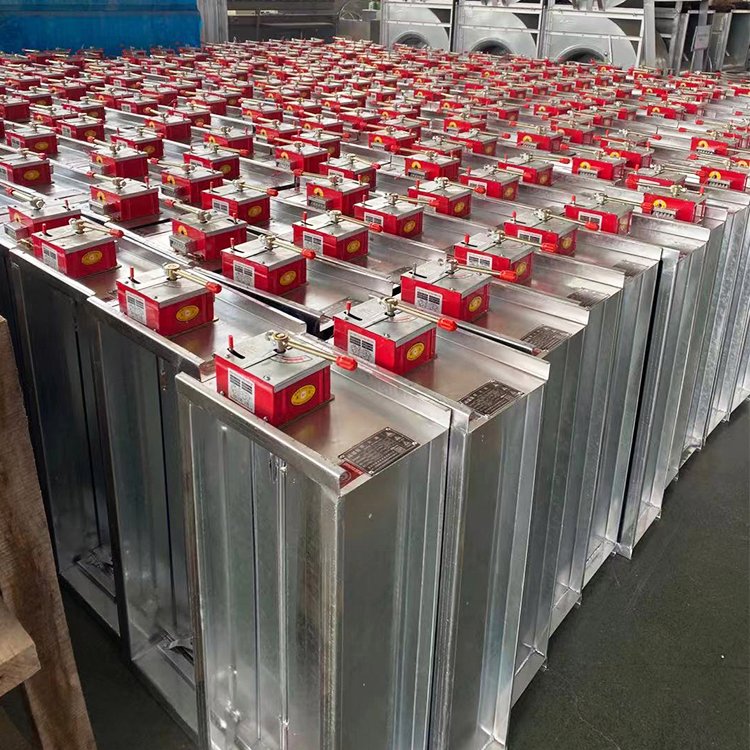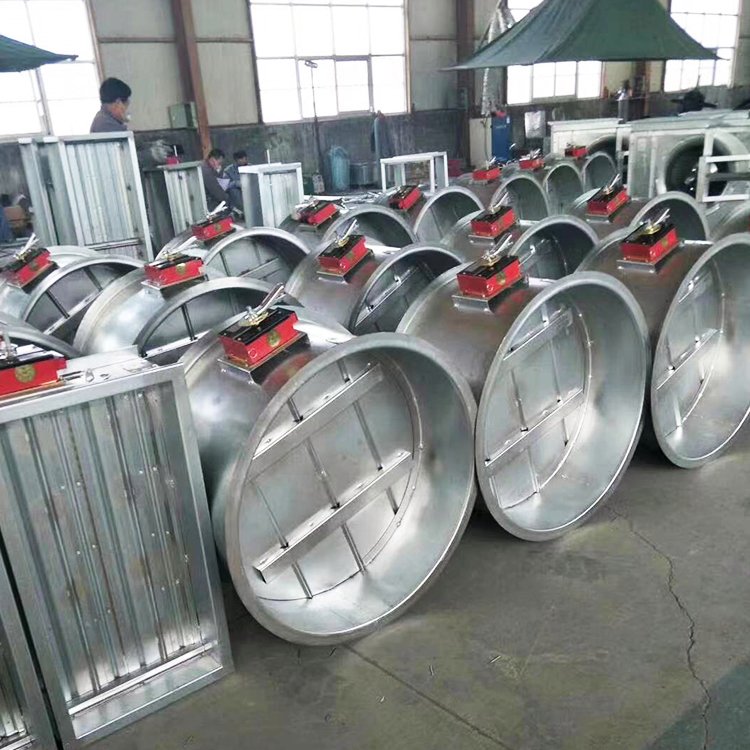

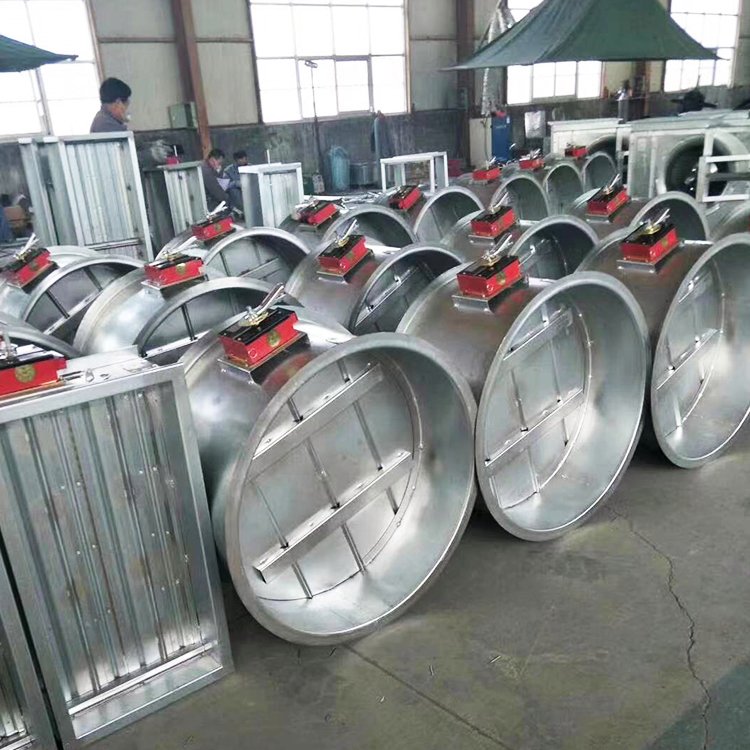
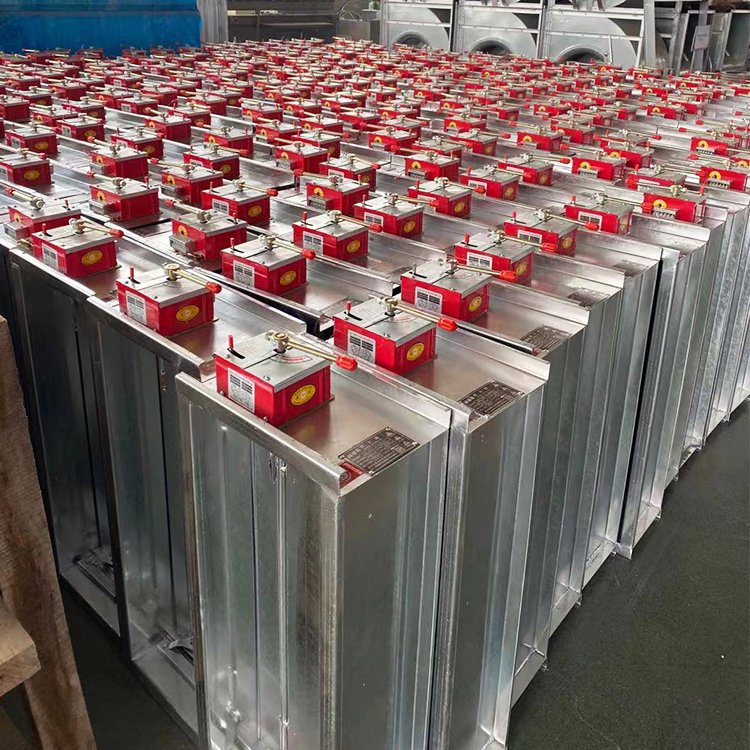
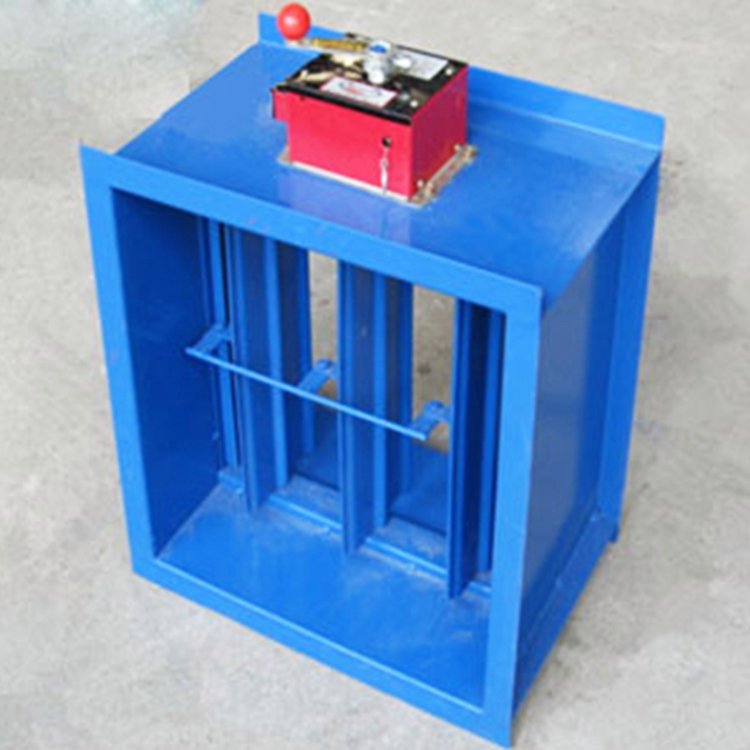


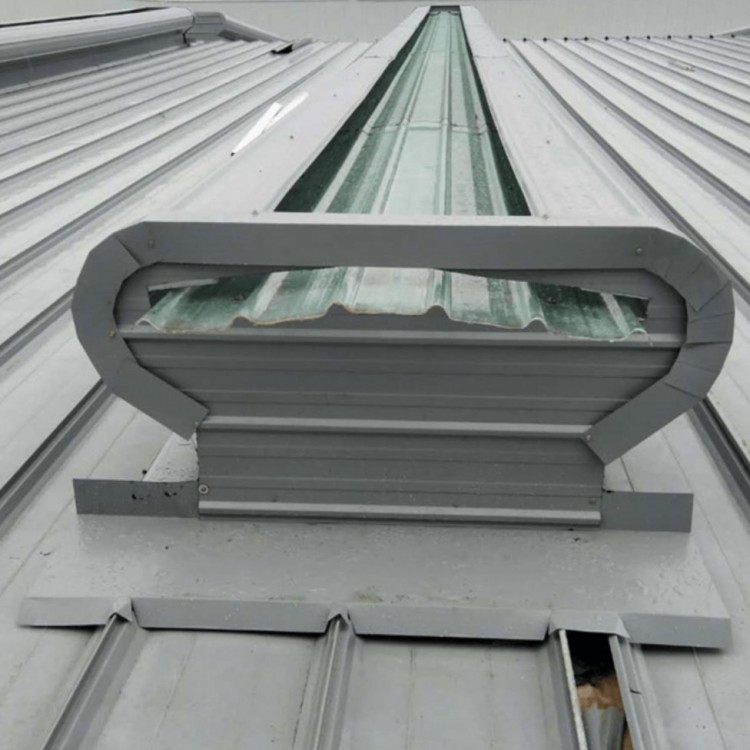






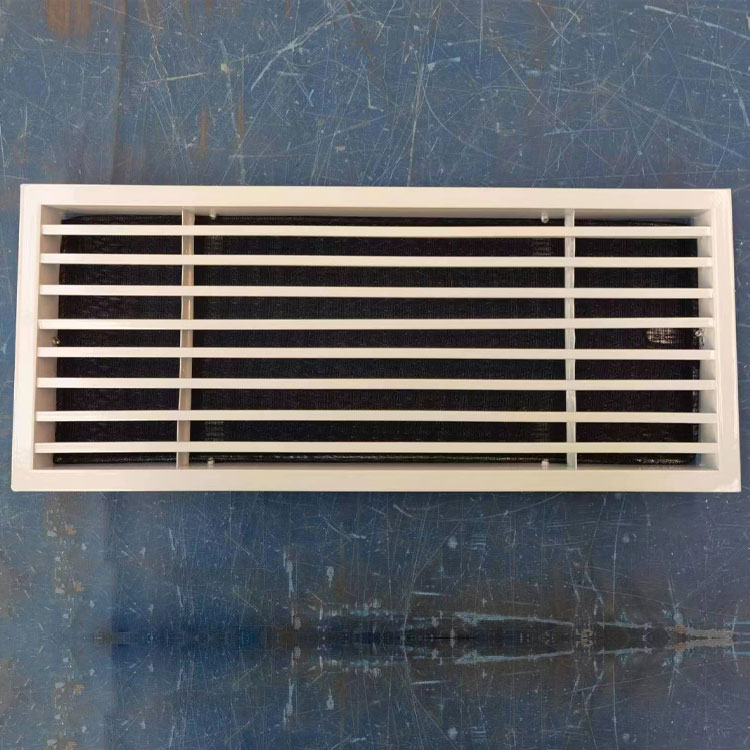
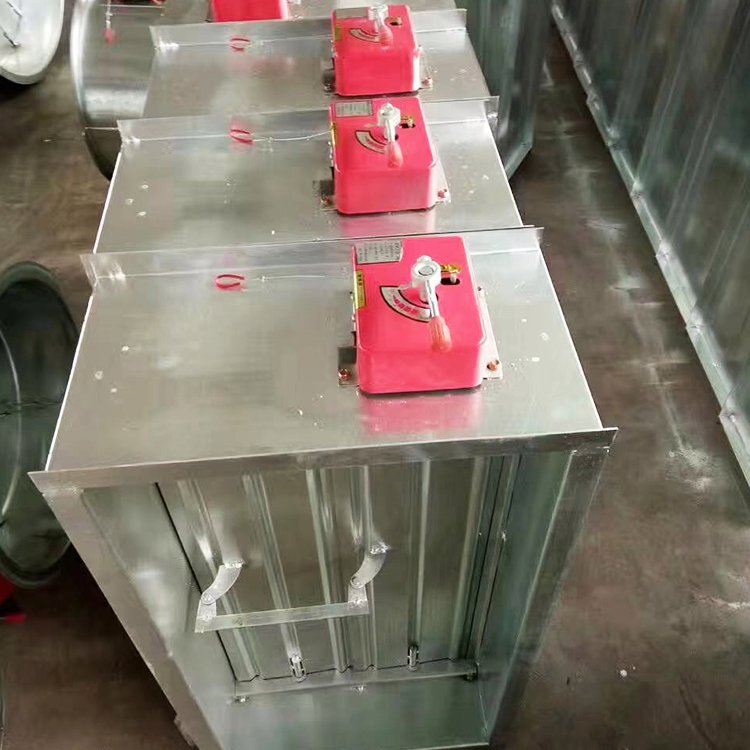
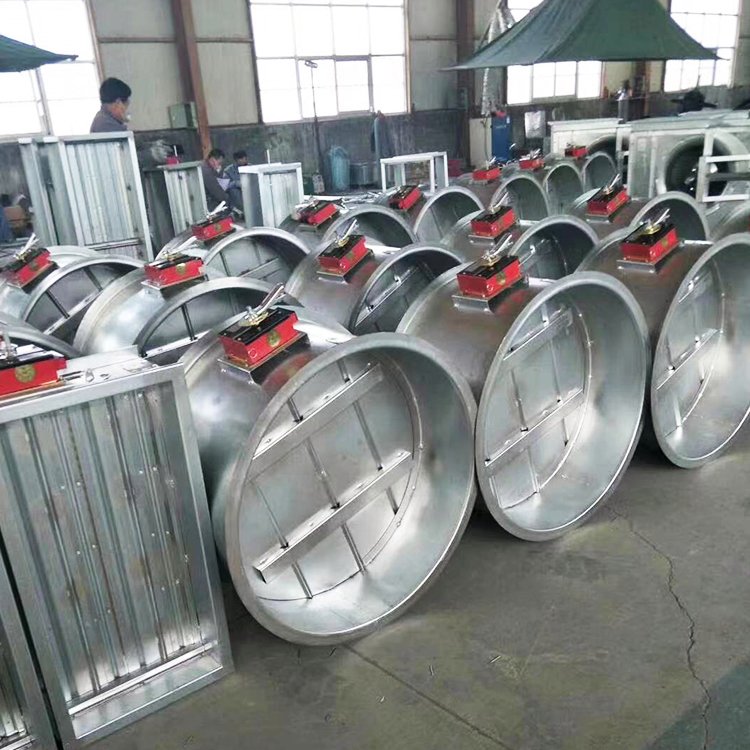
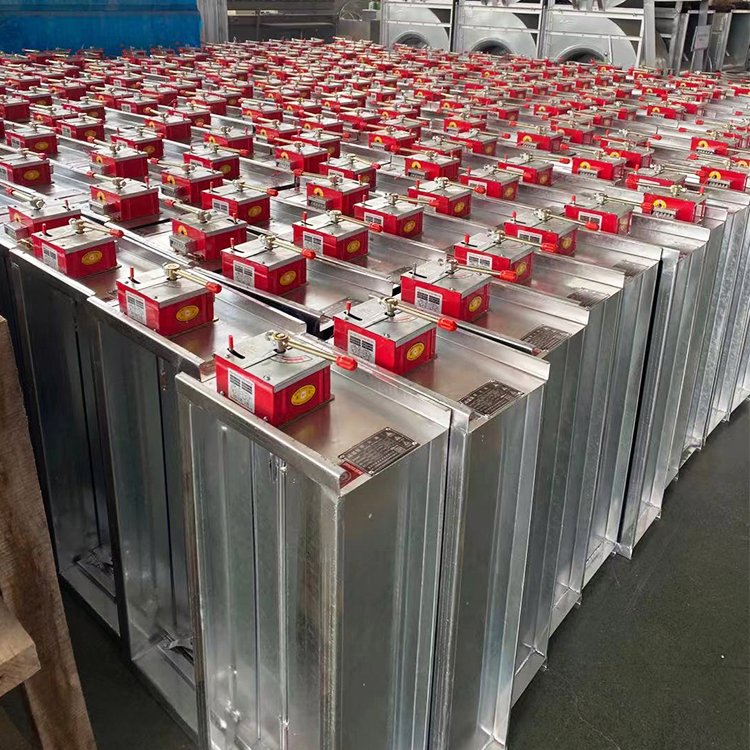
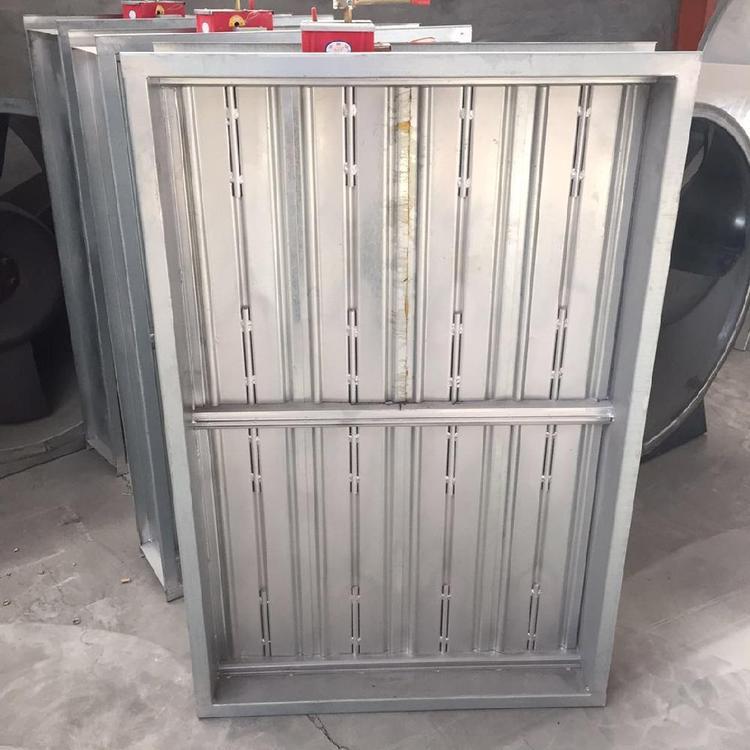
Smoke and fire dampers are used on the pipes of the smoke extraction system or at the inlet of the smoke exhaust fan, remaining closed during normal operation. Upon fire occurrence, the dampers are manually or automatically opened via a fire alarm signal, coordinating with the system to extract smoke. They automatically close when the smoke temperature inside the pipe reaches 280°C, and can maintain fire resistance and integrity for a certain period of time, serving as a barrier to smoke and fire.
Features
1. Normally Open Smoke and Fire Damper
(1) Normally in an open position, the valve remains open during a fire.
(2) When the pipeline temperature reaches 280°C, the fuse trips, and the valve closes automatically.
(3) Close output valve signal, interlock exhaust fan to stop.
(4) Manual shut-off, manual activation;
2. Normally Closed Smoke and Fire Damper
Normally Closed Smoke and Fire Damper, also known as the Second Action Smoke and Fire Damper.
(1) Normally in a closed state, upon a fire occurrence, the valve is quickly opened by inputting DC24V power from the control center.
(2) Output the valve opening signal, interlock control of the fire smoke exhaust fan.
(3) Manual activation, manual reset to close
(4) Upon reaching a pipe temperature of 280°C, the fuse trips, and the valve is reset to close.
3. Remote Control Smoke and Fire Dampers (Cable Control Type)
(1) Features all the functions of a normally closed smoke and fire damper;
(2) Can be manually activated from a distance and manually reset to off.
(3) Standard rope control distance is 6m (extra lengths available upon request);
4. Automatic Reset Smoke and Fire Dampers
(1) Normally in a closed state, upon fire occurrence, the control center supplies DC24V power, and the valve automatically opens.
(2) When the pipeline temperature reaches 280°C, the fuse trips, and the valve closes automatically.
(3) Manual activation available.
(4) After the valve is opened, there's no need for manual reset. Simply input DC24V power, and the valve will automatically reset to its original closed position.
(5) Output valve opening signal, interlock control of exhaust fan start/stop.