






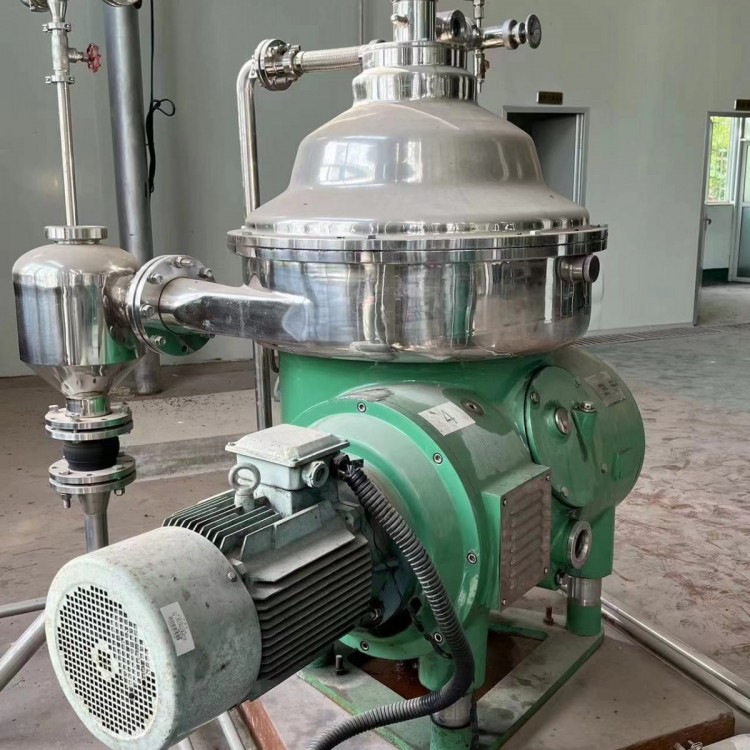
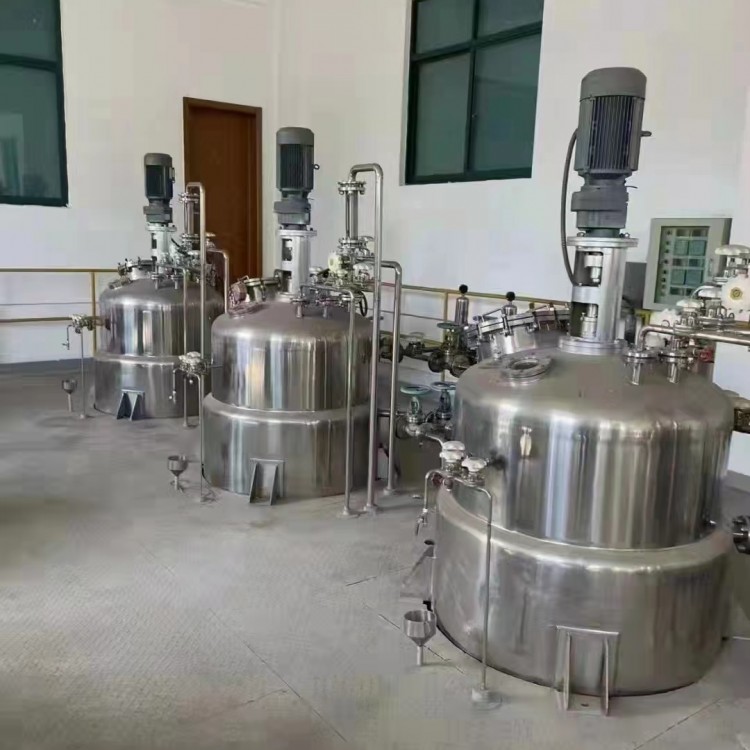
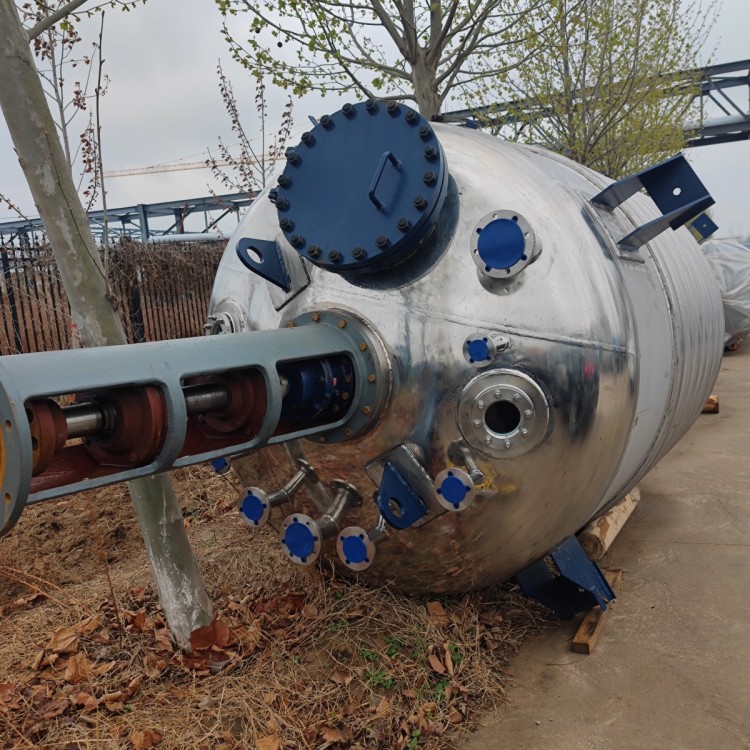
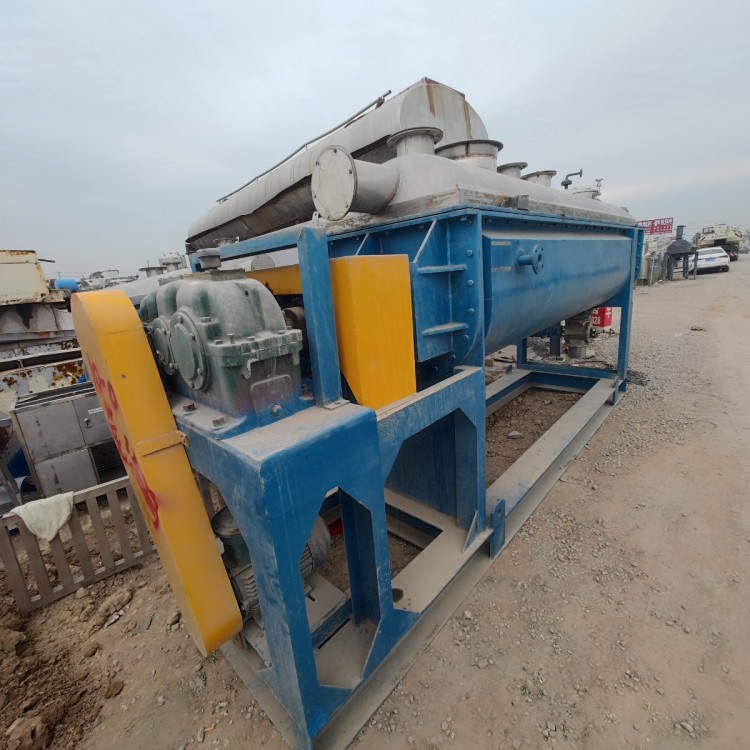
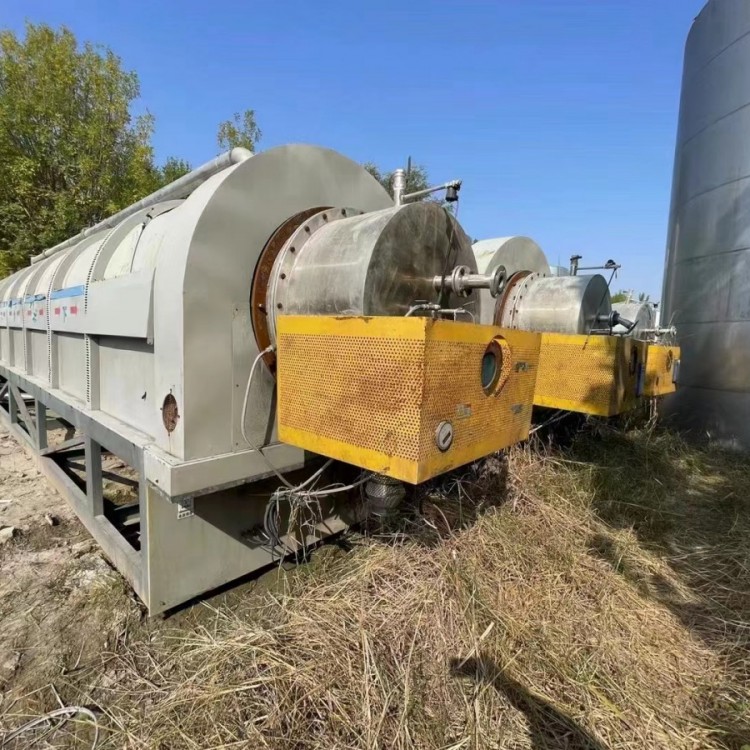
The liquid flow of pressure filters is categorized into open flow and closed flow. Open flow refers to the filtrate being directly discharged outside the machine through the outlet holes of each filter plate: closed flow refers to the filtrate from all the filter plates being converged and discharged outside through the outlet channels.

Press Filter Product Introduction:
Function: Extracts solids from the mixed liquid, achieving the separation of solid and liquid.
Discipline: Coal Technology; Mining Machinery Engineering; Coal Preparation Equipment
History: Taiwan pressure filter equipment emerged in the early 18th century, used for chemical industry production.
Filter Press Application Range: Chemical Industry, Standard Hardware, Metallurgy, Non-standard Screws, Dye, Food, Brewing, Ceramics, Oil Refining, Waste Water Treatment, and other environmental protection industries.
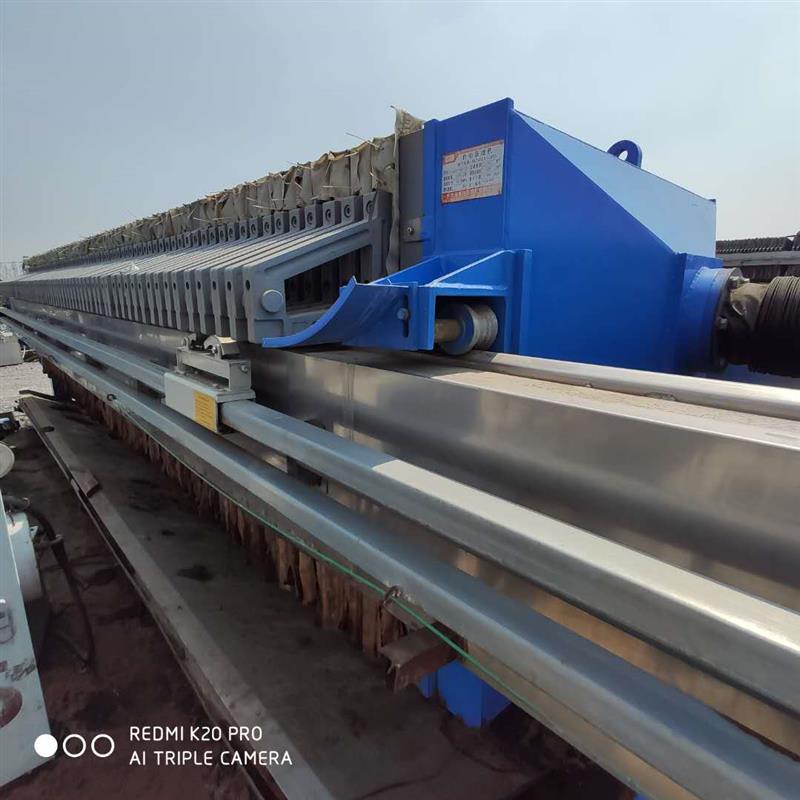
Filter Press Installation and Commissioning
1. The pressure filter should be mounted on a level concrete foundation. The foot of the thrust plate at the feed end is fixed to the foundation with anchor bolts; the bracket end does not require anchor bolts, or after the anchor bolts are positioned, two nuts are used to secure them. Leave an appropriate gap between the nut washer and the foot seat, allowing for slight expansion of the foot. Before alignment, the installation personnel should check the perpendicularity of the beam to the large flat surface of the thrust plate.
2. The foundation structure should be designed by construction engineers based on the equipment load, and it is advisable to grout the reserved holes twice for the anchor bolts.
3. Sufficient operational and maintenance space should be provided around the press filter. When installing a hydraulic pressure filter, an appropriate location for the hydraulic station must be selected to ensure the normal operation of the hydraulic station.
4. Place filter plates according to work requirements, arrange the feed, washing, and drainage pipelines. Equip with a pressure gauge for filter pressure display and a recirculation channel for controlling filter pressure. If it's a diaphragm squeezing type, arrange the compressed air pipeline.
5. Hydraulic filter press, fill the hydraulic station oil tank with clean 20#-40# hydraulic mechanical oil, operating temperature > -5℃; if the ambient temperature is too low, choose hydraulic oil with similar viscosity and low freezing point. The hydraulic oil must be added through an 80-100 mesh filter.
6. Mechanical or hydraulic clamping devices should operate correctly upon power-on and motor activation. During hydraulic clamping, the pressure gauge should rise smoothly, with no leakage in the hydraulic system. Adjust the working pressure of the hydraulic station correctly based on the model size. After testing, if the oil tank is found to be low on oil, it should be replenished.
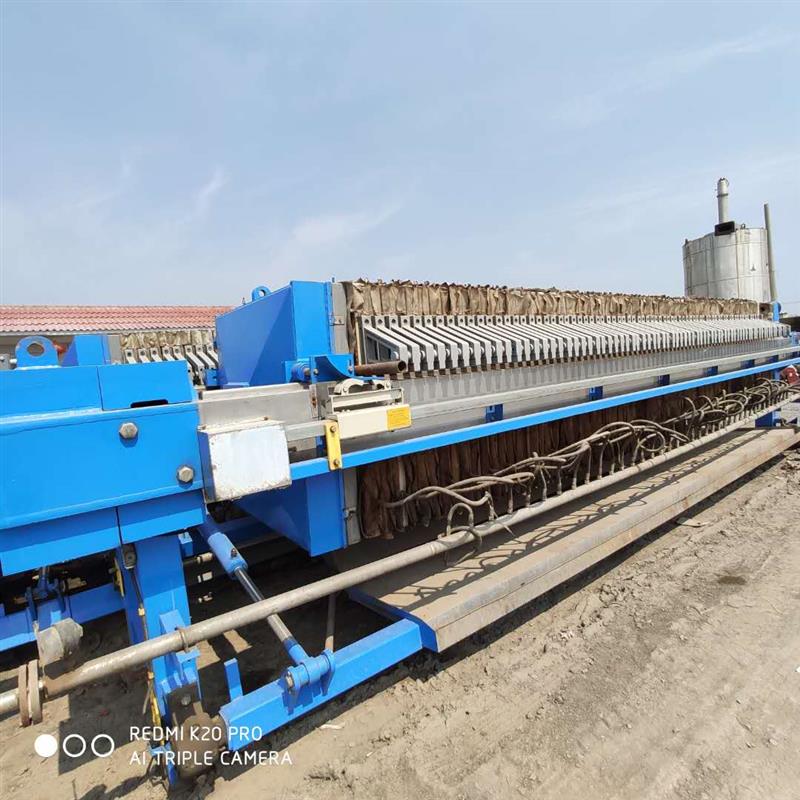
Filter presses, as a solid-liquid separation device, have a long history. They are a highly mature dewatering equipment. Filter presses are widely used in early sludge dewatering projects in Europe and America. The structure of filter presses is simple, operation is convenient, the filter area selection is stable and flexible, with a small filter area and a strong driving force, resulting in low moisture content in the filter cake, and are suitable for various sludges.